

The condition, characterized by the perception of sound—often ringing, buzzing, or hissing—in the absence of an external source, affects approximately 10 to 15 percent of the global population. While for many it is a transient experience, for a significant subset, it becomes a chronic burden that requires a multidisciplinary approach to management.
A Chronology of Onset and Initial Crisis
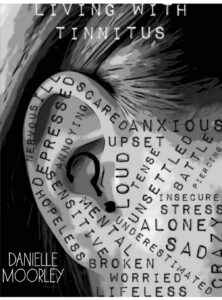
Danielle Moorley’s experience began during a period of acute physical distress around her 18th birthday. While suffering from a severe toothache, she suddenly became aware of a persistent ringing sound in both ears. This sudden onset, frequently associated with dental or jaw-related issues, triggered an immediate psychological shock. The lack of prior experience with the condition left her in a state of confusion and fear, as the ringing became a constant, uncontrollable companion.

In the early stages of her diagnosis, the impact on her quality of life was significant. Moorley reports that she grappled with chronic fatigue, stemming from persistent sleep disturbances and the psychological toll of navigating an unpredictable and often misunderstood condition. For young adults entering the workforce or higher education, such symptoms can be particularly disruptive. Research indicates that tinnitus-related sleep deprivation often creates a feedback loop, where increased stress and exhaustion exacerbate the perception of the noise, leading to higher levels of anxiety and a sense of being "trapped."
The Challenges of Clinical Management
Moorley’s early experience underscores a systemic issue often reported by patients: the difficulty in accessing effective, empathetic care within the broader healthcare system. During the initial phases of her condition, she faced a lack of nuanced understanding from some healthcare providers. This is a common hurdle for patients, as tinnitus is subjective and cannot be measured by standard diagnostic equipment like audiograms, which can lead to dismissive clinical interactions.
However, the turning point in her management strategy occurred when she sought external resources beyond primary care. Through Tinnitus UK, she gained access to structured information, while her doctor provided a referral for Cognitive Behavioural Therapy (CBT).
CBT is widely regarded as the gold standard in tinnitus management. It does not aim to eliminate the sound itself but rather to alter the patient’s emotional and behavioral response to it. By addressing the "fight or flight" stress response, patients can achieve habituation—a process where the brain learns to reclassify the tinnitus sound as a neutral, background stimulus. For Moorley, learning to decouple the physiological stress response from the auditory sensation was the critical mechanism that allowed her to regain agency over her daily life.
The Role of Advocacy and Support Networks
Tinnitus UK serves as a vital bridge between clinical research and patient advocacy. The organization provides a range of services designed to alleviate the social isolation that often accompanies the condition. For many, the most distressing aspect of tinnitus is the feeling that they are experiencing something unique and uncontrollable. By providing a platform for shared experiences, the organization helps transition patients from a state of victimhood to one of informed management.
Moorley’s decision to become a formal member of Tinnitus UK was driven by a desire to contribute to this community and advocate for others. Membership-based support networks provide more than just information; they foster an environment of peer support where individuals can share strategies for managing social situations, such as navigating noisy environments like concerts or parties—scenarios that previously caused Moorley significant distress and dizziness.
Broader Implications and Current Research
The broader implications of Moorley’s story touch upon a critical area of public health: the prioritization of tinnitus as a condition deserving of robust research funding and support. While there is currently no singular cure for the condition, research into neuroplasticity, sound therapy, and pharmaceutical interventions is ongoing.
Data from the World Health Organization (WHO) and international audiology associations emphasize that the prevalence of tinnitus is rising, partly due to increased exposure to noise pollution and an aging global population. The economic impact is equally significant, with substantial costs associated with reduced workplace productivity and the demand for mental health services to treat the secondary depression and anxiety that frequently accompany tinnitus.

Organizations like Tinnitus UK play a dual role in this landscape. First, they provide the "patient voice," ensuring that researchers understand the lived reality of those they are attempting to treat. Second, they act as an educational resource, dispelling the myths that surround tinnitus—such as the misconception that nothing can be done to help—which can often prevent patients from seeking the help they need early on.
The Path to Resilience: A Summary of Strategies
Moorley’s success in returning to her hobbies—photography, horse riding, and social outings—is a testament to the efficacy of a comprehensive management plan. Her journey emphasizes several key takeaway strategies for others currently navigating the condition:
- Early Intervention: Seeking support immediately rather than waiting for the condition to "go away" on its own can prevent the development of maladaptive coping mechanisms.
- Stress Management: Given the link between the autonomic nervous system and tinnitus perception, developing stress-reduction techniques is essential.
- Community Connection: Avoiding isolation is paramount. Connecting with support groups or organizations like Tinnitus UK provides the reassurance that the experience is shared and that management is possible.
- Professional Guidance: Utilizing evidence-based therapies, such as CBT, to manage the psychological impact of the sound.
Conclusion
Danielle Moorley’s story serves as a case study in the power of proactive management and community engagement. While the initial onset of tinnitus is undeniably traumatic, the narrative of her recovery demonstrates that, with the right support, patients can move from a state of distress to one of integration.
As healthcare systems continue to evolve, the integration of patient support networks like Tinnitus UK into the formal treatment pathway remains a vital necessity. By providing the tools for habituation and fostering a culture of openness, these organizations help ensure that those living with tinnitus are not defined by the sound in their ears, but by their ability to live full, active, and meaningful lives despite it. The transition from a sense of helplessness to one of community-supported confidence remains one of the most effective tools in the current management of this complex, life-altering condition.