
The Subtle Yet Significant Impact of Retrocochlear Hearing Loss
Individuals experiencing retrocochlear hearing loss may present with a constellation of symptoms that can significantly impact their daily lives. These often include unilateral hearing loss, a noticeable deficit in hearing in one ear, or asymmetric hearing loss, where one ear is affected more severely than the other. A hallmark symptom is a pronounced difficulty in understanding speech, particularly in environments with background noise, where words may seem garbled or indistinct rather than simply quiet. This phenomenon is often described as a loss of clarity in spoken language, even when the perceived loudness of sound is adequate. Other potential indicators include tinnitus, the perception of ringing or buzzing in the ears, and in some cases, dizziness or balance problems, which can arise due to the proximity of the auditory nerve to the vestibular system. Facial numbness or weakness might also be present if a lesion impinges on nearby cranial nerves.
This article aims to provide a comprehensive overview of retrocochlear pathologies, meticulously detailing how retrocochlear hearing loss diverges from cochlear hearing loss. It will explore the common symptoms and underlying causes, the diagnostic procedures employed by medical professionals, the interpretation of audiograms in this context, and the range of treatment options available.
Defining Retrocochlear Hearing Loss: A Journey Behind the Cochlea
The term "retrocochlear" literally translates to "behind the cochlea." The cochlea, a spiral-shaped cavity in the inner ear, is the primary organ responsible for converting sound vibrations into nerve impulses. Retrocochlear hearing loss signifies that the auditory processing issue arises after the sound signal has been transduced by the cochlea and is being transmitted along the auditory nerve and its subsequent pathways towards the brain. This means the cochlea itself may be functioning adequately, but the integrity of the auditory nerve or the neural circuitry that relays the information to the auditory cortex is compromised. This disruption can lead to a diminished clarity of sound signals as they ascend to the brain, manifesting as the aforementioned difficulties in speech comprehension, tinnitus, and balance disturbances.
Differentiating Retrocochlear from Cochlear Hearing Loss: A Crucial Distinction
The distinction between cochlear and retrocochlear hearing loss is fundamental to accurate diagnosis and effective treatment. While both fall under the umbrella of sensorineural hearing loss, the location of the primary issue dictates the diagnostic and therapeutic strategies.

| Feature | Cochlear Hearing Loss | Retrocochlear Hearing Loss |
|---|---|---|
| Location of Problem | Within the inner ear (cochlea) | In the hearing nerve or auditory pathways just beyond the inner ear |
| Impact on Hearing | Difficulty in the ear’s ability to pick up sound clearly | Sound may reach the ear, but the signal does not travel clearly to the brain |
| Speech Understanding | Challenging, especially in noisy environments | Significantly impaired, often more than expected for the degree of hearing loss |
| Common Signs | Muffled sounds, difficulty hearing specific frequencies, poor performance in noise | Unilateral/asymmetric hearing loss, poor speech understanding, tinnitus, dizziness, balance issues, facial numbness |
| Potential Causes | Damage to inner ear structures (e.g., hair cells) | Tumors, neurological conditions, nerve damage, vascular issues |
| Diagnostic Approach | Standard hearing tests (audiometry) | Hearing tests plus specialized tests like ABR, MRI scans |
| Treatment | Varies with degree of hearing loss; hearing aids are common | Depends heavily on the underlying cause; may involve medical, surgical, or rehabilitative interventions |
This table highlights that while cochlear hearing loss often involves a general reduction in hearing sensitivity or clarity due to damage within the cochlea, retrocochlear hearing loss points to a more specific disruption in the neural transmission pathway. This often necessitates a closer medical evaluation to pinpoint the exact cause, which can range from benign growths to more complex neurological conditions.
Unpacking the Symptoms of Retrocochlear Hearing Loss
The manifestation of retrocochlear hearing loss symptoms can be highly variable, influenced by the precise location and nature of the impairment. Some individuals may initially notice only subtle changes in their hearing, while others might experience more pronounced difficulties with balance or speech comprehension.
Key symptoms that may signal retrocochlear hearing loss include:
- Unilateral or Asymmetric Hearing Loss: A significant difference in hearing ability between the two ears is a common red flag. This can range from complete loss of hearing in one ear to a noticeable disparity in audibility.
- Poor Speech Understanding: This is perhaps the most distressing symptom for many. Individuals may report that while they can hear sounds, the words themselves are indistinct, particularly in challenging listening environments like restaurants or social gatherings. The ability to discriminate between similar-sounding words can be severely compromised.
- Tinnitus: The presence of persistent ringing, buzzing, hissing, or other sounds in the ear or head, which is not externally caused.
- Dizziness and Balance Problems: The auditory nerve shares proximity with the vestibular nerve, which controls balance. Lesions or dysfunction affecting the auditory nerve can therefore lead to sensations of vertigo, unsteadiness, or a general feeling of imbalance.
- Facial Numbness or Weakness: In cases where a tumor or other lesion presses on nearby cranial nerves, such as the facial nerve, symptoms like numbness, tingling, or even weakness in the facial muscles can occur.
- Aural Fullness: A sensation of pressure or fullness in the ear.
It is crucial to recognize that not everyone will experience the same set of symptoms. The specific presentation depends heavily on the underlying cause. For instance, a small tumor might initially present with mild tinnitus and a slight decline in speech understanding, whereas a larger lesion or a condition like multiple sclerosis might manifest with more widespread neurological symptoms.
Exploring the Causes of Retrocochlear Hearing Loss
Retrocochlear hearing loss is not a monolithic condition; its origins are diverse and can stem from a variety of issues affecting the auditory nerve or the brainstem pathways. While tumors are a well-known cause, they are not the sole culprits.
Common Causes Include:

-
Tumors:
- Vestibular Schwannoma (Acoustic Neuroma): This is a benign (non-cancerous) tumor that arises from the Schwann cells of the vestibulocochlear nerve, which carries both hearing and balance information from the inner ear to the brain. As the tumor grows, it can compress the auditory nerve, leading to progressive hearing loss, tinnitus, and balance issues. It is one of the most frequently diagnosed causes of retrocochlear hearing loss.
- Other Tumors: Less commonly, other types of tumors, including meningiomas or even malignant tumors, can affect the auditory pathways.
-
Neurological Conditions:
- Multiple Sclerosis (MS): This chronic autoimmune disease affects the central nervous system, leading to demyelination—the damage of the protective sheath around nerve fibers. This can disrupt the transmission of nerve signals along the auditory pathways in the brainstem and beyond.
- Neurodegenerative Disorders: Conditions like auditory neuropathy spectrum disorder (ANSD) involve a breakdown in the communication between the inner ear and the brain. In ANSD, the cochlea may function normally, but the auditory nerve or the brainstem processing is impaired. Hereditary neuropathies can also affect nerve signal processing, even if sound detection at the cochlear level is preserved.
- Stroke: A stroke affecting the brainstem or auditory processing centers in the brain can lead to sudden or gradual hearing loss and other auditory deficits.
-
Other Neurological or Vascular Conditions:
- Inflammatory Conditions: Infections or inflammatory processes that target the auditory nerve or brainstem can lead to retrocochlear impairment.
- Vascular Issues: Problems with blood supply to the auditory nerve or brainstem, such as transient ischemic attacks (TIAs) or vascular malformations, can compromise neural function.
-
Rare Causes:
- Trauma: Head injuries or direct trauma to the ear or skull base can damage the auditory nerve.
- Infections: Certain infections, such as meningitis or Lyme disease, can sometimes affect the auditory nerve.
- Congenital Abnormalities: In some rare instances, abnormalities in the development of the auditory nerve or brainstem can be present from birth.
It is important to emphasize that a diagnosis of retrocochlear hearing loss necessitates a thorough investigation to identify the specific underlying cause, as this will dictate the appropriate management strategy.
The Diagnostic Pathway: Unraveling Retrocochlear Hearing Loss
Diagnosing retrocochlear hearing loss is a multi-faceted process that typically involves a series of specialized tests, as a single audiological assessment is often insufficient to pinpoint the issue.
1. Comprehensive Hearing Tests
The initial step usually involves standard audiological evaluations conducted by an audiologist. These tests are designed to measure the degree and type of hearing loss:
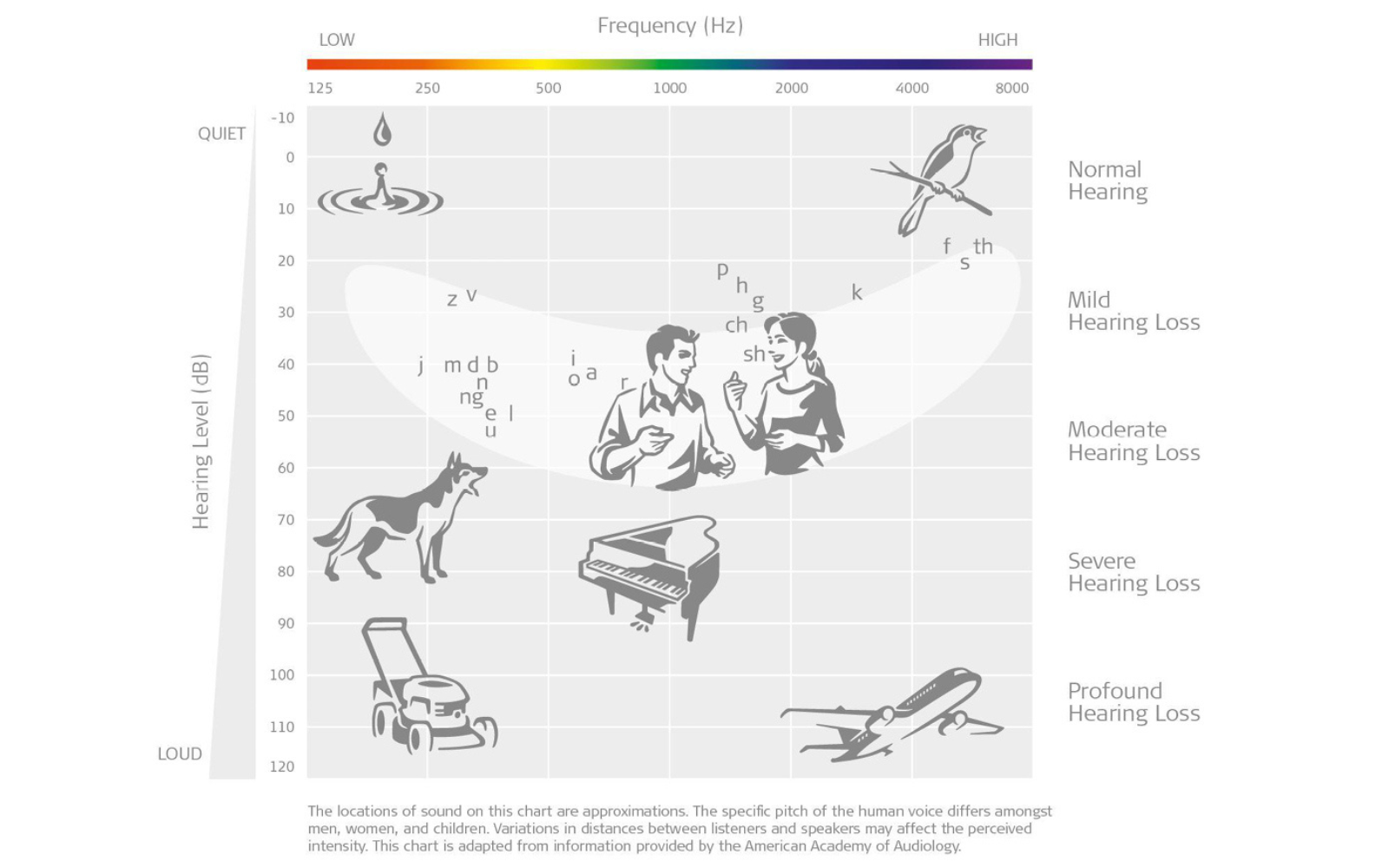
- Pure-Tone Audiometry: This test determines the softest sounds a person can hear at different frequencies. It helps establish the overall hearing threshold.
- Speech Audiometry: This assesses a person’s ability to hear and understand spoken words at various volumes. The results of speech tests are particularly crucial in identifying retrocochlear issues, as disproportionately poor speech understanding relative to pure-tone thresholds is a key indicator.
For individuals seeking an initial indication of their hearing status, an online hearing test can offer a preliminary assessment. However, it is imperative to note that these self-administered tests are not a substitute for a professional evaluation by a qualified audiologist or physician.
2. Advanced Speech Testing
Given the prominence of speech understanding deficits in retrocochlear hearing loss, detailed speech testing is a cornerstone of the diagnostic process. This may include:
- Word Recognition Scores: Measuring the percentage of spoken words correctly identified at a comfortable listening level. A significant drop in scores compared to the pure-tone average can suggest a problem beyond the cochlea.
- Speech in Noise Testing: Evaluating the ability to understand speech in the presence of background noise. Individuals with retrocochlear hearing loss often struggle significantly in these scenarios.
3. Auditory Brainstem Response (ABR) Testing
The Auditory Brainstem Response (ABR) is a critical diagnostic tool for evaluating retrocochlear function. This non-invasive test measures the electrical activity generated by the auditory nerve and brainstem in response to sound stimuli. Electrodes are placed on the scalp, and their readings reveal how quickly and efficiently sound signals are transmitted along the auditory pathway. Abnormalities in the ABR waveform, such as delayed latencies or absent responses, can strongly indicate a problem with the auditory nerve or brainstem, including the presence of a vestibular schwannoma.
4. Magnetic Resonance Imaging (MRI) Scans
If initial tests suggest a retrocochlear issue, particularly if a vestibular schwannoma or another structural anomaly is suspected, an MRI scan is often recommended. MRI provides detailed, cross-sectional images of the brain and its structures, including the auditory nerve, inner ear, and brainstem. This allows physicians to visualize tumors, inflammation, or other pathological changes with high precision, aiding in accurate diagnosis and treatment planning.
Interpreting the Audiogram: Clues, Not Conclusions
An audiogram, the graphical representation of hearing test results, can offer valuable clues regarding retrocochlear hearing loss, but it is rarely conclusive on its own. There isn’t a single audiogram pattern that exclusively points to a retrocochlear problem. However, certain findings can raise suspicion and warrant further investigation:
- Asymmetric Hearing Loss: A significant difference in hearing thresholds between the two ears, especially if it affects higher frequencies or speech understanding, can be indicative of a retrocochlear issue on the poorer side.
- Unilateral Hearing Loss: Complete or near-complete loss of hearing in one ear is a strong indicator that requires immediate investigation.
- Discrepancy Between Pure-Tone and Speech Understanding: When a person’s ability to understand speech is considerably worse than what would be predicted based on their pure-tone audiogram, it suggests a problem with neural processing rather than just loudness perception. For example, someone with a mild pure-tone loss but very poor word recognition scores might have a retrocochlear issue.
- Absent Acoustic Reflexes: Acoustic reflexes, involuntary contractions of middle ear muscles in response to loud sounds, can sometimes be absent or abnormal in cases of retrocochlear pathology, particularly if the auditory nerve is affected.
It is crucial to reiterate that audiogram findings must always be interpreted in conjunction with other clinical information, including patient history, symptom presentation, and the results of specialized tests like ABR and MRI.
Treatment Strategies for Retrocochlear Hearing Loss
The management of retrocochlear hearing loss is highly individualized, as treatment strategies are dictated by the underlying cause, the severity of the hearing loss, and the impact on the individual’s quality of life. There is no one-size-fits-all solution.
Potential Treatment Options May Include:
- Medical Management: If the retrocochlear hearing loss is due to an inflammatory or infectious cause, medical treatment with appropriate medications (e.g., steroids, antibiotics) may be prescribed.
- Surgical Intervention: For tumors like vestibular schwannomas, surgical removal may be an option. The goal of surgery is to remove the tumor while preserving as much hearing and facial nerve function as possible. The approach and outcome depend on the tumor’s size and location.
- Observation and Monitoring: In cases of small, slow-growing tumors or other conditions where immediate intervention is not deemed necessary, a period of watchful waiting with regular monitoring (e.g., serial MRI scans) might be recommended.
- Hearing Rehabilitation:
- Hearing Aids: In cases of mild to moderate retrocochlear hearing loss, hearing aids may offer some benefit, particularly those with advanced signal processing features. However, their effectiveness is limited if the auditory nerve’s ability to transmit clear signals is severely compromised.
- Assistive Listening Devices (ALDs): Devices like FM systems or remote microphones can help improve speech understanding by delivering the sound signal directly to the listener, bypassing some of the challenges posed by background noise.
- Implantable Hearing Solutions: For individuals with significant hearing loss where conventional hearing aids are insufficient, and when the diagnosis and auditory nerve function support it, implantable hearing solutions may be considered.
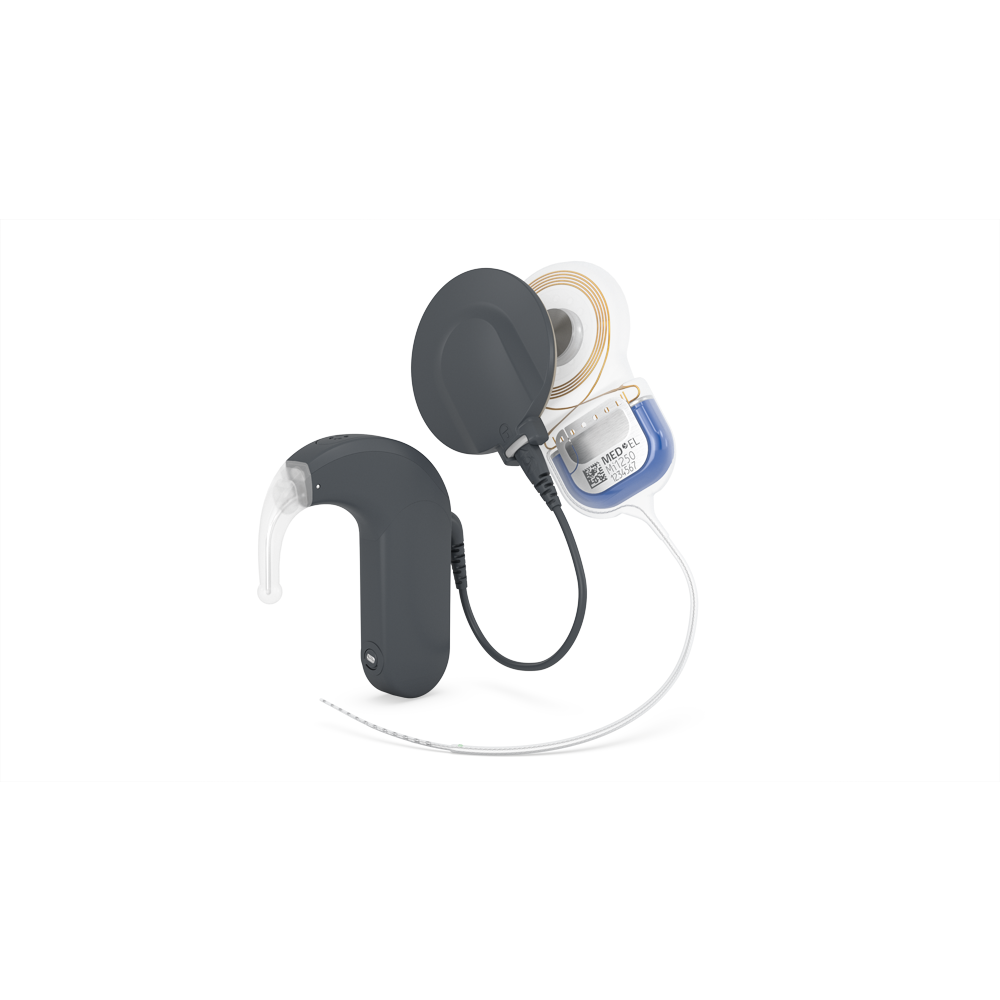
- Cochlear Implants: In cases of profound hearing loss where the cochlea is severely damaged or non-functional, cochlear implants can bypass the damaged parts of the inner ear and directly stimulate the auditory nerve. However, for retrocochlear hearing loss, the effectiveness of a cochlear implant is contingent on the integrity of the auditory nerve itself.
- Auditory Brainstem Implants (ABIs): For individuals whose auditory nerve is completely non-functional or has been surgically removed (e.g., during tumor resection), an Auditory Brainstem Implant (ABI) may be an option. An ABI bypasses both the cochlea and the auditory nerve, directly stimulating the brainstem’s auditory centers. MED-EL offers solutions that may be considered within a comprehensive medical evaluation and care plan when clinically appropriate.
The decision regarding the most suitable treatment or rehabilitative approach is made collaboratively by a multidisciplinary team, including audiologists, ENT specialists, neurotologists, and neurologists, taking into account the individual’s specific auditory profile, overall health, and personal goals.
When to Seek Professional Medical Advice
It is imperative for individuals to consult with a healthcare professional if they experience any of the following symptoms, as they could indicate retrocochlear hearing loss or other serious conditions:
- Sudden or Rapid Hearing Changes: Any abrupt loss of hearing, especially in one ear, requires immediate medical attention.
- Persistent Tinnitus: New or worsening tinnitus, particularly if it is unilateral.
- Unexplained Dizziness or Balance Problems: These symptoms can be indicative of inner ear or neurological issues.
- Difficulty Understanding Speech: Especially if this difficulty is disproportionate to the perceived loudness of sounds or worsens in noisy environments.
- Facial Numbness, Weakness, or Drooping: These are significant neurological signs that warrant prompt evaluation.
- One-Sided Hearing Loss: Any noticeable difference in hearing between the ears should be investigated.
Early assessment is crucial, as it can facilitate timely diagnosis, identify the underlying cause, and enable the implementation of the most effective treatment or management plan. Audiologists, Ear, Nose, and Throat (ENT) specialists, neurotologists (surgeons specializing in ear and skull base disorders), and neurologists all play vital roles in the diagnosis and management of retrocochlear hearing loss.

Key Takeaways on Retrocochlear Pathologies
Retrocochlear hearing loss represents a significant audiological challenge, impacting the intricate pathways responsible for transmitting sound signals from the inner ear to the brain. This condition affects structures beyond the cochlea, including the auditory nerve and proximal brain pathways involved in hearing. Its symptoms can range from unilateral or asymmetric hearing loss and disproportionately poor speech understanding to more complex neurological signs such as tinnitus, dizziness, balance problems, and facial numbness or weakness.
The diagnosis of retrocochlear hearing loss is typically comprehensive, involving a battery of tests such as pure-tone audiometry, detailed speech testing, Auditory Brainstem Response (ABR) testing, and often Magnetic Resonance Imaging (MRI) scans to visualize the auditory nerve and surrounding neural structures. The interpretation of audiograms can provide valuable hints, but definitive diagnosis relies on a combination of these assessments.
Treatment strategies are highly dependent on the specific underlying cause. Options can include medical interventions, surgical removal of tumors, careful observation, or various forms of hearing rehabilitation. For individuals with severe hearing loss where conventional aids are insufficient, implantable hearing solutions, such as cochlear implants or auditory brainstem implants, may be considered as part of a broader hearing rehabilitation pathway.
For anyone concerned about changes in their hearing or experiencing any of the associated symptoms, seeking the guidance of a hearing specialist is paramount. This proactive step can lead to a better understanding of one’s condition, available treatment options, and the necessary next steps toward improving auditory health and overall quality of life. MED-EL continues to provide valuable educational resources on hearing health, cutting-edge hearing technology, and comprehensive hearing rehabilitation strategies to empower individuals navigating these complex conditions.