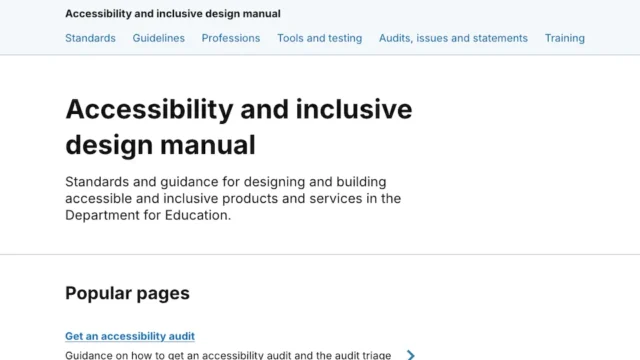
Information architecture, traditionally defined as the practice of deciding how to arrange the parts of something to be understandable, is being redefined within GDS to prioritize user-centered research. The latest insights from Becky Ashley, Sally Creasey, and Rik Williams highlight that accessibility is not merely a technical checklist but a structural necessity that must be integrated into the very DNA of digital services.
The Strategic Framework: Ontology, Taxonomy, and Choreography
A central theme in the GDS approach is the decomposition of information architecture into three distinct but interlocking pillars: ontology, taxonomy, and choreography. According to Rik Williams, Senior Information Architect at GDS, these elements are vital for supporting users with cognitive disabilities, learning differences, or limited domain knowledge.
Ontology refers to the specific concepts and connections within a service. An accessible ontology utilizes clear and consistent language, ensuring that users do not need specialized knowledge to navigate government services. Taxonomy involves the organization of this information. Inclusive taxonomies rely on predictable and logical structures, which are essential for users of screen readers and those with mobility impairments who rely on structured data to understand page hierarchies.
Choreography, the third pillar, governs how users interact with information across different channels and over time. In an accessible system, choreography ensures logical sequences, such as a predictable tabbing order for keyboard users and clear indications of focus. By focusing on these three pillars, GDS aims to create "deeply usable" systems that are inherently accessible.
Institutionalizing Accessibility Across Disciplines
The transition toward a fully accessible digital landscape requires a shift in organizational culture. Becky Ashley, Lead Information Architect at GDS, emphasizes the need to embed accessibility at every level of an organization. This involves moving beyond the "accessibility specialist" silo and making inclusive design a collective responsibility for designers, developers, and content creators.
To facilitate this, GDS advocates for the use of the POUR principles—Perceivable, Operable, Understandable, and Robust—as a shared language across disciplines. Originally established by the Web Content Accessibility Guidelines (WCAG), these principles provide a framework for evaluating whether information flows and data structures meet the needs of all users.
Sally Creasey, Senior Information Architect, notes that advocacy must begin at the stakeholder level. By involving stakeholders and colleagues in the IA process from the outset, architects can build confidence and ensure that the importance of accessibility is understood throughout the project lifecycle. This collaborative approach helps prevent the common mistake of designing information structures that serve organizational needs rather than user needs.
Methodologies for Building Empathy and Understanding
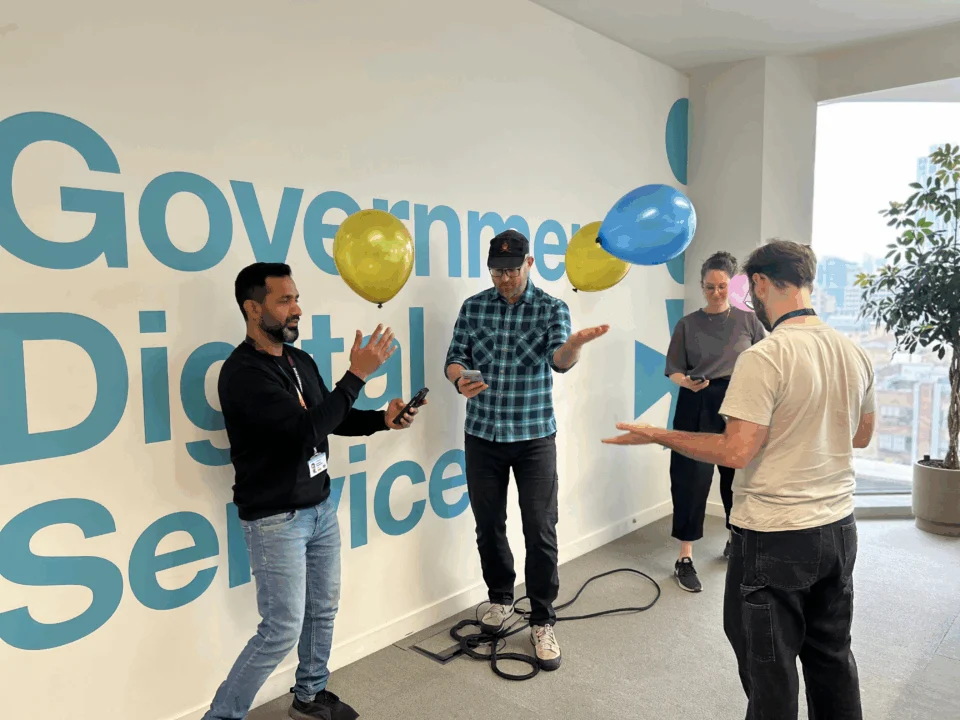
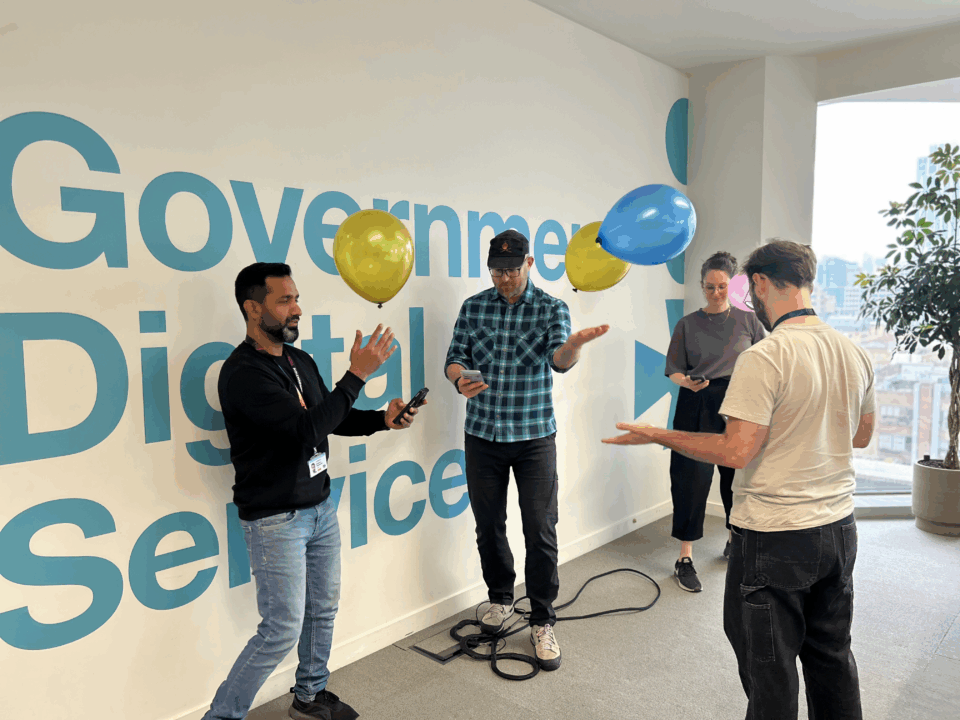
One of the more innovative aspects of the GDS strategy is the use of simulations and "empathy games" to bridge the gap between design teams and users with diverse abilities. The "empathy balloons" game, for instance, is a low-cost, engaging tool used to simulate the experiences of individuals with cognitive or dexterity issues.
While Rik Williams acknowledges that simulations have limitations and should not replace direct contact with users with disabilities, they serve as valuable tools for uncovering flaws in information architecture. These exercises help teams identify issues related to process completion, clarity of relationships, and the organization of content.
Furthermore, GDS utilizes traditional IA techniques such as card sorting, tree testing, and "noun and verb foraging" to ensure that the language used in digital services matches the mental models of the public. These tools help architects understand how users categorize information and what terminology they find most intuitive.
Mitigating Common Pitfalls in Digital Design
The GDS experts identified several recurring pitfalls that can compromise the accessibility of information architecture. One of the primary concerns is the "paradox of choice," where users are presented with too many similar options or sections, leading to an overwhelming mental load. This is particularly detrimental to users with cognitive disabilities or those experiencing high-stress situations.
Other common issues include:
- Organizational Bias: Structuring information based on internal government departments rather than the user’s journey.
- Jargon and Inconsistent Labelling: Failing to create a controlled vocabulary, which leads to different names for the same concepts across a service.
- Static Design: Treating IA as a finished product rather than an iterative system that must adapt to emerging user needs.
- Neglecting Backend Accessibility: Failing to ensure that Content Management Systems (CMS) and tagging tools are accessible to government employees with disabilities.
To avoid these pitfalls, GDS recommends the implementation of progressive disclosure—a technique where information is revealed at the right pace for the user—and the construction of continuous feedback loops between user research and data structure.
Technical Standards and Future Directions
The integration of advanced technology, including Artificial Intelligence (AI) and Object-Oriented Design (OOD), is set to play a significant role in the future of accessible information architecture. Rik Williams suggests that OOD can create information environments built around tangible objects, ensuring consistency and making text structures more accessible across various technologies.
Becky Ashley points to the principle of "universality," a concept championed by World Wide Web inventor Tim Berners-Lee. By adhering to international standards established by the World Wide Web Consortium (W3C), GDS ensures that its digital services remain robust and interoperable. Additionally, the department is looking toward emergent technologies to serve highly relevant, tailored content to users with specific access needs via their preferred channels.
Broader Context: The State of Digital Inclusion in the UK
The focus on information architecture by GDS reflects a broader national necessity. According to data from the Department for Work and Pensions (DWP), there are approximately 16 million people in the UK reported as having a disability, representing 24% of the population. As government services increasingly move to a "digital by default" model, the risk of excluding nearly a quarter of the citizenry becomes a significant legal and ethical concern.
The "Unlocking Accessibility" series is part of a larger effort to ensure the UK remains a global leader in digital government. The 2024 United Nations E-Government Survey ranked the UK highly for its digital services, but GDS officials maintain that continued iteration is necessary to address the complexities of cognitive accessibility and neurodiversity.
The shift toward accessible IA also has economic implications. Research suggests that accessible digital services reduce the need for expensive "assisted digital" support, such as telephone helplines or in-person appointments, by allowing more users to complete tasks independently online.
Conclusion and Industry Impact
The insights shared by the GDS information architects provide a roadmap for other organizations seeking to prioritize digital inclusion. By focusing on the structural organization of information and fostering a culture of empathy and shared responsibility, GDS aims to create a public sector digital estate that is truly universal.
As the "Unlocking Accessibility" series continues, GDS is inviting further contributions from information architects across the government and the wider tech industry. The department emphasizes that the field of digital accessibility is constantly evolving, requiring a commitment to lifelong learning and the continuous improvement of information flows to meet the needs of all citizens, regardless of their physical or cognitive abilities.