A Lifelong Connection to Sound and a Growing Understanding of Hearing Loss
Dr. Nashlea Brogan’s profound connection to the world of audiology is deeply rooted in her personal experience. At 50 years old and residing in Canada, she has not only established a thriving private practice as an audiologist over the past 23 years but also pursued a doctorate in audiology, driven by her own journey with hearing loss. This personal understanding provides her with a unique empathy and insight into the challenges faced by her patients.
Her hearing loss is hereditary, a trait shared by two other family members who are also cochlear implant users. The progression of her hearing impairment was gradual, beginning with her first hearing test at age 14 and leading to her first hearing aids at 18. One of her earliest vivid memories is the unsettling realization of being unable to hear passengers in the back seat while driving, a clear indicator of the impact her hearing loss was having on her daily life. This challenge extended to her participation in competitive Highland dancing, where the struggle to discern the crucial bagpipe music during competitions underscored the extent of her auditory deficit.
By her late thirties, after two decades of managing progressive hearing loss while simultaneously raising two children and building her audiology clinic, hearing aids proved insufficient. This critical juncture prompted her decision to pursue bilateral cochlear implants, a significant step towards reclaiming a fuller auditory experience.
The Water Conundrum: A Two-Decade Avoidance
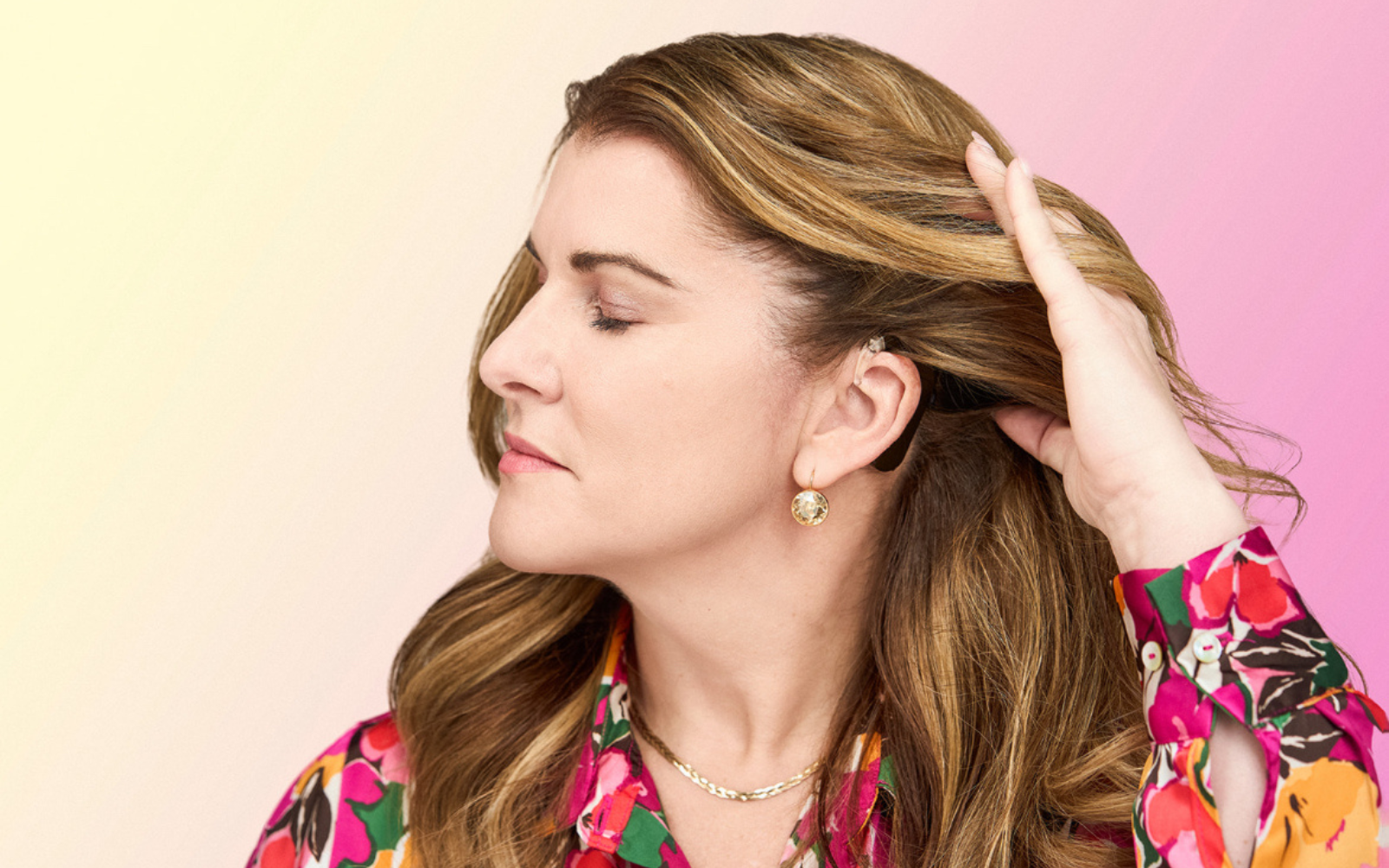
Dr. Brogan’s lifelong love affair with water, whether it was at the beach, on a boat, or simply by the pool, was significantly complicated by her reliance on hearing aids. For twenty years, water transformed from a source of enjoyment into a significant source of anxiety. The pervasive fear of damaging her hearing devices was matched by an equally potent fear of complete auditory isolation that would occur if she removed them. This created a constant tension during any water-related activity, forcing her to make an agonizing choice between safeguarding her technology and maintaining vital communication and connection with those around her. Over time, this compromise led to a gradual withdrawal from many of the water activities she once cherished.
The Technological Leap: WaterWear and the Underwater Auditory Revelation
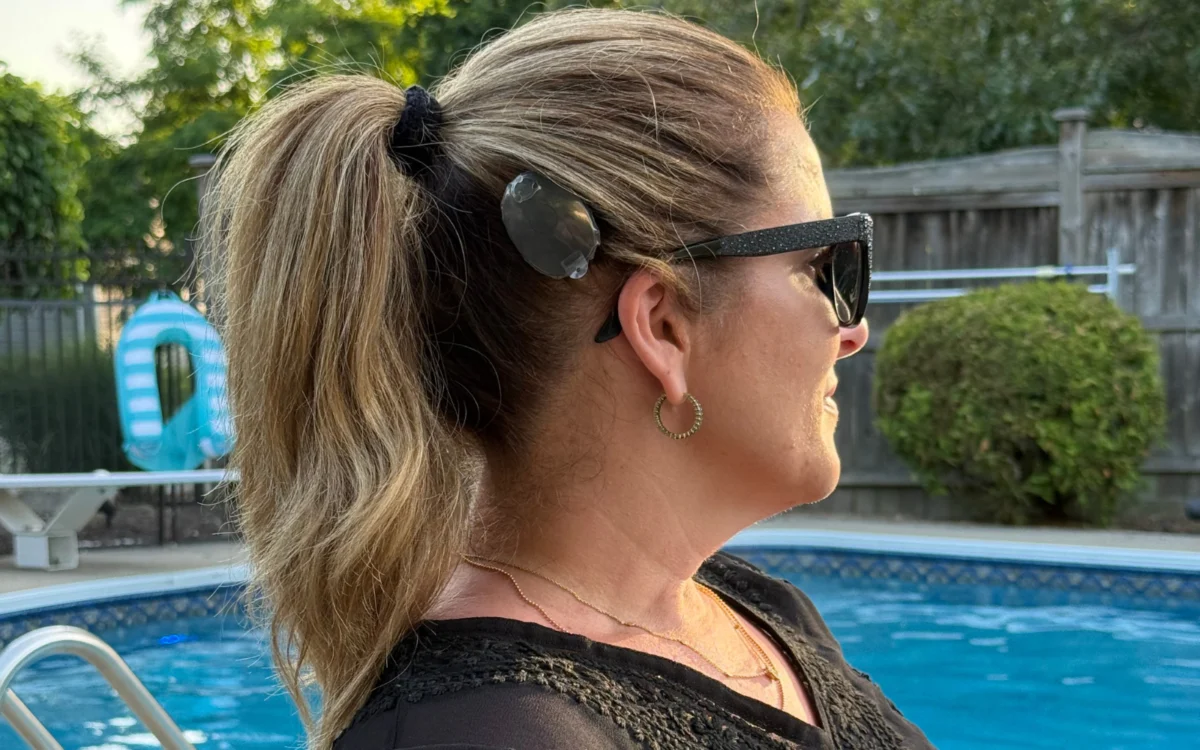
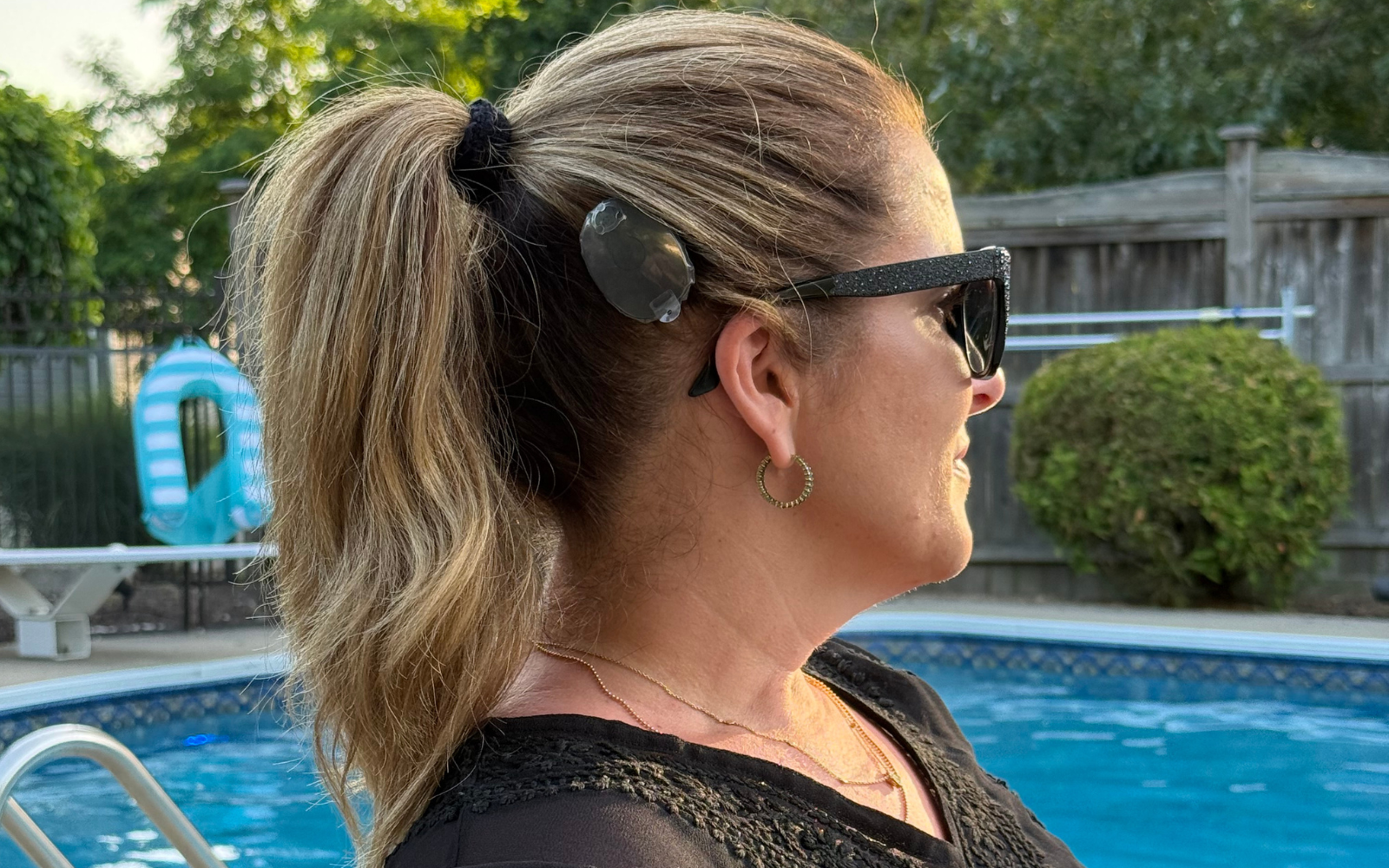
The landscape of Dr. Brogan’s experience began to shift dramatically with the advent of sophisticated waterproof solutions. She began using MED-EL’s WaterWear accessory years ago, an innovative solution designed to protect external audio processors from water damage, allowing users to maintain their hearing while engaged in aquatic activities. The impact of WaterWear was profound and, for Dr. Brogan, unexpectedly revelatory.
“One of the biggest surprises with WaterWear was realizing I could actually hear while I was fully submerged,” she recalls. “I still remember how amazed I was the first time it happened.” This ability to hear underwater, a sensation previously unimaginable, opened up a new dimension of experience.
One particularly cherished memory encapsulates the essence of this newfound freedom: “One of my favorite memories with WaterWear is floating on an inflatable in my pool, completely relaxed, while still hearing my kids laughing and splashing around me,” Dr. Brogan shares. This simple yet profound moment highlights the emotional and social benefits of being able to remain connected through sound even in an environment that traditionally demanded silence or isolation.
Beyond the Pool: WaterWear Enhances Travel and Everyday Life
WaterWear’s utility extends far beyond recreational swimming. For Dr. Brogan, who describes travel as a “huge part of my life,” the accessory has become an indispensable companion. It has fundamentally altered her approach to vacations, removing the constant worry about her hearing equipment and allowing her to fully immerse herself in new experiences.

“WaterWear has completely changed the way I experience vacations,” she states. “I can enjoy hotel pools, hot tubs, beaches, boats, and lakes without constantly thinking about my hearing equipment.” This liberation from technological concerns allows for genuine presence and engagement with her surroundings and the people she is with.
A particularly poignant anecdote from a family trip to Arizona illustrates this transformative impact. While on a speedboat outing with her daughter wakeboarding, the family stopped to enjoy the lake. “When we stopped to enjoy the lake, I was able to jump right into the water with everyone else,” Dr. Brogan recounts. “Before WaterWear, I never would have done that.” This single instance represents a significant reclaiming of shared family experiences, previously foregone due to hearing concerns.
A Professional Perspective: Addressing Patient Concerns
As both a practicing audiologist and a cochlear implant user, Dr. Brogan is uniquely positioned to address the common anxieties of individuals considering hearing implant technology. She frequently encounters potential patients who express reservations about whether choosing a hearing implant will necessitate the abandonment of swimming or other water-related activities.
“I understand that fear because I had it myself,” she admits. “For me, WaterWear made it possible to reconnect with activities I’d avoided for more than 20 years.” This personal testimony carries significant weight with her patients, offering a tangible solution to a deeply felt concern.
Dr. Brogan emphasizes that assistive technologies like WaterWear are crucial because they empower individuals to continue living their lives as they did before, rather than forcing them to adapt their lives around their technology. “Whether I’m on a paddleboard, in a kayak, on a boat, or simply spending the afternoon at the beach, I can hear what’s happening around me,” she explains.
The benefits are not solely recreational. “With WaterWear, I can hear people talking, I can hear the boat, and I can stay connected to conversations,” Dr. Brogan highlights. “That’s enjoyable, but it’s also important for communication and safety.” The ability to hear crucial auditory cues in a water environment significantly enhances personal safety and the capacity for effective communication in a variety of settings.
The Ripple Effect: Confidence and a Life Lived Fully
The most profound impact of cochlear implants and accessories like WaterWear, according to Dr. Brogan, is the restoration of confidence. “If there’s one word that best describes what cochlear implants and WaterWear gave back to me, it’s confidence,” she asserts.
This renewed confidence, she explains, is the bedrock upon which a more engaged and fulfilling life is built. “Confidence allows you to stay socially active. It gives you the freedom to try new things and participate fully instead of standing back because you’re worried about your hearing.” The psychological liberation from the constant burden of managing hearing loss allows for a more spontaneous and uninhibited engagement with life.
The transformation is palpable. “Before WaterWear, I often avoided being around water because I knew I’d eventually have to remove my processors. Now, instead of feeling distressed, I feel confident, connected, and free to enjoy the activities I love with the people I love.” This shift from apprehension to assurance underscores the profound psychological benefits of overcoming technological barriers to participation.
Expert Insights: Frequently Asked Questions About WaterWear
Dr. Brogan’s extensive experience and professional standing allow her to provide valuable insights into the practical application of WaterWear. When asked about its efficacy, she offers clear and reassuring answers:
- Can you really hear while swimming? “Yes,” she confirms. “One of the biggest surprises for me was realizing I could still hear even while fully submerged.”
- Is WaterWear only useful for swimming? “Not at all,” Dr. Brogan clarifies. “I use it whenever I’m around water—on boats, paddleboards, at the beach, in hot tubs, at lakes, and during family vacations.” This highlights its versatility and broad applicability.
- Who can benefit from WaterWear? She believes the potential user base is extensive. “I think anyone who enjoys being active around water can benefit. Children playing at splash pads, families at the pool, people who love boating, kayaking, rafting, paddleboarding, cruises, or simply relaxing at the beach can all stay connected to the sounds around them.” This inclusive perspective emphasizes the widespread positive impact of such technology.
- Does WaterWear really make a difference? “Absolutely,” Dr. Brogan states emphatically. “For me, it wasn’t just about protecting my processors. WaterWear gave me the confidence to participate again instead of sitting on the sidelines.” This reiterates the crucial link between technological solutions and restored confidence and participation.
A Broader Perspective: Cochlear Implants as Enablers, Not Limitations
In addressing common misconceptions, Dr. Brogan firmly refutes the idea that cochlear implants inherently limit one’s lifestyle. “People often ask whether cochlear implants have limited my lifestyle. My answer is always the same,” she begins.
“There is very little in my life that I’ve had to give up,” she asserts. “I ski, cycle, paddleboard, travel constantly, and spend as much time outdoors as I can.” This active and adventurous lifestyle stands as a testament to the capabilities of modern hearing technology. “If anything, my cochlear implants have opened my world rather than limiting it,” she concludes.
The most rewarding aspect of her professional work, she notes, is witnessing this same transformative journey in her patients. “So many individuals slowly lose pieces of their lives because of hearing loss. Then they receive an implant and begin getting those moments back, with more connection, more confidence, and less fear,” she observes. The personal experience of this profound positive change, both for herself and her patients, remains a constant source of motivation and fulfillment.
The development and accessibility of advanced hearing solutions, such as MED-EL’s WaterWear, represent significant advancements in empowering individuals with hearing loss to live their lives without compromise. Dr. Brogan’s story underscores the critical role that technology plays not only in restoring auditory function but also in fostering confidence, enabling participation, and ultimately, allowing individuals to live life on their own terms. For those who have experienced the profound impact of hearing loss, these innovations offer a tangible path back to the moments that matter most, whether it’s the laughter of children by the pool or the thrill of a speedboat on a sun-drenched lake.