The Context of AAC Accessibility
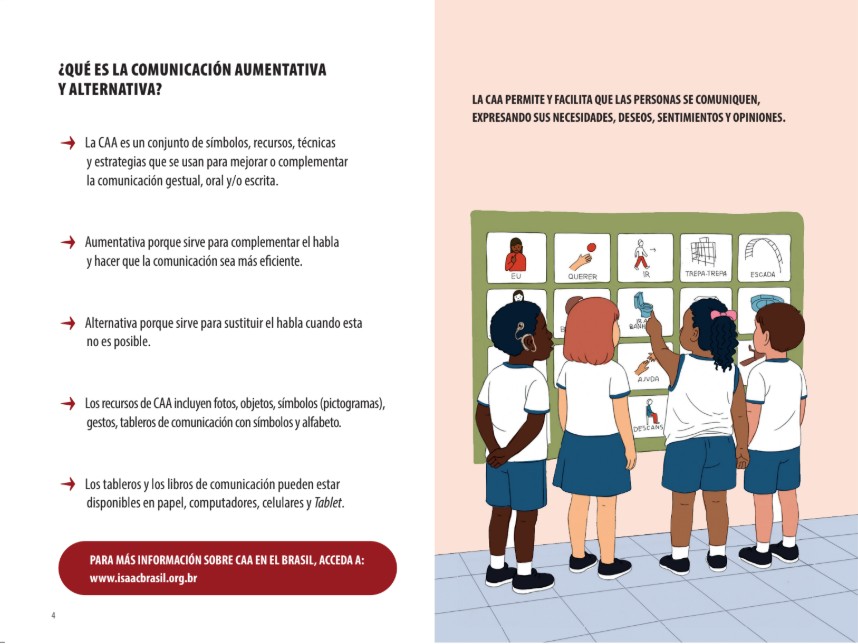
Augmentative and Alternative Communication (AAC) encompasses a wide array of tools and strategies—ranging from simple picture boards to sophisticated speech-generating devices—that support or replace natural speech for individuals who have difficulty communicating. According to global health estimates, millions of people worldwide experience significant communication disabilities due to conditions such as autism spectrum disorder, cerebral palsy, amyotrophic lateral sclerosis (ALS), and traumatic brain injuries.
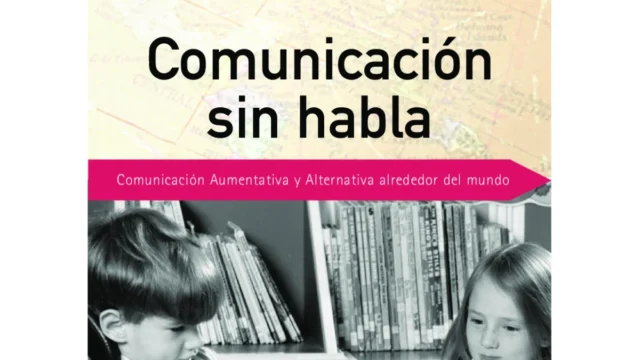
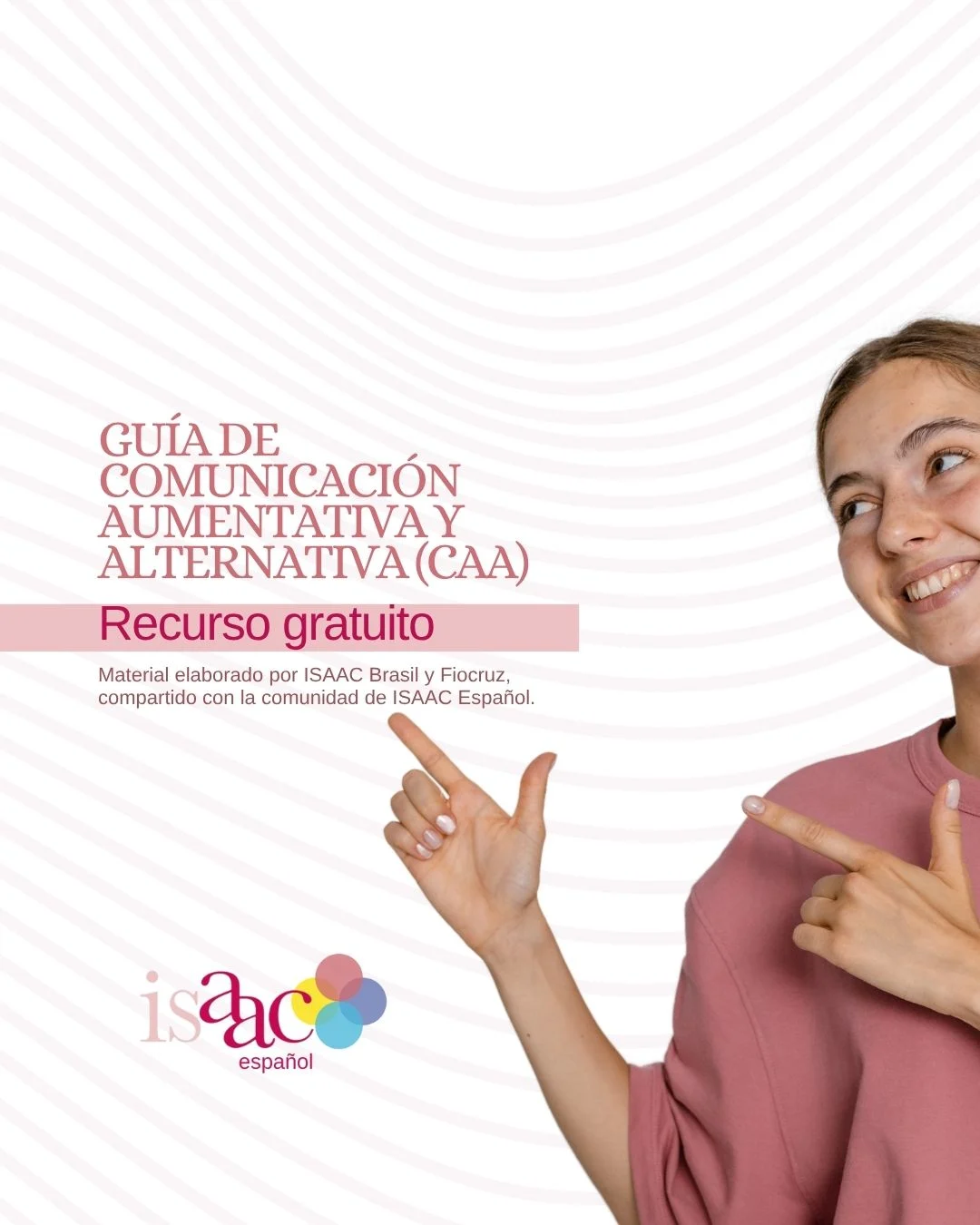
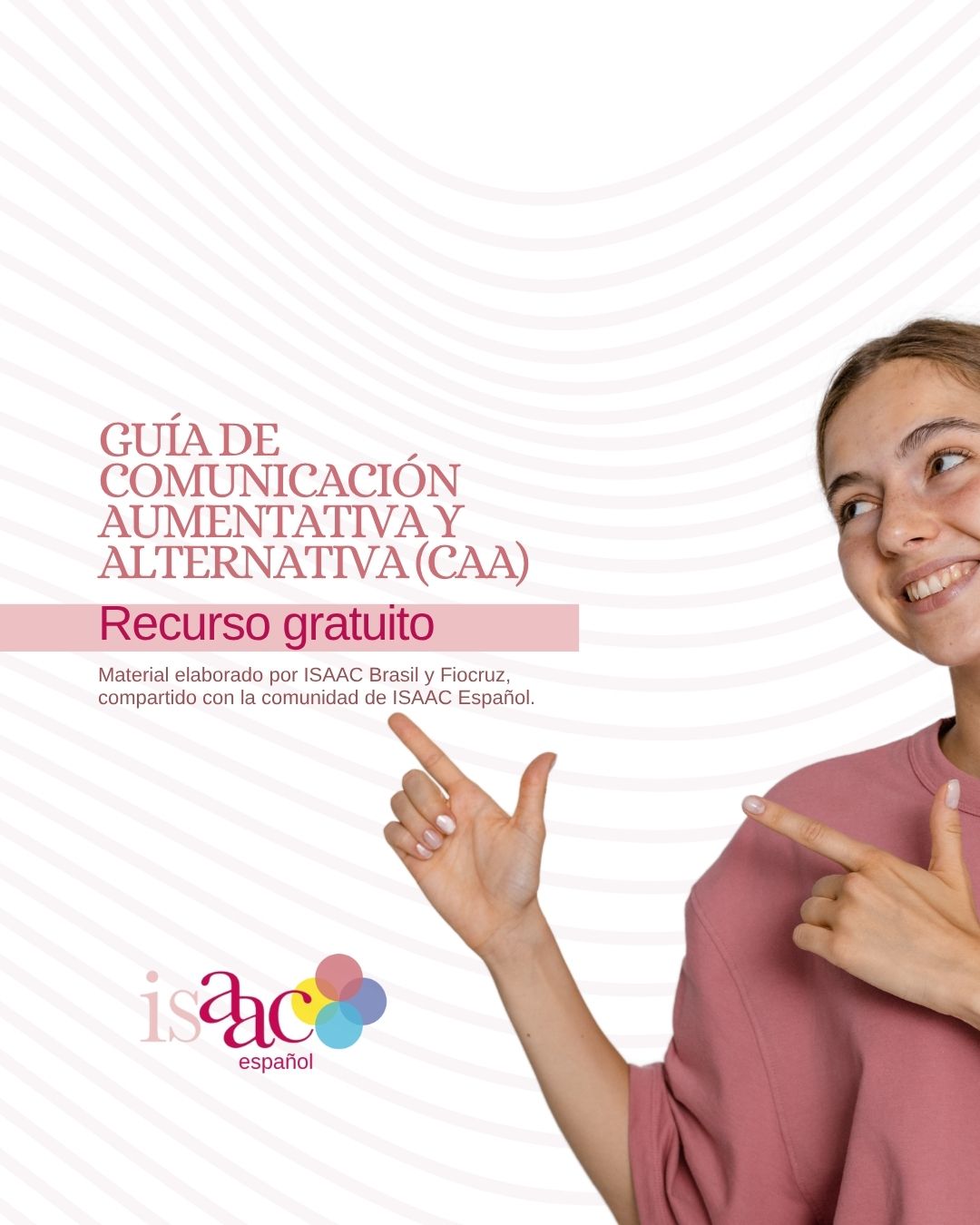
Despite the growing recognition of AAC as a fundamental human right, the availability of high-quality, evidence-based instructional materials in Spanish remains a significant barrier. The partnership between ISAAC Brazil and Fiocruz addresses this systemic gap by adapting foundational technical literature from Portuguese into Spanish. By providing this guide free of charge, the organizations seek to mitigate the socioeconomic disparities that often prevent non-verbal individuals from accessing necessary communication supports.
Chronology of the Project
The development of this guide was not an overnight endeavor but the culmination of a long-term research and advocacy cycle.
- Initial Research Phase (2023–2024): ISAAC Brazil and researchers at Fiocruz identified a critical lack of standardized, accessible literature for Spanish-speaking caregivers in Latin America and the Iberian Peninsula.
- Drafting and Peer Review (2025): Experts in linguistics, speech-language pathology, and disability rights synthesized existing clinical data to create a comprehensive framework. The content was vetted to ensure it reflected the lived experiences of AAC users.
- Localization (Early 2026): Translators and cultural consultants worked to ensure that the Spanish version maintained the clinical integrity of the original Portuguese text while remaining accessible to a broad audience, including those without a background in specialized therapy.
- April 2026 Release: The official publication of the guide was synchronized with international efforts to promote Disability Awareness Month, marking a strategic rollout intended to maximize reach through digital channels.
Supporting Data and Theoretical Foundations
The guide is structured to provide a robust overview of AAC implementation, moving beyond basic terminology to address the complexities of daily interaction. It operates on the principle that communication is a fundamental human right, a position supported by the United Nations Convention on the Rights of Persons with Disabilities (UNCRPD).
The content within the manual addresses several key pillars:
- Rights-Based Advocacy: Educating families on how to demand communication services within their local health and education systems.
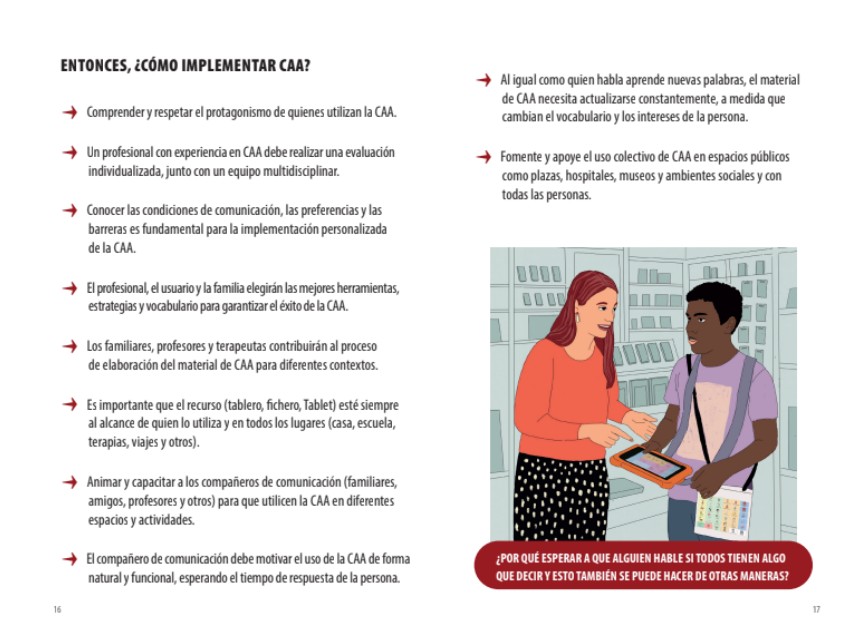
- Implementation Strategies: Providing step-by-step methodologies for "modeling," a technique where communication partners use the AAC system themselves to show the user how it functions in natural, conversational contexts.
- Myth-Busting: Addressing the common, scientifically debunked misconception that introducing AAC devices will inhibit or "stunt" the development of natural speech.
Data from the American Speech-Language-Hearing Association (ASHA) and global ISAAC affiliates consistently demonstrate that early intervention with AAC is strongly correlated with improved social-emotional outcomes, reduced behavioral challenges—which often stem from communication frustration—and increased participation in academic and vocational settings.

Institutional Perspectives
The collaboration between ISAAC Brazil and Fiocruz is particularly significant due to the stature of the participating organizations. Fiocruz, one of the world’s most prominent public health research institutions, provides a layer of institutional credibility that elevates the guide beyond a simple informational pamphlet.
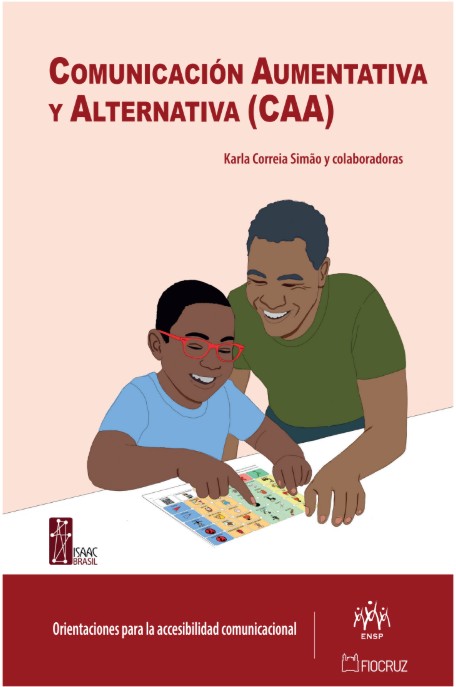
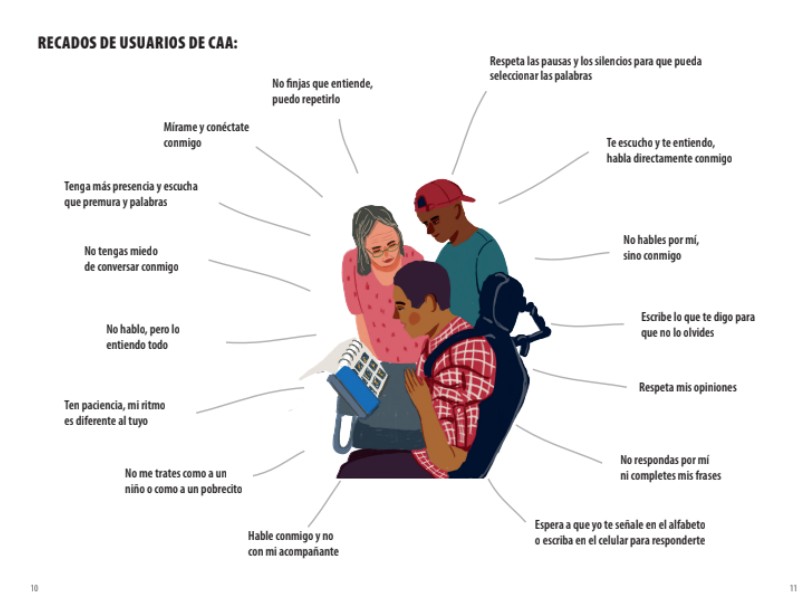
While official statements from the project leads emphasize the collaborative nature of the effort, industry observers note that the inclusion of illustrations featuring real AAC users is a major development. This design choice shifts the narrative from a clinical, sterile view of "patients" to a human-centric focus on "individuals." By centering the user experience, the guide serves not just as a manual, but as a validation of the diverse ways in which humans interact with the world.
Broader Impact and Implications for the Field
The release of this guide arrives at a time when digital health literacy is at an all-time high, yet the divide between urban centers and rural or underserved regions remains pronounced. The digital nature of this resource, which is accessible via QR codes and social media platforms like Instagram and Facebook, allows for rapid dissemination across borders.
Implications for Service Providers
For speech-language pathologists and special education teachers, this document provides a ready-made reference for parent training. By providing families with a professional-grade resource, practitioners can spend less time explaining basic concepts and more time customizing individual intervention plans.
Long-Term Societal Benefits
The ultimate goal of such initiatives is the creation of a "communication-accessible" society. When more families and teachers are trained in the basics of AAC, the social isolation often experienced by non-verbal individuals begins to decrease. Increased literacy in AAC allows for greater autonomy in medical decision-making, educational advancement, and social inclusion.
Furthermore, the shift toward open-access, bilingual resources sets a precedent for future international collaborations. As ISAAC and other global bodies continue to advocate for communication equity, the model established by this partnership—leveraging local institutional knowledge and translating it for broader regional benefit—is likely to be replicated for other languages and regions.
Accessing the Resource
For stakeholders, clinicians, and family members seeking to integrate these materials into their practice or daily life, the guide remains available through the official ISAAC Spanish social media channels. The organizers have encouraged the wide distribution of the file to ensure that both urban and remote communities have equitable access to the information.
As the global community continues to grapple with the complexities of inclusive design, resources like this serve as a necessary reminder that technology is only as effective as the community’s ability to use it. Through this initiative, ISAAC Brazil and Fiocruz have provided not just a document, but a tool for empowerment, ensuring that the fundamental right to communicate is supported by accessible, high-quality, and scientifically informed guidance.

The ripple effects of this release are expected to be felt throughout the coming year as advocacy groups begin to integrate the guide into their training workshops and outreach programs, further solidifying the standard of care for AAC users across the Spanish-speaking world.