Context and the Evolution of Digital Accessibility Standards
Digital Accessibility Week has grown from a series of disparate departmental workshops into a cohesive, nationwide effort involving the highest levels of the UK civil service. The timing of the 2026 event is particularly significant as the public sector continues to navigate the transition toward more complex digital interactions. The focus on "designing, developing and delivering" reflects a shift in the industry toward "shifting left"—a methodology where accessibility is integrated at the earliest stages of project conception rather than being treated as a final compliance check.
This initiative comes at a time when the legal landscape for digital services is becoming more stringent. The Public Sector Bodies (Websites and Mobile Applications) (No. 2) Accessibility Regulations 2018 set the foundation, but the 2026 event looks toward the future of these mandates. By aligning with GAAD, which was founded to get the design, development, and usability communities to think, talk, and learn about digital access and inclusion, the UK government reaffirms its position as a global leader in accessible governance.
A Comprehensive Four-Day Chronology of Learning
The 2026 program is structured to provide a logical progression of knowledge, beginning with foundational concepts and moving toward highly technical specialisms.
Monday, 18 May: Foundations and Future Frameworks
The week opens with a non-technical primer hosted by the Home Office. This session, "Introduction to Accessibility," is designed to build a baseline understanding across all roles, from policy writers to senior management. Following this, the Department for Work and Pensions (DWP) will provide an overview of assistive software, focusing on screen readers, screen magnifiers, and speech recognition tools. These technologies are the primary interfaces for millions of users with visual or motor impairments.
The afternoon session on Monday, led by the Government Digital Service (GDS), is perhaps the most anticipated for technical leads. It covers the transition to WCAG 3 (Web Content Accessibility Guidelines). While WCAG 2.2 has been the standard for several years, the move toward version 3 represents a fundamental change in how accessibility is measured, moving from a pass/fail checklist to a more nuanced scoring system that emphasizes the actual user experience.
Tuesday, 19 May: Inclusive Design and User Research
Tuesday’s agenda shifts the focus toward the user’s cognitive and social experience. His Majesty’s Revenue and Customs (HMRC) will lead a session on designing for autistic users. This is a critical area of growth, as cognitive accessibility often receives less attention than physical or sensory impairments. Data suggests that inclusive design for neurodiversity often simplifies the user journey for all citizens, reducing "cognitive load" and improving successful task completion rates.
The Ministry of Justice (MoJ) will explore the "untapped power of accessible innovation," arguing that accessibility requirements often act as a catalyst for better overall product design. This is followed by a joint session between HMRC and Ofcom, which will present recent research into digital media literacy and exclusion. Understanding the social factors that shape online participation is vital for departments that serve vulnerable populations.
Wednesday, 20 May: Technical Testing and Interactive Simulations
Mid-week sessions focus on the practicalities of verification. The Student Loans Company (SLC) will host a beginner-friendly session on accessibility testing, utilizing automated tools like WAVE alongside manual keyboard testing. This "hands-on" approach is designed to demystify the auditing process for non-specialists.
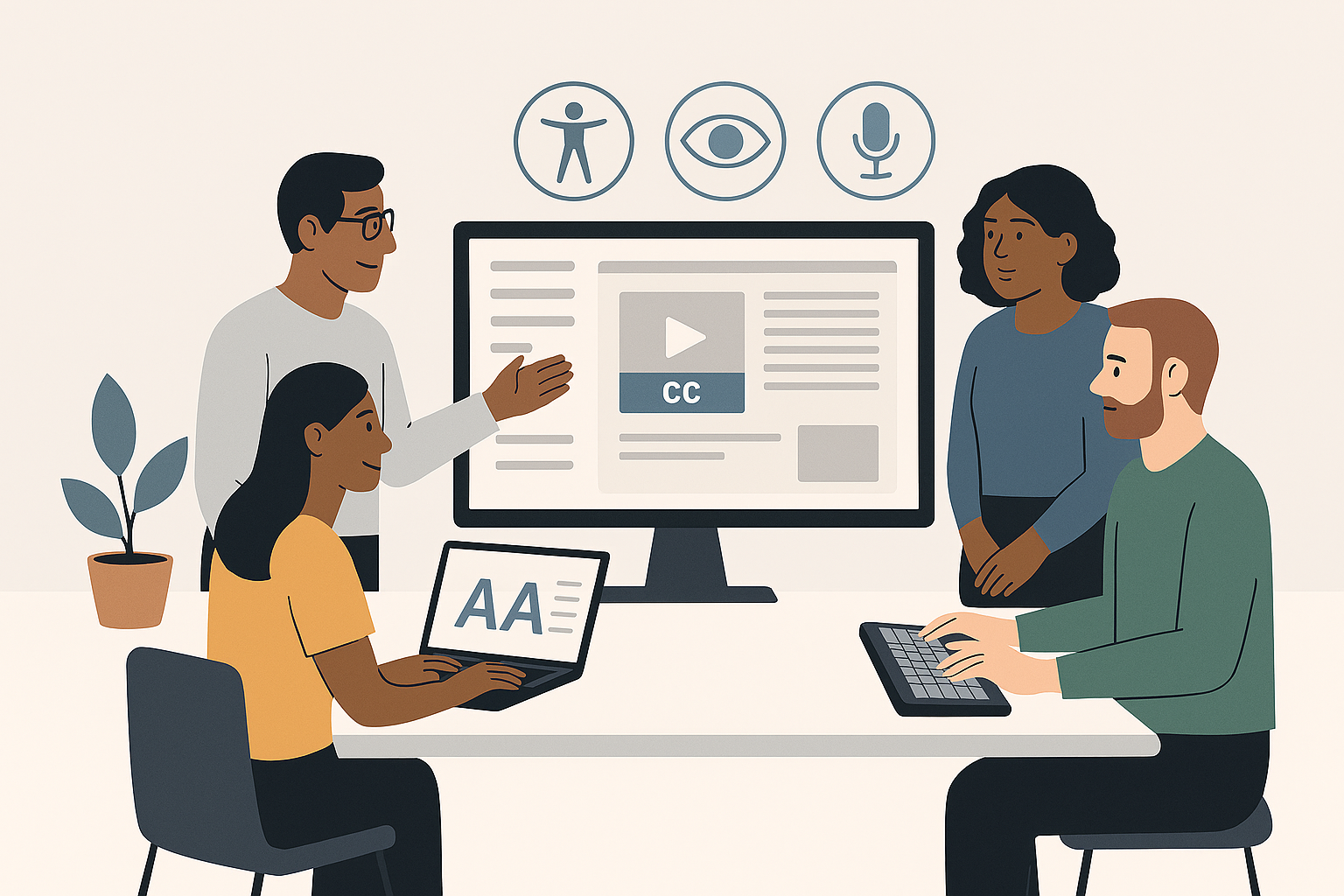
Innovation takes center stage with a session from the Department for Environment, Food & Rural Affairs (Defra) on accessibility in gaming. By demonstrating how gamers navigate complex environments blindfolded or with limited mobility, the session aims to inspire creative solutions for traditional digital services. The day concludes with practical guidance from the MoJ on running accessible meetings, ensuring that the internal culture of the civil service is as inclusive as its external services.
Thursday, 21 May: Compliance, Policy, and Professional Development
The final day, coinciding with GAAD, focuses on institutionalizing accessibility. The DWP will lead a technical workshop on creating accessible PowerPoint templates, a task that remains a frequent stumbling block in office environments. HMRC will then delve into the "quiet magic" of regulations, discussing the enforcement of WCAG 2.2 and how to advocate for accessibility within large organizations.
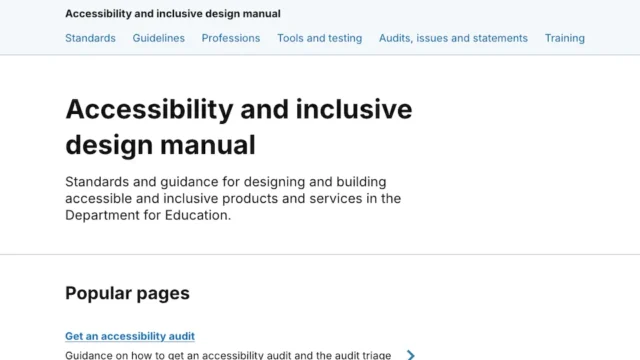
The week concludes with a look at the professionalization of the field. The Department for Education (DfE) will share insights into their Accessibility Statements Service and the role of the Accessibility Assessor in service assessments. Finally, a session on the Digital Accessibility Specialist apprenticeship highlights the growing career path for experts in this field, signaling that accessibility is no longer a "side task" but a core professional discipline.
Supporting Data: The Scale of the Digital Challenge
The necessity of Digital Accessibility Week is underscored by current demographic and performance data. According to the Office for National Statistics (ONS), approximately 16 million people in the UK reported having a disability in 2023, representing roughly 24% of the population. Furthermore, the "WebAIM Million" report—an annual accessibility analysis of the top one million homepages—consistently finds that over 95% of homepages have detectable WCAG 2 failures.
In the UK public sector, the stakes are even higher. Citizens often do not have a choice of service provider; they must use government portals to pay taxes, claim benefits, or renew licenses. If these services are inaccessible, it does not just represent a poor user experience—it constitutes a barrier to exercising legal rights and accessing essential support. Internal government data suggests that services designed with accessibility in mind from the start see a 20% reduction in support calls and "fail-states," where users must abandon an online journey to seek help via phone or in person.
Institutional Responses and Broader Implications
The broad participation across departments—including the MoJ, DWP, HMRC, and DfE—indicates a unified front in the push for digital equity. Spokespeople from various departments have noted that Digital Accessibility Week is not merely a training exercise but a strategic alignment. By sharing resources and research, the public sector can avoid duplicating efforts and establish a consistent "look and feel" for accessible services across the GOV.UK ecosystem.
Industry analysts suggest that the government’s rigorous approach to accessibility has a "halo effect" on the private sector. As civil servants move into the private sector and as vendors are required to meet high accessibility standards to win government contracts, the overall quality of the UK’s digital economy improves. The inclusion of private sector partners, such as Lloyds Bank in the Wednesday sessions, highlights the collaborative nature of this effort.
Analysis of Future Trends
As we look toward the remainder of the decade, the themes of Digital Accessibility Week 2026 suggest three major trends in the field:
- The Rise of Cognitive Accessibility: There is a clear movement beyond screen readers toward understanding how people with ADHD, autism, and dyslexia interact with digital content. This requires a rethink of layout, language, and timing.
- AI and Automation: While not the primary focus of every session, the background of these discussions often involves how Artificial Intelligence can both help (by generating alt-text or captions) and hinder (by creating non-standard interfaces) accessibility.
- Professionalization: The mention of apprenticeships and dedicated "Accessibility Assessors" indicates that accessibility is becoming a standard part of the project management office (PMO) and technical stacks, rather than an optional add-on.
Participation and Engagement
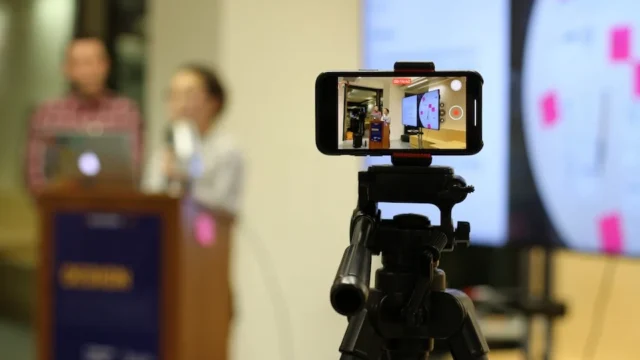
Digital Accessibility Week 2026 is primarily an internal professional development event for those working within the UK public sector. To maintain the security and relevance of the sessions, participants are required to register using official work email addresses. While not all sessions will be recorded due to the interactive nature of the workshops, the live timetable remains a dynamic document, with new sessions expected to be added as the event dates approach.
The government encourages all staff—regardless of their technical proficiency—to engage with at least one session. The ultimate goal is to foster a culture where accessibility is a shared responsibility, ensuring that the digital transformation of the UK continues to be a vehicle for empowerment rather than exclusion. For those involved in the delivery of public services, this week represents a vital opportunity to gain the practical skills necessary to meet the needs of a diverse and aging population.