
Guardian Introduces the ecoAnchor Portable Roof Anchor
In the realm of fall protection, the barrier to compliance often lies in the logistical burden of heavy, permanent equipment. Guardian’s launch of the ecoAnchor represents a strategic pivot toward non-penetrating, mobile solutions that prioritize both structural integrity and ease of deployment. Designed for low-slope roofing applications—defined as having a pitch of up to 5 degrees—the unit addresses a critical gap for contractors who require rapid setup without the long-term commitment of drilling into existing roof substrates.
The engineering behind the ecoAnchor is notable for its lightweight starting profile. At just 18 pounds when empty, the collapsible unit is highly portable, yet it reaches its functional capacity through on-site water ballast, which is typically filled within 10 minutes. This design choice serves a dual purpose: it minimizes shipping weight and logistical costs while providing a substantial, reliable anchor point. Compliant with OSHA 1910.140 and 1926.502, the anchor is rated for workers weighing up to 310 pounds, aligning with current industry standards for personal fall arrest systems (PFAS). By eliminating the need for roof penetrations, this system also mitigates the risk of long-term water infiltration and structural degradation, addressing the secondary liability concerns that property managers often face after safety installations.

ATG’s Sustainability Milestone: Achieving EcoVadis Platinum
While hardware and equipment are the visible components of safety, the corporate social responsibility (CSR) of the manufacturers producing this equipment has become a primary metric for procurement officers. ATG, a major force in hand protection, has achieved the EcoVadis Platinum rating, a distinction held by only the top 1% of the thousands of companies evaluated globally.
This rating is not merely a marketing accolade; it is a comprehensive audit of a company’s environmental management, labor practices, ethical sourcing, and procurement transparency. ATG’s performance in this assessment is bolstered by its rigorous adherence to ISO 14001 (environmental management) and ISO 14064-1 (greenhouse gas emissions) standards. The company’s recent data reveals a 51% reduction in greenhouse gas intensity, alongside an impressive 100% diversion rate for landfill waste. This shift reflects a broader industry movement wherein "safety" is no longer confined to the immediate protection of a worker’s hands, but extends to the environmental health of the communities where these products are manufactured. For industrial procurement departments, such certifications serve as a proxy for risk mitigation, ensuring that their supply chain partners are not prone to labor or environmental litigation.

OSCO Safety Expands Access Solutions with Industrial Rolling Stairs
Workplace organization and site accessibility remain persistent challenges in high-traffic industrial environments. OSCO Safety’s new line of industrial rolling stairs addresses the need for temporary, yet robust, elevated access. These units, which can be configured from one to 15 steps, are constructed from steel or aluminum, offering a flexible alternative to fixed staircases or ladders.
The design philosophy behind these rolling units centers on "shifting facility workflows." As manufacturing plants and warehouses increasingly move toward lean production models, the ability to reconfigure a workstation or access point on short notice is critical. By integrating these stairs with OSCO’s existing crossover towers and modular platforms, facility managers can create highly adaptable access paths. This modularity reduces the downtime usually associated with installing fixed, non-permanent infrastructure. Furthermore, the ergonomic benefits of stairs compared to ladders—such as improved handrail stability and reduced physical strain—are well-documented in injury prevention studies, making this an essential investment for companies aiming to lower their workers’ compensation costs.

Improving Workstation Safety with the EXAIR Model 5930 Air Holster
Small-scale inefficiencies often accumulate into significant safety risks. The introduction of the EXAIR Model 5930 Air Holster is a direct response to the "misplaced equipment" phenomenon. In busy manufacturing or assembly settings, safety air guns are frequently left on machine beds or near moving parts, creating potential tripping hazards or damage to sensitive tooling.
The magnetic mounting mechanism allows for a permanent "home" for air guns near mills, lathes, and assembly benches. By utilizing a full-length front opening, the holster accommodates a wide range of tool lengths, ensuring that the safety gun is always within reach but securely stored. From a safety standpoint, this simple accessory reduces the need for workers to reach into dangerous areas to retrieve dropped equipment. The implementation of such organizational tools is a hallmark of the "5S" methodology—Sort, Set in order, Shine, Standardize, and Sustain—which is widely recognized in the industrial sector for reducing accidents and increasing productivity.

The Hunter and Dunlop Partnership: Addressing Gender Gaps in PPE
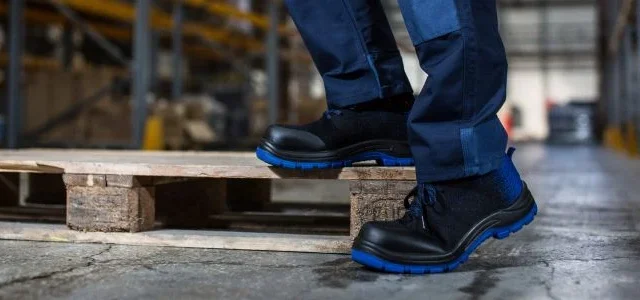
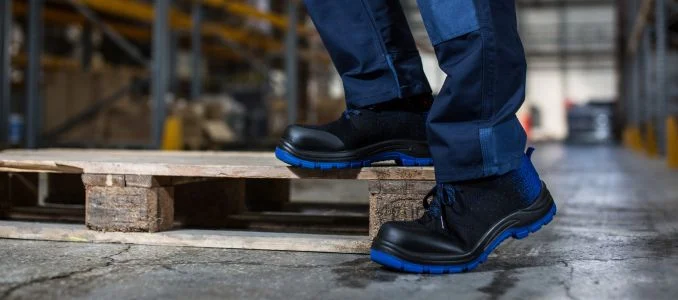
Perhaps the most significant development of the week is the partnership between Hunter and Dunlop Protective Footwear to introduce the first Hunter Safety Boot for women. Historically, the PPE market has been criticized for "shrink it and pink it" strategies, where women’s work boots were simply smaller versions of men’s footwear, often failing to account for the anatomical differences in heel width, arch height, and overall foot volume.
By utilizing Dunlop’s proprietary Purofort material, this new line addresses the critical intersection of comfort and protection. Purofort, which features a high-density structure of air pockets, provides thermal insulation and a lightweight, flexible fit that is vital for long shifts in industrial distribution centers or hazardous job sites. This development is a response to the growing demographic shift in the industrial workforce. As more women enter roles that require robust PPE, the industry is finally acknowledging that proper fit is a safety issue. An ill-fitting boot increases the risk of fatigue, trips, and musculoskeletal injuries. By focusing on ergonomics, Hunter and Dunlop are setting a new standard for inclusive safety gear.

Broader Implications and Industry Analysis
The collection of products announced this week highlights a maturing industrial sector that is no longer satisfied with "good enough." The integration of environmental sustainability (ATG), modular ergonomics (OSCO), and demographic-specific design (Hunter/Dunlop) suggests that the next generation of safety products will be evaluated on a multidimensional scale.
Safety managers and procurement professionals are increasingly being tasked with looking beyond the unit price. They must consider the Total Cost of Ownership (TCO), which includes the longevity of the equipment, the environmental footprint of the manufacturer, and the potential for reduced injury rates through better ergonomic design. For instance, the transition to water-filled anchors like the ecoAnchor reduces the long-term cost of roof repairs, while the adoption of ergonomic stairs and inclusive boots addresses the human capital cost of workplace injury and attrition.

Looking forward, we can expect this trend of "safety-plus" to continue. As technology advances, the line between operational efficiency and safety performance will become increasingly blurred. Companies that adopt these modular, sustainable, and inclusive solutions will likely see improvements not just in their safety metrics, but in their overall operational resilience. The products highlighted this week serve as a roadmap for this evolution, demonstrating that when safety is treated as a fundamental design principle rather than an afterthought, the entire industrial ecosystem benefits.