
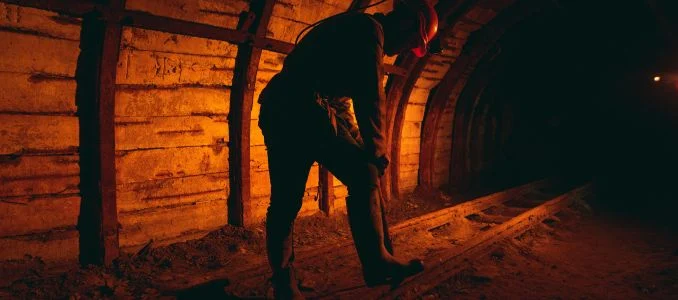
Hydrogen sulfide, a colorless and highly toxic gas, presents a multifaceted danger to miners. While it is naturally occurring—often associated with sulfur springs, volcanic activity, and the decomposition of organic matter—it is also a frequent byproduct of industrial processes and mining operations. In the context of underground mining, H2S can accumulate in stagnant pockets of air, abandoned drifts, or improperly ventilated manholes, creating environments where even brief exposure can lead to catastrophic health outcomes.
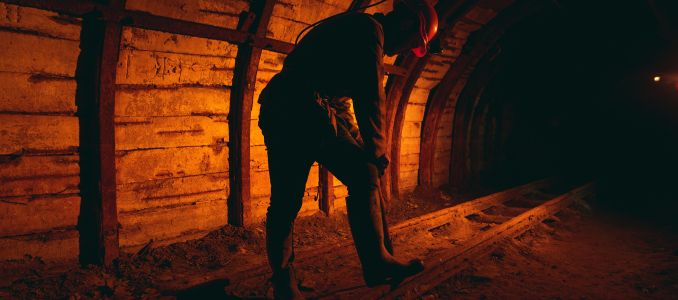
The Physiology of H2S Exposure: Why Smell Is Not a Safety Mechanism
A primary concern addressed in the MSHA advisory is the widespread, dangerous misconception that miners can rely on their sense of smell to identify an H2S leak. Under standard atmospheric conditions, hydrogen sulfide is characterized by a potent, unmistakable "rotten egg" odor. However, this sensory warning is deceptive and physically unreliable.
At low concentrations, the gas is easily detectable. Yet, as concentrations increase, H2S exerts a paralyzing effect on the olfactory nerves. Exposure to higher levels of the gas can cause "olfactory fatigue," a phenomenon where the nose becomes desensitized to the smell within seconds. Consequently, a miner may believe the hazard has dissipated when, in reality, the concentration of the gas has reached a point of imminent toxicity.
The clinical progression of H2S poisoning is rapid. At concentrations exceeding 100 parts per million (ppm), the gas causes severe respiratory irritation and systemic distress. Symptoms begin with dizziness, headache, fatigue, and disorientation, often impairing a worker’s ability to escape the affected area. At levels surpassing 500 ppm, the neurological impact becomes profound, often resulting in immediate loss of consciousness, pulmonary edema (fluid in the lungs), seizures, and rapid death. Because the gas inhibits cellular respiration—effectively preventing the body’s cells from utilizing oxygen—the damage is often irreversible if immediate intervention is not available.

Chronology and the Evolution of Mining Safety
The history of mining has been punctuated by atmospheric hazards, with hydrogen sulfide frequently appearing in incident reports spanning several decades. While major disasters are often attributed to methane explosions or coal dust, silent killers like H2S have historically accounted for a significant portion of preventable fatalities in confined, unventilated spaces.
Over the last decade, MSHA has tracked an increase in industrial accidents involving atmospheric contaminants in enclosed spaces. In 2021 and 2022, several localized reports of gas-related illness in mining and industrial tunneling operations prompted a review of current standard operating procedures. The data indicated that while ventilation systems were generally compliant with existing mandates, "micro-climates" or localized pockets of gas often bypassed these systems, particularly during maintenance or when workers entered abandoned areas of a mine.
The recent alert serves as an updated enforcement reminder. MSHA is signaling that while technology exists to mitigate these risks, the "human element"—specifically the failure to conduct pre-shift gas testing—remains the weakest link in the safety chain.

Data-Driven Safety: The Case for Continuous Monitoring
To combat the threat of H2S, MSHA is reinforcing the requirement for continuous, multi-gas detection. The agency posits that static, area-based monitors are insufficient for the modern, mobile workforce. Instead, every miner operating in high-risk zones should be equipped with personal, wearable gas detectors.
The data supports this shift. According to safety engineering models, a portable detector calibrated to alarm at 10 ppm—the current Permissible Exposure Limit (PEL) established by the Occupational Safety and Health Administration (OSHA) and adopted by MSHA—provides a crucial window for intervention. If a monitor sounds, it triggers an immediate evacuation protocol, long before the concentration levels reach the "IDLH" (Immediately Dangerous to Life or Health) threshold of 100 ppm.
Beyond detection, ventilation remains the cornerstone of mine safety. MSHA engineers argue that "dilution ventilation"—the practice of introducing high volumes of fresh air into the working face—is the only engineering control capable of preventing the accumulation of H2S. In instances where ventilation cannot be redirected to a specific pocket of gas, that area must be designated as a "no-entry zone" until remediation efforts, such as the use of portable scrubbers or localized fans, are completed.

Official Responses and Industry Implications
Industry associations, while supportive of the safety push, acknowledge the operational challenges posed by the MSHA alert. Mine operators often struggle with the balance between production demands and the rigorous downtime required for gas testing and ventilation adjustments.
"Safety is the primary metric by which we judge success," noted a spokesperson for a regional mining safety consortium. "However, the implementation of these alerts requires a significant capital investment in high-fidelity, wearable sensor technology. Our members are currently reviewing their fleet of detection devices to ensure they are not only current but also calibrated specifically for the nuances of H2S, which can sometimes interfere with other sensor types."
MSHA’s stance, however, remains firm: the cost of compliance is negligible when measured against the loss of life. The agency has indicated that inspectors will be paying closer attention to training records, ensuring that miners are not only provided with equipment but are also trained to interpret alarm signals and perform self-rescue procedures.

Broader Impact on Mining Operations
The implications of this health alert extend beyond the immediate safety of underground miners. It also affects risk management and insurance premiums for mining companies. An increase in reportable H2S-related illnesses or deaths can lead to increased regulatory scrutiny, higher compliance costs, and potential legal liabilities.
Furthermore, the alert highlights a growing trend in occupational safety: the move toward "smart" safety devices. Many mining companies are now looking into integrated systems where gas detectors are connected via wireless mesh networks to a central control room. This allows supervisors to monitor the atmospheric conditions of the entire mine in real-time, enabling them to remotely order evacuations if a spike in H2S or other hazardous gases is detected.
Conclusion: A Shift Toward Zero-Tolerance
As the mining industry continues to modernize, the methods used to protect the workforce must evolve in tandem. The MSHA’s warning regarding hydrogen sulfide is a stark reminder that even in an age of automation and advanced technology, the fundamental hazards of the subterranean environment remain unchanged.

The directive is clear: the reliance on human senses for gas detection is a practice of the past. The future of mining safety lies in the marriage of robust engineering, such as dynamic ventilation, and the absolute, non-negotiable use of digital instrumentation. By prioritizing these measures, the industry can work toward a goal where hazardous gas exposure is not merely managed, but entirely mitigated, ensuring that every miner returns to the surface safely at the end of their shift. The responsibility now rests with operators to translate this warning into tangible, daily practice.