A Journey Shaped by Resilience
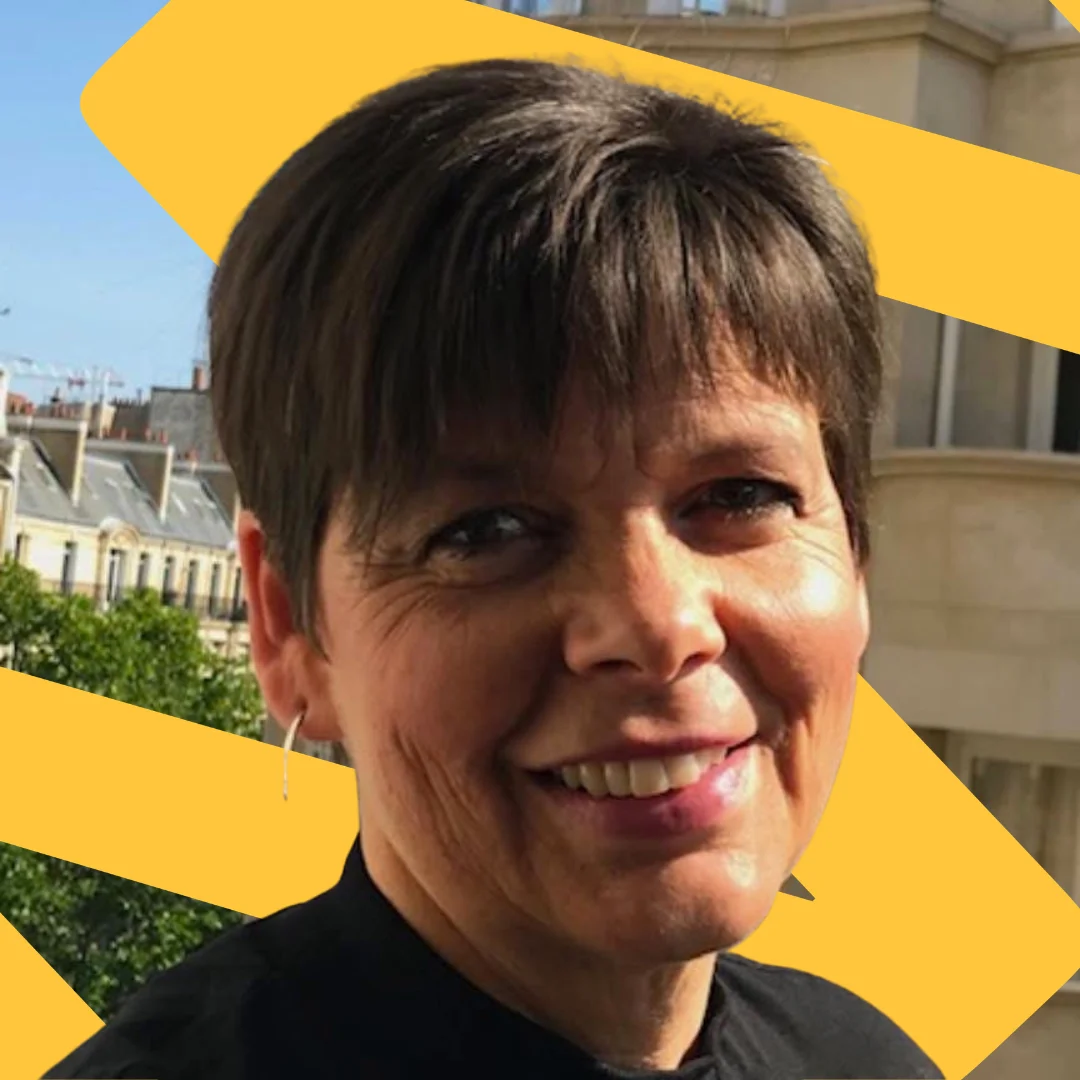
The onset of tinnitus for many is sudden and life-altering. For Mona, the condition emerged at the age of 20 as a lingering, permanent consequence of contracting meningitis. In the decades that followed, she underwent the arduous process of habituation—the neurological process by which the brain learns to filter out the phantom sound, reducing its impact on daily life.
Her experience mirrors that of millions. According to data from the British Tinnitus Association (Tinnitus UK), approximately one in seven adults in the UK experiences tinnitus. For a significant portion of these individuals, the condition is not merely a background annoyance but a source of severe distress, anxiety, and sleep disturbance. Mona’s path to adjustment was bolstered by a strong support system of peers and a proactive medical team that prioritized patient education. However, she notes that the environment for those newly diagnosed today is vastly different. Increased pressure on the National Health Service (NHS) has resulted in longer wait times for specialized consultations, often leaving patients in a state of limbo during the most vulnerable early months of their diagnosis.
The Catalyst for Action: The Power of Awareness
Despite three decades of living with the condition, it was an impulsive, dismissive comment from an acquaintance—"Tinnitus! Have you not got that sorted yet?"—that served as the final catalyst for Mona’s move into advocacy. This interaction highlights a broader societal challenge: the lack of public awareness regarding the complexity of tinnitus. It is not a condition that is simply "sorted" or "cured" with a singular intervention; rather, it requires a multifaceted approach involving psychological resilience, sound therapy, and lifestyle adjustments.
Recognizing that the world was in dire need of informed support, Mona transitioned into the role of a befriender and formal volunteer for Tinnitus UK. By launching a local support group in Southsea, she aimed to bridge the gap between clinical appointments and the day-to-day reality of managing a chronic auditory condition.
The Evolution of Peer Support Models
The efficacy of support groups in managing chronic conditions is well-documented in medical literature. Research suggests that peer-led support groups provide a unique "social capital" that clinical environments cannot replicate. While doctors and audiologists provide the technical framework for management, peers provide the experiential context.
In the Southsea support group, participants are encouraged to share their strategies for habituation, discuss the latest research, and navigate the psychological toll of their symptoms. This "new you" approach, as described by group members, focuses on reclaiming one’s quality of life rather than focusing solely on the reduction of the sound itself. The necessity of this model is underscored by current healthcare trends. With audiologists often limited by 15-to-20-minute appointment windows, the time required to discuss the nuances of cognitive behavioral therapy (CBT) or sound enrichment strategies is rarely available. Volunteers fill this void, providing a safe harbor where individuals can ask questions, seek validation, and find hope.
Supporting the Infrastructure of Care
Tinnitus UK serves as the national infrastructure for this volunteer network. The organization’s mission centers on providing evidence-based information while facilitating connections between researchers, clinicians, and those with lived experience.
For the volunteer, the labor is significant, yet the dividends are profound. Mona emphasizes that the reward lies in observing the transformation of attendees—watching individuals who enter a room feeling isolated and distressed leave with a sense of agency and optimism. This observational data is consistent with organizational reports from Tinnitus UK, which indicate that participants in their support networks report lower levels of perceived handicap and improved psychological outcomes over time.
The Broader Impact: Why Volunteering Matters
The implications of volunteer-led advocacy extend beyond the individual. By creating local hubs, volunteers like Mona are actively reducing the burden on primary care services. When patients feel supported and informed, they are less likely to seek repeated, unnecessary medical consultations for the same chronic symptoms, thereby allowing the NHS to focus resources on acute cases.
Furthermore, the involvement of volunteers in the research lifecycle is becoming increasingly vital. Tinnitus UK leverages its network of volunteers to bridge the gap between laboratory research and patient needs. By ensuring that researchers understand the lived reality of the patient, the charity helps steer the direction of future studies toward outcomes that are genuinely meaningful to the community.
A Call to Action for Future Advocates
The recruitment of volunteers remains a top priority for the charity. The demographic of a volunteer is broad, ranging from those who have successfully habituated and wish to "pay it forward," to students and professionals looking to develop their skills in social work and patient advocacy.
Mona’s message to prospective volunteers is direct: "Do it." She argues that the benefits are reciprocal. Beyond the altruistic satisfaction of helping others navigate a difficult diagnosis, volunteers gain invaluable communication skills, expand their professional and social networks, and become part of a movement that is actively shaping the future of hearing health.
Sustaining the Future of Tinnitus Management
As we look toward the future, the integration of digital health tools, tele-audiology, and robust community networks will define the next chapter of tinnitus management. The work being done in Southsea and across the UK by Tinnitus UK volunteers is a microcosm of a larger, necessary shift in healthcare.
The success of these initiatives relies on a continuous pipeline of volunteers who are willing to dedicate their time and empathy to a cause that is often invisible to the outside world. With public awareness campaigns gaining momentum and a growing body of evidence supporting the efficacy of peer-led interventions, the role of the volunteer is more critical than ever.
In summary, the story of Mona is not just one of personal triumph over a sensory challenge; it is a testament to the power of community-led action. By transforming personal experience into a framework for public service, volunteers are ensuring that no one has to face the isolating silence—or the persistent noise—of tinnitus alone. As the healthcare sector continues to evolve, the partnership between organizations like Tinnitus UK and their volunteer base will remain an essential component of the nation’s health and wellbeing strategy, proving that the most effective medicine is often a combination of expert care and the hand of a friend.