
The Biological Link Between Metabolic Stress and Neurodegeneration
For decades, the medical community has observed that systemic conditions such as type 2 diabetes, hypertension, and obesity are significant risk factors for cognitive decline. However, the ASU study, conducted in collaboration with the Banner Sun Health Research Institute and the Mayo Clinic, provides evidence that these effects are measurable in the blood of young adults long before behavioral symptoms like memory loss or confusion appear. The research focused on 30 participants in their 20s and 30s, comparing those with a healthy body mass index (BMI) to those classified as obese.
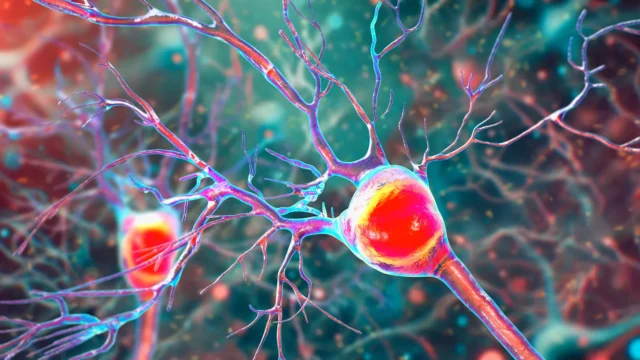
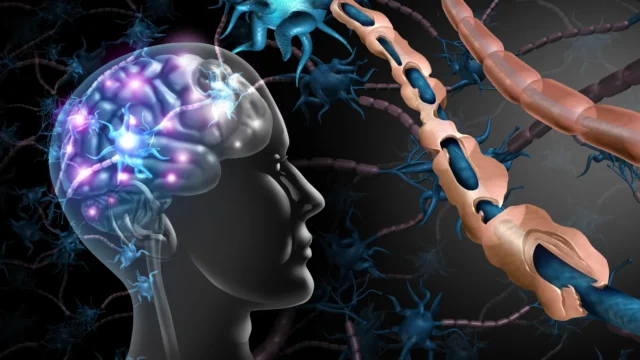
The findings revealed that young adults with obesity exhibited significantly higher levels of neurofilament light chain (NfL). NfL is a protein found within the axons of neurons; when these brain cells are damaged or die, the protein leaks into the cerebrospinal fluid and eventually the bloodstream. In clinical settings, elevated NfL is considered a reliable "canary in the coal mine" for neurodegeneration, often seen in patients with multiple sclerosis, Amyloid-beta pathology, and symptomatic Alzheimer’s disease. To see these markers elevated in a cohort of otherwise healthy 20-year-olds suggests that obesity initiates a "silent" phase of brain strain that mimics the early stages of much older, cognitively impaired populations.
The Role of Choline: A Critical Nutritional Deficit
A primary focus of the ASU research team, led by Ramon Velazquez of the ASU-Banner Neurodegenerative Disease Research Center, was the role of choline. Choline is an essential nutrient that the body uses to produce acetylcholine, a neurotransmitter vital for memory, mood, and muscle control. It is also a fundamental component of cell membranes and plays a key role in processing fats and preventing the buildup of fat in the liver.
The study found that young adults with obesity had markedly lower circulating levels of choline compared to their healthy-weight counterparts. These low levels were not isolated occurrences; they correlated directly with higher markers of liver stress, insulin resistance, and systemic inflammation. Furthermore, the data indicated a gender-specific trend: women in the study displayed lower choline levels than men. This is particularly significant to researchers because women historically face a higher risk of developing Alzheimer’s disease, and choline status may be a contributing factor to this disparity.
"This research adds to the growing evidence that choline is a valuable marker of metabolic and brain dysfunction," stated Velazquez. He noted that the findings coincide with a series of recent reports linking choline deficiency to behavioral issues, including increased anxiety and memory impairment, suggesting that the nutrient acts as a protective shield against the metabolic pressures exerted by obesity.
Analyzing the "Liver-Brain Axis"
The study highlights the "liver-brain axis," a concept in which the health of the metabolic system directly dictates the health of the central nervous system. When the body carries excess adipose tissue (fat), it often leads to non-alcoholic fatty liver disease (NAFLD) and chronic low-grade inflammation. The ASU researchers measured elevated levels of inflammatory cytokines and liver enzymes in the obese cohort, indicating that the body was in a state of constant metabolic stress.
This stress appears to trigger a cascade effect. Inflammation in the body can weaken the blood-brain barrier, allowing inflammatory markers to enter the brain and potentially damage neurons, leading to the release of NfL. The presence of adequate choline levels seems to mitigate this process by supporting liver function and reducing systemic inflammation. However, according to national nutrition surveys, a staggering majority of the American population—particularly teenagers and young adults—fails to meet the Daily Value (DV) for choline. The recommended intake is approximately 550 mg per day for men and 425 mg for women, yet dietary habits often fall short of these targets.
Chronology of Scientific Inquiry: From Rodents to Humans
The human study at ASU did not emerge in a vacuum. It was preceded by years of animal model research that established a baseline for how choline affects the brain. In earlier rodent studies, researchers found that mice deprived of dietary choline developed symptoms of obesity and metabolic syndrome even without a high-calorie diet. More importantly, these choline-deficient mice showed accelerated Alzheimer’s-like pathology, including the buildup of amyloid plaques in the brain.
The current study represents a critical transition from laboratory models to human clinical observation. By comparing the biomarkers of young obese adults with those of an older cohort diagnosed with Mild Cognitive Impairment (MCI) and Alzheimer’s, the researchers identified a striking overlap. The pairing of low choline and high NfL was a consistent signature across both groups, suggesting that the "biological clock" of Alzheimer’s might start ticking in the presence of metabolic dysfunction, regardless of chronological age.
Implications for Modern Weight-Loss Interventions
The timing of this study is particularly relevant given the global surge in the use of GLP-1 receptor agonists, such as semaglutide (Ozempic, Wegovy) and tirzepatide (Mounjaro). While these medications are highly effective at inducing weight loss and improving cardiovascular health, they work primarily by suppressing appetite and slowing gastric emptying.
The ASU research team expressed concern that patients on these medications may inadvertently exacerbate a choline deficiency. Because these individuals eat significantly less food, the density of nutrients becomes paramount. If a patient loses weight but does not consume enough choline-rich foods—such as eggs, fish, and cruciferous vegetables—they may improve their outward appearance while still leaving their brain vulnerable to the neurodegenerative markers identified in the study. The authors suggest that future clinical trials for weight-loss drugs should incorporate nutritional monitoring to ensure that metabolic "success" is matched by neurological protection.
Public Health and Preventive Strategy
The broader implications of the study suggest a need for a paradigm shift in how neurodegenerative risk is assessed. Currently, Alzheimer’s screenings are rarely performed on individuals under the age of 65. However, if biological markers like NfL and choline status can predict long-term risk in one’s 20s, it opens the door for decades of preventive intervention.
"Our results suggest that, in young adults, good metabolic health and adequate choline contribute to neuronal health, laying the groundwork for healthy aging," said Jessica Judd, a co-author of the study. This sentiment is echoed by first co-author Wendy Winslow, who emphasized that dietary changes are an accessible and cost-effective way to combat the early biological signs of aging.
From a public health perspective, the data suggests that addressing the "choline gap" could be a vital component of neuroprotective strategies. Foods high in choline include:
- Eggs: One of the most concentrated sources of choline.
- Liver and Meat: Beef liver and chicken breast are significant sources.
- Seafood: Salmon and cod provide both choline and omega-3 fatty acids.
- Plant-based sources: Beans, peas, and cruciferous vegetables like broccoli and Brussels sprouts.
Future Research Directions
While the ASU study provides a compelling snapshot of the link between obesity, choline, and brain markers, the researchers acknowledge that the study does not yet establish direct causation. The next phase of research will likely involve longitudinal studies that follow young adults over several decades to see if those with high NfL and low choline levels indeed develop cognitive impairment at higher rates.
Additionally, clinical trials may explore whether choline supplementation can reverse the elevation of NfL in young adults with obesity. If a simple nutritional intervention can lower the markers of neuronal damage, it would provide a powerful tool in the fight against the growing Alzheimer’s epidemic.
As the global population faces rising rates of obesity, the ASU-led study serves as a sobering reminder that the health of the body and the health of the mind are inextricably linked. By identifying these "early warning signals" in the blood of young adults, scientists are moving closer to a future where neurodegenerative diseases are not just treated in their final stages, but prevented at their very origin.