The Context of Auditory Risk in Modern Music
The necessity for such a partnership is underscored by compelling public health data. Scientific consensus indicates that exposure to loud sound—frequently defined as sustained exposure above 85 decibels—remains one of the most common and entirely preventable causes of hearing damage and tinnitus. According to current health statistics, approximately one in seven adults in the United Kingdom currently navigates the complexities of living with tinnitus, a condition characterized by a persistent ringing or buzzing in the ears. The demographic skew is particularly acute within the music industry itself; research suggests that one in three professional musicians will experience some form of hearing-related impairment during their career due to constant, high-intensity sound environments.
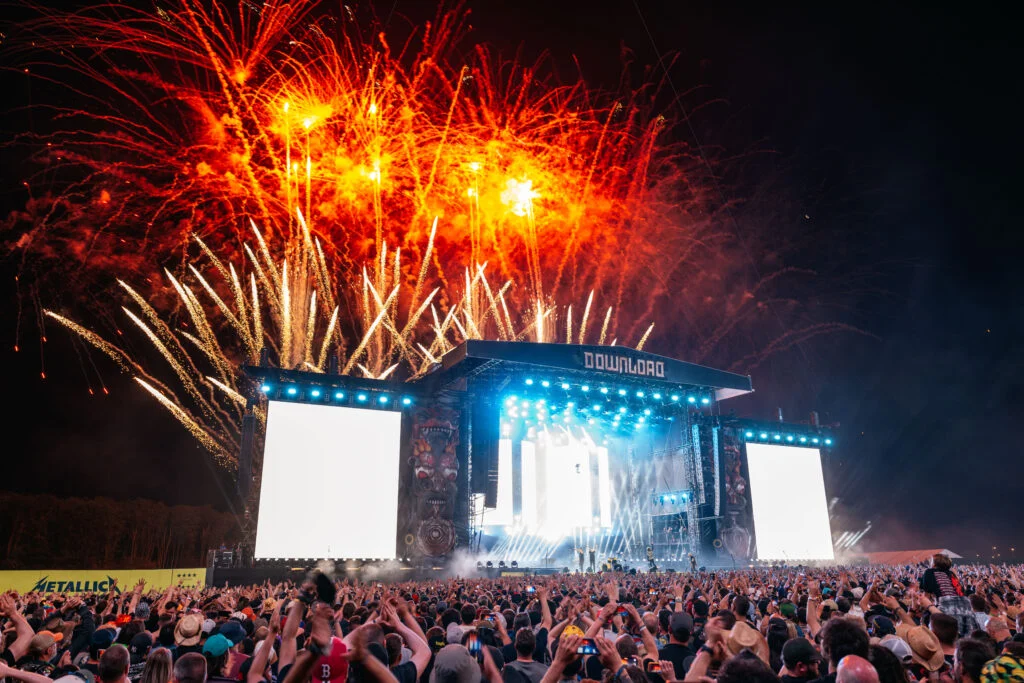
Historically, the live music industry has viewed hearing protection as an optional accessory, often treated as an afterthought by concertgoers and stage personnel alike. The partnership between Tinnitus UK and Live Nation, the parent company of Download Festival, marks the first time such an extensive, on-site collaboration has been deployed to shift this paradigm, moving beyond mere advocacy toward tangible, everyday implementation.
Chronology of the 2026 Initiative
The campaign was structured into a multi-day engagement strategy designed to maximize visibility among the festival’s diverse audience. In the weeks leading up to the festival, Tinnitus UK utilized the awareness built during the February 2026 Tinnitus Week to prime the public for the Download activation. Upon the festival’s commencement in June, the operation shifted from digital awareness to physical presence.
On the ground, the collaboration implemented a series of accessibility upgrades. These included the widespread availability of free earplugs at key service points, ensuring that protection was not a financial barrier for fans. Furthermore, the festival expanded its commitment to inclusivity by integrating British Sign Language (BSL) interpretation and specialized hearing loops at major stages. This infrastructure allowed attendees with existing hearing impairments to engage more fully with the performance, while simultaneously signaling to the wider audience that hearing health is an essential component of the festival experience.
Insights from the Frontline: Artist Perspectives
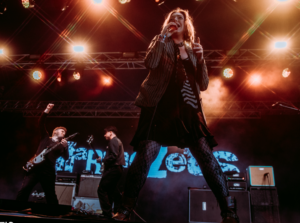
The success of the initiative was largely measured by the candid testimonies provided by artists performing at the event. These insights bridge the gap between abstract health risks and the reality of professional performance. Alice, lead vocalist of Lake Malice, emphasized the importance of auditory recovery, noting that her personal routine relies on periods of silence and the use of high-fidelity, custom-molded in-ear monitors. "I listen to ASMR and quiet time helps me so much," Alice shared, highlighting that hearing health requires a holistic approach that extends far beyond the stage.
The shift in professional attitude was perhaps best articulated by Becca of the band Marmozets, who noted a generational change in how artists approach their long-term health. "We’ve been doing this a while and now we really understand the importance of hearing protection," she remarked. Her habit of keeping earplugs attached to her keys reflects a broader movement toward normalizing protective measures as part of the standard toolkit for any working musician.
The testimony from As It Is members, Ali and Foley, provided the most sobering evidence for the necessity of early intervention. Foley, who suffers from significant hearing loss and perforated eardrums due to decades of unprotected exposure, offered a poignant warning: "If I could rewind the clock, I would have protected my ears more efficiently earlier on. When the damage is done, it’s done." This sentiment was echoed by influencers and creators like Robyn Ward—The Metal Therapist—who emphasized that regardless of one’s level of experience, the primary objective must be consistent, readily available protection.
Data-Driven Analysis of Protective Measures
The implication of these artist-led discussions is clear: the culture of "toughing it out" is being replaced by a culture of "protecting for longevity." From a clinical perspective, the use of high-fidelity earplugs—which reduce the volume of sound without significantly muffling the frequency spectrum—is the gold standard for concert attendees.
When analyzing the effectiveness of the Download Festival partnership, researchers look at the "normalization effect." By offering free earplugs, the festival removes the stigma associated with wearing them. As influencers like Stephanie noted, modern hearing protection has even transitioned into a fashion statement, with aesthetic designs that blend into festival attire. This social integration is crucial; when protective behavior becomes a visible norm within a subculture, adoption rates climb significantly.
Broader Implications for the Live Music Industry
The collaboration between Tinnitus UK and Live Nation sets a precedent that other major promoters are likely to observe closely. If the world’s largest festivals can successfully integrate hearing health into their operational models without compromising the energy or "vibe" of the music, it creates a template for smaller venues and local promoters.
The economic and social implications are significant. For promoters, reducing the risk of noise-related litigation or negative health outcomes among staff and fans creates a more sustainable business model. For the audience, it ensures that the "unforgettable memories" of live music are not shadowed by the onset of a life-altering condition.
Furthermore, the integration of BSL and hearing loops confirms that the industry is moving toward a more inclusive definition of accessibility. It recognizes that "accessibility" is not just about physical mobility, but about the quality of the sensory experience for every individual in the crowd.
Future Outlook and Strategic Recommendations
Looking beyond the success of the 2026 event, the partnership serves as a proof-of-concept for future advocacy. Tinnitus UK’s strategy of meeting the audience where they are—rather than relying solely on clinical advice in a vacuum—has proven highly effective. The data gathered from the festival, including the engagement rates with the earplug distribution centers and the social media reach of the artists’ interviews, provides a robust dataset for future campaigns.
To maintain this momentum, the industry should consider the following steps:
- Standardization of Protective Availability: Making earplugs a mandatory fixture at all major live music events, similar to the availability of water stations.
- Education Campaigns for Emerging Artists: Partnering with music colleges and rehearsal studios to teach young musicians the risks of early exposure before they enter the professional touring circuit.
- Technological Advancements: Continued investment in sound engineering that maintains the impact of bass and treble while limiting the peak decibel levels that cause the most significant damage.
In conclusion, the presence of Tinnitus UK at Download 2026 was not merely a public relations exercise; it was a necessary intervention in an industry that has long overlooked the health of its most valuable asset: the ears of its listeners and performers. By framing hearing protection as a vital component of the live music experience, the festival has helped initiate a shift that will likely ripple across the entire industry. As the conversation matures, the goal remains straightforward: to ensure that the joy of live music remains a sustainable, life-long pursuit, untainted by the preventable silence that often follows years of unprotected exposure. The partnership stands as a blueprint for how major cultural institutions can effectively prioritize the well-being of their communities, proving that the loudest experiences can, and should, be the safest.