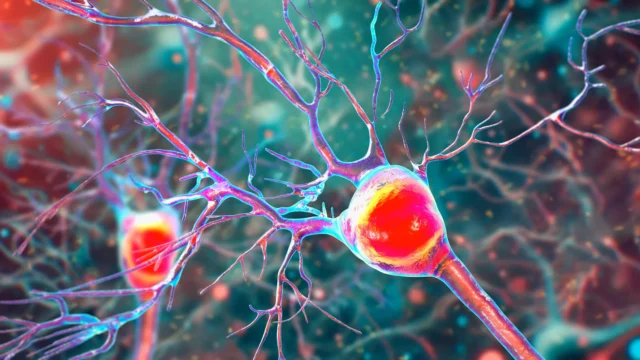

The findings, published in the journal Aging and Disease, challenge the traditional view of Alzheimer’s as a condition primarily of the elderly. Instead, the data points to a systemic "neuro-metabolic" crisis that begins in early adulthood, driven by inflammation, liver strain, and poor nutritional status. This discovery carries profound implications for public health, particularly as global obesity rates continue to climb and new classes of weight-loss medications change the way society approaches metabolic health.
The Early Biological Footprint of Neurodegeneration
For years, the scientific community has recognized a correlation between mid-life obesity and late-life cognitive decline. However, the ASU-led study provides some of the first concrete evidence that this process is active in the third and fourth decades of life. The researchers focused on Neurofilament light chain (NfL), a structural protein found within the axons of neurons. When brain cells are damaged or die, NfL leaks into the cerebrospinal fluid and eventually the bloodstream.
In the study’s cohort of young adults, those with obesity showed significantly higher circulating levels of NfL compared to their healthy-weight peers. This elevation occurred despite the absence of any observable cognitive symptoms or behavioral changes. The presence of NfL in such young subjects is considered a "silent" warning sign; in clinical settings, high NfL levels are typically associated with traumatic brain injury, multiple sclerosis, or the advanced stages of Alzheimer’s disease.
The research team noted that these markers did not exist in isolation. The elevated NfL levels were closely correlated with markers of systemic inflammation, such as C-reactive protein and various cytokines, as well as enzymes indicating liver stress. This suggests that the brain is not an isolated organ but is deeply affected by the "metabolic crosstalk" occurring between the liver, the adipose tissue (fat), and the vascular system.
The Critical Role of Choline in Brain Homeostasis
One of the most significant revelations of the study involves choline, an essential nutrient that the human body requires for various critical functions, including the maintenance of cell membrane integrity and the production of acetylcholine—a neurotransmitter vital for memory, mood, and muscle control.
The researchers found that young adults with obesity had markedly lower blood levels of choline. This deficiency was not merely a nutritional footnote; it was directly linked to the severity of their metabolic and brain-stress markers. Participants with the lowest choline levels exhibited the highest signs of insulin resistance, liver-enzyme elevation, and NfL concentrations.
"This research adds to the growing evidence that choline is a valuable marker of metabolic and brain dysfunction," stated Ramon Velazquez, the study’s lead author and a researcher at the ASU-Banner Neurodegenerative Disease Research Center. Velazquez emphasized that several recent reports have further linked reduced blood choline to behavioral changes, including anxiety and memory impairment, reinforcing the idea that choline is a pillar of human health across the lifespan.
While the liver can produce small amounts of choline, the vast majority must be acquired through diet. However, national nutrition surveys, including the National Health and Nutrition Examination Survey (NHANES), indicate that approximately 90% of the American population fails to meet the recommended daily intake. The ASU study suggests that for those struggling with obesity, this nutritional gap may accelerate the biological aging of the brain.
Gender Disparities and Cognitive Vulnerability
The study also highlighted a notable gender difference: women in the cohort had lower choline levels than men. This finding is particularly concerning given that women are disproportionately affected by Alzheimer’s disease, accounting for nearly two-thirds of all cases.
Biological factors, including the drop in estrogen during menopause, are known to influence choline metabolism, as estrogen helps the body produce its own choline. The discovery that young women already face lower circulating levels of this nutrient suggests a long-term vulnerability that may contribute to the higher rates of cognitive aging seen in the female population. Researchers suggest that targeted nutritional interventions early in life could be a key strategy in narrowing this health gap.
The Liver-Brain Axis: A New Frontier in Research
The ASU study contributes to the emerging understanding of the "liver-brain axis." Historically, the liver was viewed primarily as a digestive and detoxifying organ. However, it is now understood to be a central regulator of metabolic health that communicates directly with the brain through inflammatory signaling and the regulation of essential nutrients.
In the young adults studied, markers of liver strain—often associated with Non-Alcoholic Fatty Liver Disease (NAFLD)—were prevalent among those with obesity. When the liver is under stress, it produces inflammatory proteins that can cross the blood-brain barrier, leading to neuroinflammation. Furthermore, because the liver is a primary site for choline processing, liver dysfunction can create a vicious cycle where the body becomes less efficient at utilizing the choline it does receive, further starving the brain of the resources it needs for repair and maintenance.
Implications for Modern Weight-Loss Therapies
The study arrives at a time when GLP-1 receptor agonists, such as semaglutide (Ozempic/Wegovy) and tirzepatide (Mounjaro/Zepbound), have become mainstream treatments for obesity. While these drugs are highly effective at reducing weight and improving cardiovascular markers, they work primarily by suppressing appetite.
The researchers, including first co-author Wendy Winslow, raised an important caution regarding these medications. Rapid weight loss and significantly reduced food intake can lead to "hidden hunger"—a state where a person loses weight but becomes deficient in essential micronutrients like choline.
"Most people don’t realize they aren’t getting enough choline," Winslow noted. The study suggests that as patients utilize these new medications, healthcare providers must ensure that the quality of the remaining diet is high. Without adequate choline, the metabolic benefits of weight loss might be undercut by continued nutritional stress on the brain and liver. The authors called for future clinical trials to investigate whether supplementing GLP-1 therapies with choline could optimize long-term cognitive outcomes.
Study Design and Comparative Analysis
The research was meticulously structured to compare the biological profiles of 30 adults in their 20s and 30s. The cohort was split evenly between individuals with a Body Mass Index (BMI) in the "obese" category and those with a "healthy" BMI. By using fasting blood samples, the team analyzed a comprehensive panel of biomarkers, including:
- Metabolic Markers: Insulin, glucose, and lipid profiles.
- Inflammatory Markers: Cytokines and C-reactive protein.
- Organ Health: Liver enzymes (ALT/AST).
- Neurological Markers: Neurofilament light chain (NfL).
To validate the significance of their findings, the team compared the data from these young adults to a separate dataset of older adults diagnosed with Mild Cognitive Impairment (MCI) or Alzheimer’s disease. The results were striking: the correlation between low choline and high NfL in the obese young adults mirrored the patterns seen in the elderly patients with clinical cognitive decline. This suggests that while the young adults had no outward symptoms, their internal biological environment was beginning to resemble that of a much older, cognitively impaired brain.
Public Health Context: A Growing Crisis
The implications of this study are amplified by current demographic trends. According to the Centers for Disease Control and Prevention (CDC), the prevalence of obesity in the United States among adults aged 20 to 39 is approximately 40%. If the biological changes identified by the ASU team are widespread, it suggests that a significant portion of the younger generation may be at an elevated risk for early-onset cognitive issues.
Furthermore, the economic burden of Alzheimer’s disease is projected to reach $1.1 trillion by 2050. Shiftng the focus from late-stage treatment to early-life prevention through metabolic and nutritional intervention is increasingly seen as the only viable way to mitigate this looming crisis.
Nutritional Strategies for Brain Protection
While the study’s findings are a cause for concern, they also offer a clear path for intervention. Choline is found in a variety of common foods, yet many modern diets—particularly those high in ultra-processed foods—are devoid of it.
Rich dietary sources of choline include:
- Animal Proteins: Whole eggs (the yolk is the primary source), beef liver, poultry, and fish.
- Plant Sources: Beans, soybeans, and cruciferous vegetables like broccoli, cauliflower, and Brussels sprouts.
- Supplements: Choline bitartrate or alpha-GPC are available for those unable to meet requirements through food alone.
"Our results suggest that, in young adults, good metabolic health and adequate choline contribute to neuronal health, laying the groundwork for healthy aging," says Jessica Judd, a co-author of the study. The researchers advocate for a more proactive approach to nutrition, where choline intake is monitored as closely as protein or fiber, especially in populations at risk for metabolic disorders.
Conclusion and Future Directions
The ASU-led research represents a shift in neurodegenerative science, moving the "window of opportunity" for Alzheimer’s prevention back by several decades. By identifying that brain cell injury (NfL) and nutrient depletion (choline) occur in the 20s and 30s in the context of obesity, the study provides a new set of biomarkers for clinicians to monitor.
Ongoing research at the ASU-Banner Neurodegenerative Disease Research Center will continue to follow these cohorts to see if nutritional interventions can reverse the elevation of NfL and improve metabolic resilience. For now, the message to the public and the medical community is clear: the health of the brain in old age is inextricably linked to the metabolic and nutritional choices made in youth. Addressing the dual crises of obesity and nutrient deficiency today may be the most effective way to protect the cognitive health of future generations.