
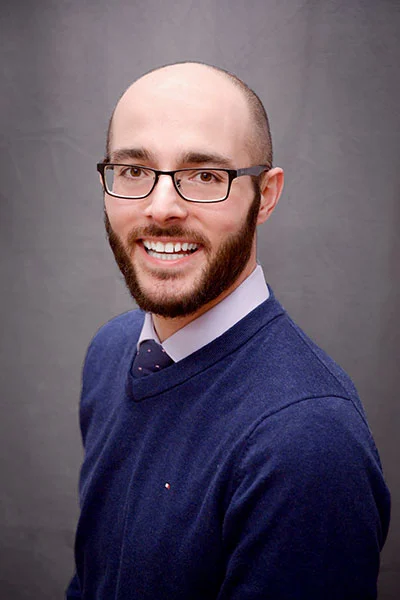
Dr. McPherson’s elevation to this position follows a period of significant growth within the VR SIG, an organization dedicated to the professional development of physical therapists and allied health providers specializing in vestibular dysfunction. As Chair, he will oversee the strategic direction of the group, which serves as a primary hub for knowledge exchange and clinical innovation. The appointment also reinforces the longstanding synergy between the VR SIG and VeDA, an international nonprofit that has spent decades providing resources and support to patients while advocating for greater public awareness of vestibular conditions.
Professional Trajectory and Academic Contributions of Jake McPherson
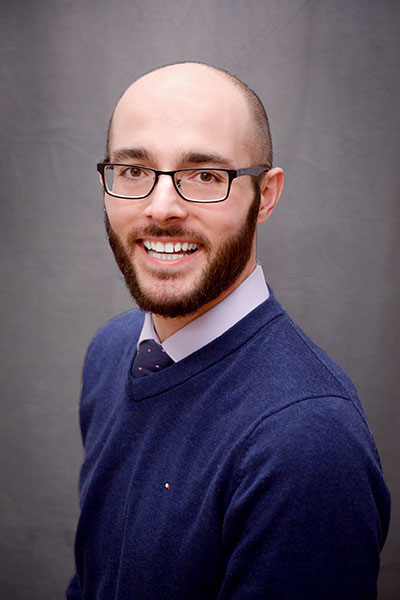
Dr. Jake McPherson brings an extensive portfolio of clinical and academic expertise to the VR SIG leadership. Currently serving as a Clinical Associate Professor at the University at Buffalo, his work is characterized by a commitment to the integration of clinical education and professional development. Within the university’s Department of Rehabilitation Science, McPherson has been instrumental in shaping the curriculum for neurologic physical therapy, ensuring that the next generation of practitioners is well-versed in the complexities of the vestibular system.
His clinical background is rooted in the management of complex neurologic conditions, specifically those that manifest as dizziness, vertigo, and postural instability. As a Neurologic Clinical Specialist (NCS), a designation held by a small percentage of physical therapists nationwide, McPherson possesses advanced knowledge in the treatment of patients with brain injuries, strokes, and degenerative neurological diseases. This specialized lens is particularly relevant to vestibular rehabilitation, which often overlaps with broader neurologic care.
Beyond the classroom, McPherson is a recognized figure in continuing education, frequently delivering lectures and workshops designed to bridge the gap between theoretical research and bedside practice. His interdisciplinary approach is a hallmark of his career; he has consistently advocated for collaborative models of care involving neurologists, otolaryngologists, primary care physicians, and sports medicine specialists. This collaborative philosophy is essential in the field of vestibular medicine, where patients often endure a "diagnostic odyssey," seeing multiple providers before receiving an accurate assessment.
McPherson’s research interests further distinguish his candidacy for leadership. He is an active member of the University at Buffalo’s Comprehensive Concussion Management and Research Center. His investigations into the effects of concussion on vestibular and oculomotor function have contributed to a deeper understanding of how head injuries disrupt the body’s ability to process spatial information. By focusing on the intersection of trauma and balance, his work provides a factual foundation for the development of more effective rehabilitation protocols for athletes and the general population alike.
The Role and Strategic Importance of the VR SIG
The Vestibular Rehabilitation Special Interest Group (VR SIG) functions as a vital organ within the Academy of Neurologic Physical Therapy. Its mission is to provide a forum for clinicians to discuss the evolving challenges of patient care and to stay abreast of rapid advancements in vestibular science. The importance of such a group cannot be overstated, given the prevalence of vestibular disorders in the global population.
According to epidemiological data, approximately 35% of adults aged 40 years or older in the United States—roughly 69 million people—have experienced some form of vestibular dysfunction. These conditions, which include Benign Paroxysmal Positional Vertigo (BPPV), Meniere’s disease, vestibular neuritis, and persistent postural-perceptual dizziness (PPPD), contribute significantly to the risk of falls, particularly among the elderly. Falls remain a leading cause of injury-related hospitalizations and deaths in older demographics, placing a substantial economic burden on the healthcare system.
To address these challenges, the VR SIG offers a suite of resources designed to maintain high standards of clinical excellence. These include:
- Abstract of the Week: A curated update that summarizes the latest peer-reviewed research, ensuring that clinicians have access to the most current evidence without the need for exhaustive literature searches.
- Topics in Vestibular Therapy: A peer-edited newsletter that provides deep dives into specific clinical questions, case studies, and technological advancements in the field.
- Patient Education Fact Sheets: Standardized, evidence-based documents that clinicians can use to help patients understand their diagnoses and treatment plans, thereby improving health literacy and compliance.
- Networking and Mentorship: Quarterly online sessions and regional meetups that allow clinicians—from rural practitioners to those in major academic medical centers—to share insights and seek guidance on difficult cases.
Strengthening the VeDA and ANPT Partnership
The appointment of Dr. McPherson is viewed by industry observers as a move to solidify the partnership between the ANPT and VeDA. While the ANPT focuses on the professional and clinical aspects of physical therapy, VeDA serves as the voice of the patient. The collaboration between these two entities creates a feedback loop where clinical research informs patient advocacy, and patient experiences inform the priorities of clinical practice.
VeDA’s support of the VR SIG is multifaceted. By acting as a bridge between the scientific community and the public, VeDA ensures that advancements in vestibular rehabilitation are accessible to those who need them most. The organization provides a "Provider Directory" that helps patients find specialists who are often members of the VR SIG, thereby ensuring that patients receive care from practitioners who are committed to the highest standards of the profession.
This partnership is also evident in the realm of public policy and advocacy. Together, these organizations work to raise awareness among policymakers regarding the need for specialized vestibular testing and the inclusion of vestibular rehabilitation in standard insurance coverage. The economic implications are significant; early intervention through specialized physical therapy can prevent the high costs associated with emergency room visits for "dizziness" and the long-term expenses related to fall-induced fractures.
Chronology of Events and Future Outlook
The leadership transition comes as the ANPT prepares for its 2026 Annual Conference, scheduled to take place from September 17 to 19 in Minneapolis, Minnesota. VeDA has confirmed its role as a conference sponsor, highlighting the integrated nature of the upcoming event. The conference will serve as a primary venue for Dr. McPherson to outline his vision for the VR SIG’s next term.
The timeline for the VR SIG’s evolution reflects the broader maturation of the physical therapy profession. In the early years of vestibular rehabilitation, the field was often viewed as a niche sub-specialty. However, over the last two decades, the emergence of sophisticated diagnostic tools—such as video head impulse testing (vHIT) and vestibular evoked myogenic potentials (VEMP)—has transformed the discipline into a data-driven science. Dr. McPherson’s tenure is expected to focus on the further integration of these technologies into standard physical therapy practice.
Moreover, the VR SIG is one of eight specialized groups within the ANPT, sitting alongside cohorts focused on Stroke, Spinal Cord Injury, Brain Injury, and Degenerative Diseases. This organizational structure allows for "cross-pollination" of ideas. For instance, the VR SIG frequently collaborates with the Balance and Falls SIG to develop comprehensive fall-prevention strategies that account for both sensory input (vestibular) and motor output (strength and coordination).
Implications for Clinical Practice and Research
The implications of Dr. McPherson’s leadership extend into the realm of standardized education. One of the ongoing challenges in vestibular rehabilitation is the variability in treatment protocols across different regions and clinical settings. Under McPherson’s guidance, the VR SIG is expected to continue its work on Clinical Practice Guidelines (CPGs). These guidelines are essential for reducing practice variation and ensuring that every patient, regardless of location, receives care based on the strongest available evidence.
Furthermore, McPherson’s background in concussion research suggests a potential shift in the SIG’s focus toward "invisible" injuries. Concussions, often referred to as mild traumatic brain injuries (mTBI), frequently result in vestibular symptoms that are not immediately apparent on standard imaging like CT scans or MRIs. By championing research into oculomotor function—the coordination of eye movements—McPherson can lead the VR SIG in developing more sensitive diagnostic and therapeutic techniques for this underserved patient population.
The focus on interdisciplinary collaboration will also likely be a hallmark of the coming years. As the healthcare landscape shifts toward value-based care, the ability of physical therapists to work seamlessly with other specialists becomes paramount. The VR SIG, under McPherson, will likely emphasize the role of the physical therapist not just as a provider of exercises, but as a key diagnostician in the management of dizziness.
Conclusion
The appointment of Jake McPherson, PT, DPT, NCS, as Chair of the Vestibular Rehabilitation Special Interest Group represents a strategic alignment of academic rigor, clinical expertise, and patient-centered advocacy. As the field of neurologic physical therapy continues to evolve, the leadership provided by the VR SIG will be instrumental in navigating the complexities of modern healthcare.
With the 2026 ANPT Annual Conference on the horizon, the vestibular community is poised to enter a new era of professional connectivity and clinical advancement. The continued partnership between VeDA and the ANPT, facilitated by leaders like Dr. McPherson, ensures that the mission of optimizing movement and wellbeing for those impacted by vestibular disorders remains at the forefront of the medical agenda. The focus remains clear: to provide clinicians with the tools they need and patients with the care they deserve, ultimately reducing the global burden of vestibular dysfunction.