The Strategic Evolution of Information Architecture in Government
Information architecture, as defined by the GDS, involves the planning and design of research activities that help teams understand the mental models of the people using public services. While often associated with sitemaps and navigation menus, modern IA encompasses the deep-tier organization of knowledge systems, including ontologies and taxonomies. The timing of this release is significant, as public sector bodies in the UK continue to navigate the stringent requirements of the Public Sector Bodies (Websites and Mobile Applications) (No. 2) Accessibility Regulations 2018. These regulations mandate that all public digital services must be perceivable, operable, understandable, and robust (POUR).
According to Becky Ashley, Lead Information Architect at GDS, the primary challenge for organizations is the cultural integration of these standards. Ashley argues that accessibility should be embedded at every level of an organization, transcending individual skill sets to become a collective mindset. This structural approach ensures that intuitive design is not the result of a single designer’s intuition but the outcome of a structured, inclusive workflow.
The Three Pillars of Accessible IA: Ontology, Taxonomy, and Choreography
A central theme emerging from the GDS insights is the breakdown of information architecture into three distinct but interconnected pillars: ontology, taxonomy, and choreography. Senior Information Architect Rik Williams notes that these pillars form the basis of "deliberate user-centred design."
- Ontology (The Meaning): This refers to the specific concepts and connections within a service. Accessible ontologies use clear, consistent terminology that aids users with cognitive disabilities or those with limited domain knowledge. By defining what information is in a way that aligns with user expectations, IAs reduce the mental effort required to process a service.
- Taxonomy (The Organization): This involves how information is categorized. Williams highlights that inclusive taxonomies rely on predictable and logical structures. For users relying on screen readers or those with mobility impairments, a logical taxonomy ensures that they can find information without navigating through redundant or confusing categories.
- Choreography (The Interaction): This pillar focuses on how users interact with information across different channels and over time. Effective choreography ensures a logical tabbing order for keyboard users, clear focus indicators, and consistent navigation patterns. When these sequences are logical, they create a "deeply usable" system that is fundamentally accessible to everyone.
Advocacy and Stakeholder Engagement
The transition toward accessible IA is not merely a technical challenge but a social and organizational one. Sally Creasey, Senior Information Architect at GDS, emphasizes the need for building advocacy among stakeholders. She suggests that involving colleagues and end-users in the process of creating sitemaps and knowledge organization systems is vital. Without this collaborative approach, there is a significant risk that the final product will fail to meet the actual needs of the diverse user base it intends to serve.
Creasey also points out the importance of "being the change." This involves championing intuitive labeling and consistent wayfinding. By mapping concepts to users’ mental models and using contextually meaningful metadata, IAs can create tailored experiences that reduce the "paradox of choice"—a state where users are overwhelmed by too many similar options, leading to frustration and abandonment of the task.
Educational Frameworks and the POUR Principles
To bridge the gap between different disciplines—such as developers, content creators, and designers—the GDS team advocates for a shared language. Becky Ashley suggests using the POUR principles as a universal framework. These principles, which originated from the Web Content Accessibility Guidelines (WCAG), serve as a benchmark for evaluating whether a digital service is truly inclusive.
- Perceivable: Can users identify the content and interface elements with their senses?
- Operable: Can users successfully navigate and use the interface?
- Understandable: Is the information and the operation of the user interface clear?
- Robust: Can the content be interpreted reliably by a wide variety of user agents, including assistive technologies?
By applying these principles to every workstream, GDS aims to create a sense of shared accountability, ensuring that accessibility is not seen as the sole responsibility of a "specialist" but as a core component of digital craftsmanship.
Addressing Cognitive Accessibility and Mental Load
A significant portion of the GDS discussion focuses on cognitive accessibility. Rik Williams explains that IAs are essentially "designing understanding." This is particularly critical for users who may have limitations in their ability to focus, maintain attention, or sequence information. Such limitations may be congenital, such as dyslexia or autism, or the result of medical conditions like dementia. Furthermore, lifestyle contexts—such as high-stress environments or overwhelming amounts of data—can temporarily impair any user’s cognitive function.
To combat these issues, IAs utilize techniques such as "progressive disclosure." This involves revealing information only as it is needed, preventing the user from being overwhelmed by a "wall of text" or too many choices at once. By creating a hierarchy of steps and providing multiple ways to meet a need, IAs work within the cognitive limits of the human brain, making services more resilient and easier to use for everyone.
Tools and Methodologies for Inclusive Design
The GDS experts highlighted several specific tools and processes used to validate the accessibility of their designs:
- Noun and Verb Foraging: A technique used to identify the language users actually employ when talking about a service, ensuring that labels match user vocabulary.
- Card Sorting and Tree Testing: These research methods allow IAs to see how users naturally group information and how they navigate through a proposed structure before a single line of code is written.
- Object-Oriented Design (OOD): This methodology focuses on building information environments around tangible "objects" with standardized attributes. OOD ensures consistency across different platforms and makes it easier for assistive technologies to interpret the structure of a site.
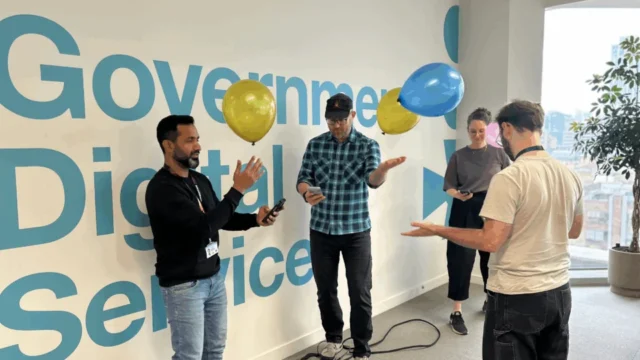
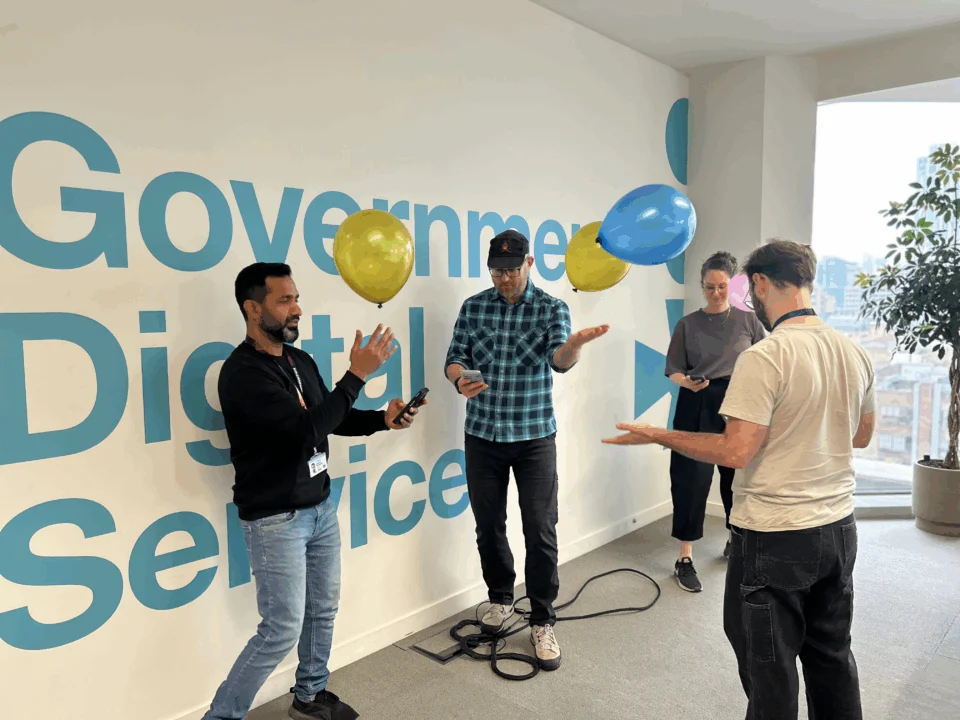
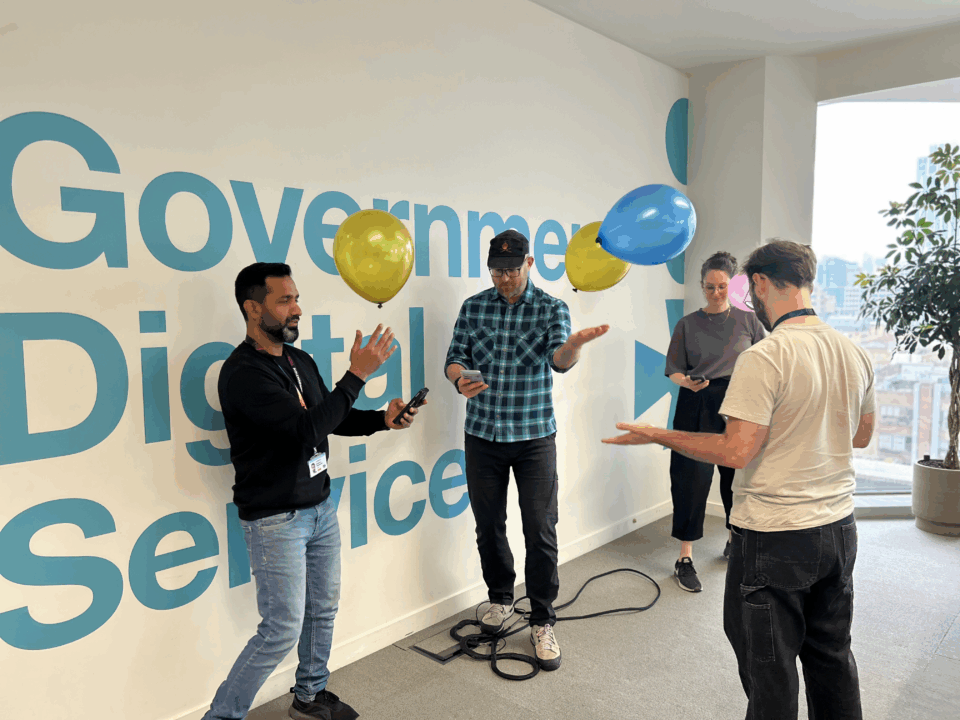
- Simulations: While used cautiously, tools like vision-impairing glasses or motor-control limiting gloves (and games like "empathy balloons") help designers understand the physical barriers users might face. However, the team stresses that these should never be a substitute for direct testing with people who have lived experience of disabilities.
Avoiding Common Pitfalls: The Stakeholder Trap
One of the most common mistakes in information architecture is organizing a system around the internal structure of an organization rather than the needs of the user. Sally Creasey warns that allowing delivery pressures to squeeze out user research time often leads to "jargon-heavy" labeling and confusing navigation.
Another pitfall identified by Becky Ashley is the "one-and-done" mentality. She argues that information systems must be adaptive. As user needs emerge and technology evolves, the metadata and information flows must be iterated upon. Establishing a continuous feedback loop between user needs and data ensures that the digital service remains relevant and accessible over the long term.
Broader Implications for Digital Governance
The insights shared by the GDS Information Architects have implications far beyond the UK government. As digital transformation accelerates globally, the "IA-first" approach to accessibility is becoming a gold standard. The economic impact of digital exclusion is substantial; when citizens cannot access government services online, it increases the burden on more expensive channels like call centers and physical offices.
Furthermore, as Artificial Intelligence (AI) and machine learning become more integrated into public services, the role of IA becomes even more critical. AI systems rely on structured data and clear ontologies to function correctly. If the underlying information architecture is flawed or biased, the AI outputs will likely exacerbate existing accessibility barriers. By investing in robust metadata and logical taxonomies now, the GDS is laying the groundwork for a future where AI can serve highly relevant, personalized content to users with specific access needs via their preferred channels.
Conclusion and Future Outlook
The Unlocking Accessibility series serves as both a roadmap for other organizations and a call to action for the design community. By highlighting the work of Becky Ashley, Sally Creasey, and Rik Williams, the GDS reinforces the idea that accessibility is a fundamental design principle, not an afterthought.
The GDS continues to invite contributions to this ongoing dialogue, encouraging information architects and digital professionals across the government to share their experiences. As the digital landscape continues to evolve, the focus on "designing for understanding" will remain a cornerstone of the UK’s strategy to create a world-class, inclusive digital government. For those looking to implement these changes, the message from GDS is clear: start with the user, simplify the structure, and never stop iterating.