
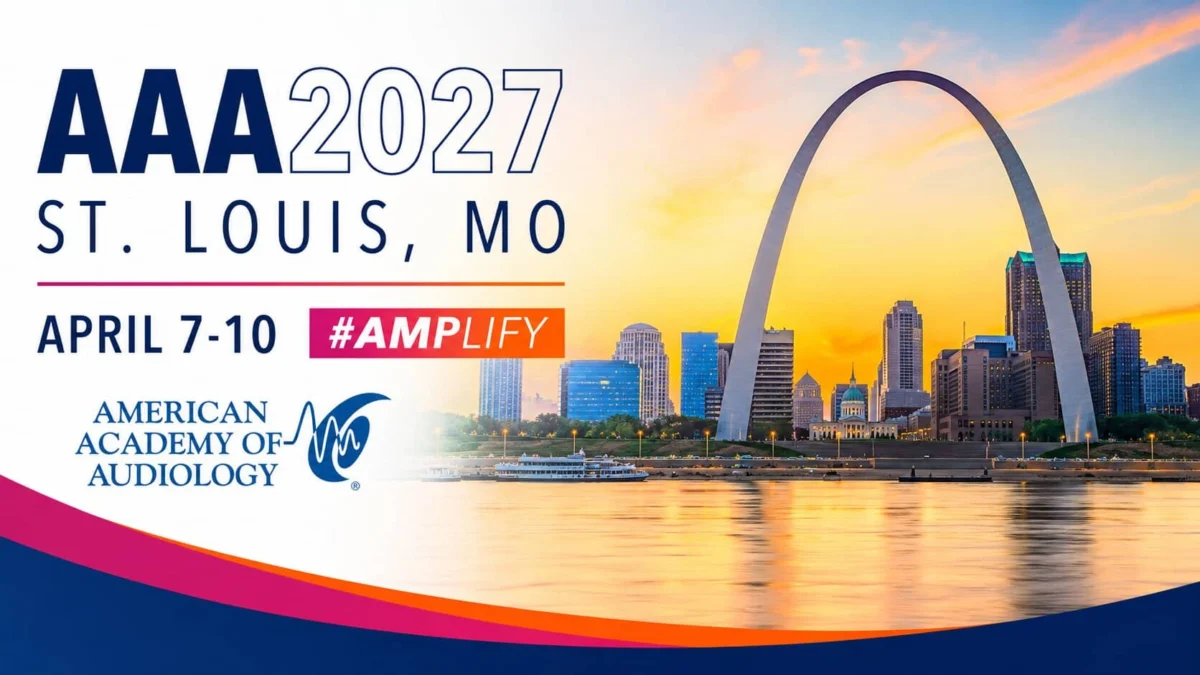
The AAA 2027 Annual Convention is meticulously designed to serve as a pivotal platform for the exchange of cutting-edge knowledge, the presentation of groundbreaking research, and the cultivation of professional networks that are essential for the advancement of the audiology profession. According to the AAA, the 2027 program will feature a pronounced emphasis on several critical domains: sophisticated practice management strategies, impactful leadership development, and the unwavering commitment to evidence-based clinical best practices. Beyond these foundational pillars, the convention is also poised to shine a spotlight on rapidly emerging technologies, novel research methodologies and findings, and highly practical strategies that are anticipated to exert a profound influence on the trajectory and future landscape of audiology globally. This forward-looking agenda underscores the Academy’s dedication to equipping its members with the tools and insights necessary to navigate an evolving healthcare environment and to deliver optimal patient care.
The Enduring Significance of the AAA Annual Convention
The American Academy of Audiology, established in 1988, stands as the world’s largest professional organization of, by, and for audiologists. Its core mission revolves around fostering the growth and development of the audiology profession through advocacy, education, research, and professional development. The annual convention is the pinnacle of the Academy’s educational offerings, serving as a vital nexus where thousands of audiologists, students, industry representatives, and other hearing health professionals converge. Historically, these conventions have been instrumental in disseminating the latest scientific breakthroughs, introducing new clinical techniques, and providing essential continuing education that is critical for maintaining licensure and staying abreast of advancements in a rapidly evolving field.
The choice of St. Louis, Missouri, as the host city for AAA 2027 is strategically significant. Known for its central geographic location within the United States, St. Louis offers excellent accessibility for attendees traveling from across the nation. The city boasts world-class convention facilities, a rich cultural heritage, and a dynamic urban environment that provides ample opportunities for networking and relaxation outside of the convention halls. Major conventions like AAA 2027 also bring substantial economic benefits to host cities, generating revenue for local businesses, hotels, and restaurants, reinforcing the symbiotic relationship between professional gatherings and urban economies.
A Deep Dive into the Programmatic Focus: Shaping the Future of Audiology
The AAA 2027 program’s thematic pillars reflect the most pressing challenges and promising opportunities facing the audiology profession today. The emphasis on practice management acknowledges the increasing complexities of running a successful audiology practice, encompassing everything from financial planning and human resources to marketing and patient acquisition in a competitive healthcare market. Professionals seek actionable insights into optimizing operational efficiency, enhancing patient experience, and navigating regulatory landscapes.
Leadership development is another crucial area, recognizing that audiologists are not merely clinicians but also leaders within their communities, their practices, and the broader healthcare system. The convention aims to foster skills in advocacy, team management, strategic planning, and influencing policy, thereby empowering audiologists to take on more prominent roles in shaping healthcare delivery.
The commitment to evidence-based clinical best practices remains paramount. In an era of rapid scientific discovery, it is imperative that clinical decisions are rooted in the most current and robust research. This focus ensures that audiologists are equipped with the latest diagnostic tools, intervention strategies, and outcome measures to provide the highest standard of patient care. This includes integrating new research findings on hearing aids, cochlear implants, vestibular disorders, and tinnitus management directly into clinical application.
Furthermore, the program’s dedication to emerging technologies anticipates the transformative impact of innovations such as artificial intelligence (AI) in diagnostics and treatment planning, advanced tele-audiology solutions for remote care delivery, and novel biotechnologies impacting hearing restoration. These technologies promise to expand access to care, personalize interventions, and improve patient outcomes, necessitating a continuous learning curve for practitioners. The inclusion of new research highlights the profession’s ongoing quest for deeper understanding into the mechanisms of hearing and balance disorders, leading to the development of next-generation therapies and preventative measures. Finally, practical strategies bridge the gap between theoretical knowledge and real-world application, offering attendees concrete, implementable solutions to common clinical and practice challenges.
Abstract Submission Deadlines and Process
Prospective presenters are encouraged to review the official AAA website for precise deadlines, which vary significantly by presentation format. The Academy is accepting submissions for a variety of engaging formats designed to cater to different content types and learning preferences. These formats typically include:
- Learning Modules: Extended, in-depth sessions designed for comprehensive exploration of a specific topic, often involving multiple presenters and interactive components.
- Spotlight Sessions: Focused, high-impact presentations on critical or emerging issues, often featuring expert panels or thought leaders.
- Research Podium Presentations: Oral presentations of original research findings, allowing for detailed discussion of methodology, results, and implications.
- Student Research Forum: A dedicated platform for audiology students to present their research, fostering the next generation of scientific contributors.
- Poster Presentations: Visual displays of research or clinical case studies, offering opportunities for one-on-one discussion with authors.
While the specific submission deadlines for each format are detailed on the AAA’s official call for abstracts portal, the decision notification timeline has been outlined. Applicants for Learning Modules and Spotlight Sessions can anticipate receiving their decision letters by November 20, 2026. Decisions regarding Research Podium and Student Research Forum submissions are scheduled for November 17, 2026. Finally, notifications for Poster Presentations are expected by December 18, 2026. It is a critical requirement that all research submitted for poster presentation must be fully completed by February 22, 2027, ensuring the most current and conclusive findings are presented at the convention. All submitted abstracts will undergo a rigorous blind peer-review process, with acceptance contingent upon the quality and relevance of the content, the availability of space within the convention program, and the overall balance required to create a diverse and comprehensive educational experience.
Focus on Forward-Looking and Practical Content: Fostering Innovation
The American Academy of Audiology has expressed a distinct preference for proposals that transcend traditional educational paradigms, actively seeking submissions that introduce innovative, emerging, or potentially disruptive ideas. This call is a clear directive for presenters to push boundaries, challenge conventional wisdom, and explore novel approaches that could reshape the future of audiology. The Academy is particularly keen on content that showcases new technologies, critically re-evaluates established clinical methodologies, and, crucially, provides practical, actionable takeaways that audiologists can immediately integrate into their daily clinical practice.
In an effort to maximize attendee engagement and learning efficacy, the Program Committee is strongly advocating for presenters to incorporate greater audience interaction into their sessions. This move away from exclusively lecture-based presentations acknowledges that active participation enhances knowledge retention and fosters a more dynamic learning environment. Suggested interactive approaches include, but are not limited to, live polling to gauge audience understanding and opinions, small-group problem-solving exercises that encourage collaborative thinking, facilitated audience discussions, and other innovative elements specifically designed to maintain high levels of attendee engagement throughout the duration of each session. This commitment to interactivity ensures that AAA 2027 will be a truly immersive and collaborative learning experience.
Broadening Horizons: Diverse Areas of Interest
The breadth of suggested subject areas for AAA 2027 underscores the multifaceted nature of audiology and its intersection with broader healthcare trends. These areas include:
- Advancements and the Future of Audiology: Exploring topics like tele-audiology expansion, the role of artificial intelligence in diagnostics and personalized treatment, and the integration of genomics into hearing health.
- Interprofessional Collaboration: Emphasizing the critical need for audiologists to work seamlessly with other healthcare professionals, such as otolaryngologists, primary care physicians, speech-language pathologists, and educators, to ensure holistic patient care.
- Evidence-Based Clinical Practice: Reinforcing the scientific foundation of audiology, focusing on outcome measures, clinical guidelines, and the critical appraisal of research.
- Career Development and Leadership: Offering pathways for professional growth, mentorship opportunities, and the development of leadership skills for audiologists at all career stages.
- Private-Practice Management: Providing insights into the business aspects of audiology, including financial management, marketing strategies, human resources, and patient retention.
- Technology and its Impact on Audiology: Beyond emerging tech, this includes discussions on digital health records, data analytics for practice improvement, and the ethical considerations of new technologies.
- Global Audiology: Addressing hearing healthcare disparities worldwide, humanitarian initiatives, and the development of sustainable audiology services in underserved regions.
- Educational Audiology and Precepting: Focusing on the unique needs of children in educational settings and the vital role of clinical educators in training future audiologists.
- Humanitarian Care: Highlighting outreach programs, mission trips, and sustainable models for providing hearing health services to vulnerable populations.
- Strategies for Optimizing Patient Care: Encompassing patient-centered approaches, shared decision-making models, communication strategies, and cultural competence in clinical practice.
Beyond these overarching themes, the Academy is also specifically seeking content focused on specialized areas of clinical practice, reflecting the diverse scope of audiological services. These include:
- Pediatrics: Covering early hearing detection and intervention programs, pediatric diagnostics, amplification for children, and managing hearing loss in developmental contexts.
- Tinnitus: Exploring current understanding of mechanisms, diagnostic approaches, and various management strategies, including sound therapy, cognitive behavioral therapy, and pharmacological interventions.
- Implantable Devices: Delving into advancements in cochlear implants, bone-anchored hearing systems, and middle ear implants, including candidacy criteria, surgical outcomes, and post-operative rehabilitation.
- Vestibular Care: Addressing the diagnosis and management of balance disorders, including vestibular assessment techniques, vestibular rehabilitation therapy, and emerging treatments for dizziness and vertigo.
Broader Impact and Implications for the Audiology Profession
The AAA 2027 Annual Convention is more than just an educational conference; it is a vital catalyst for the evolution and advancement of the audiology profession. By bringing together the brightest minds and the latest innovations, the convention directly contributes to improving patient outcomes across the globe. The emphasis on evidence-based practices ensures that clinical decisions are informed by the most rigorous research, leading to more effective and personalized care. The focus on emerging technologies not only prepares audiologists for the future but also drives innovation within the industry, fostering the development of next-generation diagnostic and therapeutic tools.
Furthermore, the convention serves as an unparalleled networking opportunity, fostering collaboration between clinicians, researchers, and industry partners. These interactions often spark new research initiatives, facilitate the adoption of best practices, and lead to the development of new products and services that ultimately benefit patients. For students, the Student Research Forum and exposure to leading experts provide invaluable mentorship and inspiration, shaping the next generation of audiology leaders and innovators.
In a world where hearing loss affects over 1.5 billion people globally, with significant implications for communication, social engagement, and overall quality of life, the role of audiology is increasingly critical. The AAA 2027 Annual Convention, through its comprehensive program and commitment to innovation, stands as a beacon for addressing these profound public health challenges. It reinforces the profession’s dedication to lifelong learning, professional excellence, and ultimately, enhancing the lives of individuals with hearing and balance disorders. The call for abstracts is not merely an administrative step but an invitation to contribute to this ongoing legacy of progress and patient care.
Additional information, detailed submission guidelines, and direct access to the abstract submission portal are available through the American Academy of Audiology’s official website. Prospective presenters are strongly encouraged to visit the dedicated AAA 2027 Call for Abstracts page to ensure adherence to all requirements and deadlines. This is a prime opportunity for members of the audiology community to contribute to, and shape, the premier educational event for their profession.