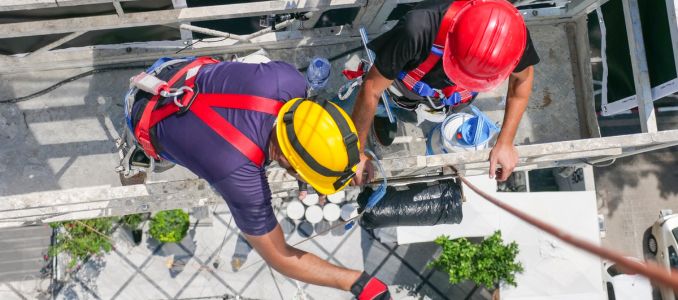
The Evolution of Fall Protection Standards
The historical context of fall protection is marked by a transition from rudimentary site-specific measures to highly standardized, engineering-driven protocols. Before the formalization of modern safety regulations, fall protection was often an ad-hoc consideration, addressed only after an incident occurred or when specific projects demanded it. Over the past three decades, the regulatory landscape has shifted toward a proactive, lifecycle-based management model.
The current mandate, guided by OSHA 29 CFR 1910 Subpart D (Walking-Working Surfaces) and the ANSI/ASSP Z359 series of standards, requires employers to identify, evaluate, and mitigate fall hazards before personnel are exposed to them. This shift has necessitated a move away from "one-size-fits-all" equipment toward integrated systems that account for the unique geometry of a facility, the physics of fall clearance, and the requirements for rapid, safe rescue.

Retrofitting vs. New Construction: A Strategic Comparison
One of the most frequent points of inquiry for safety managers is whether high-level engineered systems are limited to new, purpose-built facilities. The reality is that the vast majority of fall protection engineering occurs within the context of retrofitting.
Older infrastructure, including power substations, aging manufacturing plants, and legacy chemical processing facilities, presents a distinct set of challenges. These structures were often built during an era when fall protection was not a design priority, resulting in roof designs with inadequate load-bearing capacity or structural members that cannot easily accommodate permanent anchor points.

Retrofitting these sites requires a rigorous engineering audit. The process typically involves:
- Structural Analysis: A professional engineer must verify that the base structure can withstand the dynamic loads generated by a fall, including the impact forces exerted on anchors.
- Hazard Assessment: Identifying specific "fall zones" where workers are required to perform routine maintenance, cleaning, or equipment inspections.
- Clearance Calculations: Determining the "fall clearance distance," which includes the length of the lanyard, the deceleration distance of the shock absorber, and a safety factor for the worker’s height.
- System Selection: Choosing between rigid rail systems, horizontal lifelines (HLL), or custom-fabricated davit arms based on the specific architectural constraints.
Conversely, new construction offers a "clean slate" advantage. When fall protection is integrated into the architectural design phase—a concept known as "Safety by Design"—project teams can embed anchor points directly into the steel frame or concrete roof structure during the build. This reduces long-term maintenance costs, eliminates the need for intrusive structural modifications later in the project lifecycle, and ensures that the system is visually and functionally harmonized with the building’s design.

Data-Driven Risk Management
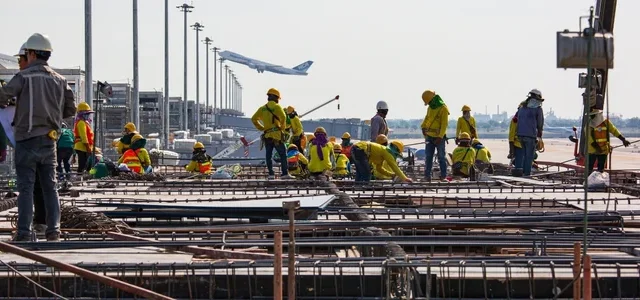
The economic and human impact of fall-related accidents is profound. Data from the Bureau of Labor Statistics (BLS) indicates that construction-related falls are a primary contributor to the industry’s fatality rates. Beyond the human cost, the financial implications for organizations include exorbitant workers’ compensation claims, legal liability, increased insurance premiums, and the potential for project shutdowns following an OSHA inspection.
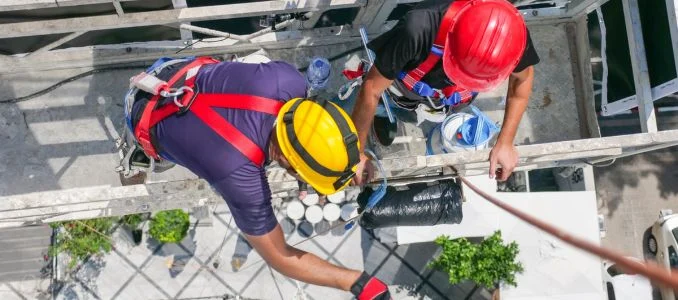
Engineered systems serve as a preventative control that significantly lowers the "Probability of Failure" (PoF). By moving from a reliance on human behavior (e.g., remembering to tie off) to an engineered system (e.g., a self-retracting lifeline mounted on a permanent overhead rail), employers create a "forgiving" environment. In this context, if a worker loses their footing, the system is designed to arrest the fall with a predetermined force, minimizing the risk of internal injury and ensuring the worker is left in a position that facilitates rescue.

The Lifecycle Management Approach
An engineered fall protection system should never be viewed as a "set it and forget it" installation. Professionals in the field emphasize that these systems require a formal lifecycle management program. This includes:
- Commissioning and Certification: Upon installation, a system must be certified by a Qualified Person to ensure it meets the design specifications and regulatory requirements.
- Regular Inspections: Standards require periodic inspections—typically every 6 to 12 months—to check for signs of corrosion, fatigue, or mechanical wear.
- Re-certification: If a fall occurs, or if the facility undergoes significant structural changes, the entire system must be re-evaluated.
- Training and Competency: Even the most advanced system is only as effective as the worker using it. Personnel must be trained not just on how to use the equipment, but on how to inspect it before each use and how to execute an emergency rescue plan.
Addressing the Human Element in Engineering
A critical aspect of system design is the "human factor." Systems must be intuitive and minimize the effort required to stay connected. If a fall protection system is cumbersome, difficult to navigate, or requires frequent unhooking and re-hooking, workers are statistically more likely to bypass the safety measures in favor of speed.

Engineered solutions, such as continuous-tracking overhead rails, allow a worker to traverse an entire area—such as a loading dock or a chemical processing rack—without ever needing to disconnect from the system. This "100% tie-off" capability is the ultimate objective of modern safety engineering.
Implications for Future Workplace Safety
The trajectory of the industry points toward the integration of smart technology into fall protection. Research is currently underway to incorporate load-sensing anchors that alert safety managers via wireless networks when a system has been subjected to impact or when equipment is nearing its end-of-life.

For the safety professional, the message remains clear: the building’s age, the complexity of the task, and the height of the work are variables, but the requirement for protection is a constant. By adopting a mindset that views fall protection as an integrated engineering component rather than an accessory, organizations can effectively mitigate one of the most dangerous risks in the industrial sector.
Ultimately, the goal of these systems is to achieve a state of operational resilience where safety is woven into the fabric of the facility. Whether through the retrofitting of legacy infrastructure or the strategic design of new builds, the investment in engineered systems represents a commitment to protecting the most valuable asset in any organization: the workforce. As OSHA continues to prioritize fall protection enforcement, companies that proactively invest in high-quality, engineered systems will find themselves not only in a better position for compliance but also significantly ahead in the ongoing effort to eliminate workplace fatalities.