
The collaborative effort involved researchers from the ASU-Banner Neurodegenerative Disease Research Center, the ASU School of Life Sciences, the Banner Sun Health Research Institute, and the Mayo Clinic in Arizona. By examining a cohort of adults in their 20s and 30s, the team discovered that obesity creates a "biological profile" that mirrors the metabolic and neurological environment of elderly patients diagnosed with mild cognitive impairment (MCI).
The Emerging Role of Neurofilament Light Chain as a Diagnostic Tool
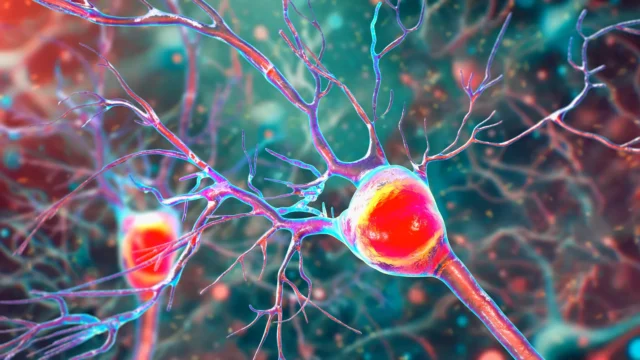
A primary focus of the study was the detection of neurofilament light chain (NfL), a protein that has become a critical focal point in neurology. NfL is a structural component of the cytoskeleton within neurons. When brain cells are damaged or undergo atrophy, NfL is released into the cerebrospinal fluid and eventually enters the bloodstream. In clinical settings, elevated blood levels of NfL are now recognized as one of the most reliable early indicators of neurodegeneration, often appearing before clinical symptoms of memory loss or cognitive dysfunction manifest.
In this study, young adults with obesity exhibited significantly higher levels of NfL compared to their healthy-weight peers. This discovery is particularly striking because the participants were at an age where cognitive function is generally considered to be at its peak. The presence of NfL suggests that the "silent" phase of brain injury—where damage accumulates without immediate behavioral changes—may be accelerated by the systemic inflammation and metabolic dysfunction inherent in obesity.
The researchers noted that these elevated NfL levels were not isolated occurrences but were part of a broader pattern of biological distress. The participants with obesity also showed increased concentrations of inflammation-promoting proteins and enzymes indicative of liver stress, creating a multifaceted profile of physiological strain that targets the brain.
Choline Deficiency: A Silent Crisis in Metabolic Health
The study’s second major finding involves choline, a nutrient that remains under-discussed in general public health discourse despite its vital importance. Choline is essential for several bodily functions: it is a structural component of cell membranes, a precursor to the neurotransmitter acetylcholine (which is critical for memory and mood), and a key regulator of lipid metabolism in the liver.
The ASU team found that young adults with obesity had substantially lower levels of circulating choline than the control group. Furthermore, these low choline levels were directly correlated with higher levels of NfL, insulin resistance, and systemic inflammation. This suggests that choline may act as a protective buffer; when levels are sufficient, the brain and liver are better equipped to handle metabolic stress. When choline is deficient, the damage caused by obesity appears to accelerate.
"This research adds to the growing evidence that choline is a valuable marker of metabolic and brain dysfunction," stated Ramon Velazquez, the lead researcher of the study. He emphasized that recent reports have further linked reduced blood choline levels to behavioral changes, including anxiety and memory impairment, as well as broader metabolic dysfunction.
Despite its importance, data from the National Health and Nutrition Examination Survey (NHANES) indicates that approximately 90% of the American population does not consume the recommended daily intake of choline. The Adequate Intake (AI) levels are set at 550 mg per day for men and 425 mg per day for women, yet many young adults, particularly those in the study, fell far short of these benchmarks.
Gender Disparities and Cognitive Vulnerability
An unexpected but significant observation in the study was that female participants exhibited lower choline levels than their male counterparts. This finding carries heavy implications for long-term public health, as women are statistically more likely to develop Alzheimer’s disease and experience more rapid cognitive decline in old age.
Scientific literature suggests that estrogen plays a role in the body’s ability to synthesize choline internally through the PEMT gene pathway. However, as dietary habits shift and metabolic disorders become more prevalent, this internal synthesis may not be enough to compensate for dietary deficiencies. The researchers suggest that the combination of lower choline levels and obesity may put young women at a disproportionately higher risk for neurodegenerative processes later in life, highlighting the need for gender-specific nutritional interventions.
Methodology: Bridging the Gap Between Youth and Aging
To reach these conclusions, the research team designed a comparative study involving 30 adults in their 20s and 30s. The group was divided evenly between individuals with a Body Mass Index (BMI) categorized as obese and those with a BMI in the healthy range. Participants provided fasting blood samples, which were subjected to rigorous analysis for:
- Circulating Choline: To determine nutritional status.
- Inflammatory Cytokines: To measure the level of systemic "fire" in the body.
- Metabolic Markers: Including insulin and glucose to assess diabetic risk.
- Liver Enzymes: To check for signs of non-alcoholic fatty liver disease (NAFLD), which is often comorbid with obesity.
- Neurofilament Light Chain (NfL): To detect early neuronal injury.
To validate the significance of their findings, the team compared the data from these young adults with existing data from older cohorts diagnosed with Alzheimer’s disease and MCI. The comparison revealed a startling overlap: the metabolic and neurological markers found in the obese 20-year-olds were fundamentally similar to those found in 70-year-olds with early-stage dementia. This comparison underscores the theory that Alzheimer’s is not merely a disease of old age but a lifelong process that can be "fast-tracked" by lifestyle factors and poor metabolic health.
Implications for Modern Weight-Loss Pharmacotherapy
The study also addresses the rise of modern weight-loss medications, such as GLP-1 receptor agonists (e.g., semaglutide and tirzepatide). While these drugs are highly effective at reducing weight and improving cardiovascular health, they work primarily by suppressing appetite and slowing gastric emptying.
The researchers cautioned that such a significant reduction in food intake could inadvertently lead to "malnutrition within obesity." If patients on these medications are not careful to consume nutrient-dense foods, they may further deplete their levels of choline and other essential vitamins. The study authors suggest that future clinical guidelines for GLP-1 therapies should include nutritional counseling to ensure that weight loss does not come at the expense of brain health.
"Most people don’t realize they aren’t getting enough choline," said Wendy Winslow, first co-author of the study. "Adding choline-rich foods to your routine can help reduce inflammation and support both your body and brain as you age."
Dietary Sources and Preventive Strategies
Given that the body produces only small amounts of choline, dietary intake is the primary way to maintain healthy levels. Rich sources of choline include:
- Animal Proteins: Whole eggs (the yolk is the primary source), beef liver, chicken breast, and fish like salmon and cod.
- Plant-Based Options: Beans (especially soybeans), cruciferous vegetables such as broccoli and Brussels sprouts, and nuts.
- Dairy: Milk and yogurt.
For individuals with obesity, the study suggests that increasing choline intake may be a low-cost, high-impact strategy to mitigate the damage to the nervous system. By supporting liver function and reducing systemic inflammation, choline helps maintain the integrity of the blood-brain barrier, which often becomes "leaky" under the stress of obesity, allowing inflammatory markers to enter the brain and damage neurons.
A New Framework for Alzheimer’s Prevention
The ASU study contributes to a paradigm shift in how neurodegenerative diseases are viewed. Rather than treating Alzheimer’s as an inevitable consequence of aging, researchers are increasingly looking at it as a metabolic disorder—sometimes referred to in scientific circles as "Type 3 Diabetes."
The findings emphasize that the window for prevention opens much earlier than previously thought. By the time a patient reaches their 60s or 70s and begins showing memory loss, the underlying neuronal damage may have been accumulating for four decades. Targeting obesity and nutritional deficiencies in one’s 20s and 30s could potentially delay the onset of symptoms or prevent the disease entirely.
"Our results suggest that, in young adults, good metabolic health and adequate choline contribute to neuronal health, laying the groundwork for healthy aging," says Jessica Judd, a co-author of the study.
Future Directions in Research
The researchers at the ASU-Banner Neurodegenerative Disease Research Center plan to continue this line of inquiry by conducting longitudinal studies. They aim to track young adults over several decades to see if those who correct their choline deficiencies and manage their weight show a measurable decrease in NfL levels and a lower incidence of cognitive decline.
Furthermore, the team intends to investigate the specific molecular pathways through which choline protects the brain. Understanding whether choline supplementation can reverse existing markers of neuronal damage could lead to new therapeutic protocols for those already living with metabolic syndrome or obesity.
In the broader context of public health, this study serves as a call to action for policymakers and healthcare providers to prioritize nutritional literacy and metabolic screening in young populations. As global obesity rates continue to rise, the link between metabolic health and cognitive longevity suggests that a future "dementia crisis" may be brewing unless early intervention becomes a standard of care.
The study concludes that while the relationship between obesity and brain damage is complex, the markers are clear. High inflammation, low choline, and elevated NfL form a dangerous triad that threatens the neurological future of young adults. Addressing these factors today may be the key to preserving the cognitive health of tomorrow’s aging population.