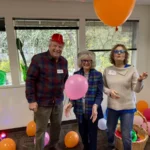

A Chronology of Lived Experience and Advocacy
Mona’s experience with tinnitus spans over three decades, providing a unique longitudinal perspective on how the condition is perceived and managed in the medical community. Following a severe case of meningitis in her early twenties, she developed tinnitus in her left ear. In the years that followed, she adopted a strategy of habituation, relying on a strong support network of friends and peers to navigate the emotional and psychological toll of the condition.
For decades, Mona focused on personal management, finding that a proactive approach—combined with a deep appreciation for her recovery from meningitis—allowed her to live a full and adventurous life. However, a turning point occurred roughly 30 years after her diagnosis. A dismissive comment from an acquaintance, questioning why she had not yet "sorted out" her tinnitus, served as a catalyst for her to re-examine the public understanding of the condition. Recognizing that the stigma and lack of awareness remained significant barriers for others, she joined Tinnitus UK as a volunteer and befriender.
The Evolution of Tinnitus Support Services
The landscape of tinnitus care has shifted dramatically over the past thirty years. Historically, the burden of information and support fell primarily on the patient and their immediate medical team. Today, as healthcare systems face increasing pressure and longer waiting lists, the role of peer-to-peer support groups has become an essential component of the care pathway.
Mona identified that the current clinical environment often leaves patients with limited time during consultations, making it difficult to address the nuanced, day-to-day realities of living with tinnitus. To address this, she established a local support group in Southsea. This initiative serves as a microcosm of the broader movement within Tinnitus UK to decentralize support, moving it into local communities where patients can exchange strategies, share emotional burdens, and learn from those who have successfully reached a state of habituation.
Supporting Data and Prevalence
Tinnitus is a pervasive public health issue in the United Kingdom. According to data from the British Tinnitus Association and related health research, approximately 7.1 million adults in the UK experience tinnitus, with roughly 10% of the population reporting that it significantly impacts their quality of life. Despite these high prevalence rates, the condition remains poorly understood by the general public, often leading to the type of dismissive social interactions that prompted Mona to become an advocate.
The socioeconomic impact of tinnitus is substantial. Patients frequently report increased levels of anxiety, depression, and sleep disturbance. Furthermore, the economic cost to the National Health Service (NHS) for managing the long-term sequelae of tinnitus-related mental health issues is significant. Organizations like Tinnitus UK work to alleviate this pressure by providing evidence-based information that empowers patients to manage their symptoms, thereby reducing the frequency of unnecessary clinical visits and fostering better long-term mental health outcomes.
The Role of Volunteering in Public Health
Volunteering for a specialized charity such as Tinnitus UK offers a multi-layered benefit. For the volunteer, it provides a sense of purpose and a platform to translate personal adversity into a constructive tool for others. For the charity, it expands the reach of limited resources, allowing for the establishment of grassroots support groups that can provide immediate, empathetic, and informed care.
Mona’s perspective on the mission of Tinnitus UK highlights a commitment to "evidence-based information." This is a crucial distinction in a field where misinformation regarding "cures" and "quick fixes" often preys on vulnerable patients. By connecting individuals with lived experience to clinical researchers and healthcare professionals, Tinnitus UK creates a nexus of information that is both scientifically rigorous and deeply human.
Official Stance and Organizational Mission
Tinnitus UK has consistently emphasized that while there is currently no medical "cure" for most forms of tinnitus, the condition is highly manageable. The charity’s strategic focus rests on four pillars: research, support, awareness, and advocacy. Mona’s work reflects these priorities, particularly the emphasis on connecting individuals who have lived experience with those who are in the early, often traumatic, stages of diagnosis.
The organization maintains that the most effective way to improve conditions for the tinnitus community is through collaboration. By facilitating dialogue between researchers, who seek the biological underpinnings of the sound, and volunteers, who understand the psychological impact of the condition, the charity ensures that advocacy efforts are grounded in reality.
Broader Implications for Healthcare Integration
The model pioneered by volunteers like Mona suggests a shift in how chronic, non-terminal conditions should be managed within the UK’s healthcare framework. The "waiting list" reality described by many patients necessitates a transition toward a hybrid model of care, where clinical treatment is supplemented by robust, charity-led community support.
The implications for the broader public are twofold:
- Destigmatization: By bringing tinnitus into the public discourse through awareness campaigns and local groups, the social stigma—the belief that the condition is a minor nuisance or a failure of the patient to "fix" themselves—is actively challenged.
- Resource Optimization: Volunteers act as a force multiplier for the NHS. By answering the "how-to" questions of daily management—such as sleep hygiene, masking strategies, and cognitive behavioral techniques—support groups free up clinicians to focus on the technical and diagnostic aspects of the condition.
Call to Action and Long-term Vision
As Tinnitus UK continues to grow, the recruitment of volunteers remains a top priority. The benefits of such service are not merely altruistic; they are transformative for the volunteers themselves. The social connections built through the organization, the development of facilitation skills, and the fulfillment derived from helping others navigate the same hurdles they once faced provide a significant boost to the mental well-being of the volunteers.
Mona’s message to the public is one of encouragement: "Do it." For those who have navigated the difficult, often isolating journey of tinnitus, the opportunity to offer guidance to others is a path toward finding one’s own "new you."
The future of tinnitus management will likely rely heavily on this synergy between professional medical expertise and the lived experience of the community. As the world becomes increasingly aware of the importance of mental health and sensory processing, the contributions of individuals like Mona—who turn personal struggles into systemic support—will be the bedrock upon which better outcomes are built. The organization invites interested individuals to explore the various ways they can contribute, noting that the combination of evidence-based advocacy and human connection is the only path to meaningful, systemic change for the millions living with this often-hidden condition.