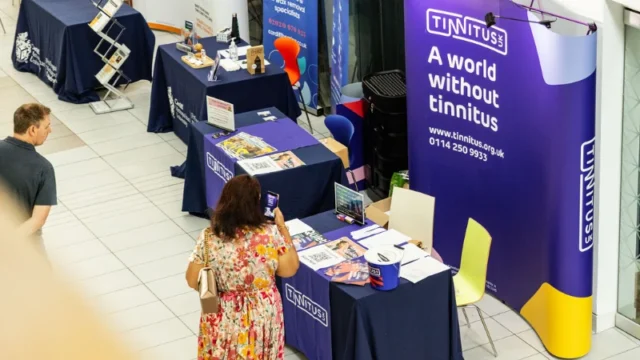
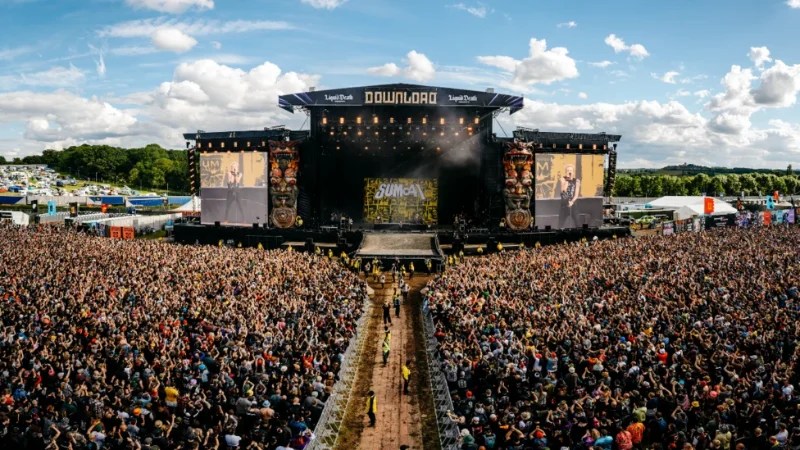
The charity is building upon the momentum of Tinnitus Week 2026, a milestone event that successfully amplified awareness regarding the prevalence of auditory conditions. As part of this ongoing outreach, Tinnitus UK has entered a strategic partnership with Download Festival 2026. By embedding educational initiatives directly into the infrastructure of one of the UK’s most prominent heavy metal and rock festivals, the organization aims to normalize the use of hearing protection in environments where sound pressure levels frequently exceed safe thresholds.
The Science of Sound and Auditory Risk
To understand the necessity of this initiative, one must look at the physics of sound and its impact on the human anatomy. The human ear is sensitive to sound waves measured in decibels (dB). While a normal conversation takes place at approximately 60 dB, live music events—particularly those featuring amplified rock, metal, or electronic music—often reach levels between 100 and 120 dB.
According to the World Health Organization (WHO), prolonged exposure to sounds at 85 dB or above for more than eight hours can lead to permanent hearing damage. At 100 dB, damage can occur in as little as 15 minutes. The biological mechanism at play involves the delicate hair cells within the cochlea. When these cells are subjected to excessive vibrations, they can become fatigued or damaged, leading to sensorineural hearing loss.
Tinnitus, characterized by the perception of ringing, buzzing, or hissing in the absence of an external sound source, is often a secondary symptom of this acoustic trauma. While often temporary, persistent exposure can render the condition chronic, affecting sleep, concentration, and overall psychological well-being. Epidemiological data suggests that millions of people in the United Kingdom currently live with some form of tinnitus, a figure that health officials fear could rise if current trends in high-volume entertainment are not balanced with preventative measures.
A Chronology of Advocacy and Awareness
The push for hearing protection within the live music industry is not a new phenomenon, but it has gained significant traction over the last decade. Historically, the "rock and roll" culture often discouraged the use of ear protection, viewing it as an impediment to the "pure" audio experience. However, the 2020s have seen a paradigm shift as high-profile musicians—including members of bands like Coldplay and AC/DC—have spoken openly about their own struggles with tinnitus and hearing loss.
In 2024, Tinnitus UK launched a series of initiatives aimed at industry stakeholders, including sound engineers and festival promoters. By 2025, the focus shifted toward the consumer, with the charity conducting large-scale awareness campaigns during the peak summer months. The 2026 partnership with Download Festival represents the next logical step in this timeline: moving from general awareness to direct, on-site intervention at high-risk environments. This collaborative effort serves as a pilot for integrating health-conscious infrastructure into the festival experience, potentially setting a precedent for other large-scale events in the UK and abroad.
Official Responses and Strategic Partnerships
The collaboration between Tinnitus UK and Download Festival is designed to facilitate a dialogue rather than enforce restriction. Industry experts recognize that the visceral nature of the bass and the intensity of the performance are core components of the festival experience. Therefore, the messaging is centered on "enabling" rather than "limiting."
Representatives from Tinnitus UK have indicated that the goal is to provide festival-goers with the tools to manage their own auditory health. By offering information on high-fidelity earplugs—which dampen the sound level across all frequencies rather than muffling them—the charity aims to bridge the gap between protection and enjoyment. Industry analysts have noted that this approach is essential; when fans realize that professional-grade protection can actually improve sound clarity by reducing distortion, the stigma surrounding earplugs begins to dissipate.
While festival organizers face significant logistical challenges in managing decibel levels, the inclusion of health advocacy groups demonstrates a growing sense of corporate social responsibility. By providing "quiet zones" or designated areas where sound pressure is lower, and by actively promoting the use of protective gear, festivals are evolving into more inclusive environments that prioritize the long-term health of their patrons.
Practical Strategies for Hearing Preservation
For those attending outdoor gigs or multi-day festivals, the following evidence-based strategies are recommended by audiological professionals and advocacy groups:
- Investment in High-Fidelity Protection: Standard foam earplugs can create a muffled, "underwater" sound. High-fidelity earplugs, which utilize acoustic filters, lower the volume while maintaining the fidelity of the music. This allows fans to maintain a connection to the performance while remaining within a safe decibel range.
- Strategic Auditory Breaks: The ears require recovery time. Stepping away from the primary sound source for 10 to 15 minutes every hour allows the hair cells in the inner ear to rest. This practice significantly reduces the cumulative "noise dose" experienced over a 12-hour day.
- Spatial Awareness: Sound intensity follows the inverse square law; as one moves further away from the source, the intensity drops significantly. Positioning oneself in the middle or back of the crowd, or away from the direct path of the line-array speakers, can reduce exposure levels by several decibels without requiring a change in behavior.
- Pediatric Protection: Children are at a higher risk of noise-induced hearing loss due to their developing auditory systems. For families, high-quality ear defenders are non-negotiable accessories. Ensuring a proper fit is essential for these devices to function effectively.
The Broader Impact on Public Health
The long-term implications of ignoring auditory health are significant. Aside from the individual suffering associated with tinnitus and hearing loss, the societal costs—ranging from increased healthcare expenditure to productivity loss—are substantial. By proactively addressing these risks during the summer months, organizations like Tinnitus UK are performing a critical public health function.
Furthermore, the normalization of hearing protection among the youth demographic is vital. If the current generation of festival-goers adopts the habit of protecting their ears, it is likely that the incidence of noise-induced hearing loss will decrease significantly in the coming decades. This creates a virtuous cycle: as demand for protective gear grows, the technology becomes more accessible, more affordable, and more widely accepted.
Accessing Support and Resources
For those who are already experiencing symptoms of tinnitus, it is imperative to understand that they are not alone. Tinnitus can be a distressing condition, but there are numerous clinical and support-based pathways to management. Tinnitus UK provides a comprehensive suite of resources, including evidence-based information on sound therapy, cognitive behavioral therapy (CBT) techniques, and local support groups where individuals can share experiences.
The organization’s free, confidential helpline remains a cornerstone of its service, offering a space for those struggling with the psychological or physical impact of the condition to speak with trained advisors. As the festival season reaches its zenith, Tinnitus UK urges the public to view hearing health as an integral part of the concert experience. By making small, informed adjustments today, music fans can ensure that the soundtrack of their lives continues to play clearly for decades to come. Whether at a major festival or a local club, the message remains clear: the music is worth protecting.