Understanding the Enigma of Pulsatile Tinnitus and its Vascular Roots
Pulsatile tinnitus stands apart from the more common forms of subjective tinnitus, which are often characterized by ringing, buzzing, or hissing sounds perceived without an external source. Affecting an estimated 5-10% of all tinnitus sufferers, pulsatile tinnitus manifests as a rhythmic sound—frequently described as a "whooshing," "thumping," or "heartbeat" sensation—that directly synchronizes with a person’s pulse. This distinct characteristic is critical, as it often signals an underlying vascular anomaly, unlike its subjective counterpart. For many patients, this persistent, internal sound is not merely an annoyance but a profoundly debilitating condition that significantly erodes their quality of life.
The etiology of pulsatile tinnitus is diverse, encompassing a range of vascular, inflammatory, and anatomical factors. However, a significant subset of cases is directly attributable to cerebral venous sinus stenosis (CVSS). This condition involves the narrowing of the large venous sinuses—the intricate network of channels responsible for draining deoxygenated blood and cerebrospinal fluid from the brain. When these sinuses constrict, the normal laminar flow of blood can become turbulent, creating a perceptible sound that is transmitted to the auditory system. Patients often report increased symptom severity during physical exertion, changes in head position, or periods of stress, underscoring the dynamic nature of the turbulent blood flow.
The impact of debilitating pulsatile tinnitus on patients’ lives is profound and far-reaching. Beyond the constant auditory intrusion, individuals frequently experience severe sleep disturbances, leading to chronic fatigue and impaired cognitive function. The relentless nature of the sound can precipitate anxiety, depression, and social isolation, as sufferers struggle to find peace or engage in conversations and activities. Diagnosis itself can be a protracted and frustrating journey, often involving multiple specialist consultations and advanced imaging techniques such as magnetic resonance venography (MRV), computed tomography venography (CTV), and digital subtraction angiography (DSA) to identify the precise vascular anomaly. Even once diagnosed, effective, targeted treatment options for CVSS-related pulsatile tinnitus have historically been limited, leaving many patients with few avenues for relief. This unmet medical need highlights the critical importance of clinical studies like B-SILENT.
The BosSTENT and Sonorous Neurovascular’s Innovative Approach

At the heart of the B-SILENT clinical trial lies the BosSTENT™, an investigational, braided, self-expanding cerebral venous stent meticulously developed by Sonorous Neurovascular. This innovative device represents a purpose-built solution designed to address the mechanical cause of pulsatile tinnitus associated with symptomatic cerebral venous sinus stenosis. The principle behind the BosSTENT’s design is elegantly straightforward: by restoring the natural patency and diameter of the narrowed venous sinuses, the stent aims to normalize blood flow, thereby eliminating the turbulence that generates the pulsatile sound. The self-expanding, braided architecture of the stent is engineered for optimal conformability within the complex anatomy of the cerebral venous system, providing durable support while minimizing disruption to surrounding tissues.
The B-SILENT study itself is a meticulously structured international clinical trial, registered under the identifier NCT07070089. Its overarching objective is to meticulously gather comprehensive safety and performance data on the investigational use of the BosSTENT. This data is indispensable for supporting a future CE Mark submission, a critical regulatory step that would allow the device to be marketed and sold within the European Union and other countries that recognize the CE Marking as a declaration of conformity with health, safety, and environmental protection standards. The study design involves a rigorous protocol for patient selection, implantation procedures, and post-procedural follow-up, ensuring that both the efficacy in relieving pulsatile tinnitus symptoms and the long-term safety profile of the device are thoroughly assessed. The promise of a dedicated device for this specific condition is a beacon of hope for patients and clinicians alike, offering a potentially less invasive and more targeted alternative to existing, often off-label, interventions.
A Strategic Timeline of Innovation and Expansion
Sonorous Neurovascular’s journey towards advancing treatment for cerebral venous disorders has been marked by a series of strategic milestones, underscoring the company’s commitment to rigorous development and regulatory diligence. The current Canadian enrollment is the latest in a carefully orchestrated chronology of progress:
- Foundational Focus: Sonorous Neurovascular was established with a clear mission: to develop transformative technologies specifically for cerebral venous diseases, a segment of neurovascular health that has historically received less dedicated attention compared to arterial conditions. This specialized focus has allowed the company to channel its expertise into addressing unmet needs in this complex anatomical and physiological domain.
- February 2026 – FDA Breakthrough Device Designation: A significant validation of the BosSTENT’s potential came with its designation as an FDA Breakthrough Device. This coveted status is granted to devices that provide more effective treatment or diagnosis for life-threatening or irreversibly debilitating diseases or conditions, particularly when no approved or cleared alternatives exist, or when the device offers significant advantages over existing alternatives. For the BosSTENT, this designation specifically acknowledged its potential for treating debilitating pulsatile tinnitus associated with symptomatic cerebral venous sinus stenosis. The Breakthrough Device program is designed to expedite the development and review process, signaling the FDA’s recognition of the urgent need for new solutions in this therapeutic area.
- April 2026 – FDA 510(k) Clearance for BosCATH™: Building on the momentum, Sonorous Neurovascular successfully secured FDA 510(k) clearance for its BosCATH™ neurovascular catheter. The BosCATH™ is a crucial component of the overall BosSTENT system, serving as the delivery catheter for the stent. This clearance signifies that the BosCATH™ is substantially equivalent to a legally marketed predicate device, enabling its commercialization and ensuring a safe and effective delivery mechanism for the BosSTENT once it receives its own regulatory approvals. The clearance of the delivery system is a critical prerequisite for the eventual successful deployment of the stent itself.
- Initiation of B-SILENT Study: Following these regulatory achievements in the U.S., Sonorous Neurovascular commenced its international B-SILENT clinical study. The strategic decision to launch an international study reflects the global prevalence of pulsatile tinnitus and the company’s ambition to gather diverse clinical data to support widespread market access.
- Active Enrollment in France: The study first gained traction in Europe, with four sites in France actively enrolling patients. This initial phase of recruitment has been crucial for refining study protocols, gathering early insights, and establishing the operational framework for a multi-national trial.
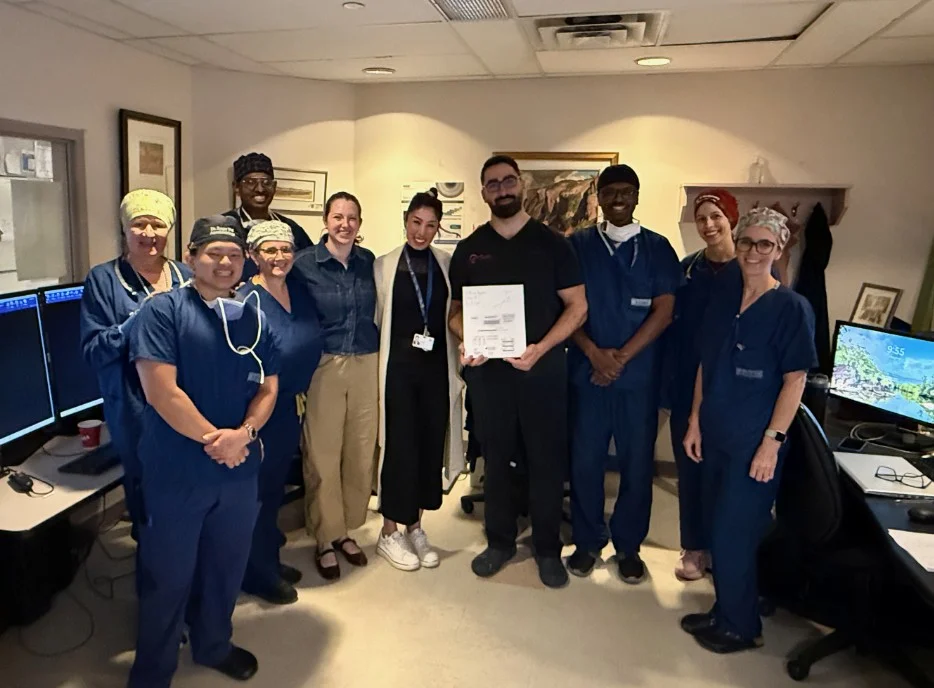
- Current Milestone – First Canadian Enrollment: The enrollment of the first Canadian patient at The Ottawa Hospital represents a critical expansion of the B-SILENT study’s geographical reach and patient population diversity. This not only accelerates recruitment but also ensures that the data collected is representative of different healthcare systems and patient demographics, strengthening the robustness of the eventual clinical evidence.
Voices from the Forefront: Leadership and Clinical Perspective
The successful enrollment in Ottawa has elicited strong positive reactions from the leadership at Sonorous Neurovascular and the principal investigator at The Ottawa Hospital, underscoring the collaborative spirit and shared vision driving the B-SILENT study.
Joel Harris, CEO of Sonorous Neurovascular, articulated the profound significance of this milestone: "Achieving our first enrollment in Ottawa is an important milestone for Sonorous Neurovascular and, most importantly, for patients living with debilitating pulsatile tinnitus. With four sites already actively enrolling in France and now our first Canadian enrollment complete, B-SILENT is advancing exactly as planned. We are immensely grateful to Dr. Fahed and the dedicated team at The Ottawa Hospital for their partnership, and to our tireless study teams across France and Canada for the continued momentum they generate. This is an exciting step forward for the program and, more critically, for the patients we are committed to serving." Harris’s statement highlights not only the operational success but also the deeply patient-centric mission of the company.

Dr. Robert Fahed, the esteemed Principal Investigator for the B-SILENT study at The Ottawa Hospital, echoed this sentiment, emphasizing the clinical need and the promise of the investigational device. "As Principal Investigator for the B-SILENT study at The Ottawa Hospital, I’m encouraged by the successful enrollment of our first patient," Dr. Fahed stated. "Pulsatile tinnitus can be a debilitating and often under-recognized condition, profoundly impacting patients’ lives. Studies like B-SILENT are not just important steps; they are crucial advancements toward equipping physicians with new, purpose-built tools to help patients who currently have very limited and often unsatisfactory options. I eagerly anticipate our site’s continued and impactful contribution to this vital study, and the potential relief it could bring to countless individuals." Dr. Fahed’s perspective as a leading neurointerventionalist lends significant weight to the study’s importance, acknowledging the historical challenges in managing this complex condition.
The broader medical community, particularly specialists in neurointerventional radiology, neurology, and otolaryngology, are likely to view these developments with considerable interest and optimism. The advent of a dedicated, purpose-built stent specifically designed for cerebral venous sinus stenosis and its associated pulsatile tinnitus could represent a paradigm shift. For too long, clinicians have had to rely on off-label use of devices designed for arterial pathologies or resort to less effective symptomatic management. Patient advocacy groups for tinnitus sufferers are also expected to welcome this progress, as it signifies increased research and a focused effort to address a condition that often leads to isolation and despair.
Broader Impact and Future Implications
The B-SILENT study’s expansion into Canada and its continued progress hold multifaceted implications, extending far beyond the immediate clinical trial.
- For Patients: The most profound impact will be on patients suffering from debilitating pulsatile tinnitus. A successful outcome for the BosSTENT could mean access to a dedicated, effective, and potentially life-changing treatment. For individuals whose lives are constantly disrupted by the rhythmic sound in their ears, this represents the promise of regaining peace, improving sleep quality, reducing anxiety, and ultimately, restoring a higher quality of life. It also offers hope for a more streamlined diagnostic and treatment pathway, reducing the often-arduous journey patients currently endure.
- For Sonorous Neurovascular: This accelerated international clinical development positions Sonorous Neurovascular as a significant innovator and leader in the niche but critical field of cerebral venous disorders. Successfully navigating international regulatory pathways (FDA Breakthrough, 510(k) clearance, and the pursuit of CE Mark) demonstrates robust R&D capabilities and strategic market planning. The successful execution of a multi-national clinical trial enhances the company’s credibility and attractiveness for future investment and partnerships. It validates their specialized focus and the engineering principles behind their devices.
- For the Neurovascular Field: The B-SILENT study pushes the boundaries of neurovascular intervention. While arterial stenting for conditions like aneurysms and strokes is well-established, venous stenting is a comparatively newer frontier, particularly for functional symptoms like pulsatile tinnitus. Success with the BosSTENT could pave the way for broader acceptance and further research into venous interventions for other cerebral venous disorders, potentially expanding the therapeutic toolkit for neurointerventionalists worldwide. It highlights the intricate connection between hemodynamics and auditory perception, fostering a deeper understanding of neurovascular pathologies.
- International Collaboration and Research: The multi-national nature of the B-SILENT study underscores the increasing importance of global collaboration in medical research. By involving leading institutions and investigators across different continents, Sonorous Neurovascular is able to leverage diverse clinical expertise, accelerate patient enrollment, and generate data that is more globally applicable. This model of international partnership is becoming increasingly vital for addressing complex medical challenges and bringing innovative treatments to a wider patient population more efficiently.
- Economic Landscape: The development of a purpose-built device for a previously underserved condition can also have a notable economic impact. It creates a new market segment within neurovascular devices, stimulating competition and further innovation. For healthcare systems, an effective treatment that improves patient outcomes and reduces long-term disability can lead to overall cost savings by decreasing the need for chronic symptom management and related psychological support.
Sonorous Neurovascular: A Vision for the Future
Headquartered in Lake Forest, California, Sonorous Neurovascular is steadfast in its mission to revolutionize the treatment of cerebral venous diseases. The company’s innovative portfolio, anchored by the BosSTENT™ (with its prestigious FDA Breakthrough Device Designation) and complemented by the BosCATH™ neurovascular catheter, embodies its commitment to providing safe, effective, and precisely engineered solutions designed to enhance patient outcomes significantly.
As the B-SILENT study (NCT07070089) continues its international trajectory, evaluating the investigational BosSTENT™ for debilitating pulsatile tinnitus at its expanding network of sites in France and Canada, Sonorous Neurovascular remains dedicated to advancing both its U.S. and international regulatory pathways. The company’s ongoing research is poised to not only address pulsatile tinnitus but also to explore broader applications for its neurovascular technologies across a spectrum of cerebral venous disorders, aiming to alleviate suffering and improve the lives of countless patients globally. The momentum generated by the first Canadian enrollment is a clear indicator that the future of treating these complex conditions is rapidly evolving towards more targeted and effective interventions.