The Genesis of a Community-Led Initiative
The development of VOZ SOS CAAPAZ began as a critical response to systemic gaps in speech therapy. For years, practitioners have observed that while clinical intervention is essential, the traditional "once or twice weekly" model often fails to provide the rich, multimodal environment necessary for robust language development. Ordóñez, reflecting on her clinical practice, began to challenge the "ableist" foundations of speech therapy that prioritize spoken language as the singular, gold-standard benchmark for human communication.
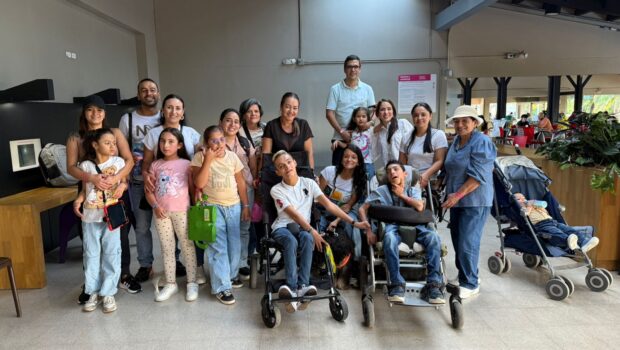
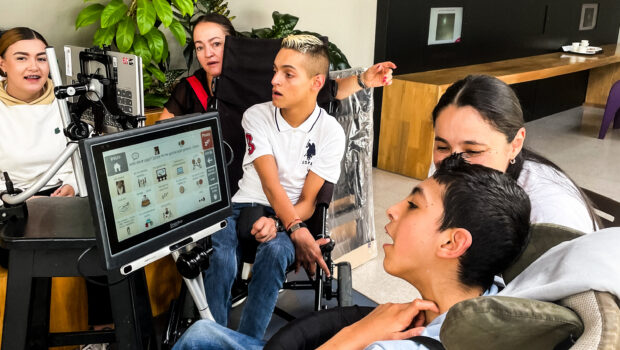
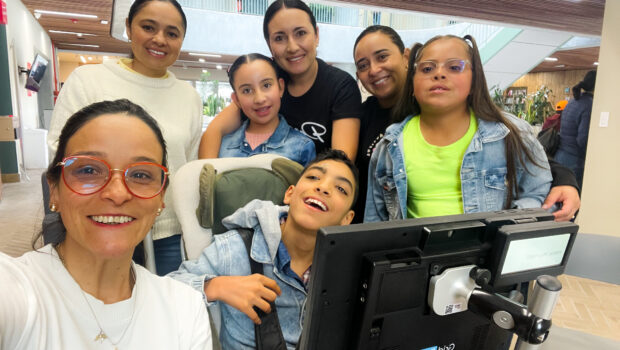
In October 2025, these philosophical inquiries culminated in the first public gathering of the project. The event was intentionally timed to coincide with AAC Awareness Month, a global initiative aimed at raising the profile of non-speaking communication methods. By facilitating a meeting in a public, sensory-rich environment like the Comfama Rionegro park, the project sought to normalize the use of communication devices—including eye-tracking technology and tablet-based apps—in everyday public life.
Theoretical Framework and Professional Development
The success of VOZ SOS CAAPAZ is grounded in three distinct intellectual and practical pillars that have influenced its development since 2024:
- Neuroaffirmative Practice: Through the "CAAmigos Angelman" program, Ordóñez and her colleagues have adopted a neuroaffirmative model that respects the intrinsic communication rights of individuals regardless of their speech capabilities. This involves "presuming competence"—an evidence-based approach that assumes all individuals have the capacity to learn and communicate, regardless of the severity of their motor or sensory challenges.
- User-Centered Research: The initiative draws heavily from the principles outlined in the International Society for Augmentative and Alternative Communication (ISAAC) journal. Specifically, the 2025 call to action, "Nothing About AAC Users Without AAC Users," has served as a policy blueprint for the group. This principle mandates that individuals with communication challenges must be primary stakeholders in the design, implementation, and evaluation of any service or technology intended to support them.
- Relationship-Based Learning: Moving away from rote drills, the project utilizes a pedagogical model where communication partners—family members, caregivers, and therapists—undergo continuous training. The goal is to create a "horizontal" relationship where the AAC user is not a passive recipient of therapy but an active participant in an interactive, social loop.
Chronology of Implementation
The rollout of VOZ SOS CAAPAZ has been deliberate, focusing on scalable, high-impact community events:
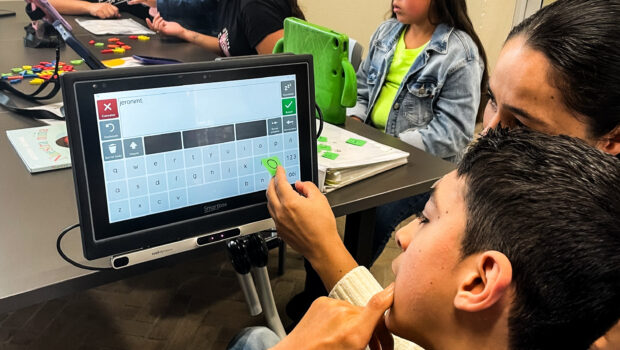
- October 2025 (Launch): The inaugural event at Comfama Rionegro featured six AAC users utilizing a diverse array of systems, including Td Snap, Communicator 5 with eye-tracking, Proloquo2go, and Grid 3 software. The event served as both a social gathering and a public demonstration, engaging park visitors and staff.
- February 2026 (Literacy Focus): The second major milestone occurred at a public library in Rionegro. This session focused on "Comprehensive Literacy," a model advocated by experts like Erin Sheldon. The session emphasized print knowledge and text interaction, recognizing that literacy is a fundamental right often denied to non-speaking populations due to low expectations.
Data-Driven Implications for AAC Service Delivery
The demographics of the project participants reflect a wide spectrum of assistive technology needs. In the initial sessions, organizers reported a mix of users ranging from those at the "emergent" stage of literacy to those with more established communication repertoires. The inclusion of family members—including parents and siblings—is a critical component of the data. By involving families, the initiative increases the "communication density" of the home environment, ensuring that the skills practiced during the monthly sessions are reinforced in daily life.
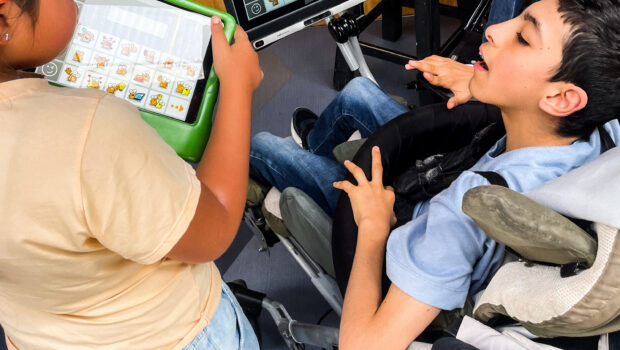
The feedback from participants underscores the necessity of these gatherings. Pablo Andrés Calderón Gómez, an AAC user who utilizes Tobii eye-tracking technology, noted following the October event that the opportunity to meet peers was essential, stating, "We need more people with this Right to Communication." This sentiment highlights a common deficit in the current healthcare model: the lack of community infrastructure for AAC users to build social networks outside of clinical or school settings.
Broader Societal Impact and Future Projections
The implications of the VOZ SOS CAAPAZ model extend beyond the borders of Antioquia. The project serves as a case study for how speech-language pathology can evolve from a clinical, one-on-one service to a community-based, advocacy-driven profession.
Key findings and future objectives include:
- Dismantling the "Speaking-First" Bias: The project highlights that current clinical training often fails to adequately prepare therapists to support non-speaking individuals. By fostering an environment where non-speaking communication is the norm, the initiative acts as a training ground for both therapists and families to "unlearn" exclusionary habits.
- Literacy as an Equalizer: By providing exposure to literacy materials in public spaces, the program challenges the assumption that AAC users cannot engage with complex educational concepts. Data from the February 2026 session suggests that public libraries can be transformed into effective, inclusive learning hubs for individuals with complex communication needs.
- Logistical Scalability: While currently operating on a monthly basis, the project is designed to be a template for other municipalities. The focus on public, accessible spaces—parks and libraries—minimizes the financial and logistical barriers that often prevent lower-income families from accessing specialized, high-cost therapy centers.
A Call to Action for Stakeholders
The project’s leadership emphasizes that the success of VOZ SOS CAAPAZ is contingent upon the active participation of families. The primary recommendation for parents and caregivers is to "look beyond the ceiling"—a metaphor for the artificial limits often placed on AAC users by traditional therapeutic models. If a therapy program limits access to communication devices or restricts educational opportunities based on a child’s perceived "readiness," the project suggests that stakeholders should seek alternatives that prioritize autonomy and the right to communicate.
As the project continues to evolve, the focus remains on the "VOZ" (Voice) of the individual. By providing the tools for expression and the social spaces for interaction, the initiative is effectively de-institutionalizing communication. It reinforces the fact that every human being has a voice, even if it is not produced through traditional speech. The challenge for the broader global community is to provide the consistent, high-quality, and inclusive environments required to ensure that those voices are not only heard but understood and respected.
Through its integration of evidence-based pedagogy, neuroaffirmative ethics, and community-led logistics, VOZ SOS CAAPAZ provides a roadmap for the future of AAC. It stands as a testament to the belief that the right to communicate is not merely a clinical goal, but a fundamental human right that must be practiced, defended, and nurtured in the public square.