A New Paradigm in Alzheimer’s Research
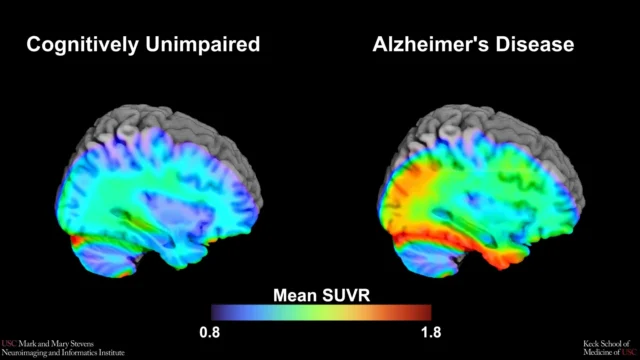
For decades, the "amyloid hypothesis" has dominated Alzheimer’s research, focusing on the accumulation of amyloid-beta plaques and tau protein tangles as the primary drivers of the disease. However, this model has long been plagued by inconsistencies. An estimated 400 million people worldwide are affected by Alzheimer’s, yet clinical trials targeting amyloid beta have yielded only modest results in slowing cognitive decline, rarely reversing it. Furthermore, postmortem examinations have frequently revealed brains riddled with plaques in individuals who showed no signs of cognitive impairment during their lives.
The Harvard study, led by senior author Bruce Yankner, a professor of genetics and neurology at the Blavatnik Institute at HMS, proposes that the presence of amyloid is only part of the equation. Yankner, who was the first to demonstrate the toxicity of amyloid beta in the 1990s, now suggests that the earliest spark of the disease may be the depletion of natural lithium. According to the study, lithium occurs naturally in the human brain and is vital for the health of all major brain cell types. When this lithium is depleted—primarily through a process where it is "trapped" by amyloid plaques—the brain’s protective mechanisms crumble, leading to the hallmarks of dementia.
The Decade-Long Chronology of Discovery
The journey to this discovery began ten years ago when Yankner and his team were investigating REST (RE1-Silencing Transcription factor), a protein known to protect neurons from aging and various stresses. During their experiments, they observed that lithium appeared to influence REST levels and overall neuroprotection. This sparked a fundamental question: Is lithium a natural component of the healthy brain, and does its absence contribute to disease?
To answer this, the researchers required access to high-quality human brain tissue across the entire spectrum of cognitive health. They partnered with the Rush Memory and Aging Project in Chicago, a longitudinal study that has followed thousands of participants, many of whom donate their brains for research upon death. By analyzing tissue from individuals at various stages—ranging from cognitively healthy to those with mild cognitive impairment (MCI) and advanced Alzheimer’s—the team could observe the disease’s progression in reverse.
Using advanced mass spectroscopy to measure trace levels of 30 different metals in the brain and blood, the team discovered a striking pattern. While most metal levels remained consistent, lithium was the outlier. In cognitively healthy donors, lithium levels were robust. In those with MCI, levels had already begun to plummet, and in those with advanced Alzheimer’s, lithium was significantly diminished. This established that lithium loss is one of the earliest detectable changes in the Alzheimer’s brain, occurring well before extensive neuronal death.
The Mechanism of Lithium Sequestration
The study’s most critical mechanical finding is how lithium vanishes from the brain’s functional landscape. The researchers discovered that as amyloid-beta proteins begin to clump together into plaques, they act like a chemical sponge, binding to and sequestering natural lithium. This "capture" prevents lithium from performing its biological roles, such as regulating inflammatory microglia and maintaining the synaptic connections between neurons.
In a series of mouse models, the team demonstrated that inducing a lithium deficiency—by restricting dietary intake to match the levels seen in Alzheimer’s patients—dramatically accelerated the aging process of the brain. These mice showed increased brain inflammation, loss of the protective myelin sheath around axons, and a rapid decline in memory. Furthermore, the lithium-depleted environment activated the APOE gene and other genetic risk factors associated with Alzheimer’s, effectively "turning on" the disease process.
The researchers concluded that the "Alzheimer’s paradox"—where some people have plaques but no dementia—may be explained by their brain’s lithium reserves. If an individual has enough lithium to satisfy the "tax" taken by amyloid plaques while still maintaining enough for cellular function, they may remain cognitively intact despite the presence of pathology.
Therapeutic Breakthrough: The Promise of Lithium Orotate
One of the primary hurdles in using lithium as a treatment has been its narrow therapeutic window. Lithium carbonate, the standard treatment for bipolar disorder, requires high doses that can be toxic to the kidneys and thyroid, particularly in elderly patients. However, the Harvard team identified a novel approach using a different compound: lithium orotate.
The researchers developed a screening platform to find lithium compounds that could "evade" capture by amyloid beta. They found that lithium orotate could pass through the brain and perform its protective functions without being sequestered by plaques. Most notably, this compound was effective in mice at doses approximately one-thousandth of those used in traditional psychiatric treatment.
In experimental trials, mice treated with low-dose lithium orotate for their entire adult lives showed no signs of toxicity. When given to older mice already exhibiting advanced Alzheimer’s pathology, the compound reversed brain cell damage, restored synaptic density, and returned memory function to near-normal levels. Yankner noted that the widespread effect of lithium on various manifestations of the disease—from inflammation to gene expression—is unprecedented in his decades of research.
Supporting Data and Broader Implications
The Harvard study aligns with previous epidemiological data that has long puzzled public health officials. Population studies in countries like Denmark, Japan, and the United States have consistently shown that regions with higher trace levels of lithium in the drinking water correlate with lower rates of dementia and suicide. Until now, these observations were considered purely correlative. The HMS study provides the first biological mechanism to explain these statistics, framing lithium not as a drug, but as an essential micronutrient for the brain, akin to iron or vitamin C.
The implications for diagnosis and prevention are profound. If lithium depletion is a primary driver of the disease, routine blood tests for lithium levels could serve as an early warning system for Alzheimer’s risk. Individuals identified with low lithium levels could potentially be treated with supplemental lithium orotate to maintain brain health and delay or prevent the onset of symptoms.
Expert Reactions and the Path Forward
The scientific community has reacted to the findings with a mixture of excitement and professional caution. While the results in mouse models and postmortem human tissue are compelling, the researchers emphasize that human clinical trials are the necessary next step.
"You have to be careful about extrapolating from mouse models," Yankner cautioned in a statement accompanying the study. "But so far the results are very encouraging. My hope is that lithium will do something more fundamental than anti-amyloid or anti-tau therapies, not just lessening but reversing cognitive decline."
Independent neurologists have noted that if these findings hold true in humans, they could shift the focus of Alzheimer’s treatment from "clearing the trash" (removing plaques) to "restoring the fuel" (replenishing lithium). This shift could lead to more affordable and accessible treatments, as lithium is a relatively inexpensive element compared to the complex monoclonal antibodies currently used in anti-amyloid therapies.
The study also raises questions about modern dietary and environmental factors. If lithium is a required nutrient, have changes in water filtration or agricultural practices contributed to the rising rates of Alzheimer’s? This "environmental deficiency" hypothesis will likely be a major area of future inquiry.
Conclusion and Future Outlook
The Harvard Medical School study marks a potential turning point in the fight against Alzheimer’s disease. By identifying lithium deficiency as a central mechanism that links amyloid accumulation to cognitive decline, the research offers a cohesive framework for understanding the disease’s complexity.
The next phase of research will involve controlled human clinical trials to determine the safety and efficacy of low-dose lithium orotate in preventing and treating dementia. While the researchers strongly advise against the public self-administering lithium supplements—due to the need for precise dosing and the lack of long-term human data for this specific application—the study provides a clear roadmap for a new generation of Alzheimer’s therapies. For the millions of families affected by the disease, the discovery of a natural, brain-protecting element offers a new and potent source of hope.