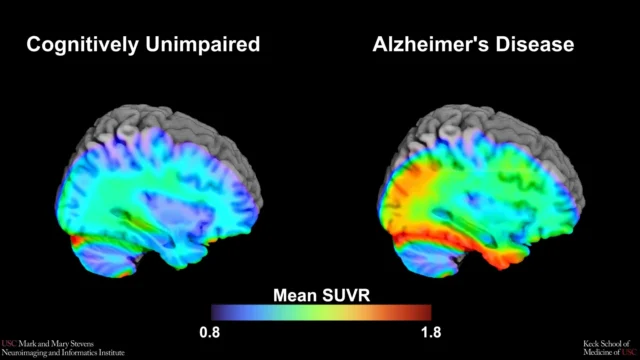

The investigation focused on seven specific sweeteners that have become ubiquitous in the modern global diet: aspartame, saccharin, acesulfame-K, erythritol, xylitol, sorbitol, and tagatose. These substances are primary ingredients in a vast array of ultra-processed foods, ranging from diet sodas and flavored waters to "low-fat" yogurts and sugar-free desserts. As global health organizations continue to warn against excessive refined sugar consumption, these alternatives have seen a massive surge in popularity. However, this new data suggests that the trade-off for reduced caloric intake may involve unforeseen neurological costs.
Methodology and Study Design
The study, led by Dr. Claudia Kimie Suemoto of the University of São Paulo in Brazil, involved 12,772 participants. The cohort was diverse, with an average age of 52 at the start of the observation period. This middle-aged demographic is considered critical for studying cognitive health, as it is the period when subtle changes in brain function often begin to manifest before progressing into more severe conditions in later life.
To ensure a robust data set, researchers followed the participants for an average of eight years. At the outset, participants provided detailed dietary information through comprehensive questionnaires, recording their consumption of foods and beverages over the preceding 12 months. This allowed the research team to categorize the participants into three distinct tiers based on their daily intake of artificial sweeteners:
- The Lowest Intake Group: Averaged approximately 20 milligrams per day (mg/day).
- The Middle Intake Group: Averaged a moderate level of consumption.
- The Highest Intake Group: Averaged 191 mg/day or more.
To put these numbers into a practical context, 191 mg of aspartame is roughly equivalent to the amount found in a single 12-ounce can of diet soda. Among the sweeteners studied, sorbitol showed the highest average consumption rates, with a mean of 64 mg/day across the entire study population.
Tracking Cognitive Trajectories
The core of the research relied on a series of standardized cognitive assessments administered at three pivotal points: the beginning of the study, the midpoint, and the conclusion. These tests were designed to evaluate multiple domains of brain health, including:
- Verbal Fluency: The ability to retrieve information from memory and form coherent speech.
- Working Memory: The capacity to hold and manipulate information over short periods.
- Word Recall: A measure of episodic memory and the ability to retain new information.
- Processing Speed: The time taken to complete mental tasks and respond to stimuli.
By tracking these metrics over eight years, researchers could calculate the "slope" of cognitive decline for each participant, adjusting for confounding variables such as age, sex, education level, smoking status, physical activity, and existing health conditions like hypertension and cardiovascular disease.
Key Findings: The 62% Acceleration
The results revealed a stark contrast between the consumption groups. Participants in the highest intake category exhibited an overall decline in thinking and memory skills that was 62% faster than those in the lowest consumption group. In terms of biological impact, this acceleration is comparable to 1.6 years of natural brain aging.
Even moderate consumption showed a notable effect. Those in the middle group experienced a cognitive decline 35% faster than the lowest group, which researchers equated to roughly 1.3 years of additional aging. These findings were particularly pronounced in specific areas of the brain’s executive function.
"Low- and no-calorie sweeteners are often seen as a healthy alternative to sugar, however our findings suggest certain sweeteners may have negative effects on brain health over time," Dr. Suemoto stated. Her remarks highlight a growing concern in the medical community that the widespread replacement of sugar with synthetic chemicals may be a case of trading one public health crisis for another.
Age and Diabetes as Risk Factors
One of the most striking aspects of the study was the demographic breakdown of the risk. The link between high sweetener intake and cognitive decline was significantly stronger in participants under the age of 60. In this younger-to-middle-aged group, high consumption was tied to faster declines in both verbal fluency and global cognition. Interestingly, the researchers did not find the same statistically significant links in participants over the age of 60. This suggests that the brain may be particularly vulnerable to the effects of these additives during the mid-life period, or that the cumulative exposure over decades begins to manifest most clearly during these years.
Furthermore, the study identified a heightened risk for individuals living with diabetes. While the link to cognitive decline was present in the general population, it was markedly more severe among diabetics. "While we found links to cognitive decline for middle-aged people both with and without diabetes, people with diabetes are more likely to use artificial sweeteners as sugar substitutes," Suemoto noted. This creates a double-edged sword for diabetic patients who use these products to manage blood glucose levels, potentially compromising their long-term neurological health in the process.
Individual Sweetener Performance
While most of the sweeteners studied—including aspartame, saccharin, acesulfame-K, erythritol, sorbitol, and xylitol—showed a negative correlation with cognitive maintenance, one substance stood out as an outlier. The researchers found no link between the consumption of tagatose and cognitive decline. Tagatose, a rare sugar that is naturally occurring but often produced commercially, has a lower glycemic index than sucrose and has been studied for potential prebiotic effects, which may explain its different profile in this study.
Conversely, the negative associations for the other six sweeteners were most visible in the domain of memory. This aligns with emerging theories in nutritional neuroscience regarding how certain synthetic compounds may interact with the blood-brain barrier or influence the gut-microbiome-brain axis.
Context and Broader Implications
This study arrives at a time of shifting paradigms regarding sugar alternatives. For decades, the primary concern regarding artificial sweeteners was their potential carcinogenicity—a link that has been largely debunked or found to be negligible in human-level doses for most common sweeteners. However, the focus has recently shifted toward metabolic and neurological impacts.
In 2023, the World Health Organization (WHO) issued a conditional guideline suggesting that non-sugar sweeteners (NSS) should not be used as a means of achieving weight control or reducing the risk of non-communicable diseases. The WHO noted that long-term use of NSS might lead to "potential undesirable effects," such as an increased risk of type 2 diabetes and cardiovascular diseases. The 2025 Neurology study adds a critical neurological dimension to these warnings.
The mechanism behind this decline remains a subject of intense debate. Some researchers hypothesize that artificial sweeteners may disrupt the gut microbiota, which plays a crucial role in producing neurotransmitters and regulating systemic inflammation—both of which are vital for brain health. Others suggest that these sweeteners may interfere with the brain’s "reward system," leading to metabolic dysregulation that indirectly affects cognitive reserve.
Limitations and Future Research
Despite the large sample size and rigorous testing, the study authors acknowledged several limitations. Because the diet information was self-reported, it is subject to recall bias; participants may not have accurately remembered every item consumed or may have under-reported "unhealthy" habits. Additionally, the study did not include every artificial sweetener currently on the market, meaning the effects of newer or less common substitutes remain unknown.
Most importantly, as an observational study, it cannot prove that the sweeteners caused the cognitive decline. It remains possible that "reverse causation" is at play—where individuals who already sense a decline in their health or are at higher risk for metabolic issues choose to consume more diet products.
Dr. Suemoto emphasized the need for further investigation into more natural alternatives. "More research is needed to confirm our findings and to investigate if other refined sugar alternatives, such as applesauce, honey, maple syrup or coconut sugar, may be effective alternatives," she said.
Conclusion and Public Health Outlook
The findings from the University of São Paulo represent a significant contribution to the growing body of evidence suggesting that ultra-processed additives may have long-reaching consequences for the human nervous system. As the average age of the global population rises, the preservation of cognitive health has become a top priority for public health officials.
The Brazilian Ministry of Health, along with the Ministry of Science, Technology, and Innovation, supported this research, reflecting a national interest in the impacts of diet on aging. If these findings are replicated in other international cohorts, it may lead to a fundamental reassessment of how "diet" foods are marketed and consumed. For now, the study serves as a cautionary note for consumers: the path to better health may not be as simple as replacing a sugar cube with a synthetic packet, and the true cost of "zero-calorie" sweetness may be measured in the longevity of the mind.