
Respiratory Protection and Ambient Air Innovation
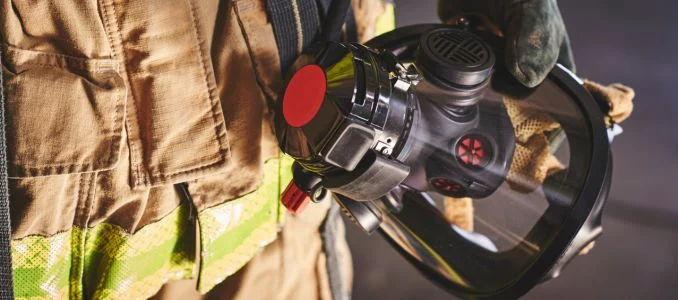
The introduction of the Bullard EDP12 Ambient Air Pump represents a significant development for industries relying on tight-fitting respiratory protection. By enabling two users to connect simultaneously to a single air supply, the EDP12 streamlines equipment logistics, particularly for labor-intensive tasks like spray foam insulation and industrial coating.
The core advantage of the EDP12 lies in its method of air delivery. Unlike traditional compressor-based systems that may introduce contaminants—such as carbon monoxide, oil mists, or water vapor—if filtration systems fail, an ambient air pump draws from the surrounding environment. Provided the intake is positioned in a non-contaminated area, the system delivers consistent, breathable air. This design effectively mitigates the risk of toxic gas inhalation, a persistent concern in confined-space or chemical-handling environments. For facilities using the Bullard CC20, RT, Spectrum, GR50, GVX, and 88VX respirator series, the integration of this pump into existing workflows is expected to reduce downtime associated with equipment calibration and maintenance.

Enhancing Safety in Hazardous Environments
Illumination remains a foundational element of safety, especially in Class I, Division 2 environments where the presence of flammable gases or vapors necessitates explosion-proof equipment. Streamlight Inc.’s latest iteration of the Trident and Septor headlamps directly addresses the dual needs of visibility and rigorous safety certification.
The upgraded models, now featuring IPX7 waterproof ratings, ensure that equipment integrity is maintained even in high-moisture or submerged conditions. The engineering decision to balance the Trident’s spot-and-flood LED functionality with the Septor’s broad-beam task lighting allows workers to adapt to varying spatial requirements without sacrificing safety. With an output of 200 lumens, these headlamps provide adequate illumination for detailed technical tasks, while the Septor’s 55-hour battery life addresses the logistical reality of long-shift operations in remote or hazardous sectors. By standardizing these units across industrial maintenance teams, facilities can minimize the risk of human error caused by inadequate lighting, which historically accounts for a notable percentage of slips, trips, and falls in industrial settings.

Precision Cutting and Injury Prevention
Hand injuries remain one of the most frequent types of reportable workplace accidents. OLFA North America’s release of the PK-2 Disposable Bag Cutter addresses this via a design that emphasizes the containment of the cutting edge.
The transition toward recessed-blade tools is a growing trend in warehouse and food service safety protocols. By eliminating the necessity for manual blade changes—which are often when lacerations occur—the PK-2 serves as a "maintenance-free" solution. The high-visibility handle is also a deliberate safety feature, intended to ensure the tool is easily identifiable in cluttered work areas, thereby reducing the likelihood of it being left in a position that could cause a secondary injury. This product launch reflects a broader industry movement toward "passive safety," where the tool itself is designed to prevent injury regardless of the user’s specific level of caution, effectively compensating for the unpredictable nature of fast-paced industrial environments.

The Evolution of PFAS Environmental Testing
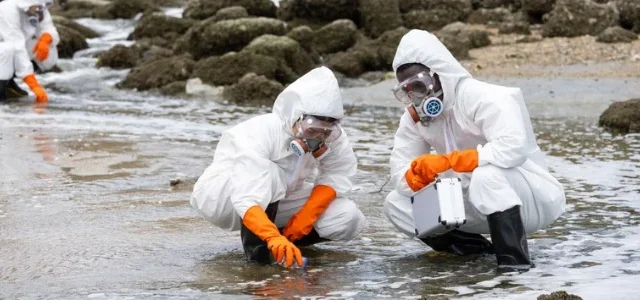
Environmental compliance is currently dominated by the regulatory scrutiny surrounding per- and polyfluoroalkyl substances (PFAS). The recent accreditation of DOD Labs—specifically the TNI Laboratory Accreditation and ISO/IEC 17025:2017 certification—underscores the technical rigor now required to address these "forever chemicals."
PFAS contamination has become a focal point for municipalities and industrial operators alike, following EPA-approved methodology mandates. The ability of DOD Labs to test across diverse media—including soil, groundwater, and landfill leachate—provides a comprehensive diagnostic capability for entities attempting to manage long-term liability. The implications of this are significant: as federal and state compliance standards tighten, facilities that lack access to certified, high-precision testing risk significant legal and environmental repercussions. This accreditation represents a vital piece of infrastructure for organizations aiming to perform proactive site assessments before contamination issues escalate into regulatory violations or community health crises.

Integrating Safety into Corporate Strategy
Beyond mechanical and environmental tools, the "human factor" remains the most critical component of workplace safety. Brian L. Fielkow’s new publication, "Making Safety Happen: The Roadmap to a Safe, Productive & Profitable Business," provides a formal framework for shifting safety from a reactive compliance requirement to a proactive business driver.
Drawing from his experience as a logistics executive, Fielkow argues that safety culture is often siloed away from core operations, leading to a disconnect between management policy and worker reality. His framework emphasizes "employee-owned" safety processes, where frontline workers are empowered to act as the primary monitors of risk.

From an analytical standpoint, the book addresses the common misconception that safety expenditures are purely a cost center. By detailing how robust safety cultures enhance productivity and reduce the indirect costs of accidents—such as worker turnover, equipment damage, and legal fees—Fielkow provides a business case for safety that resonates with executive leadership. This approach is particularly relevant in high-hazard industries, where the correlation between safety performance and overall business resilience has been empirically proven in various longitudinal studies.
Broader Implications and Industry Outlook
The products and strategies highlighted this week demonstrate a multifaceted approach to risk management. Whether through the physical protection offered by advanced respiratory pumps and specialized cutters, or the strategic oversight provided by new safety leadership frameworks, the overarching objective remains the reduction of the "accident-to-incident" ratio.

Looking toward the remainder of 2026, it is evident that the industrial sector is shifting toward a more integrated model of safety. The synergy between regulatory-compliant testing, such as the PFAS analysis offered by DOD Labs, and the adoption of high-visibility, injury-preventative tools suggests that safety is becoming increasingly data-driven and user-focused.
For safety managers and industrial procurement teams, the takeaway from these developments is clear: the most effective safety programs are those that remove the burden of safety from the individual worker through intelligent design, while simultaneously fostering a culture where safety is viewed as a prerequisite for, rather than an obstacle to, operational success. As these technologies are integrated into the industrial supply chain, the industry will likely see a continued reduction in preventable incidents, provided that these tools are accompanied by ongoing training and a commitment to the cultural frameworks that underpin a truly safe workplace.

The convergence of these specific advancements—from the granular level of the blade used to open a package to the macro level of environmental testing and corporate leadership—illustrates the holistic nature of the modern safety mandate. As standards continue to rise, the capacity of an organization to adopt these new technologies and methodologies will likely serve as a primary differentiator between market leaders and those struggling to meet the baseline requirements of the modern industrial age.