The Clinical Context of Auditory Neuropathy Spectrum Disorder
Auditory Neuropathy Spectrum Disorder (ANSD) is a complex hearing condition where the inner ear successfully detects sound, but the signal sent from the ear to the brain is disrupted. Unlike standard sensorineural hearing loss, which often stems from damage to the hair cells in the cochlea, ANSD typically involves issues with the auditory nerve or the transmission of signals between the hair cells and the nerve.
According to the National Institute on Deafness and Other Communication Disorders (NIDCD), ANSD presents a wide spectrum of severity. Some individuals may experience mild difficulties in background noise, while others may face profound hearing loss. The variability of the disorder makes early diagnosis via Objective Auditory Brainstem Response (ABR) testing critical. For children like Raiden, this diagnosis means navigating a world where specific pitches are muffled or distorted, often leading to secondary speech and language delays if not addressed through consistent auditory rehabilitation and amplification technology.
A Chronology of Early Intervention and Educational Strategy
The trajectory of a child diagnosed with a hearing impairment is significantly improved by intervention within the first three years of life—a period defined by rapid neurological development.
- Birth and Diagnosis: Upon receiving an ANSD diagnosis, families are typically referred to early intervention programs. This period is often characterized by intensive testing to map the child’s hearing thresholds across different frequencies.
- The Transition to Specialized Education: Families frequently face a critical decision point: selecting between a mainstream preschool or a specialized environment. While proximity to home is often a logistical priority, parents increasingly weigh this against the availability of on-site audiology, specialized speech therapy, and classroom amplification systems.
- The Blended Classroom Model: Programs such as those offered by Listen & Talk prioritize an integrated setting. In these environments, the goal is to provide a "language-rich" atmosphere. By learning alongside hearing peers, children with hearing loss are exposed to age-appropriate language models, which can accelerate their own speech development.
The Mechanics of the Blended Classroom
The efficacy of the Blended Classroom model relies on a dual-pronged approach: the inclusion of diverse peer groups and the integration of therapeutic support within the school day. Unlike traditional schools where a child might be pulled out of class for hours to attend external therapy sessions, the Blended Classroom model often embeds these services into the curriculum.
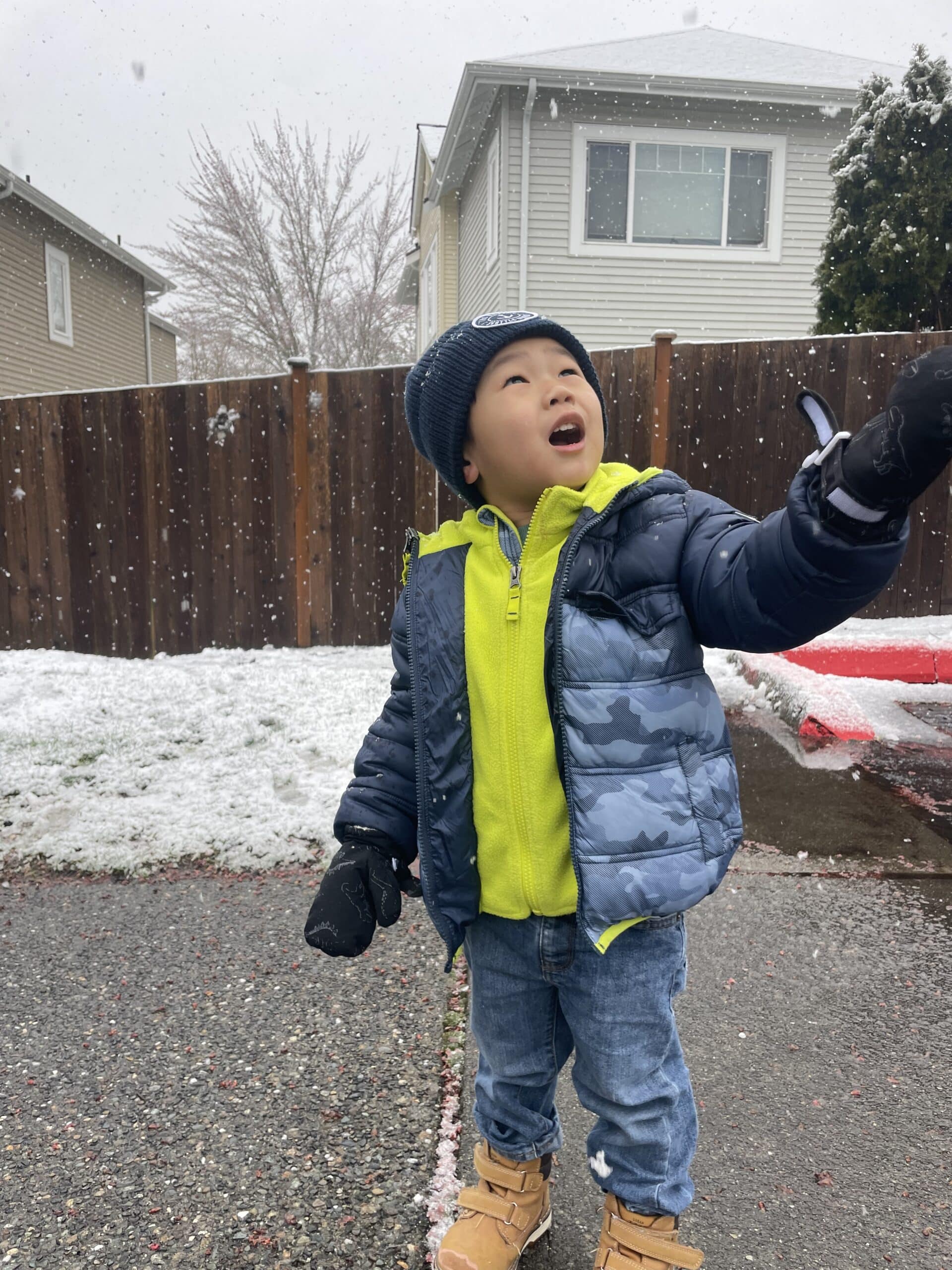
For children utilizing hearing aids or cochlear implants, the environment must be optimized. This includes the use of sound-field amplification systems, which project a teacher’s voice uniformly throughout the room, reducing the impact of ambient noise. Furthermore, the model emphasizes the development of "self-advocacy." As children progress toward kindergarten, they are taught to recognize when their equipment is not functioning, how to request a repeat of information, and how to articulate their hearing needs to instructors and peers.
Supporting Data and Long-Term Developmental Outcomes
Research consistently underscores the impact of high-quality early childhood education on children with hearing loss. A study published in the Journal of Deaf Studies and Deaf Education indicates that children who participate in integrated, auditorily-focused programs show significantly higher performance in expressive and receptive language tests compared to those in isolated environments.
Data from the American Speech-Language-Hearing Association (ASHA) suggests that early, consistent use of amplification—combined with speech therapy—can close the language gap between children with hearing loss and their peers by the time they reach elementary school. For Raiden, the progress noted in his transition from single-word utterances to complex, three-to-four-word sentences is a hallmark of this accelerated development. Such progress is rarely anecdotal; it is the result of consistent auditory training that reduces "ear defensiveness"—a common physiological reaction where a child resists wearing an aid due to sensory processing sensitivity—and increases the "dosage" of sound input the child receives daily.
The Role of Advocacy and Parental Involvement
A vital component of the modern educational framework for deaf and hard-of-hearing children is the empowerment of the family unit. Parental training is not merely a supplemental benefit; it is a clinical requirement for success. Families are taught techniques to manage hearing technology, troubleshoot device malfunctions, and create an environment at home that mirrors the auditory stimulation provided at school.
"Empowering families to advocate for hearing services is as important as the services themselves," notes a spokesperson for specialized pediatric auditory programs. As children move from early intervention to primary education, they will inevitably enter environments with varying levels of resources. The advocacy skills they learn in the preschool years serve as a protective factor, ensuring that the student knows how to navigate systemic barriers to communication throughout their academic career.
Broader Implications for Social Impact
The financial and social burden of hearing loss, when left unaddressed, is substantial. Without early intervention, children are at a statistically higher risk for academic underachievement, social isolation, and lower long-term career attainment. Consequently, the expansion of blended, resource-rich programs is a matter of public health and economic equity.

Organizations dedicated to this cause, such as those operating social impact enterprises to fund audiology testing and parent education, play a vital role in filling the gaps left by traditional public schooling systems. These programs operate on the premise that no child’s potential should be limited by a sensory impairment. By providing access to high-quality technology and specialized educators, these entities ensure that children with hearing loss can transition seamlessly into mainstream society.
The Future of Inclusive Education
As technology advances, the tools available for the hard-of-hearing community are evolving rapidly. From advanced digital signal processing in hearing aids to real-time captioning and AI-assisted speech tools, the barrier to communication is lower than at any point in history. However, technology remains only one piece of the puzzle. The human element—the compassionate, dedicated staff that guides a child through the frustration of learning to hear with an aid—remains the cornerstone of success.
The story of the Yamamotos and the progress of children like Raiden serves as a microcosm for the broader success of the Blended Classroom model. By integrating medical support, academic rigor, and social inclusion, these programs are setting a new standard for how society addresses the developmental needs of children with hearing loss. As more families and educators prioritize these integrated, evidence-based approaches, the gap between children with hearing loss and their peers continues to shrink, promising a future where these students are not defined by their diagnosis, but by their capacity to communicate, engage, and thrive.
For those looking to support these initiatives, the focus remains on funding the essential infrastructure—audiology booths, speech therapy sessions, and ongoing parent education. These investments provide the foundation upon which children build their futures, ensuring that the next generation of students with hearing loss enters their school years fully equipped to participate in the world around them.