The Catalyst for Change: Testing and Discovery
The transition was spurred by the proactive efforts of Quincy Firefighters IAFF Local 792. In August 2025, the union initiated independent testing of the department’s existing inventory. Although some of the suits in circulation had been marketed as fluorochemical-free or compliant with then-current industry standards, the laboratory results told a different story. The testing revealed the presence of PFAS compounds in gear purchased as far back as 2019, shattering the assumption that older, seemingly "clean" gear was safe from the persistence of these synthetic chemicals.
PFAS are a group of thousands of man-made chemicals used for decades to make products resistant to heat, water, and oil. In the context of firefighting gear, these substances were historically essential for moisture barriers and outer shells. However, as the medical community has uncovered links between PFAS exposure and various forms of cancer, reproductive issues, and immune system dysfunction, fire departments across the United States have faced mounting pressure to eliminate these materials from their daily operations.
A Financial and Logistical Commitment
Recognizing the immediate health risks, the City of Quincy acted swiftly. In March 2026, city leadership authorized the necessary funding, and by April 2026, an appropriation of $2,646,730 was officially posted to facilitate the procurement of entirely new equipment for every member of the department.
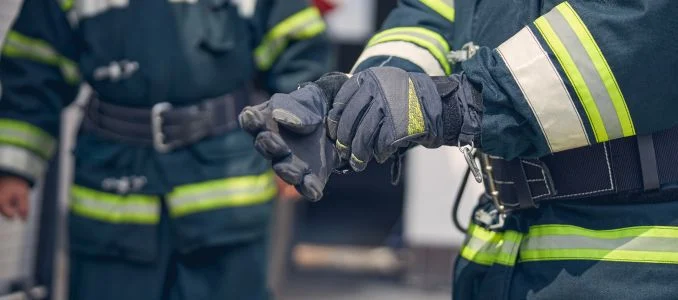
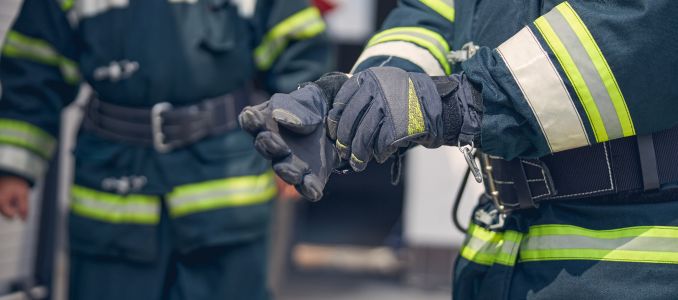
A central component of this rollout is the provision of two complete sets of turnout gear for every firefighter. This "two-set" policy is a critical best practice in fire service health. By ensuring that every firefighter has a backup suit, the department allows for the immediate rotation of gear after a fire call. This system prevents the use of contaminated gear in subsequent calls, as it provides the necessary downtime for specialized cleaning and decontamination processes. This rotation is essential to prevent the accumulation of soot, hydrocarbons, and other carcinogenic combustion byproducts that can embed themselves in the fabric of the suits.

Advanced Engineering and Validation
The new gear was manufactured by Fire-Dex, utilizing a proprietary three-layer textile system developed by Milliken & Company. This system represents a significant advancement in material science for first responders. The three layers—the outer shell, the thermal liner, and a non-halogenated, flame-resistant moisture barrier—were designed from the ground up without the use of PFAS chemistry.
To ensure the integrity of this procurement, the City of Quincy did not rely solely on manufacturer claims. Independent testing conducted by Forever Analytical subjected all three layers of the new fabric to rigorous screening for total fluorine. The absence of detected fluorine serves as the primary scientific marker for a PFAS-free environment, providing the department and its members with documented assurance that the gear meets the highest safety standards currently available.
The Legislative Landscape in Massachusetts
The Quincy Fire Department’s transition is well-timed, positioning the city ahead of impending state-level regulations. Massachusetts has taken a hard line on the presence of PFAS in first responder equipment, with state law set to prohibit the sale or distribution of any firefighter PPE containing intentionally added PFAS beginning January 1, 2027.

Furthermore, the state implemented disclosure requirements at the start of 2025, mandating that manufacturers be transparent regarding the chemical composition of their protective gear. By moving to a fully PFAS-free inventory now, Quincy has effectively de-risked its equipment procurement process, ensuring that the department remains in full compliance well before the legal deadline. This foresight is likely to serve as a model for other municipalities across the Commonwealth that are currently grappling with similar logistical and budgetary challenges.
Broader Implications for Occupational Health
The move by the Quincy Fire Department is part of a broader, systemic shift in how the fire service approaches occupational health. Historically, the primary focus of turnout gear was thermal protection—the ability to withstand extreme heat and prevent burns. While this remains a critical requirement, the last decade has seen a dramatic shift toward prioritizing long-term health, particularly given the high incidence of cancer among firefighters.
The "forever chemicals" issue is particularly pernicious because firefighters are exposed to them through multiple pathways. They are not only present in the gear itself—which is worn for hours at a time, often in humid, high-sweat environments that facilitate dermal absorption—but are also present in the environment of the fire ground. As structures burn, they release a cocktail of toxic materials; when these mix with the chemicals inherent in the gear, the risk profile increases. By eliminating PFAS from the gear, departments are removing at least one major, avoidable vector of exposure.

Economic and Operational Challenges
While the $2.65 million investment in Quincy is a testament to the city’s commitment to its workforce, the financial burden of such a transition cannot be overstated. For many smaller municipalities, replacing an entire department’s inventory of turnout gear is a significant budgetary hurdle. Standard structural firefighting gear is expensive, with a single set often costing thousands of dollars. Multiplying that by the number of personnel and the requirement for two sets per person creates a massive capital expenditure.
This economic pressure has led to a variety of responses, including state-level grant programs and federal assistance. The success in Quincy highlights the importance of collaboration between municipal government, union leadership, and specialized textile manufacturers. Without the union’s initiative in 2025, the potential for continued, unrecognized exposure would have persisted, illustrating the vital role that internal advocacy plays in occupational safety.
Future Outlook and Industry Standards
The firefighting industry is currently at an inflection point. As major manufacturers continue to innovate, the availability of high-performance, PFAS-free materials is increasing. However, the industry remains cautious. The challenge lies in maintaining the same level of flame resistance, durability, and moisture management that firefighters have come to rely on over the last several decades.

The experience of the Quincy Fire Department provides a blueprint for how to bridge this gap. By utilizing independent, third-party verification like the testing performed by Forever Analytical, departments can bypass marketing jargon and focus on objective, verifiable data. This level of scrutiny is likely to become the new standard for procurement, not just in Massachusetts, but across the nation as awareness of chemical safety continues to grow.
Summary of Timeline
- 2019: Previous generation of turnout gear is acquired, which later testing reveals contains PFAS.
- August 2025: Quincy Firefighters IAFF Local 792 commissions independent testing, identifying PFAS in the existing equipment.
- January 2025: State-mandated disclosure requirements for protective gear composition go into effect in Massachusetts.
- March 2026: City leadership approves funding for a comprehensive replacement of all departmental gear.
- April 2026: A total of $2,646,730 is appropriated for the acquisition of new, PFAS-free gear.
- July 2026: The transition is finalized, with all personnel outfitted with new, verified, PFAS-free protective equipment.
- January 1, 2027: State prohibition on the sale/distribution of firefighter PPE containing intentionally added PFAS takes effect.
The proactive steps taken by the City of Quincy reflect a growing consensus that the health of first responders must be prioritized alongside their operational readiness. As the department moves forward with its new gear, the success of this transition serves as a tangible demonstration of how data-driven decision-making can protect those who serve the community. The shift from hazardous, legacy materials to modern, verified alternatives marks a new chapter in firefighter safety, emphasizing that protection against thermal threats should not come at the cost of long-term health.