The Foundation of Early Intervention
The diagnostic process for hearing loss is a critical juncture for families. For the Wendorf family, this journey began when Kai was only four months old. Medical professionals identified bilateral sensorineural hearing loss, a condition where damage to the inner ear or the nerve pathways from the inner ear to the brain inhibits the transmission of sound.
At six months, Kai was enrolled in the Listen and Talk program, an organization dedicated to helping children who are deaf or hard of hearing develop listening and spoken language skills. He remained within this educational ecosystem through the Blended Classroom PreK program. This period of early childhood is widely recognized by audiologists and educators as the "critical period" for language acquisition. According to the Joint Committee on Infant Hearing (JCIH), children who are identified with hearing loss and receive intervention before six months of age show significantly higher developmental outcomes in language and social-emotional growth compared to their peers who are diagnosed later.
A Rare Genetic Discovery
While early intervention provided the tools for communication, the underlying biological reality of Kai’s condition remained unknown for over a decade. At age 12, the Wendorf family received a diagnosis that provided clarity: Barakat Syndrome, also known as HDR syndrome.
Barakat Syndrome is a rare genetic disorder caused by a mutation in the GATA3 gene. It is characterized by the clinical triad of Hypoparathyroidism (low levels of parathyroid hormone leading to calcium imbalances), sensorineural Deafness, and Renal disease (typically manifesting as nephropathy). The identification of this syndrome is significant because it shifts the focus from purely auditory care to a holistic medical management approach. The GATA3 gene is crucial for the development of various tissues, including the inner ear, the parathyroid glands, and the kidneys. For the Wendorf family, this discovery was not merely a label but a necessary guide for long-term health monitoring.
Chronology of Growth and Achievement
Kai’s developmental trajectory illustrates the intersection of clinical support and personal agency. His growth can be mapped across several distinct phases:
- Infancy (0–2 years): Initial diagnosis and immediate enrollment in auditory-verbal therapy.
- Early Childhood (3–5 years): Participation in the Listen and Talk Blended Classroom, integrating into mainstream preschool environments to foster social integration and communication confidence.
- Adolescence (12 years): Diagnosis of Barakat Syndrome, necessitating a shift toward broader medical awareness and self-advocacy.
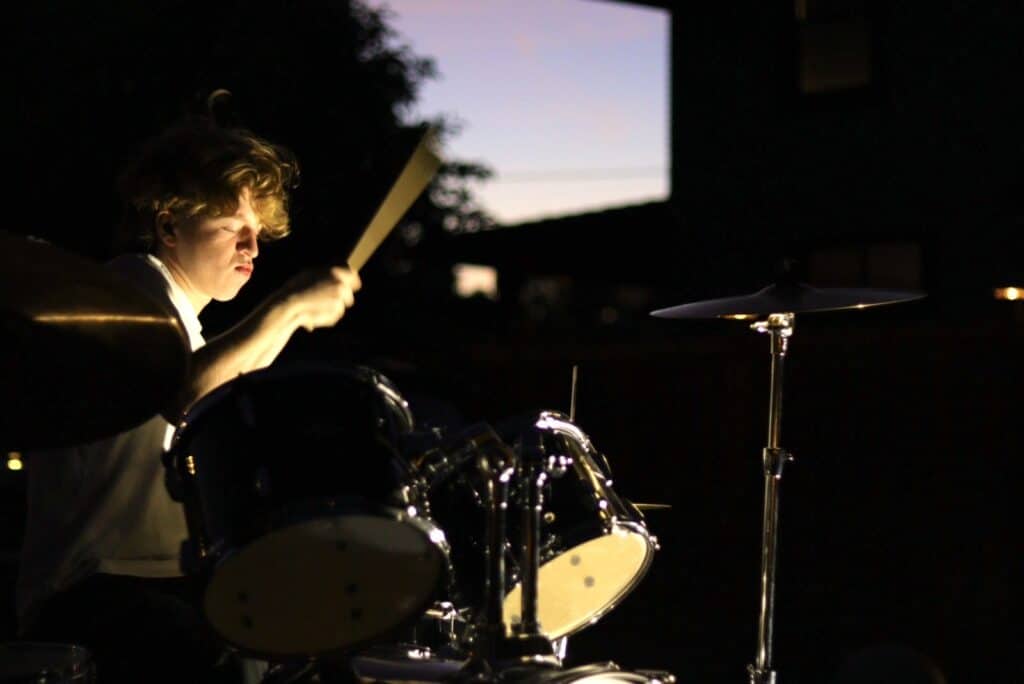
- High School (14–18 years): Active involvement in extracurricular sports, the performing arts, and independent musical instruction.
- Young Adulthood (2024–Present): Graduation from Renton High School and relocation to Los Angeles to pursue a professional career in the arts.
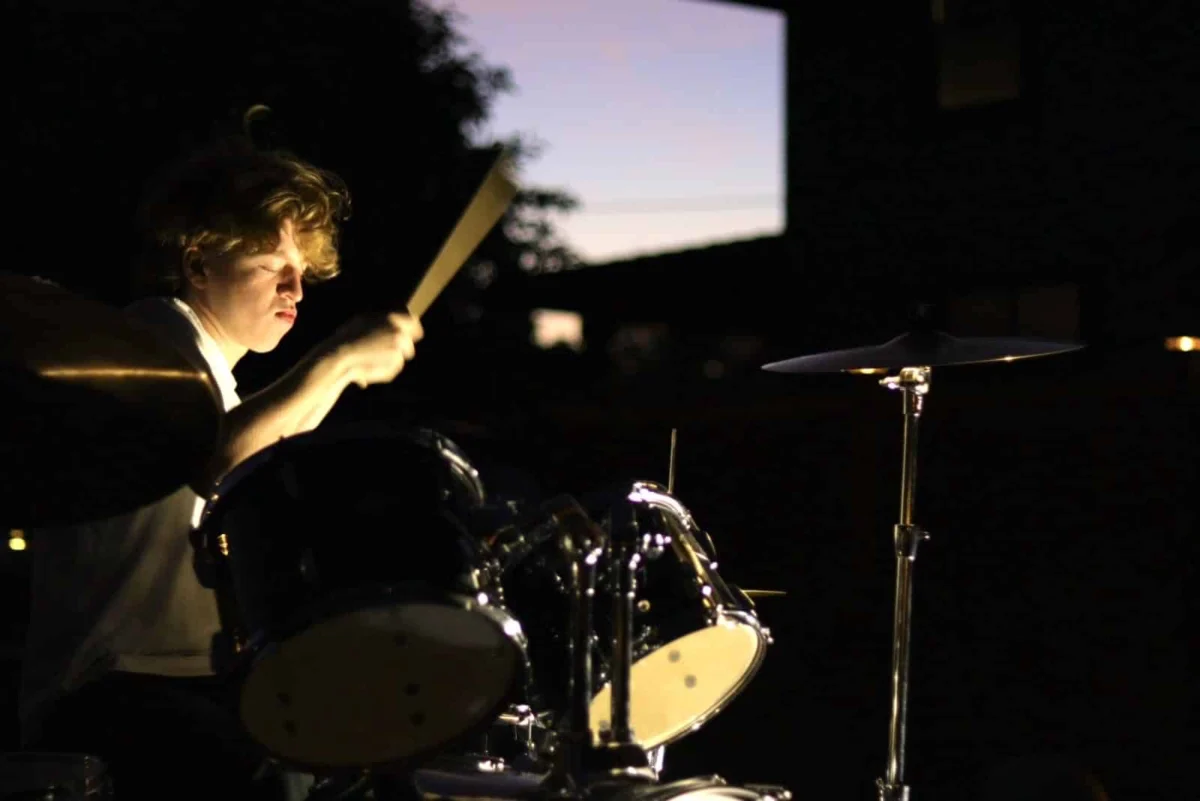
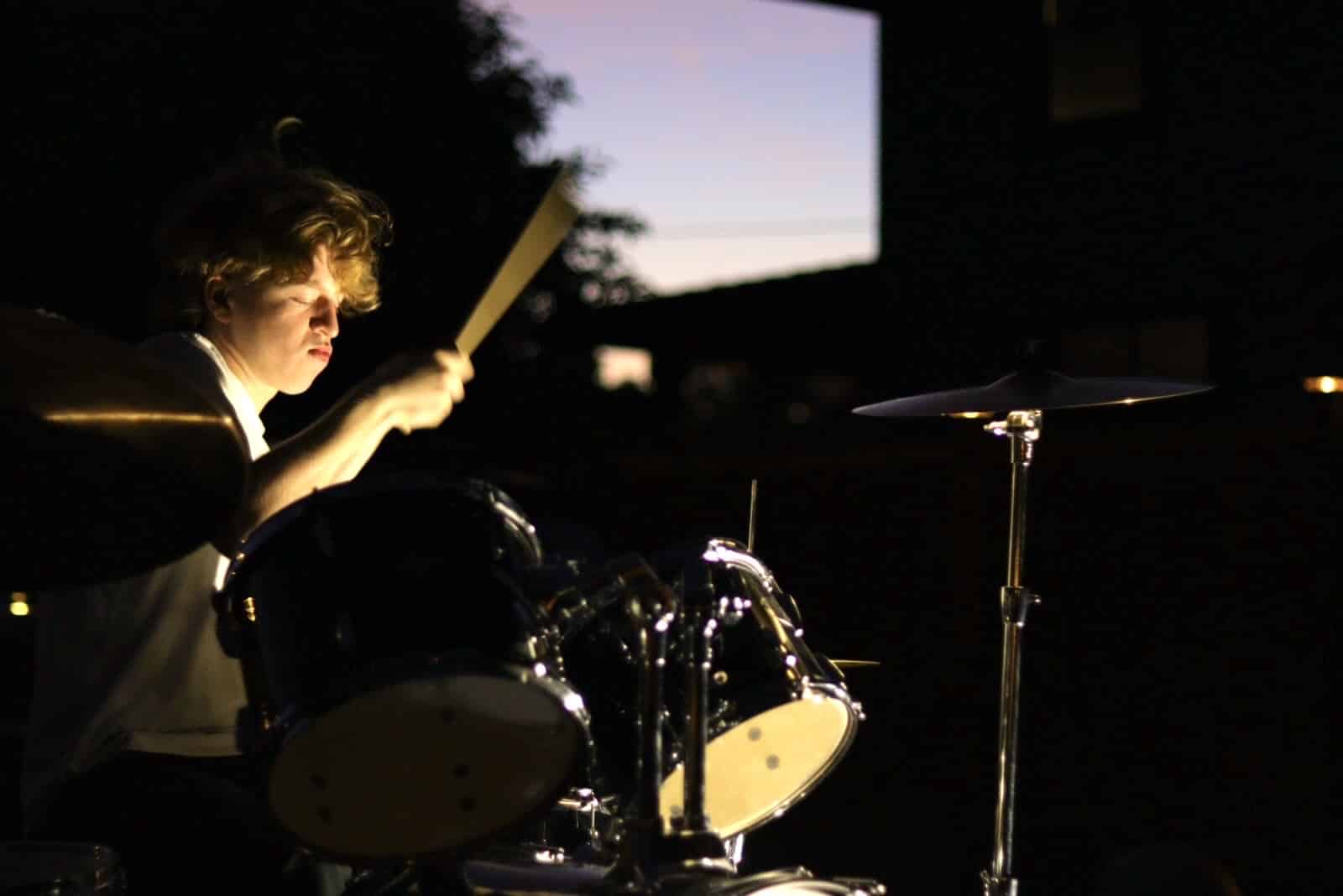
Throughout his formative years, Kai utilized his early training in communication to engage in high-level extracurriculars. His pursuit of improv comedy and stage acting, including securing multiple lead roles, demonstrates the success of early intervention in providing the social confidence necessary for public performance. Furthermore, his self-taught proficiency in drums and guitar highlights the cognitive flexibility often nurtured in children who learn to navigate the world through diverse sensory avenues.
Data and Impact: The Efficacy of Specialized Programs
The success of individuals like Kai Wendorf is supported by broader industry data regarding specialized early childhood education. Programs like Listen and Talk utilize an auditory-verbal approach, which focuses on teaching children to use their hearing technology—such as cochlear implants or hearing aids—to access sound and develop spoken language.
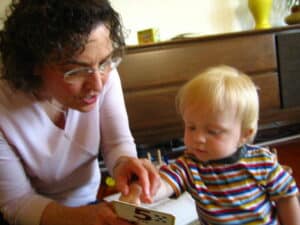
Recent longitudinal studies indicate that students who attend specialized preschools for the deaf and hard of hearing demonstrate better speech intelligibility, higher vocabulary scores, and improved academic readiness compared to those who do not have access to these specific resources. The "Blended Classroom" model, which integrates students with hearing loss into classrooms alongside hearing peers, is particularly effective. It provides a naturalistic environment that promotes incidental learning and social parity, which are essential for long-term psychological health and professional success.
Official Perspectives and Parental Advocacy
The transition from a dependent child to an autonomous young adult is a process that relies heavily on family support. Kai’s parents have been instrumental in his journey, noting that the development of a "grounded sense of self" was the primary goal of their partnership with Listen and Talk.
"Watching him grow into someone who continues to take risks, follow his interests, and create his own opportunities has been one of the great privileges of being his parent," the Wendorfs stated. This sentiment echoes the broader philosophy of organizations like Listen and Talk, which view parental involvement not as an optional supplement, but as the cornerstone of the child’s success. The ability to advocate for one’s own needs in a hearing-dominant world is a skill that takes years to cultivate, and it is largely refined during the transition from adolescence to independent living.
Broader Implications for the Deaf and Hard of Hearing Community
Kai’s story provides a roadmap for the evolving expectations for deaf and hard of hearing individuals in the workforce. As he pursues a career in the arts in Los Angeles, he faces the same challenges as any other aspiring creative, with the added complexity of navigating a professional environment that may not always be optimally accessible.
However, the narrative of "limitation" is increasingly being replaced by one of "accommodation and agency." Modern advancements in assistive technology, combined with stronger legal frameworks like the Americans with Disabilities Act (ADA), have created more pathways for success than were available to previous generations. The implications for policy and funding are clear: sustained investment in early intervention programs is not just a social good; it is an economic and cultural necessity.
Organizations are currently intensifying their efforts to ensure these programs remain accessible. The Alumni Family Giving Campaign, currently being promoted by Listen and Talk, reflects the understanding that the "product" of these programs is the lifelong success of their alumni. By reinvesting in the system, families and supporters ensure that future generations can achieve the same level of independence that Kai has demonstrated.
Conclusion: A Legacy of Empowerment
Kai Wendorf’s transition from a child receiving early intervention services to a young man navigating the competitive entertainment industry in Los Angeles is a testament to the resilience of the individual and the necessity of specialized support. His story serves as a reminder that hearing loss does not dictate the trajectory of a person’s life, provided they are given the correct tools and the supportive environment to use them. As he continues his career in the arts, Kai stands as a beacon for other children and families currently navigating the complexities of a diagnosis, proving that with early, consistent, and expert support, the potential for success is limitless.