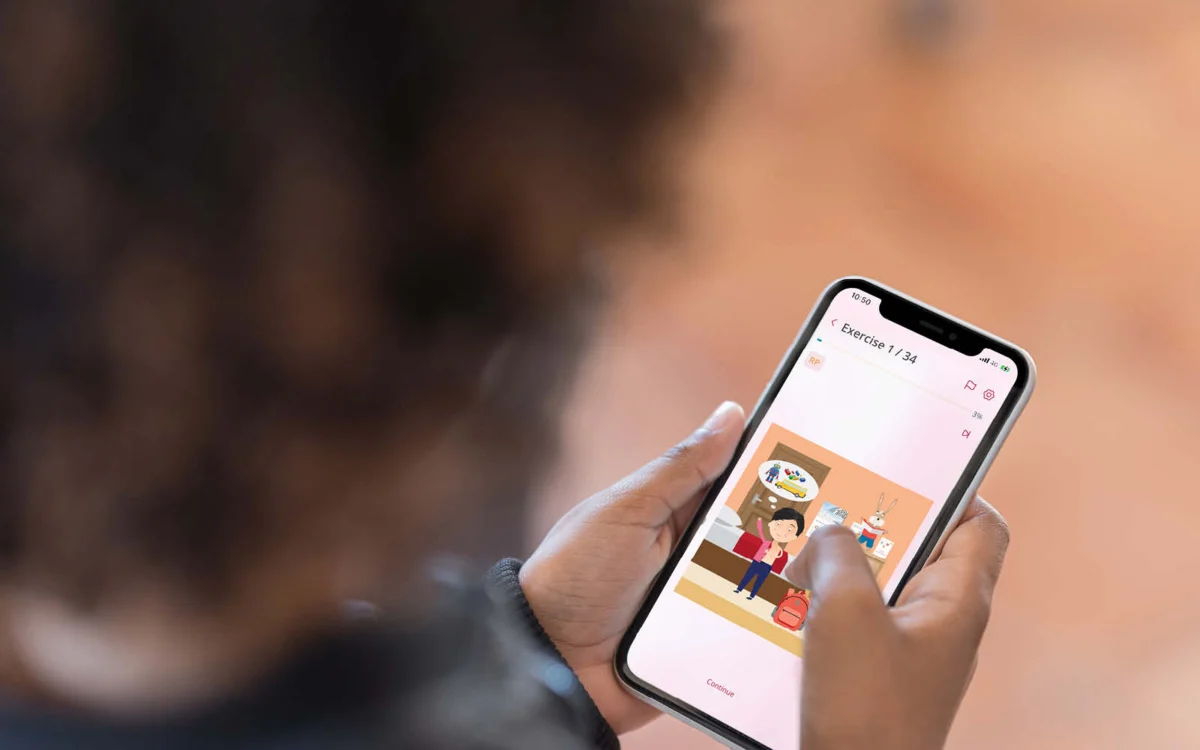
The ReDi app, initially launched to offer independent listening practice for cochlear implant recipients, has consistently evolved to meet the dynamic needs of its user base. This latest update underscores MED-EL’s commitment to leveraging artificial intelligence and innovative digital tools to support auditory development. The inclusion of "Murat’s Birthday Present" signifies a dedicated effort to make the learning process engaging and effective for children, while the integration of the LEAQ streamlines the critical task of monitoring auditory progress.
"Murat’s Birthday Present": A New Frontier in Pediatric Auditory Rehabilitation
"Murat’s Birthday Present" is an interactive digital module designed to make listening and language learning an enjoyable and impactful experience for children. Developed around a narrative featuring the character Murat, the module incorporates visual elements, simple text, and engaging interactions to support a child’s journey through structured listening and speech development.
Key Features and Objectives of "Murat’s Birthday Present":
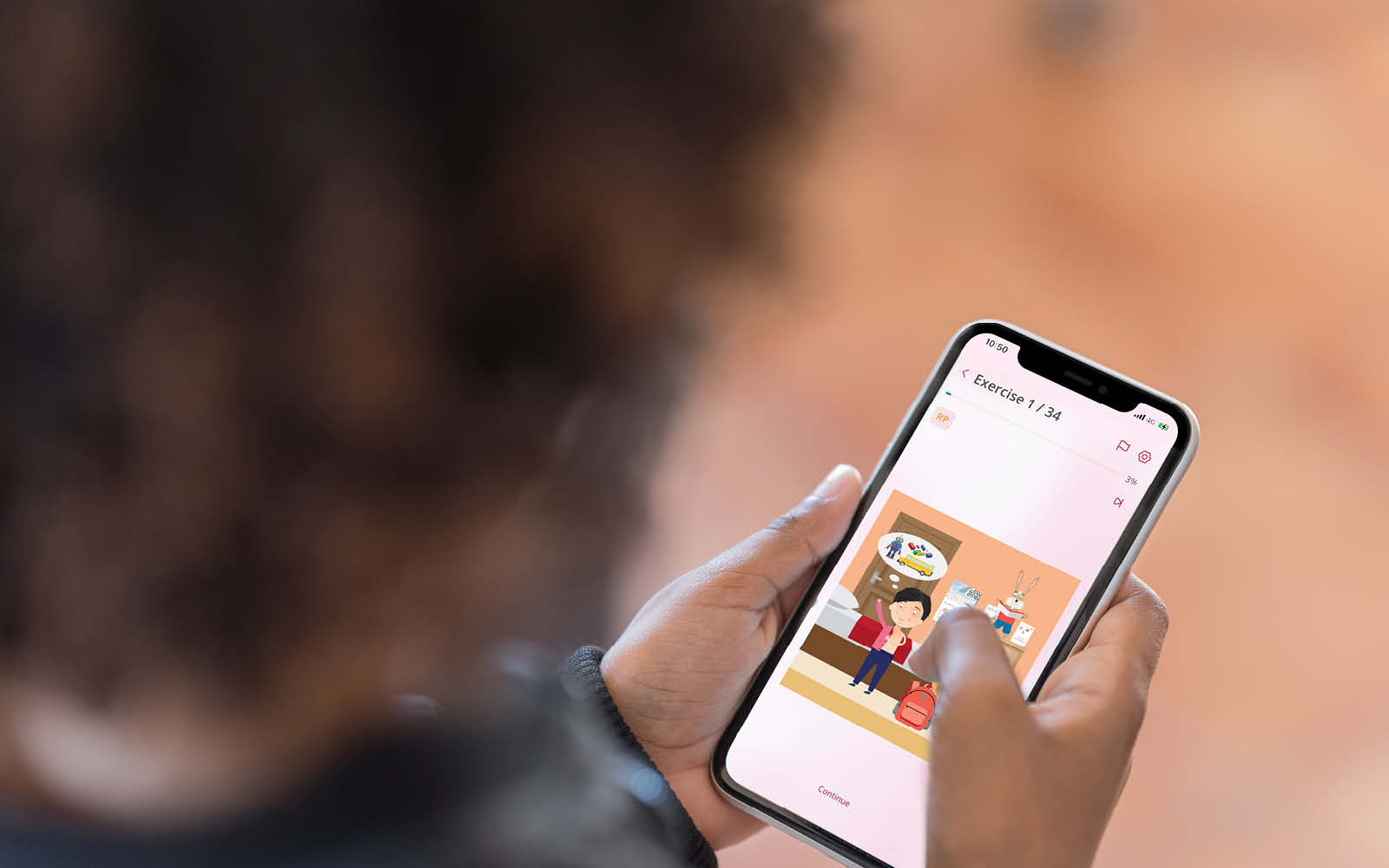
- Interactive Storytelling: The module utilizes the narrative of Murat’s birthday to create a contextually rich environment for learning. This approach aims to enhance comprehension and retention by embedding educational content within a relatable storyline.
- Structured Lessons: Designed to systematically build upon auditory skills, the lessons within "Murat’s Birthday Present" are crafted to foster attention, listening comprehension, speech production, and overall language development. The structured nature of the content ensures a progressive learning curve.
- Multimodal Learning: By combining pictures, text, and interactive elements, the module caters to diverse learning styles. This multimodal approach is crucial for children who are developing their auditory processing skills.
- Flexible and Motivating Engagement: The module allows children to progress at their own pace, ensuring that the learning experience is neither overwhelming nor overly slow. This flexibility is key to maintaining motivation and fostering a sense of accomplishment.
- Learning Through Play: The core philosophy behind "Murat’s Birthday Present" is to transform auditory training into a playful activity. By making the process enjoyable, children are more likely to engage consistently, leading to more significant gains in their hearing and language abilities.
This new module represents a significant step forward in making rehabilitation tools more accessible and appealing to young children. The focus on interactive storytelling and game-like activities is a testament to the understanding that motivation and engagement are paramount for successful long-term outcomes in pediatric audiology.
The LittlEARS Auditory Questionnaire (LEAQ): Streamlining Progress Tracking
The integration of the LittlEARS Auditory Questionnaire (LEAQ) into the ReDi app marks another pivotal advancement. The LEAQ is a widely recognized, research-backed tool used globally by hearing healthcare professionals to assess and track the early auditory development of infants and young children.
Significance of LEAQ Integration:
- Global Recognition and Validation: The LEAQ has a proven track record in evaluating auditory progress in children up to 24 months of age, or 24 months post-implantation. Its widespread adoption by audiologists and speech-language pathologists lends significant credibility to its findings.
- Simplified Tracking: Previously, users might have relied on a separate LEAQ application. Now, the questionnaire is seamlessly integrated into the ReDi app, offering a centralized platform for both training and assessment. This consolidation simplifies the user experience and reduces the likelihood of data fragmentation.
- Regular Assessment and Data Collection: Parents and caregivers are encouraged to complete the LEAQ every three months. This consistent data collection provides a longitudinal view of the child’s auditory development.
- Instant Feedback and Progress Visualization: Upon completion, the ReDi app provides immediate scoring and generates clear progress graphs. This visual representation of data allows families to readily understand their child’s developmental trajectory and identify areas of strength and potential concern.
- Remote Professional Access: A crucial feature of the integrated LEAQ is the ability for hearing professionals to access the results remotely. This facilitates timely and informed clinical decisions, allowing specialists to monitor progress and adjust rehabilitation strategies without requiring in-person visits solely for questionnaire review. This remote access capability is particularly beneficial for families living in remote areas or those with busy schedules.
The move to integrate LEAQ directly into ReDi also addresses the obsolescence of older, standalone LEAQ applications. MED-EL has advised users of the previous LEAQ app to transition to the ReDi platform to ensure uninterrupted and reliable tracking of their child’s progress, particularly in light of potential compatibility issues with future operating system updates.
Background and Chronology of ReDi’s Evolution
The development of ReDi and its subsequent enhancements can be viewed within a broader context of technological advancements in hearing rehabilitation. The initial introduction of ReDi, highlighted in previous MED-EL communications, marked a significant step towards empowering users with AI-driven tools for independent listening practice.

- Pre-ReDi Era: Auditory training for cochlear implant users traditionally involved intensive in-clinic sessions with audiologists and speech therapists. While effective, these programs often required significant time commitment and were limited by the availability of professional resources. Home-based practice, when available, often relied on less interactive methods.
- Introduction of ReDi: The launch of the initial ReDi app represented a paradigm shift, offering an AI-powered solution that could adapt to individual learning needs and provide on-demand practice. This move aimed to bridge the gap between clinical appointments and enhance the frequency and consistency of listening practice.
- Ongoing Development: Recognizing the unique challenges and developmental stages of pediatric users, MED-EL has continuously invested in expanding ReDi’s capabilities. The addition of "Murat’s Birthday Present" reflects a strategic focus on pediatric rehabilitation, acknowledging that specialized content is crucial for engaging young minds.
- LEAQ Integration as a Natural Progression: The incorporation of the LEAQ is a logical extension of ReDi’s purpose. By combining training modules with validated assessment tools, ReDi transforms into a comprehensive ecosystem for auditory rehabilitation, empowering families with both the means to practice and the ability to objectively measure progress.
The publication date of May 13, 2026, suggests a recent rollout of these significant updates, indicating that MED-EL is actively responding to user feedback and emerging trends in digital health and audiology.
Supporting Data and Analysis of Implications
The impact of such advancements in auditory rehabilitation is multifaceted. Data from studies on early intervention in hearing loss consistently demonstrates a strong correlation between the age of intervention, intensity of therapy, and long-term outcomes.
- Early Intervention is Key: Research, including longitudinal studies tracked by organizations like the Better Hearing Institute, consistently shows that children who receive timely and comprehensive hearing interventions achieve better language, cognitive, and academic outcomes. The U.S. Department of Health and Human Services has emphasized that early diagnosis and intervention for hearing loss in children can significantly improve speech, language, and social development.
- The Role of Technology in Amplifying Therapy: Digital tools like ReDi, when used in conjunction with clinical guidance, can amplify the effectiveness of traditional therapy. By providing consistent, engaging practice outside of clinic hours, these apps can help children achieve developmental milestones more rapidly. The AI component of ReDi suggests personalized feedback and adaptation, which can further optimize the learning process.
- Data-Driven Rehabilitation: The integration of the LEAQ provides a structured method for collecting quantifiable data on a child’s auditory development. This data is invaluable for several reasons:
- Objective Progress Monitoring: It moves beyond subjective parental observations to provide objective measures of auditory skill development.
- Informed Clinical Decision-Making: Professionals can use this data to tailor treatment plans, identify specific areas requiring more attention, and track the efficacy of interventions.
- Early Detection of Delays: Consistent tracking can help identify potential developmental delays or plateaus earlier, allowing for prompt adjustments to therapy.
- Empowerment of Families: By providing accessible tools and clear progress indicators, ReDi empowers parents and caregivers to actively participate in their child’s rehabilitation. This increased involvement can lead to greater adherence to therapy recommendations and a stronger sense of partnership with healthcare providers.
The implication of these integrated features is a more holistic and accessible approach to hearing rehabilitation. For families with cochlear implant recipients, this update offers a powerful, convenient, and data-informed platform to support their child’s auditory journey from early childhood.
Official Responses and Broader Impact
While specific direct quotes from MED-EL officials were not provided in the source material, the strategic decisions behind these updates strongly suggest a commitment to user-centric innovation and a proactive approach to the evolving landscape of hearing healthcare.
MED-EL’s consistent investment in digital solutions like ReDi aligns with a broader industry trend towards tele-rehabilitation and the integration of technology into healthcare. The company’s focus on pediatric solutions, in particular, addresses a critical need within the cochlear implant community.
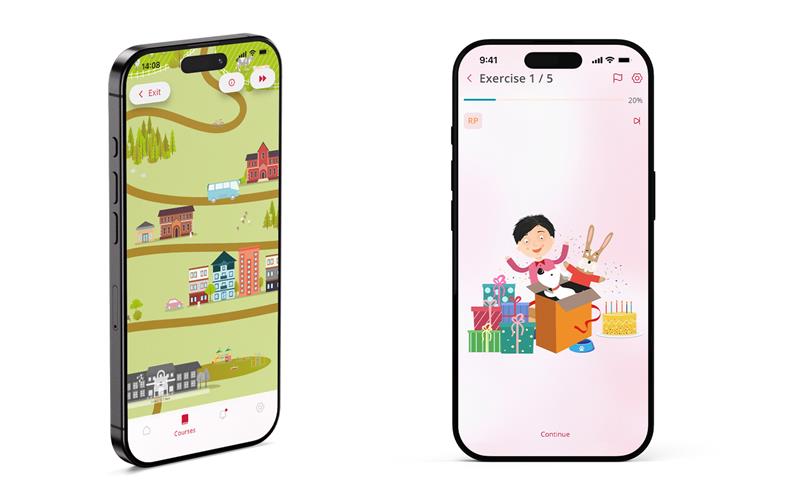
The broader impact of this update extends beyond individual users. By setting a precedent for integrated training and assessment platforms, MED-EL’s ReDi app may encourage other manufacturers and developers to enhance their offerings, ultimately benefiting the entire hearing loss community. The emphasis on user-friendliness and accessibility also points towards a future where advanced audiological care is more democratized and less dependent on geographical location or socioeconomic factors.
The free availability of ReDi on both Android and iOS platforms further underscores MED-EL’s commitment to broad accessibility. This inclusive approach ensures that a wide range of families can benefit from these advanced rehabilitation tools, regardless of their preferred mobile operating system.
In conclusion, the latest enhancements to the MED-EL ReDi app represent a significant step forward in providing comprehensive and engaging auditory rehabilitation for children with cochlear implants. The introduction of "Murat’s Birthday Present" injects an element of fun and structured learning, while the seamless integration of the LEAQ offers a vital tool for tracking developmental progress. This integrated approach empowers families and clinicians alike, fostering a more effective and supportive environment for children on their hearing journey.