A Foundation of Early Intervention
Landon Nolfi-Browne’s story began in the early years of Listen and Talk, a center dedicated to teaching children who are deaf or hard of hearing to listen and talk through auditory-verbal therapy. Founded with the mission to bridge the gap between hearing loss and academic success, the organization provided Nolfi-Browne with the foundational tools to navigate a hearing-centric world.
According to his parents, the involvement of educators like Star and Maura proved instrumental. The early years of auditory development are critical for cognitive and linguistic growth in children with hearing impairments. Data from the National Institute on Deafness and Other Communication Disorders (NIDCD) suggests that early detection and consistent intervention—specifically within the first six months of life—significantly improve long-term language and social outcomes. For Nolfi-Browne, this early guidance was not merely supportive; it was, as his parents describe, the catalyst that "illuminated the path" for him to pursue his aspirations without self-imposed limitations.
Chronology of Academic Advancement
Nolfi-Browne’s academic path has been defined by an aggressive pursuit of challenge, often bypassing traditional milestones in favor of advanced coursework.
- Early Academic Acceleration: Recognizing his capacity for complex study, Nolfi-Browne transitioned to community college classes as early as the 6th grade. By the time he reached his mid-teens, he had already surpassed the curriculum of his local junior high school, eventually serving as a tutor for his peers in higher education settings.
- International Scholarship: Post-COVID, Nolfi-Browne took his studies abroad, enrolling at the University of Edinburgh at age 17. During his tenure in Scotland, he distinguished himself by producing historical analyses that received praise at a professional, publication-level standard.
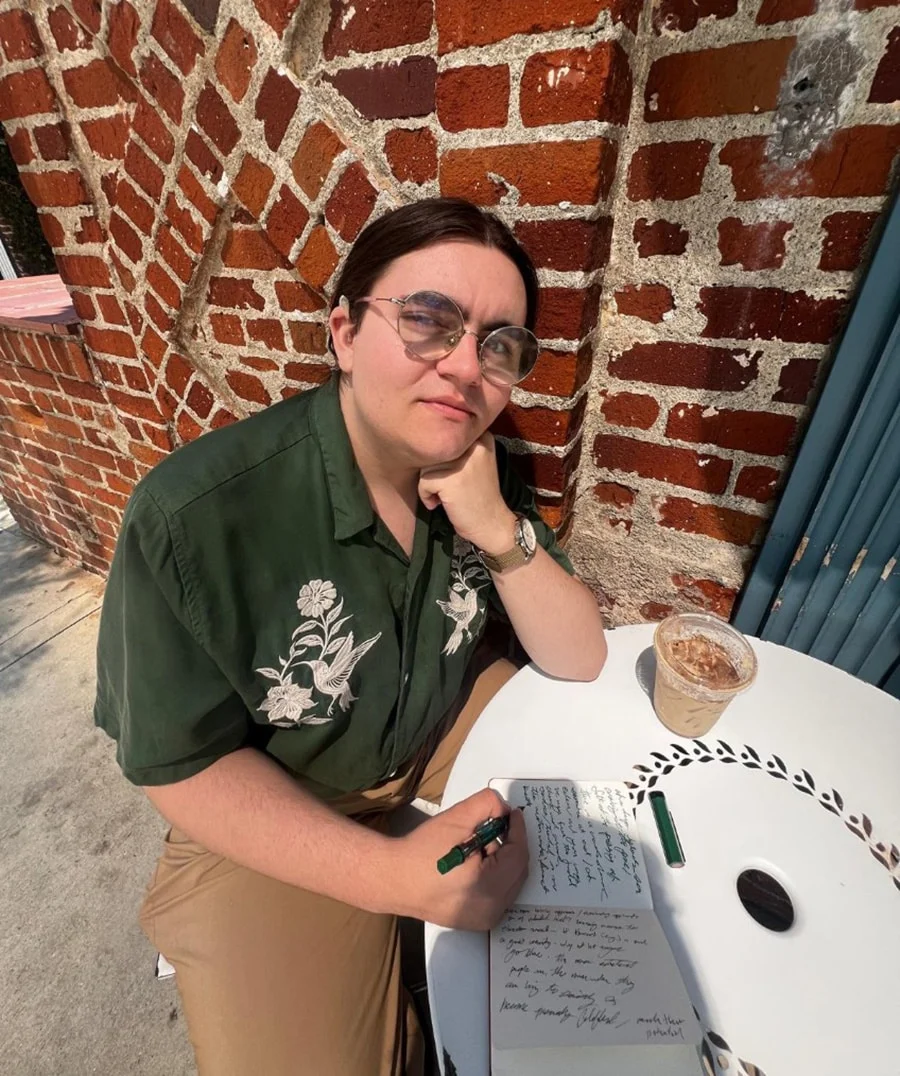
- The UCLA Transition: Upon returning to the United States, he transferred to UCLA, where he maintained a perfect academic record. His intellectual rigor quickly drew the attention of faculty, leading to an advisership and a prestigious nomination to the Undergraduate Advisory Council at the Gilder Lehrman Institute of American History.
- Public Policy and Current Honors: Currently completing his History degree, Nolfi-Browne has expanded his scope to public service. His work with San Francisco Board of Supervisors member Myrna Melgar earned him significant acclaim, culminating in a standing ovation for his contributions to local public policy. He is presently finalizing an honors thesis, which has already been nominated for departmental recognition.
Contextualizing the Life Without Limits Award
The Life Without Limits Award is more than a commendation of academic success; it represents the culmination of a decade-long organizational commitment to fostering self-determination in students. Listen and Talk, which relies on a combination of audiology, speech therapy, and parent education, views recipients like Nolfi-Browne as evidence of the "social return on investment" for early intervention services.
In a broader societal context, the success of students who have navigated early hearing loss is increasing, thanks to advancements in cochlear implant technology and more sophisticated pedagogical models. However, the "Life Without Limits" philosophy emphasizes that technology is only one component of success. The other, as demonstrated by Nolfi-Browne, is the psychological framework of perseverance. By choosing to seek out university-level challenges at a young age, Nolfi-Browne demonstrated a proactive approach to his education that mirrored the developmental support he received as a child.
Analytical Perspectives on Public Service and History
Nolfi-Browne’s transition from the study of history to the practice of public policy offers a unique perspective on the utility of humanities education. Historians are often trained to analyze long-term trends and societal shifts; when applied to the public policy sector, these skills can be invaluable for diagnosing the root causes of systemic issues.
His collaboration with Supervisor Myrna Melgar in San Francisco represents a practical application of his academic training. In the realm of public policy, the ability to synthesize vast amounts of data and communicate clearly—skills honed through his history degree and his upbringing in a speech-focused educational environment—is essential. His work underscores a broader trend: students with diverse educational backgrounds, including those who have overcome early-life physical or sensory challenges, are increasingly taking leadership roles in governance and civic life.

Supporting the Future of Early Intervention
The recognition of Nolfi-Browne has also served as a focal point for Listen and Talk’s ongoing fundraising initiatives. The organization, which functions as a social impact enterprise, relies on public donations to maintain its audiology and speech therapy programs.
Industry data indicates that the cost-effectiveness of early intervention is high. According to the Early Hearing Detection and Intervention (EHDI) program, every dollar spent on early intervention for children with hearing loss results in a significant reduction in long-term public expenditures for special education and social support services. By funding programs like those that shaped Nolfi-Browne, donors are contributing to a pipeline of future professionals and leaders.
The "Listen and Talk" model remains a benchmark for institutions seeking to provide high-quality education to children with hearing loss. As the organization notes, the ultimate objective is to ensure that no child is limited by hearing loss. Nolfi-Browne stands as a representative of this vision, demonstrating that with the right support, the barriers to academic and professional excellence can be effectively dismantled.
Broader Implications of Academic Perseverance
The narrative of Landon Nolfi-Browne challenges prevailing stereotypes about individuals with hearing loss. For many years, the educational prospects for deaf and hard-of-hearing students were limited by institutional expectations and a lack of resources. Today, figures like Nolfi-Browne represent a new generation of learners who are not only succeeding in traditional classrooms but are excelling in elite university environments and influencing public policy.
His case also highlights the importance of institutional flexibility. By allowing him to pursue community college courses during his junior high years and later supporting his transfer to an international university, the educational institutions involved demonstrated an adaptability that is crucial for gifted students. When such flexibility is paired with a strong internal drive—what Nolfi-Browne describes as the ability to "keep going, to keep forging a path"—the potential for success is immense.
As Nolfi-Browne approaches the completion of his History degree at UCLA, his trajectory serves as a reminder that the path to success is rarely linear. His experiences—from the early interventions at Listen and Talk to the high-pressure environment of the San Francisco Board of Supervisors—illustrate that personal agency, supported by community and institutional investment, is the most powerful tool for overcoming adversity.
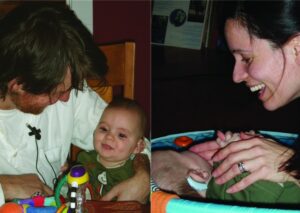
For the community at Listen and Talk, his recognition is a moment of reflection on the long-term impact of their mission. As they look toward the future, the organization aims to continue providing the same quality of services that allowed Nolfi-Browne to flourish, ensuring that the next generation of students has the same opportunity to define their own limits—or, as in the case of the award’s namesake, to live without them.