Early Intervention and the Foundation of Communication
The clinical journey began for Wendorf when he was only four months old. Medical professionals identified bilateral sensorineural hearing loss, a condition occurring when there is damage to the inner ear or the nerve pathways from the inner ear to the brain. Recognizing the critical window for neuroplasticity and language acquisition, Wendorf’s family sought immediate support through the Listen and Talk program.
Starting at six months, Wendorf engaged with the organization’s comprehensive services, which focus on fostering auditory-verbal communication. The program, which utilizes a "Blended Classroom" model, integrates children with hearing loss into environments designed to optimize language development through natural interaction and specialized therapeutic support. This phase of his life, lasting through his preschool years, provided the technical and social scaffolding necessary for him to navigate a predominantly hearing world. Research consistently indicates that children who receive early intervention services—including high-quality hearing technology and auditory training before the age of six months—demonstrate significantly better outcomes in language development, academic achievement, and social integration compared to those who receive support later in life.
The Genetic Context: Barakat Syndrome
For over a decade, Wendorf’s hearing loss was managed without a definitive genetic diagnosis. However, at the age of 12, a breakthrough in genetic testing revealed the underlying etiology of his condition: a GATA3 gene disorder, clinically known as Barakat Syndrome, or HDR syndrome.
Barakat Syndrome is a rare genetic condition characterized by a specific triad of symptoms: hypoparathyroidism (the dysfunction of parathyroid glands leading to calcium imbalances), sensorineural deafness, and renal (kidney) disease. While the prevalence of the condition is not precisely tracked due to its rarity, it is categorized as an autosomal dominant disorder. The discovery of this syndrome provided the Wendorf family with essential medical clarity, shifting the focus from general auditory management to a more comprehensive health-monitoring strategy. This transition underscores the importance of longitudinal medical follow-ups, as individuals with HDR require specialized care to monitor renal function and calcium levels throughout their lives.
Chronology of Development and Artistic Growth
Wendorf’s transition from a child receiving therapeutic services to an independent young adult follows a distinct timeline of steady growth and risk-taking:
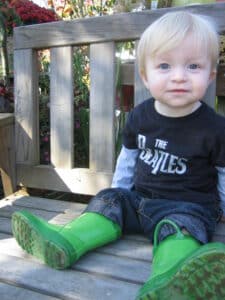
- Infancy (Age 0-1): Diagnosis of bilateral sensorineural hearing loss; commencement of early intervention services.
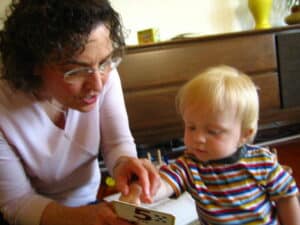
- Early Childhood (Ages 1-5): Active participation in the Listen and Talk Blended Classroom program, focusing on intensive language and communication development.
- Adolescence (Age 12): Genetic testing confirms a diagnosis of Barakat Syndrome (HDR), allowing for targeted medical management.
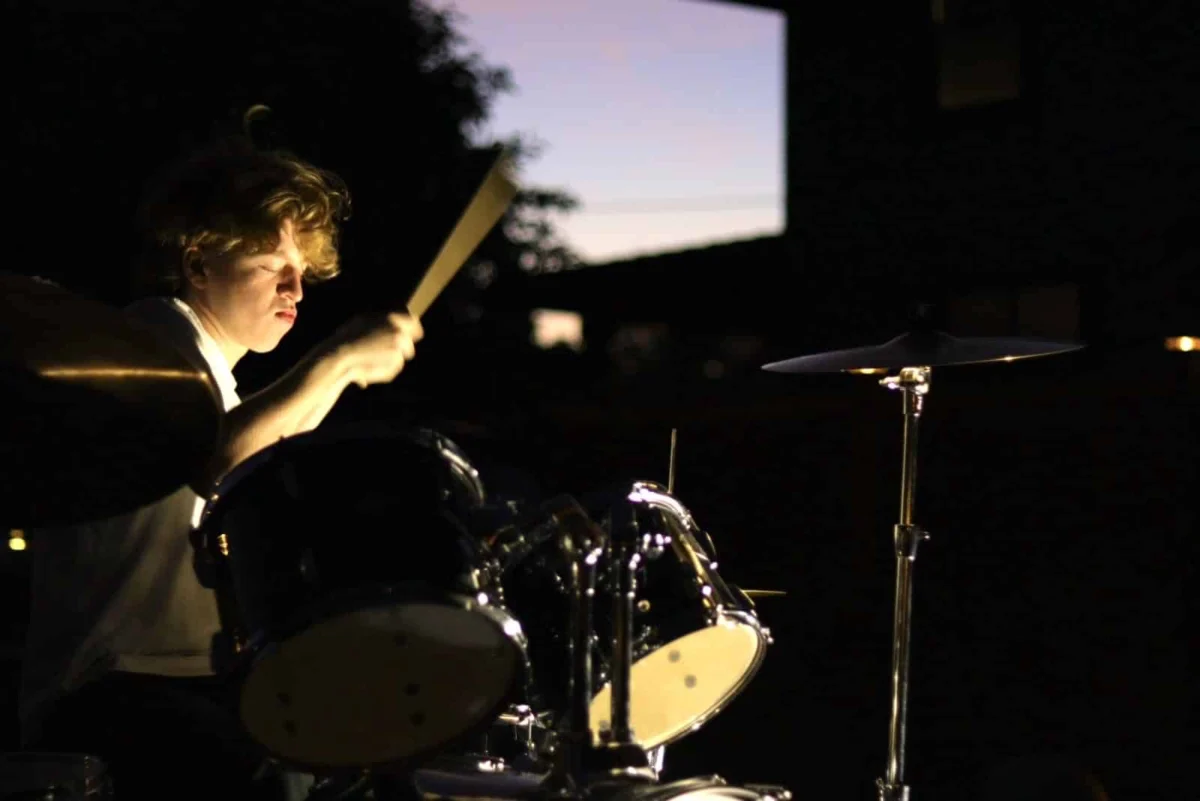
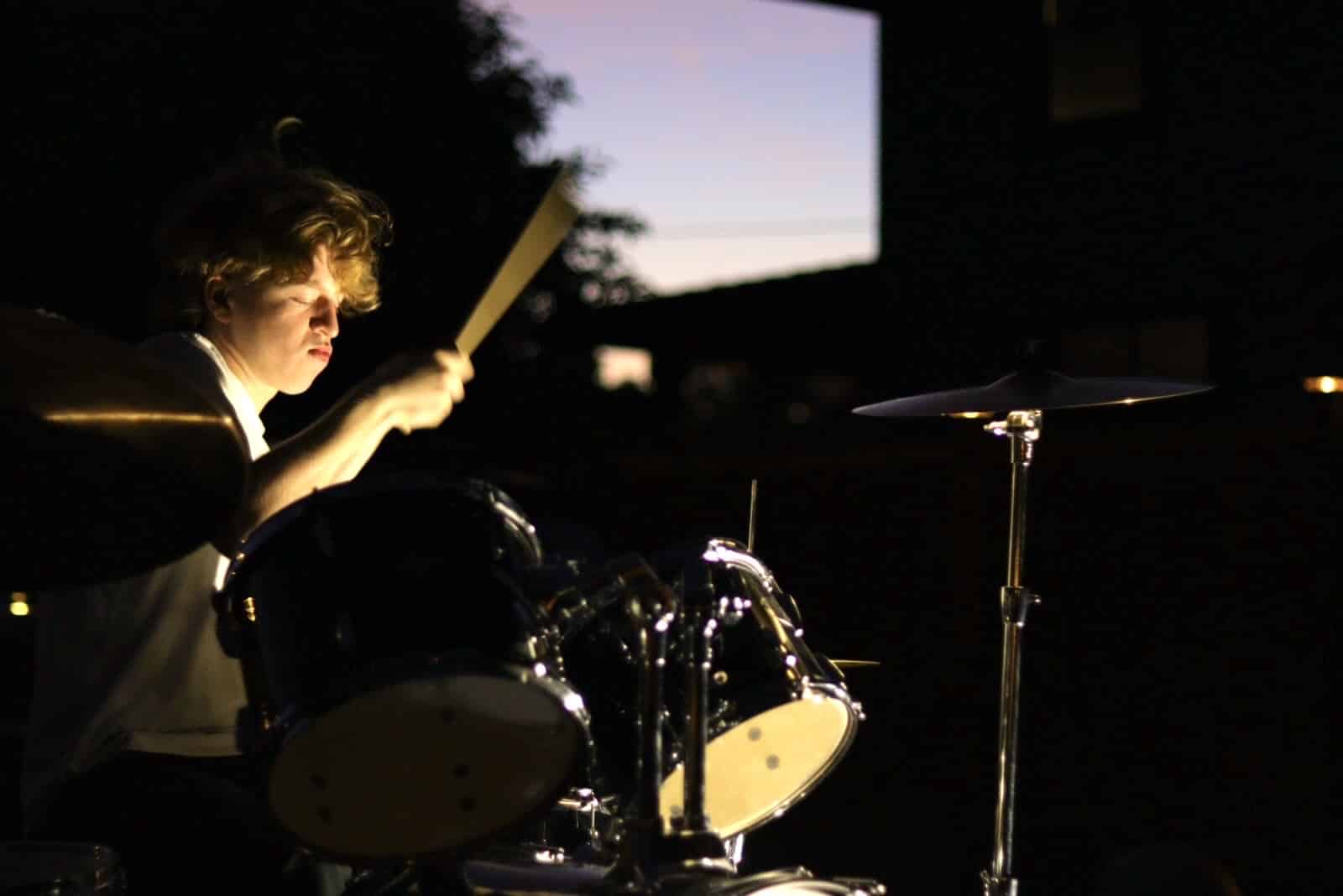
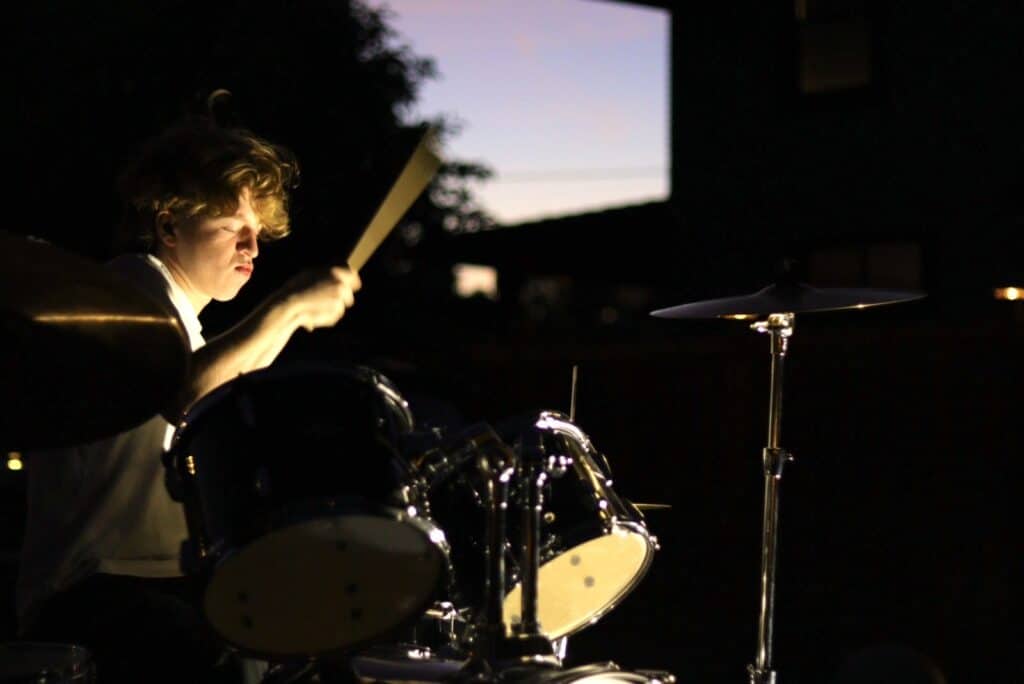
- Formative Years (Ages 13-18): Expansion into competitive sports, performing arts, and independent musical instruction (drums and guitar).
- Young Adulthood (June 2024): Graduation from Renton High School; relocation to Los Angeles to pursue a professional career in the arts.
Throughout his teenage years, Wendorf demonstrated a proclivity for the performing arts. This interest was not merely a hobby but a deliberate pursuit of self-expression. He immersed himself in improv comedy and secured lead roles in several theatrical productions. This transition from the classroom to the stage represents a significant milestone in confidence-building, as performance requires heightened awareness of timing, non-verbal cues, and interpersonal dynamics—skills that he honed through years of auditory-verbal therapy.
The Role of Support Systems and Alumni Advocacy
The success of individuals like Wendorf is often predicated on a synergy between high-quality institutional support and a robust familial framework. His parents have frequently cited the importance of the advocacy skills Wendorf acquired during his time at Listen and Talk. According to his family, the program did more than teach him to communicate; it instilled a "grounded sense of self" that allowed him to view his hearing loss not as a boundary, but as a component of his identity that required strategic navigation.
In a statement regarding his transition to Los Angeles, Wendorf noted, "Listen and Talk showed me that in a world where it feels like there aren’t many people like me, I am not alone. Even if it feels like no one else is going through what I go through, I take comfort knowing that there are others successfully pursuing their dreams too."
Implications for Future Support Models
The broader implications of Wendorf’s story suggest that the model of early intervention provided by organizations like Listen and Talk is highly scalable and effective for long-term integration. Modern medical advancements in cochlear implants and hearing aids, when paired with robust therapeutic environments, allow children with significant hearing loss to excel in fields that were previously considered inaccessible, such as music and the performing arts.
However, the financial and operational reality of these programs remains a challenge. The Alumni Family Giving Campaign, currently championed by Listen and Talk, highlights the necessity of community investment. With the cost of specialized therapy and the ongoing need for updated assistive technology, the reliance on philanthropic support remains a critical pillar of these programs. By engaging alumni who have successfully integrated into the workforce and the arts, organizations can provide current students with both the financial resources they need and the social proof that their goals are attainable.
Analysis of Current Trends in Deaf Education
The current landscape of education for the deaf and hard of hearing is shifting toward a more inclusive, diverse approach that emphasizes individual choice. While some families opt for total communication (which includes sign language), others, like the Wendorf family, lean toward auditory-oral approaches. The success of Wendorf serves as a testament to the latter, highlighting that when the brain is provided with consistent auditory input during developmental peaks, the potential for high-level social and professional achievement is vast.
Furthermore, the rise of "representation" in the arts has provided a more welcoming environment for performers with disabilities. Producers and casting directors are increasingly recognizing that neurodiversity and physical differences, including hearing loss, bring unique perspectives to the screen and stage. Wendorf’s decision to move to Los Angeles is timely, as the entertainment industry continues to grapple with and improve upon its commitment to authentic casting and inclusive production environments.
Conclusion
Kai Wendorf’s progression from a child receiving diagnostic support to an aspiring professional in Los Angeles is a multifaceted success story. It involves the precision of modern genetics, the dedication of early-intervention educators, and the resilient spirit of a young man determined to define his own narrative. As he navigates the complexities of a career in the arts, his journey serves as a blueprint for others—demonstrating that while a medical diagnosis may define a physical condition, it does not have to dictate the boundaries of a professional life. The continued support of institutions that foster this level of independence remains vital for the next generation of children navigating the challenges of hearing loss.