Historical Context and Policy Evolution
The term “zero tolerance” entered the American lexicon in the late 1980s and early 1990s, originally gaining prominence through federal and state-level education and criminal justice policies. These policies were characterized by the imposition of predetermined, mandatory punishments for specific violations, regardless of individual circumstances or mitigating factors. In the decades that followed, academic research and social justice advocacy groups—including organizations focused on civil rights and disability advocacy—have documented how these rigid frameworks often resulted in disproportionate harm to marginalized populations.
For the NAD, a non-profit organization founded in 1880 to preserve, protect, and promote the civil, human, and linguistic rights of deaf and hard-of-hearing individuals in the United States, the adoption of such a policy was intended to provide a robust mechanism for safety. The policy has historically served as a protective barrier against discrimination, harassment, bullying, and systemic abuse within the context of NAD-sponsored events, biennial national conferences, and authorized organizational meetings. By establishing a clear threshold for prohibited conduct, the NAD aimed to ensure that all attendees could participate in organizational activities without fear of retaliation or exclusionary behavior.
Chronology of the Current Discourse
The current debate represents a significant intersection between organizational policy and the broader cultural shift toward restorative justice models. The NAD’s Zero Tolerance Policy is not a recent development; it has been an operational standard during several past biennial national conferences. However, the recent influx of feedback from the deaf community suggests a growing disconnect between the policy’s stated intent—protection and accountability—and its perceived impact.
In the weeks leading up to the July 10 announcement, community members expressed concerns that the punitive nature of the language might undermine the very inclusivity the organization seeks to promote. Critics of the current policy structure have argued that the term “zero tolerance” carries an inherent rigidity that contrasts with modern organizational efforts to prioritize nuance, dialogue, and restorative practices in conflict resolution. The NAD Board of Directors acknowledged these perspectives, noting that while the policy was established with protective intentions, the organization must remain responsive to how its language is interpreted by the community it serves.
Data and Organizational Standards
In evaluating the necessity of such policies, non-profit institutions often look to data regarding workplace and conference safety. According to industry standards for event management, organizations that host large-scale gatherings are increasingly adopting “Code of Conduct” frameworks. These frameworks typically outline prohibited behaviors and the subsequent investigative processes. The distinction often lies in the shift from “zero tolerance” to “accountability-based” language.
Data from the non-profit sector suggests that organizations prioritizing restorative justice often see higher rates of participant engagement and improved satisfaction scores regarding conflict resolution. By moving away from rigid, punitive models, these organizations attempt to create pathways for addressing harm while maintaining the core tenets of safety. The NAD’s review process will likely involve benchmarking its policies against these contemporary standards, assessing whether the current structure provides adequate procedural fairness while ensuring that the rights of those harmed are fully protected.
Official Response and Board Commitment
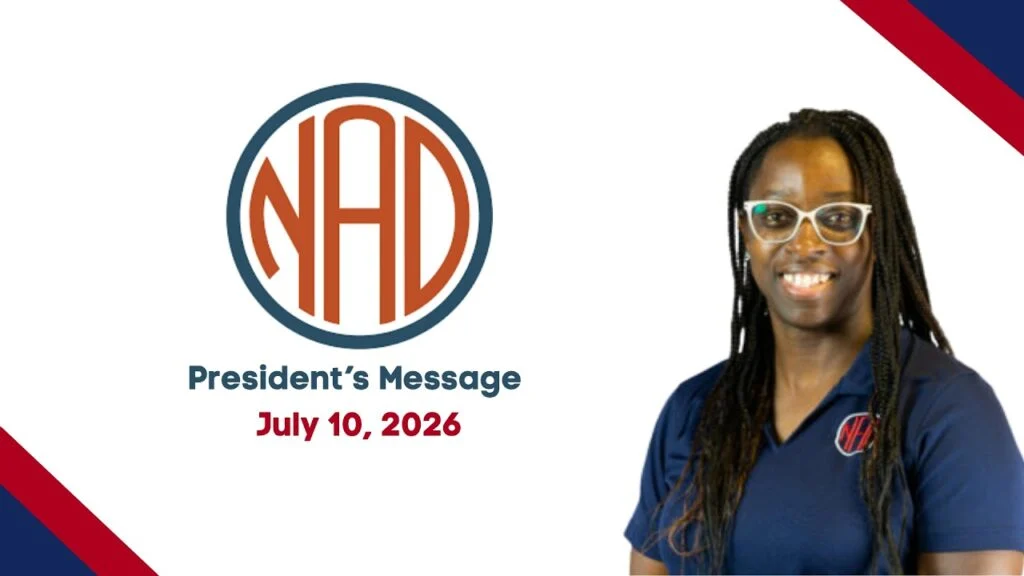
In her video address and subsequent written statement, President Stephanie Hakulin articulated a measured approach to the review process. She underscored that the current policy will remain in effect throughout the evaluation period to ensure that no gaps in protection occur. This continuity is vital, as the policy covers essential areas such as protection against retaliation and harassment during organizational activities.
The Board of Directors has committed to a transparent review process. This includes:
- Linguistic Audit: An evaluation of the policy’s title and terminology to ensure it does not alienate or cause harm to marginalized members of the community.
- Procedural Assessment: A review of how reports of misconduct are handled, ensuring that the procedures are legally sound, confidential, and fair to all parties.
- Community Integration: An active effort to solicit and incorporate perspectives from the broader deaf and hard-of-hearing community to determine if alternative frameworks—such as restorative justice or community accountability models—would be more effective.
The Board has emphasized that no final decisions have been reached. The objective is not merely to rename the policy, but to engage in a substantive examination of how the NAD handles internal conflicts and community safety.
Broader Implications and Future Outlook
The implications of the NAD’s decision extend beyond the organization itself. As one of the most prominent advocacy groups in the disability community, the NAD’s internal policy review serves as a bellwether for other non-profits navigating the tension between strict enforcement and restorative practices. The outcome of this review may provide a blueprint for how advocacy-based organizations can maintain high standards of safety while fostering an environment of inclusivity.
If the NAD moves to replace “zero tolerance” with language focusing on accountability and restorative outcomes, it would signal a broader trend of moving away from 1990s-era punitive models in the social justice sector. This shift could influence how professional associations, educational institutions, and community groups structure their own codes of conduct.
The process of updating such policies is rarely swift. It requires legal consultation, internal review, and a deep understanding of the historical weight of the language involved. By acknowledging that “good intentions do not replace the need to understand how the language is interpreted,” the NAD has set a standard for accountability within its own governance.
Conclusion: A Path Forward
As the NAD moves forward with this comprehensive review, the organization faces the challenge of balancing its role as a protector of its members with its commitment to progressive values. The upcoming months will likely involve a series of consultations and updates provided to the community.
The organization’s focus remains on maintaining a safe, respectful, and inclusive environment. Whether the resulting policy change involves a rebranding of the existing structure or a fundamental shift in how the organization approaches conflict resolution, the NAD’s willingness to pause and reassess its own internal mechanisms is a significant indicator of its ongoing evolution. For the members of the community, the promise of transparent communication and a commitment to dignity and fairness remains the central pillar of this transition. As the NAD continues its work, the community awaits further updates, with the goal of ensuring that the organization’s policies effectively reflect the values of the individuals they are designed to protect.