Understanding the nuances of these two primary types of hearing loss is not merely an academic exercise; it forms the bedrock of effective audiological care. Misunderstanding the origin of the hearing impairment can lead to delayed or inappropriate interventions, potentially exacerbating the condition or failing to provide the most beneficial solutions. For instance, a conductive hearing loss that might be resolvable with medical treatment or a minor surgical procedure could be mistakenly treated with devices designed for sensorineural loss, leading to suboptimal outcomes.
The Spectrum of Hearing Impairment: A Comparative Overview
To effectively grasp the divergence between conductive and sensorineural hearing loss, a side-by-side comparison provides invaluable insight:

| Feature | Conductive Hearing Loss | Sensorineural Hearing Loss |
|---|---|---|
| Location | Outer ear or middle ear | Inner ear or auditory nerve |
| Mechanism | Impediment to sound transmission (blockage, fluid, etc.) | Damage to hair cells or auditory nerve |
| Common Causes | Earwax impaction, ear infections, middle ear fluid, otosclerosis, perforated eardrum, foreign objects | Aging (presbycusis), prolonged noise exposure, genetic predispositions, viral infections, ototoxic medications, Meniere’s disease |
| Auditory Perception | Sounds may be muffled, quiet, or feel "blocked" | Reduced clarity of speech, difficulty distinguishing frequencies, perception of quieter speech, especially in noisy environments |
| Permanence | Often temporary and reversible, dependent on the underlying cause | Usually permanent and irreversible |
| Primary Treatments | Medical intervention, surgical correction, hearing aids, bone conduction devices | Hearing aids, cochlear implants, auditory brainstem implants |
In essence, conductive hearing loss is a problem of sound transmission, where the physical pathway for sound is obstructed. Sensorineural hearing loss, on the other hand, is a challenge in sound transduction – the intricate process of converting sound vibrations into electrical signals the brain can interpret – and the subsequent transmission of these signals along the auditory nerve.
It is crucial to recognize that these two types of hearing loss are not mutually exclusive. A significant portion of individuals, particularly older adults or those with chronic ear conditions, may experience mixed hearing loss, a combination of both conductive and sensorineural components. This dual impairment necessitates a more complex diagnostic and treatment approach, requiring interventions that address both the mechanical issues in the outer/middle ear and the neural or sensory deficits in the inner ear and auditory nerve.
Conductive Hearing Loss: A Mechanical Obstruction
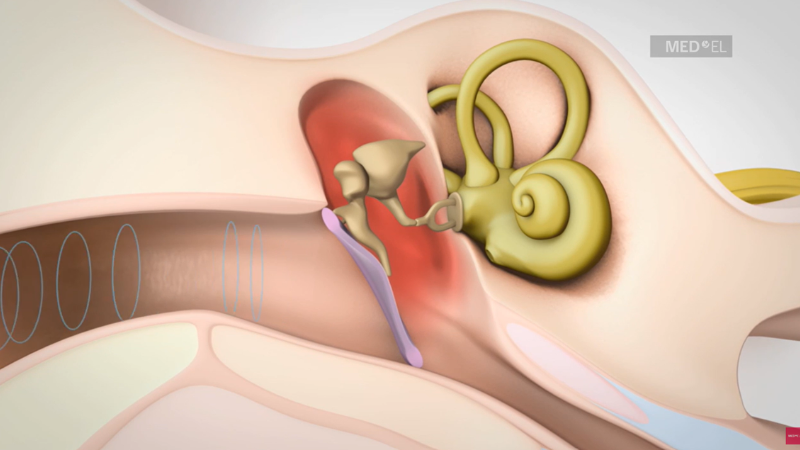
Conductive hearing loss occurs when there is a physical blockage or damage in the outer ear (ear canal, eardrum) or the middle ear (ossicles: malleus, incus, stapes). This disruption prevents sound waves from efficiently reaching the cochlea, the sensory organ of hearing in the inner ear. The World Health Organization (WHO) estimates that conductive hearing loss accounts for approximately 4% of all hearing loss globally, with a higher prevalence in certain developing regions due to factors like untreated ear infections.
Common Culprits Behind Conductive Hearing Loss
The causes of conductive hearing loss are varied and often related to temporary or treatable conditions:

- Earwax Buildup (Cerumen Impaction): Excessive earwax can block the ear canal, significantly muffling sounds. This is one of the most common and easily remedied causes.
- Middle Ear Infections (Otitis Media): Fluid accumulation behind the eardrum due to infection can dampen vibrations, leading to temporary hearing loss. Chronic or recurrent infections can sometimes lead to more persistent issues.
- Perforated Eardrum: A hole or tear in the eardrum, often caused by trauma, infection, or sudden pressure changes, can impede the transmission of sound.
- Otosclerosis: This is a condition where abnormal bone growth in the middle ear, typically affecting the stapes, causes it to stiffen and not vibrate properly. This is a progressive condition.
- Cholesteatoma: A non-cancerous skin growth that can develop in the middle ear, potentially damaging the ossicles and other structures.
- Foreign Objects: Obstructions in the ear canal, particularly in children, can cause conductive hearing loss.
What Conductive Hearing Loss May Sound Like
Individuals with conductive hearing loss often describe their experience as:
- Muffled or indistinct sounds: As if listening through cotton wool or underwater.
- Reduced overall volume: Sounds are simply quieter than they should be.
- A feeling of fullness or blockage in the ear.
The Reversibility Factor
A key characteristic of conductive hearing loss is its potential for reversibility. Many causes, such as earwax impaction or acute ear infections, can be treated with medication or simple procedures, leading to a full or partial recovery of hearing. However, conditions like otosclerosis or severe damage to the middle ear structures may require surgical intervention or specialized hearing devices.
Sensorineural Hearing Loss: Damage to the Inner Ear or Auditory Nerve
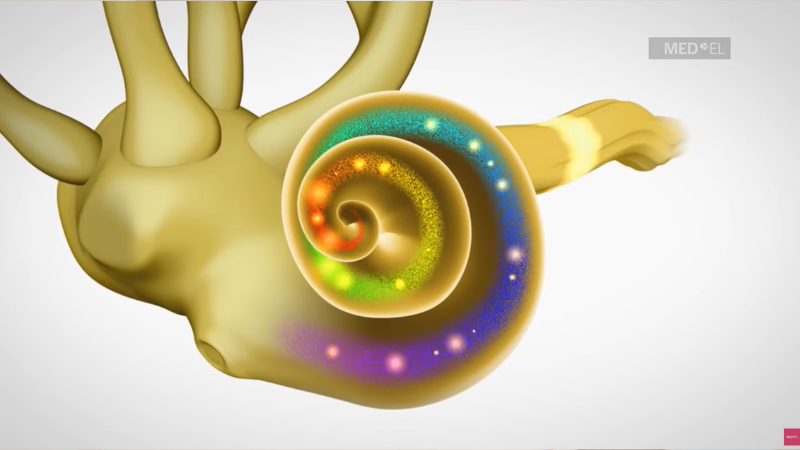
Sensorineural hearing loss (SNHL) represents the most prevalent form of hearing impairment, affecting the delicate structures of the inner ear or the auditory nerve pathways. According to the WHO, SNHL accounts for over 90% of all hearing loss cases worldwide. This type of hearing loss occurs when the sensory receptors in the cochlea (hair cells) or the neural pathways transmitting signals to the brain are damaged.
The Multifaceted Causes of SNHL
The causes of sensorineural hearing loss are numerous and often cumulative:
- Age-Related Hearing Loss (Presbycusis): This is the most common cause, affecting a significant percentage of individuals over the age of 65. It results from the natural degeneration of hair cells and nerve fibers in the cochlea over time. Studies indicate that by age 75, more than half of Americans experience hearing loss.
- Noise-Induced Hearing Loss (NIHL): Exposure to loud noises, whether from occupational hazards (construction, manufacturing, military service) or recreational activities (concerts, shooting ranges, loud music), can irreversibly damage hair cells. The Centers for Disease Control and Prevention (CDC) estimates that about 22 million workers are exposed to hazardous noise levels annually in the U.S.
- Genetics: Inherited predispositions can lead to congenital or early-onset SNHL. Approximately 50% of childhood hearing loss is attributed to genetic factors.
- Illness and Infections: Certain viral infections, such as measles, mumps, meningitis, and cytomegalovirus (CMV), can damage the inner ear or auditory nerve.
- Ototoxic Medications: Some medications, including certain antibiotics (e.g., aminoglycosides), chemotherapy drugs (e.g., cisplatin), and high doses of aspirin, can be toxic to the auditory system.
- Head Trauma: Severe head injuries can sometimes disrupt the auditory pathways.
- Tumors: Tumors on the auditory nerve (e.g., acoustic neuroma) can impair hearing.
- Autoimmune Inner Ear Disease: The body’s immune system mistakenly attacks the inner ear.
The Soundscape of SNHL
The experience of sensorineural hearing loss is often characterized by:
- Difficulty understanding speech, especially in noisy environments: Even if sounds are audible, the clarity needed to discern words may be lost. This is a hallmark of SNHL, as it often affects the ability to process high-frequency sounds crucial for speech intelligibility.
- Perception of speech as muffled or distorted: Certain consonant sounds may be harder to hear.
- Tinnitus: A persistent ringing, buzzing, or hissing sound in the ears, which can be a symptom or co-occurring condition.
- Reduced sensitivity to certain frequencies: Some tones may be inaudible while others are heard normally.
The Permanence of SNHL
Unlike many forms of conductive hearing loss, sensorineural hearing loss is typically permanent. The damage to the hair cells and nerve fibers in the inner ear is generally not reversible through medical treatment or surgery. However, its impact on quality of life can be significantly managed.
Mixed Hearing Loss: A Combined Challenge
When an individual experiences both conductive and sensorineural components of hearing loss, it is termed mixed hearing loss. This scenario is not uncommon, particularly in individuals with long-standing ear issues, exposure to loud noise over many years, or advanced age. For example, an elderly person might have age-related SNHL and also develop a middle ear effusion due to an infection, resulting in mixed hearing loss. Treatment strategies for mixed hearing loss must address both the transmission problem and the neural or sensory deficit, often requiring a combination of medical, surgical, and amplification technologies.
Diagnosis: Pinpointing the Origin of Hearing Impairment
Self-diagnosis of hearing loss is unreliable due to the overlapping nature of symptoms. A definitive diagnosis requires professional evaluation by an audiologist or an otolaryngologist (ENT specialist). The diagnostic process typically involves:
Key Diagnostic Tools
- Pure-Tone Audiometry: This is a cornerstone of hearing assessment. It measures the softest sounds a person can hear at different frequencies, establishing hearing thresholds and identifying the type and degree of hearing loss.
- Speech Audiometry: This evaluates a person’s ability to hear and understand speech at various volumes, often in the presence of background noise.
- Tympanometry: This test assesses the function of the middle ear and eardrum, helping to identify conductive issues like fluid buildup or eardrum perforations.
- Otoacoustic Emissions (OAEs): These tests measure the response of the inner ear’s hair cells to sound. A lack of OAEs can indicate sensorineural hearing loss.
- Auditory Brainstem Response (ABR) Testing: This measures the electrical activity of the auditory nerve and brainstem in response to sound, useful for diagnosing SNHL and assessing the integrity of the auditory pathway.
- Imaging Studies (CT/MRI): In cases where structural abnormalities or tumors are suspected, imaging scans may be employed.
Starting with an online hearing test can serve as an initial, non-diagnostic step to gauge potential hearing difficulties, prompting a more comprehensive professional assessment.
Treatment Strategies: Tailoring Interventions to the Cause
The management of hearing loss is highly individualized, depending on the type, severity, cause, and the patient’s specific needs and lifestyle.
Addressing Conductive Hearing Loss
The primary goal for conductive hearing loss is to restore sound transmission:
- Medical Treatment: For infections or inflammation, antibiotics or anti-inflammatory medications may be prescribed.
- Removal of Blockages: Earwax can be safely removed by a healthcare professional. Foreign objects are also removed.
- Surgical Intervention: Procedures like myringoplasty (eardrum repair), tympanoplasty (reconstruction of the middle ear), or stapedectomy (for otosclerosis) can correct structural problems.
- Hearing Aids: For persistent conductive hearing loss that cannot be fully corrected by other means, hearing aids can amplify sound.
- Bone Conduction Devices: These devices bypass the outer and middle ear by transmitting sound vibrations directly to the inner ear through the bones of the skull. Examples include the Baha system and Bonebridge.
- Middle Ear Implants: These are electronic devices that can be surgically implanted to assist with hearing when traditional hearing aids are not sufficient.
Managing Sensorineural Hearing Loss
Since SNHL is typically irreversible, management focuses on maximizing residual hearing and improving communication:
- Hearing Aids: The most common treatment for SNHL, hearing aids amplify sounds, making them louder and clearer. Modern digital hearing aids offer sophisticated features to manage background noise and customize amplification.
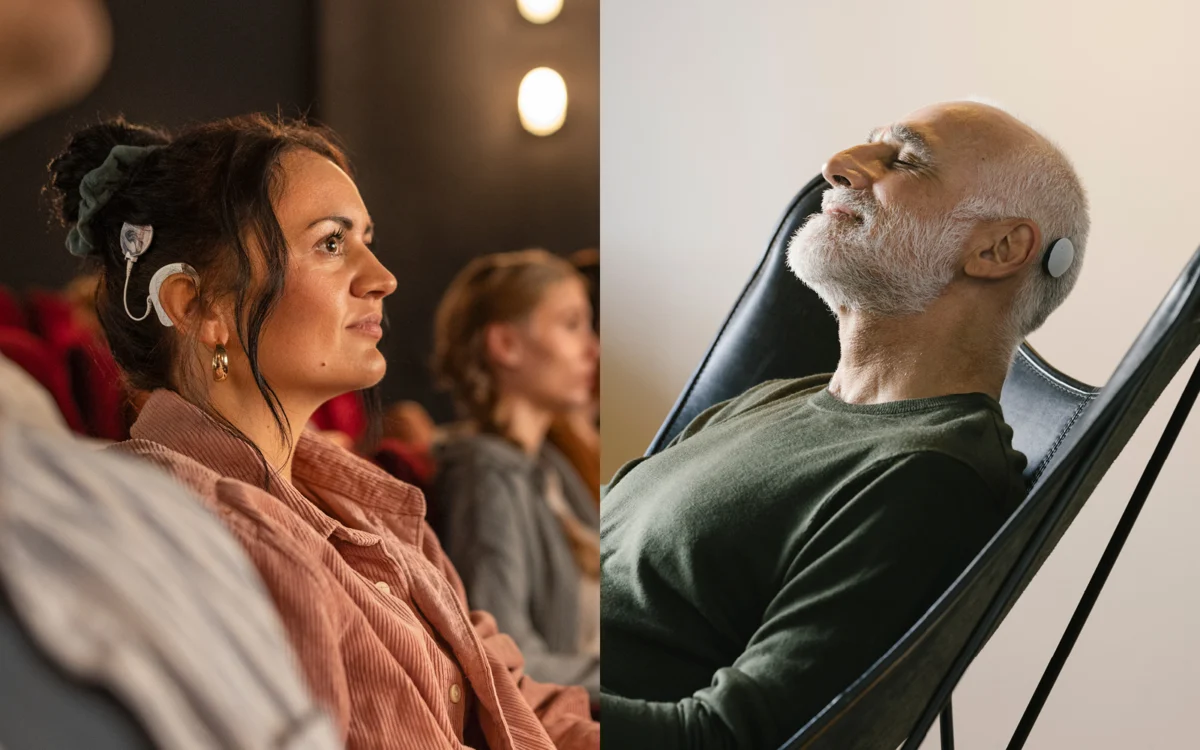
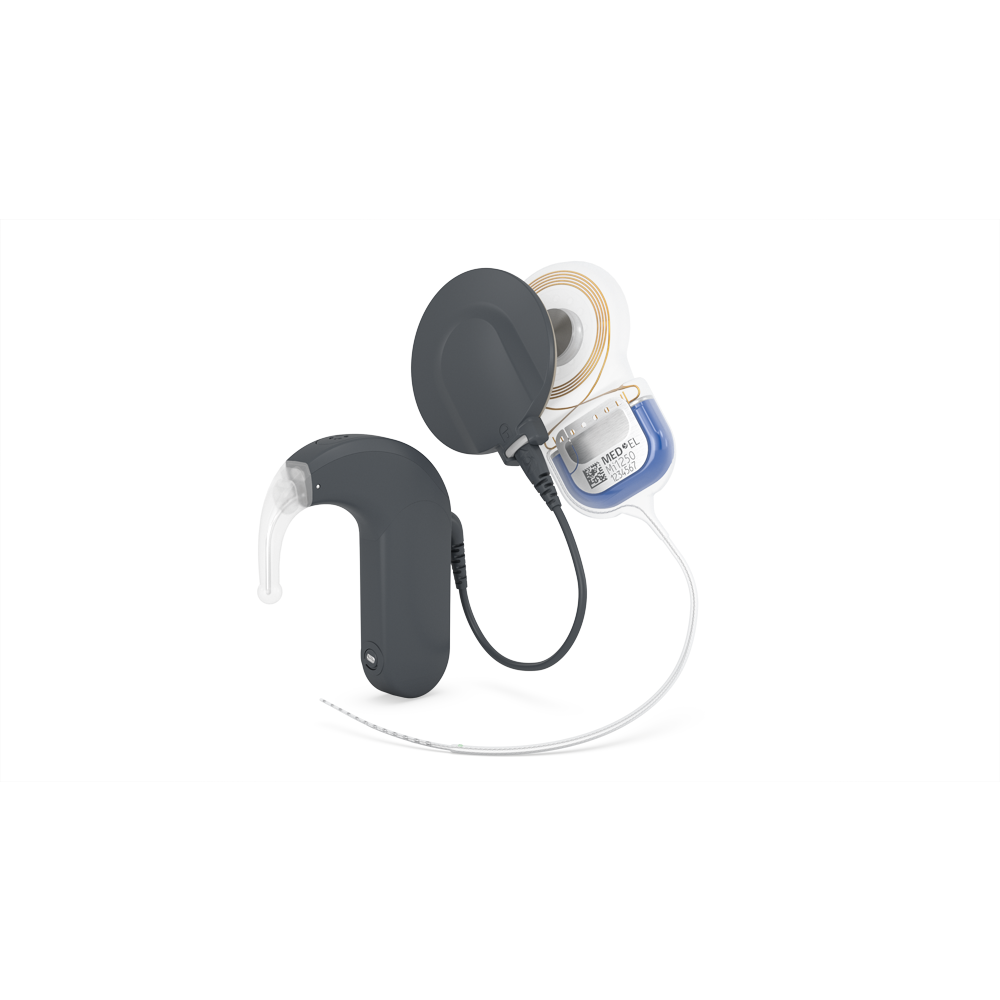
- Cochlear Implants: For individuals with severe to profound SNHL who do not benefit significantly from hearing aids, cochlear implants are an option. These devices bypass damaged parts of the inner ear and directly stimulate the auditory nerve, providing a sense of sound. MED-EL is a leading provider of cochlear implant systems and other hearing implant solutions.
- Auditory Brainstem Implants (ABIs): In rare cases, when the auditory nerve itself is damaged and cannot be stimulated by a cochlear implant, ABIs can be implanted to directly stimulate the brainstem.
- Assistive Listening Devices (ALDs): These devices, such as amplified telephones, personal listening devices, and FM systems, can help improve communication in specific situations.
- Speech Therapy and Auditory Training: These can help individuals learn to better interpret and utilize the sound information they receive.
The Importance of Early Detection and Professional Guidance
The timeline of hearing loss intervention is critical. Sudden changes in hearing, whether conductive or sensorineural, should always be evaluated by a medical professional as soon as possible to rule out serious underlying conditions and initiate timely treatment.
The implications of untreated or improperly managed hearing loss extend far beyond communication difficulties. Research has linked untreated hearing loss to increased risks of social isolation, depression, cognitive decline, and even a higher incidence of falls. Proactive management, guided by professional diagnosis and tailored treatment plans, is essential for maintaining overall health and well-being.
For individuals experiencing any form of hearing difficulty, the most crucial first step is to seek a professional hearing evaluation. This allows for accurate diagnosis, understanding of the specific type of hearing loss, and the development of a personalized strategy to navigate the challenges and regain a fuller connection to the world of sound. MED-EL, through its commitment to patient-centered innovation, offers resources and technologies designed to address the diverse needs of individuals with hearing loss, emphasizing that taking action early can profoundly impact one’s hearing health and quality of life.