Understanding Vestibular Dysfunction: A Public Health Overview
Vestibular disorders encompass a range of conditions, including Benign Paroxysmal Positional Vertigo (BPPV), Ménière’s disease, vestibular migraine, and Persistent Postural-Perceptual Dizziness (PPPD). According to data from the Vestibular Disorders Association (VeDA), approximately 35% of adults aged 40 years or older in the United States—nearly 69 million people—have experienced some form of vestibular dysfunction. These conditions are characterized by symptoms such as chronic dizziness, vertigo, imbalance, and spatial disorientation.
For parents, the physiological impact is compounded by the "invisible" nature of the disability. Unlike a broken limb or a visible injury, vestibular symptoms are internal, often leading to a lack of understanding from the general public and, occasionally, healthcare providers. The chronic nature of these symptoms often requires a total reconfiguration of the household environment and the parental role, as the ability to drive, lift children, or manage high-stimulation environments is frequently curtailed.
Chronology of a Life Altered: From Activity to Adaptation
The trajectory of Careen’s experience mirrors that of many patients who undergo a sudden transition from health to chronic illness. Prior to the onset of her symptoms, Careen led an active life, characterized by the multitasking typical of a mother with two young boys, aged seven and nine. Her daily routine involved constant motion, physical engagement, and the spontaneous management of a busy household.
The onset of her vestibular disorder was not gradual but marked by a definitive shift that she describes as her world turning "upside down overnight." This sudden loss of equilibrium triggered a multi-phase process of adaptation:
- The Acute Phase: Initial symptoms often lead to an "emergency" mindset, where the primary goal is survival and the search for a diagnosis. During this period, the parental role is often outsourced to partners or extended family.
- The Diagnostic Odyssey: Many vestibular patients spend months or even years seeking an accurate diagnosis. This period is often marked by medical gaslighting, where symptoms are dismissed as stress or anxiety, further exacerbating the patient’s emotional distress.
- The Grieving Phase: Once the chronic nature of the condition is established, a period of mourning follows. Careen reported mourning the "energetic, spontaneous, ever-present" version of herself, a sentiment echoed by many in the chronic illness community.
- The Integration Phase: This involves the development of new coping mechanisms, the implementation of environmental modifications, and the establishment of a "new normal" for the family unit.
Data-Driven Analysis of Maternal Impact and Family Dynamics
The impact of vestibular disorders on parenting is quantifiable through both psychological and socio-economic lenses. Research indicates that patients with chronic dizziness report significantly higher levels of anxiety and depression compared to the general population. For mothers, this is often manifested as "parental guilt"—the feeling that they are failing to provide their children with a "normal" upbringing.
In Careen’s case, the fear of physical failure was a primary stressor. She documented concerns regarding her ability to safely drive her children or the risk of falling while home alone with them. These are not merely emotional responses but practical safety concerns. According to the National Institute on Deafness and Other Communication Disorders (NIDCD), balance disorders are a leading cause of falls and injuries, which, for a primary caregiver, poses a risk to the entire domestic infrastructure.
Furthermore, the "Care Gap" becomes a significant factor. When a primary caregiver is incapacitated by vertigo, the burden of household management and emotional labor shifts. In Careen’s household, her husband became a "central pillar," taking over meal preparation, transportation, and the maintenance of daily routines. This shift requires a high degree of marital resilience; statistics suggest that chronic illness can place significant strain on domestic partnerships if communication and support structures are not robust.
The Role of Transparency in Childhood Development
A critical turning point in Careen’s narrative was the decision to move from shielding her children to involving them in her reality. Initial parental instincts often favor the concealment of illness to protect children from worry. However, psychological analysis suggests that appropriate transparency can foster resilience and empathy in children.

When Careen explained her condition in age-appropriate terms, her children transitioned from confusion to active support. They learned to identify "dizzy days" and adjusted their expectations for play and engagement. This shift reflects a broader sociological observation: children of parents with chronic illnesses often develop higher levels of emotional intelligence and compassion. They become "cheerleaders" and active participants in the family’s health management, rather than passive observers of a parent’s struggle.
Redefining Strength: The Shift from "Doing" to "Being"
Parenting with a vestibular disorder necessitates a move away from high-impact physical activities toward more intentional, low-stimulation engagement. Careen’s adaptation involved reimagining connection. Instead of running with her children, she engaged in "seated parenting"—playing board games, reading, and participating in quieter, focused activities.
This transition highlights a fundamental shift in the philosophy of motherhood. The traditional metric of a "good parent" is often tied to physical productivity and the ability to "do it all." Vestibular disorders force a redefinition of this metric, prioritizing presence, consistency, and emotional availability over physical stamina. Experts in occupational therapy often recommend this "energy pacing" or "spoon theory" approach, where a parent carefully allocates their limited physical resources to ensure they remain present for the most meaningful moments.
Institutional Support and the Power of Peer Networks
The isolation of vestibular disorders is often mitigated by the intervention of specialized support organizations. The Vestibular Disorders Association (VeDA) provides resources that bridge the gap between clinical treatment and daily living. For Careen, the discovery of a VeDA support group was transformative, leading to the establishment of "The Dizzy Moms Club."
Peer support groups provide several critical functions:
- Validation: Confirming that the patient’s symptoms are real and shared by others.
- Resource Sharing: Exchanging practical tips for navigating grocery stores, managing lighting triggers, and finding vestibular-literate physicians.
- Celebration of Small Victories: In the "Dizzy Moms Club," milestones such as a successful trip to a store or a symptom-free afternoon are recognized as significant achievements, fostering a sense of progress that might be overlooked in a traditional setting.
Broader Implications and Medical Analysis
The medical community is increasingly recognizing the need for a multidisciplinary approach to vestibular care. Vestibular Rehabilitation Therapy (VRT), a specialized form of physical therapy, is the gold standard for treating many of these conditions. VRT utilizes neuroplasticity—the brain’s ability to reorganize itself—to compensate for inner ear deficits.
However, the psychological component remains equally vital. Clinical analysis suggests that for parents like Careen, the integration of mental health support is essential for managing the "what if" anxieties associated with the disorder. The medical establishment is beginning to advocate for a "whole-person" approach that considers the patient’s role as a caregiver when designing treatment plans.
Conclusion: The Resilient Future of the Family Unit
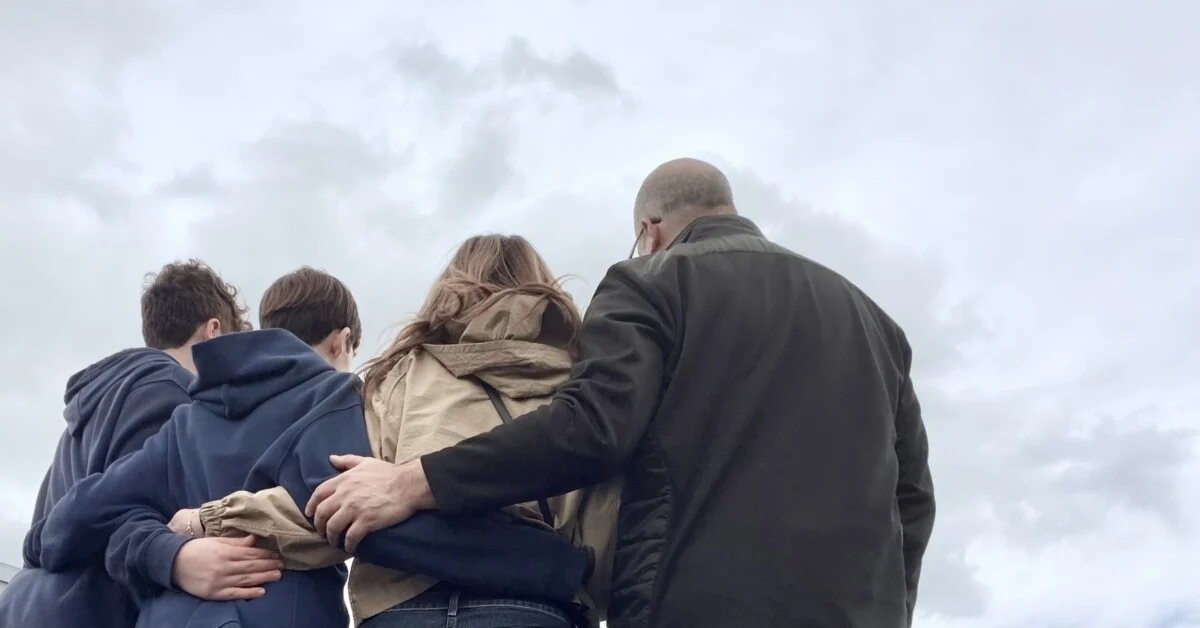
The narrative of parenting with a vestibular disorder is not one of inevitable decline, but of profound transformation. Careen’s journey demonstrates that while the physical parameters of motherhood may change, the capacity for deep connection and effective parenting remains intact. By embracing honesty, seeking community, and redefining strength, parents with vestibular disorders are carving out a new model of resilience.
As society becomes more aware of invisible disabilities, the hope is that the stigma surrounding chronic dizziness will diminish, allowing for more robust support systems in schools, workplaces, and healthcare settings. Careen’s advice to "keep showing up, in whatever way you can," serves as a definitive statement on the enduring nature of parental commitment. Different, as her story illustrates, does not mean diminished; in many cases, it leads to a more empathetic and intentionally lived life.