The proposed acquisition, initially announced on March 16, 2026, represents a strategic move designed to create a vertically integrated powerhouse within the global hearing aid market. Should the deal successfully close as anticipated by the end of 2026, subject to customary closing conditions and regulatory approvals, it would bring one of the world’s largest hearing aid manufacturers under the direct ownership of the world’s largest hearing care retailer. This unprecedented convergence is expected to send ripples across the industry, potentially reshaping competitive dynamics, supply chains, and consumer offerings worldwide.
Strategic Rationale: Forging a Vertically Integrated Giant
Amplifon’s pursuit of GN Hearing is deeply rooted in a strategic vision to enhance its market position, operational efficiencies, and innovation capabilities. By integrating manufacturing capabilities with its extensive retail network, Amplifon aims to achieve greater control over the entire value chain, from product development and production to distribution and customer service. This vertical integration strategy is not unique to the hearing industry but represents a significant escalation in its application within this specialized sector.
For Amplifon, the benefits are manifold. Direct ownership of a manufacturing arm like GN Hearing, renowned for its cutting-edge research and development in hearing technology, could allow Amplifon to tailor product offerings more closely to its retail channels and consumer needs. It could also lead to improved cost efficiencies through streamlined supply chains, bulk purchasing, and optimized inventory management. Furthermore, the integration could foster faster innovation cycles, enabling Amplifon to bring new technologies and solutions to market more rapidly, thereby maintaining a competitive edge. The acquisition could also provide Amplifon with proprietary technologies and intellectual property currently held by GN Hearing, further solidifying its position as an industry innovator.
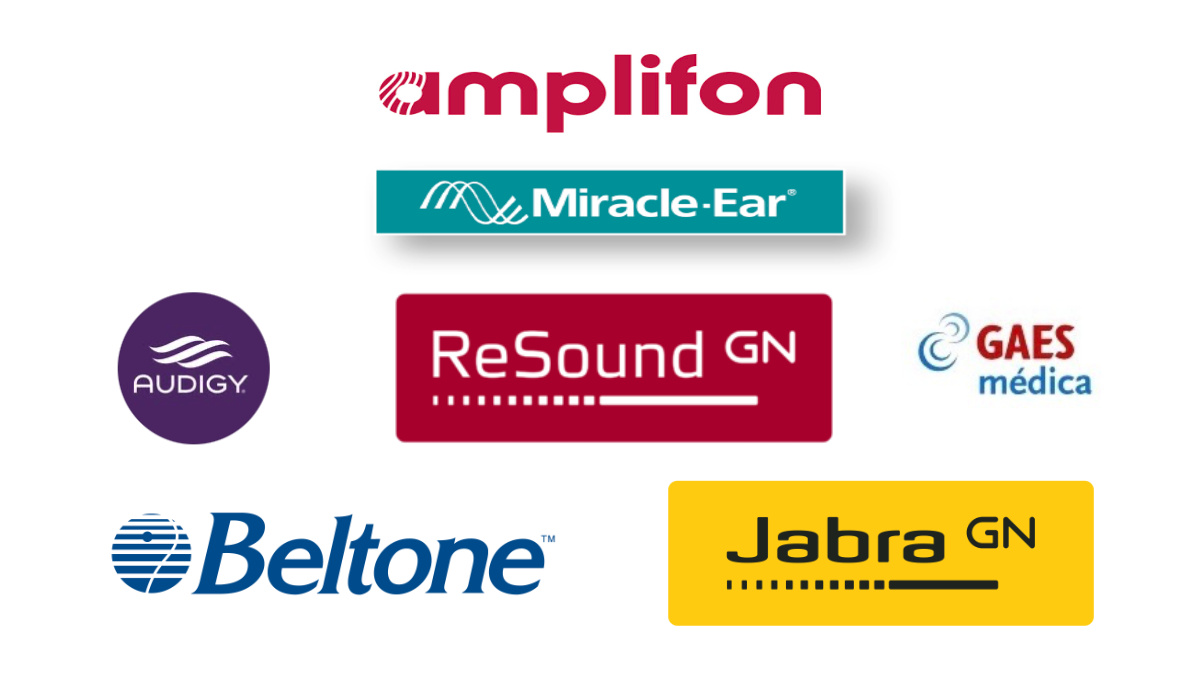
From GN Hearing’s perspective, becoming part of the Amplifon group offers access to an unparalleled global retail footprint. Amplifon operates thousands of stores across dozens of countries, providing a vast network for GN Hearing’s brands like ReSound and Beltone to reach a broader consumer base. This could translate into increased sales volumes, enhanced brand visibility, and potentially greater resources for research and development. GN CEO Peter Karlströmer, in a previous interview regarding the deal, expressed confidence, stating that the two companies are "creating an even stronger company." This sentiment underscores the belief that the synergies created by combining Amplifon’s retail prowess with GN Hearing’s manufacturing excellence will yield a more robust and resilient entity capable of navigating the evolving demands of the global hearing care market.
The Broader Hearing Aid Market Landscape: A Context for Consolidation
The global hearing aid market has been undergoing significant transformation in recent years, driven by several key factors. An aging global population, increased awareness of hearing loss, and advancements in hearing aid technology are contributing to sustained growth. The market is also characterized by a trend towards consolidation, with major players seeking to expand their reach and capabilities. This environment provides a fertile ground for large-scale transactions like the Amplifon-GN Hearing deal.
The market has historically been dominated by a handful of large manufacturers, often referred to as the "Big Six" or "Big Five," who control a substantial portion of the global supply of hearing aids. These manufacturers typically supply devices to independent audiologists, national retail chains, and other distributors. Amplifon, as the largest independent retailer, has traditionally sourced its devices from various manufacturers. This acquisition fundamentally alters that dynamic, transforming Amplifon into a hybrid entity that both manufactures and sells, potentially challenging the traditional power balance between manufacturers and retailers.
Technological advancements, including miniaturization, improved sound processing, rechargeable batteries, and connectivity with smartphones, have made hearing aids more appealing and effective. The advent of Over-The-Counter (OTC) hearing aids, particularly in markets like the United States, is also reshaping consumer access and pricing expectations, adding another layer of complexity and opportunity to the industry. Against this backdrop, companies are strategically positioning themselves to capture market share and adapt to these evolving trends. Vertical integration is seen by many as a powerful strategy to control costs, ensure quality, and innovate more efficiently in such a dynamic environment.
A Chronology of a Landmark Transaction
The journey towards this potential industry-altering merger began with the initial announcement and has progressed steadily through key financial milestones:
- March 16, 2026: Amplifon publicly announces its proposed acquisition of GN Hearing in a deal valued at approximately €2.64 billion. This announcement sent immediate signals across the financial and hearing care sectors, highlighting Amplifon’s aggressive growth strategy.
- May 22, 2026: Amplifon successfully completes an equity raise, securing a significant portion of the funding required for the acquisition. While the exact figures of the equity raise were not detailed in the provided information, it laid the groundwork for the subsequent debt financing.
- June 23, 2026: Amplifon signs the €1.35 billion senior loan agreement, providing the remaining cash component necessary for the transaction and associated costs. This date marks a critical juncture in the financing structure, ensuring the deal is fully funded.
- By End of 2026 (Expected): The acquisition is projected to close, pending the fulfillment of customary closing conditions and, critically, the receipt of all necessary regulatory approvals from antitrust authorities in relevant jurisdictions.
This timeline demonstrates a clear and determined progression by Amplifon to execute its strategic vision, meticulously securing the financial resources required for such a large-scale transaction.
The Financial Architecture: A Consortium of Global Institutions
The €1.35 billion senior loan agreement underscores the confidence of major financial institutions in Amplifon’s strategic direction and the long-term prospects of the combined entity. The financing was meticulously arranged by a broad and influential pool of global banks, reflecting the scale and importance of the transaction.
Goldman Sachs Bank Europe SE and J.P. Morgan SE played pivotal roles as global coordinators, orchestrating the complex financial arrangements. Alongside them, a formidable group of mandated lead arrangers and bookrunners contributed to the successful syndication of the loan. This group includes Goldman Sachs Bank Europe SE, J.P. Morgan SE, Banco BPM, BNP Paribas, CaixaBank, Cassa Depositi e Prestiti, Crédit Agricole Corporate and Investment Bank, Deutsche Bank Luxembourg, HSBC Continental Europe, ING Bank, Intesa Sanpaolo, Mediobanca, and UniCredit. UniCredit is also serving as the facility agent, overseeing the administrative aspects of the loan.
The loan itself is structured with a maximum duration of 24 months, including an extension option, offering Amplifon flexibility in its financial planning post-acquisition. The terms and conditions are reported to be consistent with comparable market transactions, indicating a standard, yet robust, financing package for a deal of this magnitude. This robust financial backing is a testament to the perceived value and strategic upside of the Amplifon-GN Hearing merger.
Legal advisories were also a critical component of the financing process. White & Case provided counsel to Amplifon on the financing arrangements, ensuring compliance and strategic alignment. Clifford Chance advised the consortium of banks, facilitating a smooth and legally sound agreement for all parties involved. The engagement of such prominent legal and financial advisors highlights the complexity and meticulous planning characteristic of large-scale corporate mergers and acquisitions.
Regulatory Scrutiny and Market Implications
While the financial aspects of the deal appear to be well in hand, the ultimate closure remains contingent on customary conditions and, crucially, regulatory approvals. Mergers of this scale, particularly those creating vertically integrated entities in significant global markets, invariably attract intense scrutiny from antitrust authorities. Regulators in various jurisdictions, including the European Union, the United States, and potentially others, will meticulously assess the proposed acquisition for its potential impact on market competition, consumer choice, and pricing.
Concerns typically raised by regulators in such scenarios include:
- Market Concentration: The combination of the largest retailer and a major manufacturer could lead to excessive market concentration, reducing the number of independent players and potentially limiting competition.
- Reduced Choice for Consumers: If Amplifon were to prioritize GN Hearing brands within its retail network, it could potentially limit the range of options available to consumers who might prefer other manufacturers’ devices.
- Impact on Independent Retailers and Manufacturers: Other hearing aid manufacturers might face challenges if a major retail channel is effectively removed from the open market. Similarly, independent retailers could feel pressure if the combined entity leverages its integrated model to offer services or products at a scale or price point difficult to match.
- Innovation and Pricing: Regulators will examine whether the merger could stifle innovation by reducing competitive pressure or lead to higher prices for consumers due due to reduced competition.
It is common for regulatory bodies to impose conditions on such mergers, which could include divestitures of certain assets, commitments to maintain open access for competitors, or specific pricing agreements, to mitigate potential anti-competitive effects. Amplifon and GN Hearing will need to demonstrate that the combined entity will ultimately benefit consumers and foster a healthy competitive environment.
The implications for the broader hearing aid market are significant. Should the deal proceed, it could catalyze further consolidation within the industry as competitors seek to scale up or form strategic alliances to compete with the new Amplifon-GN Hearing behemoth. It could also accelerate the trend towards direct-to-consumer models or innovative service offerings, as companies look for new ways to reach and serve customers. For consumers, the long-term effects could include a more streamlined purchasing experience, potentially innovative bundled services (e.g., hearing aids with integrated care packages), or, conversely, a reduction in choice depending on how the integrated company manages its brand portfolio and retail strategy.
Looking Ahead: The Path to Integration
With the financing secured, Amplifon’s focus will now intensify on navigating the regulatory landscape and preparing for the operational integration of GN Hearing. The period leading up to the expected closing by the end of 2026 will be crucial for both companies to develop comprehensive integration plans, addressing everything from organizational structure and brand strategy to technological alignment and supply chain optimization.
The successful integration of two such large and complex organizations, each with its distinct corporate culture and operational practices, will be a monumental task. Amplifon will need to carefully manage the transition to ensure continuity of service for customers, retain key talent from both entities, and realize the projected synergies without disrupting market operations. The strategic vision is clear: to leverage the strengths of both Amplifon’s extensive retail presence and GN Hearing’s innovative manufacturing capabilities to create a truly global leader in hearing care. The market will be watching closely as this ambitious vision unfolds, marking a new chapter in the evolution of the hearing aid industry.