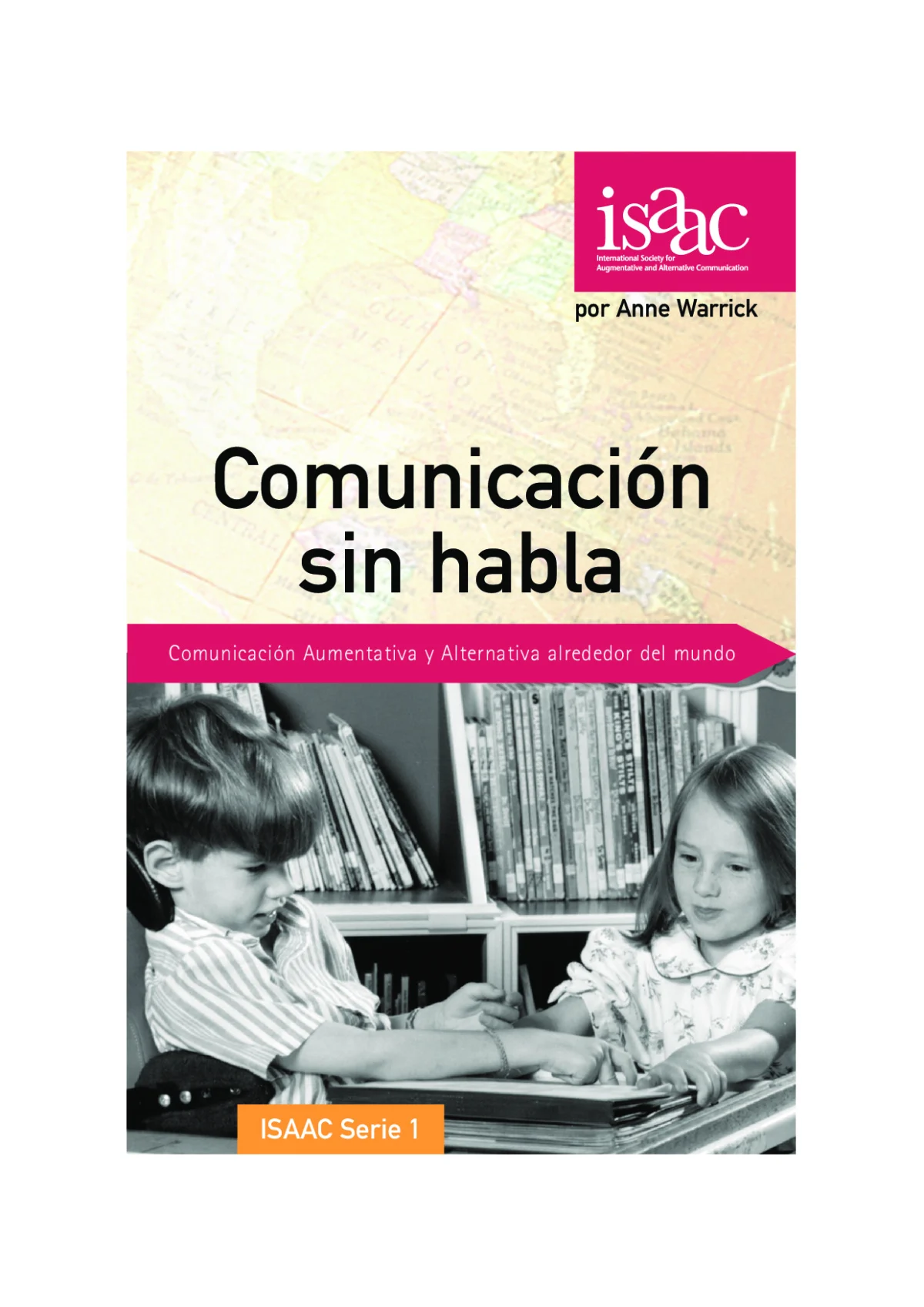
The Global Context of International Book Day
International Book Day, established by UNESCO in 1995, commemorates the legacy of authors such as Miguel de Cervantes and William Shakespeare. Beyond its cultural significance, the day has evolved into a strategic marker for educational organizations to evaluate the accessibility of technical information. In the context of disability services, the availability of high-quality, peer-reviewed literature in a user’s primary language is not merely an academic convenience—it is a human rights imperative.
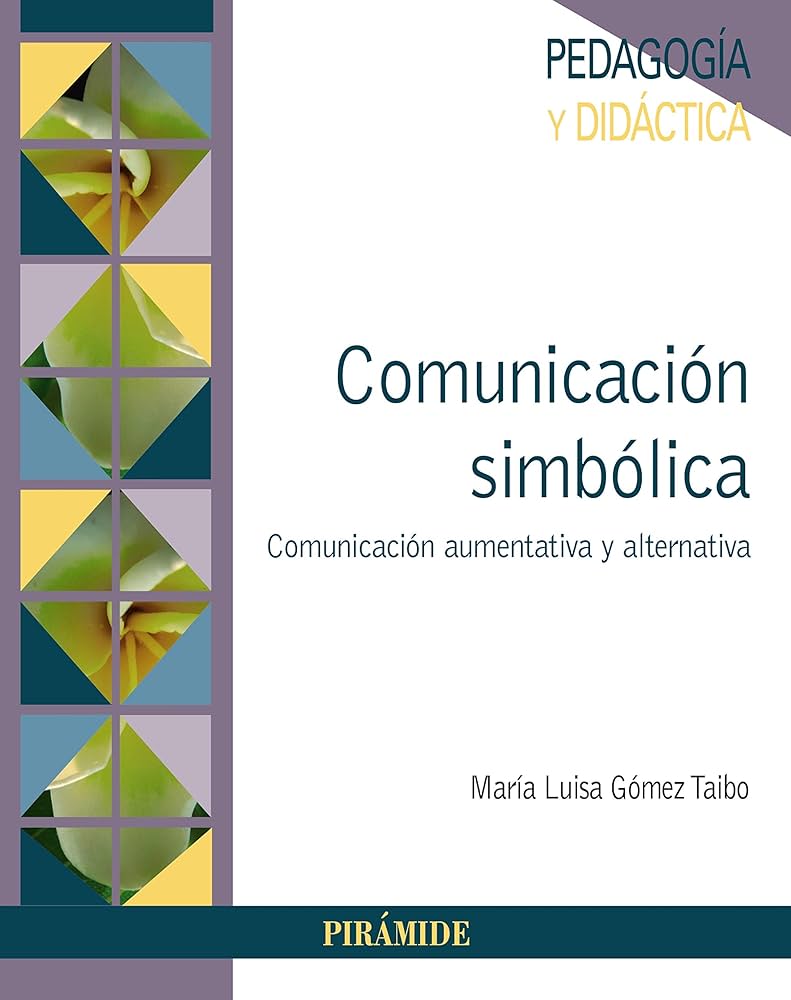
The International Society for Augmentative and Alternative Communication (ISAAC) has identified that a significant percentage of clinical and pedagogical failure in AAC interventions stems from a lack of localized, culturally responsive training materials. By leveraging the momentum of International Book Day, experts are pushing for a more robust infrastructure of Spanish-language publications, ensuring that the "right to communicate" is supported by the right to access information.
Chronology of AAC Resource Development
The evolution of AAC literature in Spanish has occurred in three distinct phases over the last two decades:
- The Foundational Period (2000–2010): Early efforts were dominated by translated manuals and limited-circulation academic papers. During this time, the primary challenge was the lack of standardized terminology, which often led to confusion among clinicians regarding diagnostic criteria and intervention strategies.
- The Digital Transition (2011–2020): With the rise of digital publishing and international collaborative networks, regional organizations began to formalize training programs. ISAAC played a pivotal role during this decade by facilitating the translation of foundational texts, moving away from purely theoretical discussions toward practical, evidence-based methodologies.
- The Era of Comprehensive Integration (2021–Present): The current landscape is defined by the publication of holistic texts that address the intersection of neurodevelopmental disorders and communication technology. Recent publications, such as the Spanish translation of Stephen von Tetzchner’s seminal work, represent a shift toward high-level academic rigor being made available to a broader audience.
The Impact of Foundational Literature
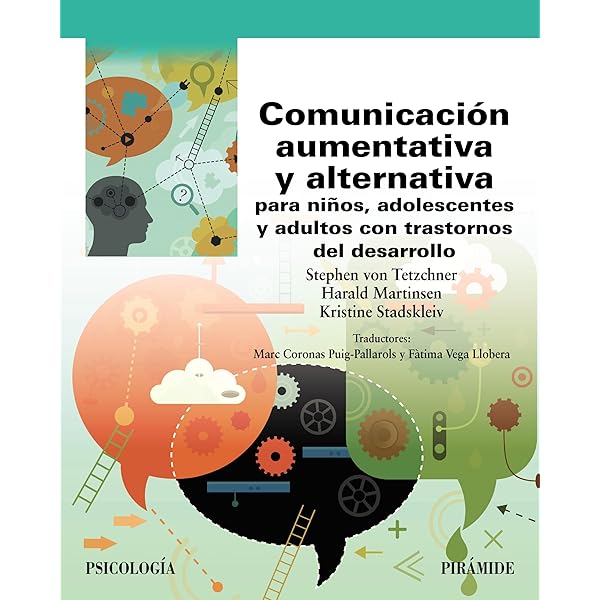
The recent publication of Comunicación aumentativa y alternativa para niños, adolescentes y adultos con trastornos del desarrollo—authored by Stephen von Tetzchner, Harald Martinsen, and Kristine Stadskleiv—marks a milestone in the field. This text provides a comprehensive framework that integrates theoretical foundations with real-world application.
For the Spanish-speaking professional, this text serves as a multi-disciplinary guide covering:
- Assessment Methodologies: Standardized protocols for identifying the unique communication profiles of individuals with complex needs.
- Intervention Strategies: Evidence-based approaches to implementing low-tech and high-tech communication systems.
- Developmental Trajectories: Analysis of how language acquisition occurs in individuals who rely on alternative modes of expression, providing a roadmap for educators to follow.
The availability of such a text in Spanish allows for more uniform practice across different countries. Previously, therapists in Latin America often relied on English-language textbooks, which necessitated time-consuming mental translations and cultural adaptations that could lead to inaccuracies in clinical practice.
Supporting Data and Demographic Needs
The urgency for these resources is supported by demographic trends in the disability sector. According to global health estimates, approximately 15% of the world’s population lives with some form of disability. A substantial portion of this group utilizes or requires AAC support. In Spanish-speaking regions, the prevalence of developmental disorders that necessitate AAC—including cerebral palsy, autism spectrum disorder, and intellectual disabilities—is statistically consistent with global averages.

However, the "service gap" remains wide. Data from regional health authorities suggest that while the number of professionals trained in speech-language pathology has increased, the volume of specialized literature available to them in Spanish remains significantly lower than that available in English. Organizations advocating for AAC rights note that providing access to professional literature is directly correlated with better patient outcomes, as it reduces the "knowledge lag" between the development of a clinical strategy and its implementation in a local setting.
Official Perspectives and Expert Analysis
Industry leaders emphasize that the value of these resources extends beyond the clinical setting. By equipping families with translated, easy-to-understand materials, the educational ecosystem becomes more inclusive.
"The democratization of knowledge is the most effective tool we have for advocacy," noted a representative involved in the current translation efforts. "When a parent has access to the same theoretical foundations as a lead clinician, the collaborative process improves. The child becomes the beneficiary of a team that speaks the same technical and practical language."
Analysts suggest that the long-term implications of this trend include:
- Standardization of Care: Reduced variability in intervention quality across diverse geographic regions.
- Policy Influence: Better-informed professionals are more capable of advocating for public health policies that mandate AAC funding and integration in schools.
- Cultural Adaptation: As more literature is translated, there is an increased opportunity to add localized research, ensuring that the specific cultural and social nuances of Spanish-speaking communities are reflected in AAC theory.
Broader Implications for the Future
The push to expand the library of Spanish-language AAC resources is not a temporary campaign; it is a structural necessity. As technology continues to change how individuals with complex communication needs interact with the world, the literature must keep pace. The integration of artificial intelligence in communication devices and the advancement of eye-tracking technologies require updated documentation that is accessible to all stakeholders regardless of their native language.
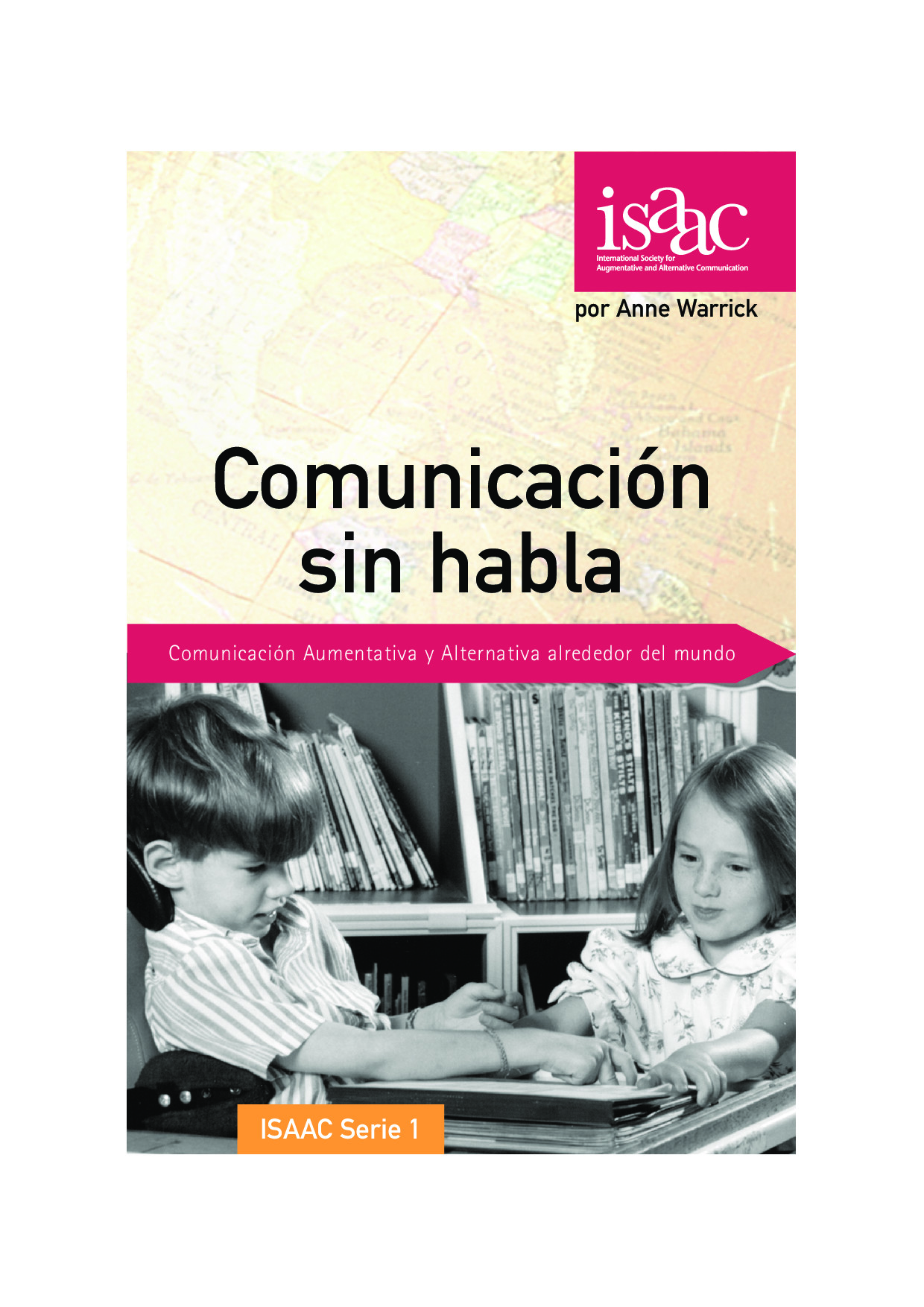
Furthermore, the involvement of organizations like ISAAC in these translation efforts highlights a global trend toward institutionalized support for linguistic diversity in medical and educational fields. By focusing on the quality, reach, and accessibility of literature, the AAC community is building a foundation for sustainable, inclusive growth.
As we look toward the remainder of the year, the focus will likely remain on the "PráctiCAAmente Conectados" initiative—a project aimed at sustaining this momentum through ongoing webinars, digital libraries, and collaborative forums. The goal is clear: to ensure that the progress made during International Book Day is translated into daily practice, ultimately improving the lives of individuals who rely on AAC to make their voices heard. The successful integration of these resources will define the next generation of inclusive communication, ensuring that no individual is left behind due to a language barrier in their academic or clinical support system.