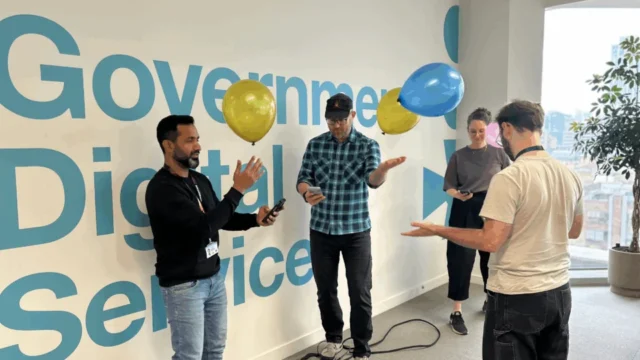
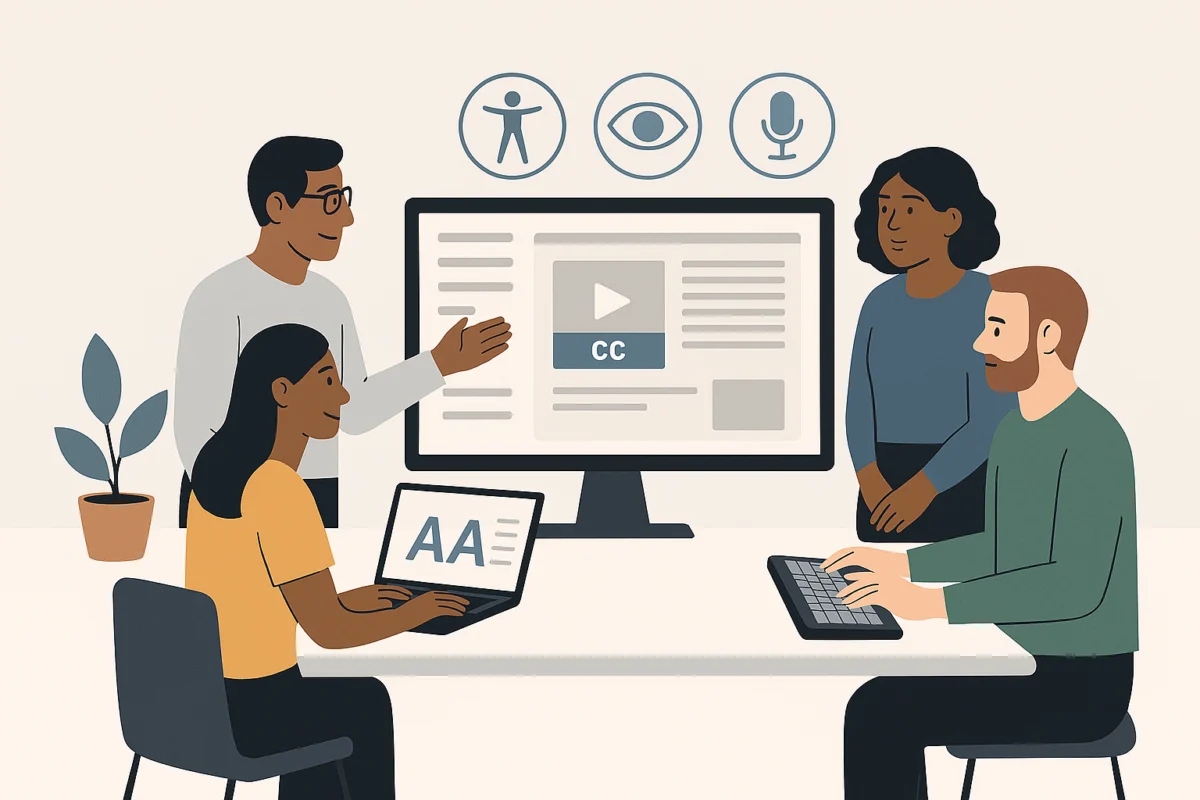
The Strategic Importance of Digital Inclusion in the Public Sector
The timing of Digital Accessibility Week 2026 reflects an ongoing shift within the UK Civil Service toward "accessibility by design." Under the Public Sector Bodies (Websites and Mobile Applications) (No. 2) Accessibility Regulations 2018, all public sector digital platforms are legally required to meet the Web Content Accessibility Guidelines (WCAG) 2.1 Level AA standards. However, the 2026 event seeks to move the conversation beyond mere legal compliance toward a culture of proactive innovation.
With approximately 1 in 5 people in the UK living with a disability, the stakes for digital accessibility are exceptionally high. Inaccessible services do not merely represent a technical failure; they constitute a barrier to essential rights, including healthcare, social security, and democratic participation. By hosting this event, the Government Digital Service (GDS) and participating departments aim to bridge the "digital divide" that often leaves disabled users at a disadvantage. Data from the Office for National Statistics (ONS) has historically shown that disabled adults are more likely to be among the "digitally excluded," making targeted training for those who build these services a matter of national importance.
Chronological Overview of the 2026 Program
The week is structured to provide a comprehensive curriculum that caters to different levels of expertise, from introductory non-technical primers to deep dives into the future of international standards.
Monday: Foundations and Future Standards
The week commences on Monday, May 18, with a focus on foundational knowledge and the shifting landscape of international guidelines. The Home Office leads the morning with an "Introduction to Accessibility," an interactive session designed to humanize the technical requirements of the field. This is followed by the Department for Work and Pensions (DWP) providing a practical overview of assistive software, including screen readers and voice recognition tools, which are vital for users with visual and motor impairments.
A highlight of the first day is the session hosted by GDS on "WCAG 3 and what it means for you." As the World Wide Web Consortium (W3C) prepares to move from the 2.x versions to WCAG 3 (also known as "Silver"), this session is critical for forward-planning. Unlike previous iterations, WCAG 3 is expected to introduce a more flexible scoring system and cover a broader range of user needs, including cognitive accessibility. Government experts will discuss how these upcoming changes will be integrated into the existing UK Service Standard.
Tuesday: Technical Implementation and Cognitive Design
Tuesday’s agenda shifts toward the practicalities of implementation. The DWP provides a technical session on HTML and its relationship to markup, emphasizing that accessibility begins at the code level. Simultaneously, His Majesty’s Revenue and Customs (HMRC) explores "Designing with autistic people," highlighting that inclusive design benefits all users, not just those with neurodivergent conditions.
The afternoon sessions on Tuesday delve into the intersection of accessibility and innovation. The Ministry of Justice (MoJ) argues that accessibility should be viewed as a driver of creative problem-solving rather than a restrictive checklist. Furthermore, a collaborative session between HMRC and Ofcom presents research into digital media literacy. This data-driven discussion examines how social factors and user confidence shape online participation, providing a sociological context to the technical challenges of digital access.
Wednesday: Innovation and User Experience
Mid-week sessions focus on the lived experience of users and the lessons that can be learned from other industries. A notable session by the Department for Environment, Food & Rural Affairs (Defra) examines accessibility in the gaming industry. By demonstrating how modern video games allow users to "fight blindfolded," Defra aims to show how high-stakes, fast-paced digital environments can be made accessible, offering radical new perspectives for traditional government service design.
Wednesday also addresses common pitfalls in the industry. The DWP hosts a session on "Common WCAG fails," comparing data from the "WebAIM Million"—an annual accessibility analysis of the top one million websites—with internal UK government findings. This data-backed approach allows teams to identify and rectify the most frequent barriers, such as low contrast text, missing alt-text, and empty links, which continue to plague the internet at large.
Thursday: Compliance, Templates, and Professional Development
The final day of the event focuses on institutionalizing accessibility through better tools and professional growth. The DWP offers a practical workshop on creating accessible PowerPoint templates, ensuring that internal communication and public-facing presentations are inclusive by default.
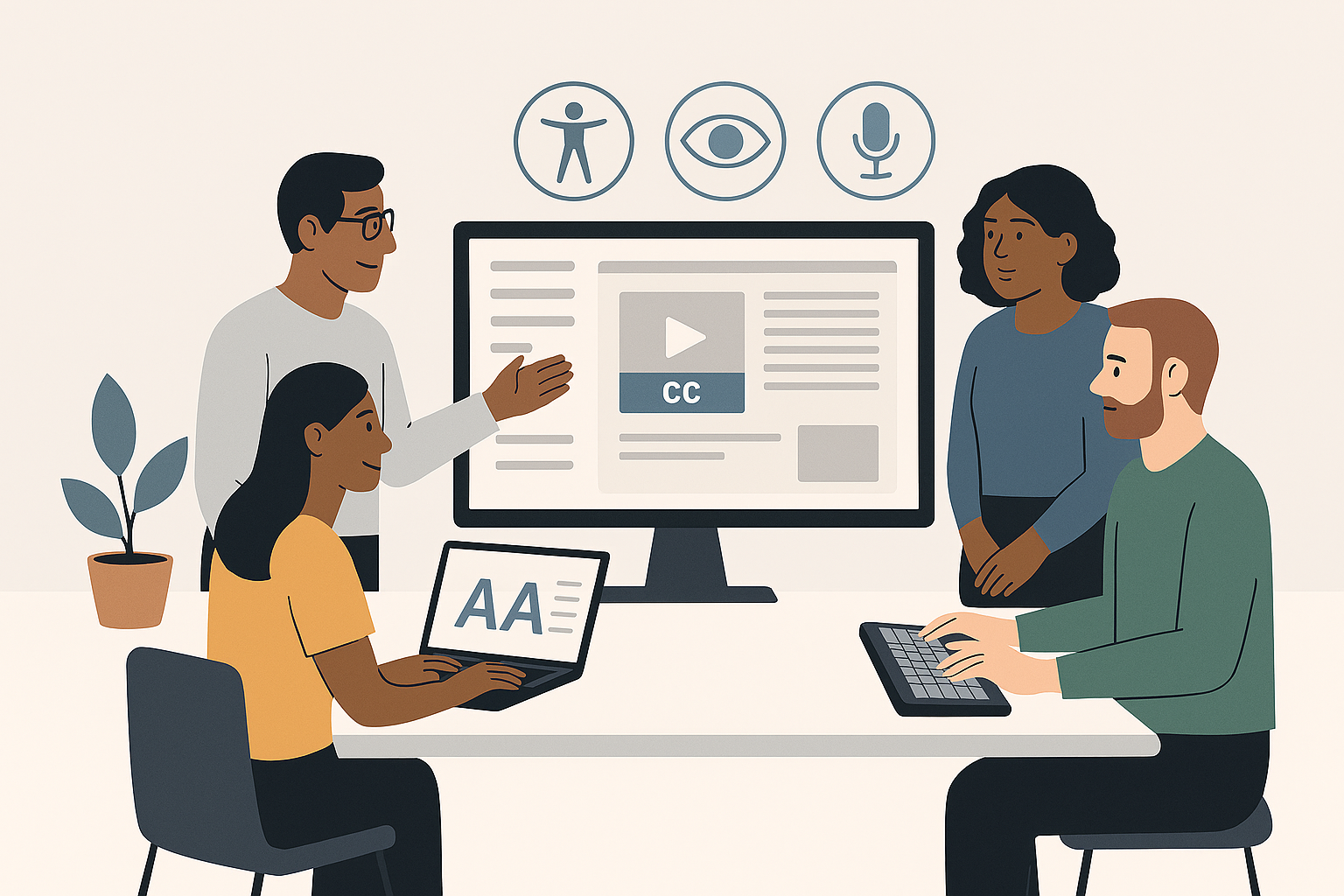
The Department for Education (DfE) and the Student Loans Company (SLC) conclude the week by demystifying the role of the Accessibility Assessor. This session provides transparency into how government services are evaluated against the Service Standard, offering a roadmap for teams preparing for assessments. The week ends on a high note with a session on the Digital Accessibility Specialist apprenticeship, signaling the government’s commitment to building a permanent, skilled workforce dedicated to inclusion.
Supporting Data and the "WebAIM Million" Context
The emphasis on "Common WCAG fails" during the week is supported by sobering industry data. According to the 2025 WebAIM Million report, nearly 96% of the world’s most-visited homepages had detectable WCAG 2 failures. The most common issues identified were:
- Low contrast text (81.0%)
- Missing alternative text for images (54.5%)
- Empty links (44.7%)
- Missing form input labels (36.1%)
By focusing on these specific areas, Digital Accessibility Week 2026 aims to ensure that UK government services remain in the top tier of global accessibility performance. Internal audits from GDS have shown that consistent training can reduce these common errors by up to 40% within a single development cycle.
Broader Impact and Policy Implications
The implications of Digital Accessibility Week extend far beyond the four-day event. For the UK public sector, accessibility is increasingly viewed as a prerequisite for "Digital Transformation." As more services—from tax filing to passport applications—move exclusively online, the cost of exclusion rises.
Industry analysts suggest that the focus on "inclusive user research," a key topic on Tuesday’s agenda, is where the most significant gains are to be made. By involving users with diverse access needs early in the design process, departments can avoid the "retrofitting tax"—the high cost of fixing accessibility issues after a service has already been launched.
Furthermore, the collaboration between departments like HMRC, MoJ, and DWP demonstrates a unified front. In the past, accessibility efforts were often siloed within individual departments. The 2026 event represents a more mature, interconnected approach where best practices are shared across the entire public sector ecosystem.
Official Responses and Participant Expectations
While the event is primarily internal to the public sector, it has garnered praise from accessibility advocates and disability organizations. Historically, organizations like the Royal National Institute of Blind People (RNIB) and Scope have urged the government to lead by example. Digital Accessibility Week 2026 is seen as a direct response to these calls for leadership.
A spokesperson for the Government Digital Service noted that the goal is to "empower every civil servant to feel like an accessibility champion." This sentiment is echoed by the inclusion of the "Introduction to Accessibility" and "Accessibility testing for people who do not know how to do accessibility testing" sessions, which aim to lower the barrier to entry for non-technical staff.
Participation Logistics
Digital Accessibility Week 2026 is open to all UK public sector employees. To maintain the security and integrity of the sessions, participants are required to register using their official work email addresses. While the live sessions offer the benefit of interactivity and Q&A with experts, the organizers have noted that the live timetable will be updated continuously as new sessions are confirmed.
The event’s alignment with Global Accessibility Awareness Day ensures that the UK’s efforts are part of a larger international movement. As Thursday, May 21, marks the culmination of the week, the focus will turn toward the future, specifically how the lessons learned during these four days can be transformed into lasting change for the millions of people who rely on government digital services every day.
By fostering a deeper understanding of both the "why" and the "how" of accessibility, the 2026 event is set to reinforce the UK’s position as a global leader in inclusive digital governance. The focus remains clear: a digital service that does not work for everyone is a service that is not yet finished.