Chronology of the Development and Dissemination
The genesis of this project dates back to the identified need for accessible, evidence-based documentation that transcends language barriers in Latin America. ISAAC Brazil, a leading organization in the field of non-verbal communication, partnered with Fiocruz—a renowned scientific research institution—to synthesize technical clinical knowledge into a format that is digestible for non-specialist caregivers.
The project moved through several distinct phases:
- Conceptualization and Content Design (2024–2025): Clinical experts and stakeholders identified the most pressing barriers to AAC adoption, including myths regarding device implementation and a lack of understanding of legal rights for individuals with disabilities.
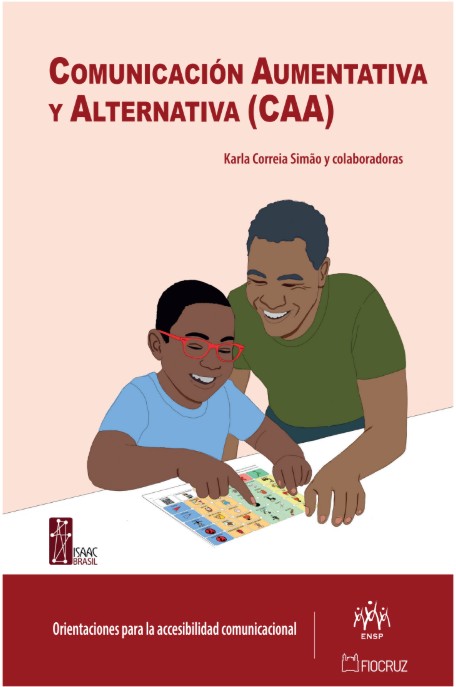
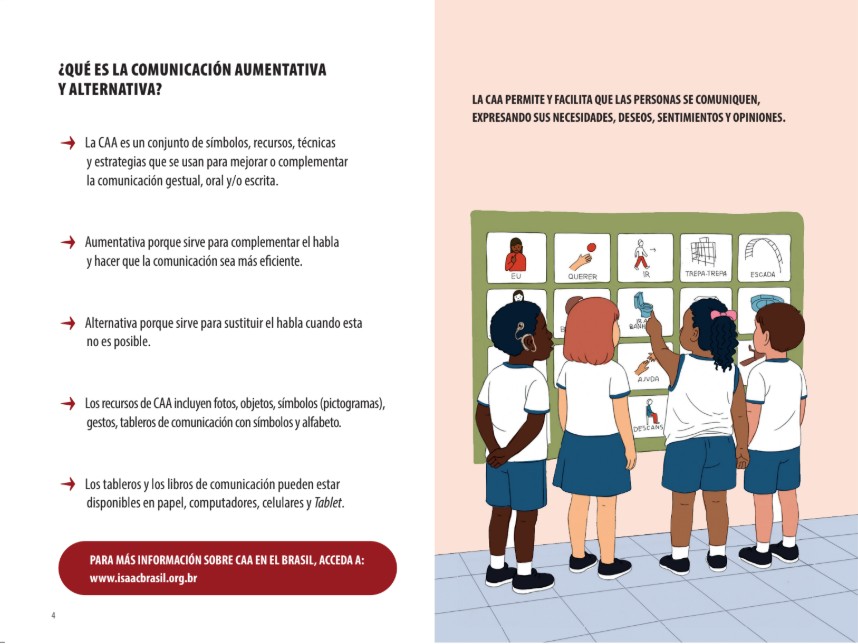
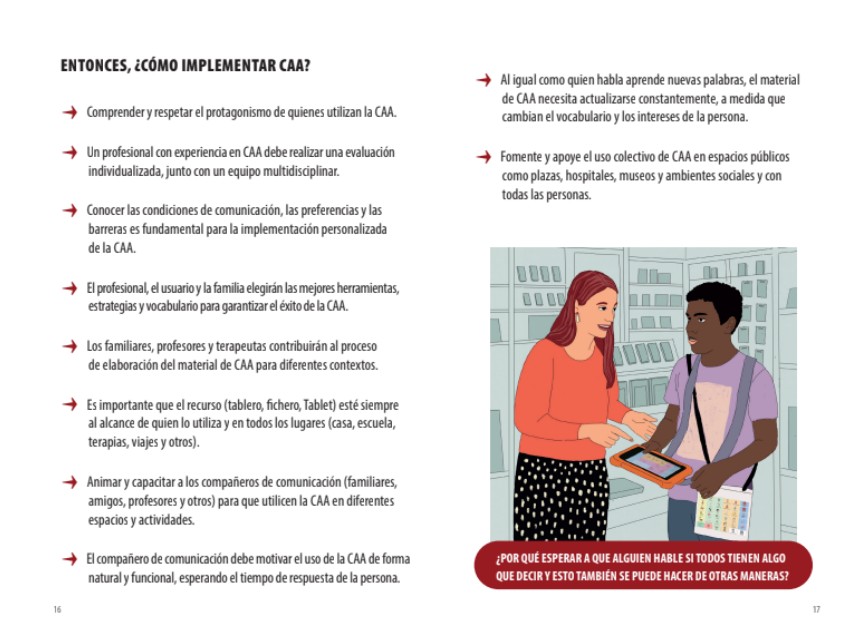
- Technical Review and Illustration: The guide was designed to feature illustrations based on real-world AAC users, ensuring that the visual representation accurately reflects the diverse spectrum of the community.
- Translation and Localization (Early 2026): To maximize reach, the technical documentation underwent a rigorous translation process into Spanish, ensuring that terminology remained accurate to the diverse linguistic nuances of Spanish-speaking regions.
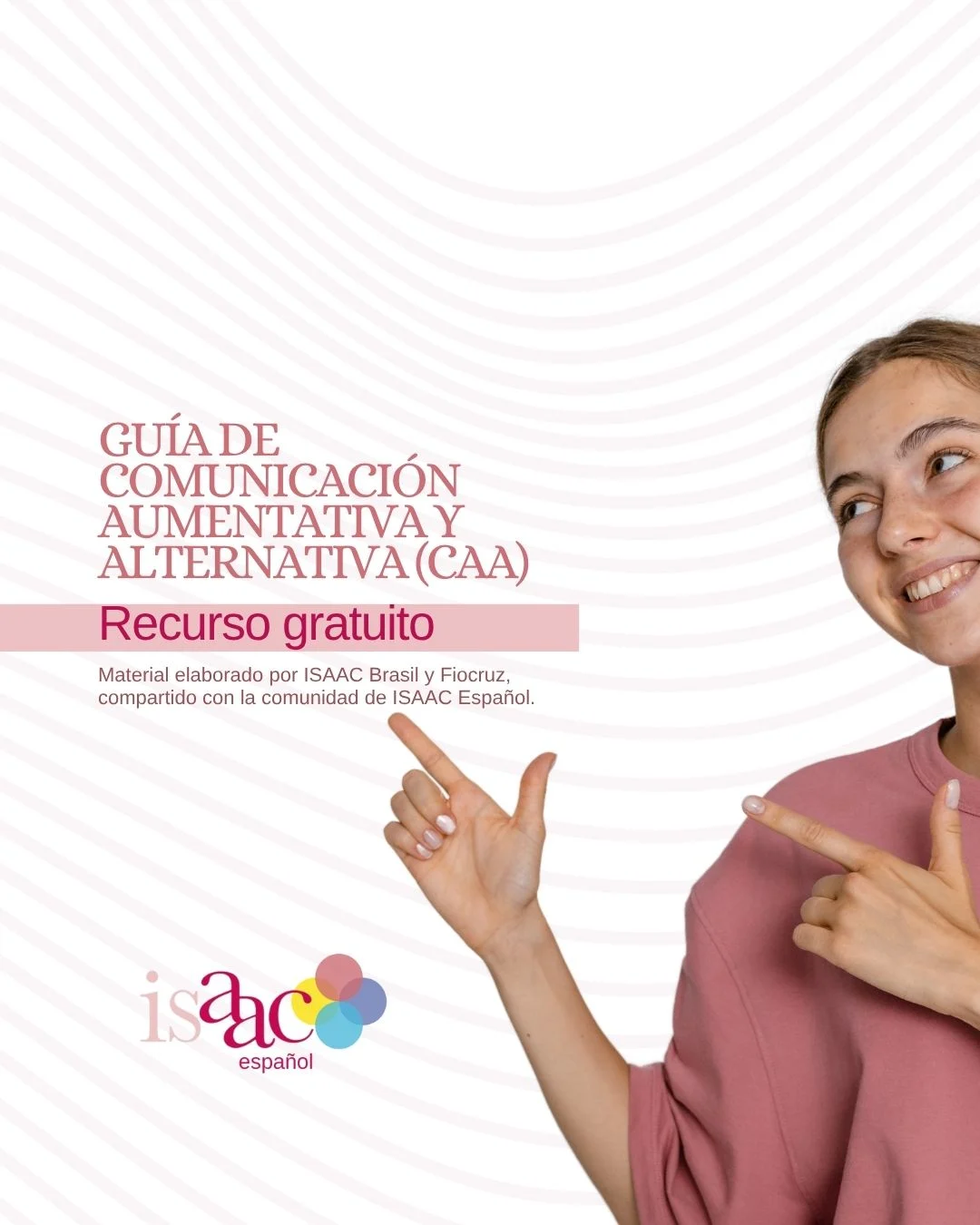
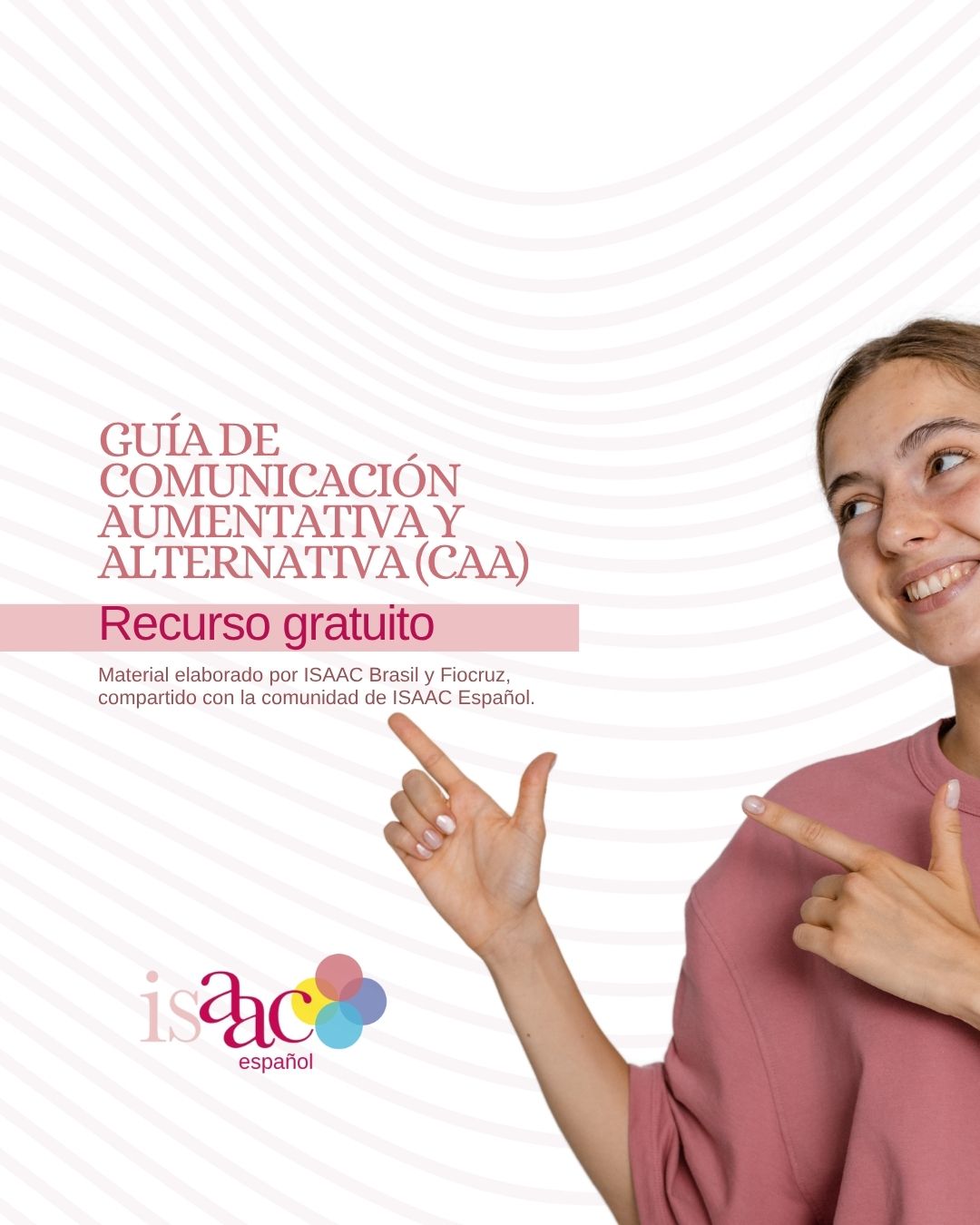
- Public Launch (April 2026): The formal digital release occurred via ISAAC Spanish social media channels, providing a free, downloadable repository of best practices.
Core Objectives and Educational Framework
At the heart of the publication is the mission to demystify AAC. For many families, the introduction of augmentative systems—whether low-tech communication boards or high-tech speech-generating devices—is often met with confusion or apprehension. The guide addresses these concerns by providing a structured framework that covers fundamental principles:
- Rights-Based Advocacy: The guide emphasizes the human right to communicate, aligning with global standards such as the United Nations Convention on the Rights of Persons with Disabilities.
- Clinical Foundations: It explains the mechanics of various AAC systems, helping users understand that these tools are not replacements for speech, but essential pathways to linguistic development and social inclusion.
- Implementation Strategies: By providing actionable advice, the guide encourages the integration of communication systems into daily life, rather than restricting their use to clinical or school environments.
The Significance of Data and Inclusive Representation
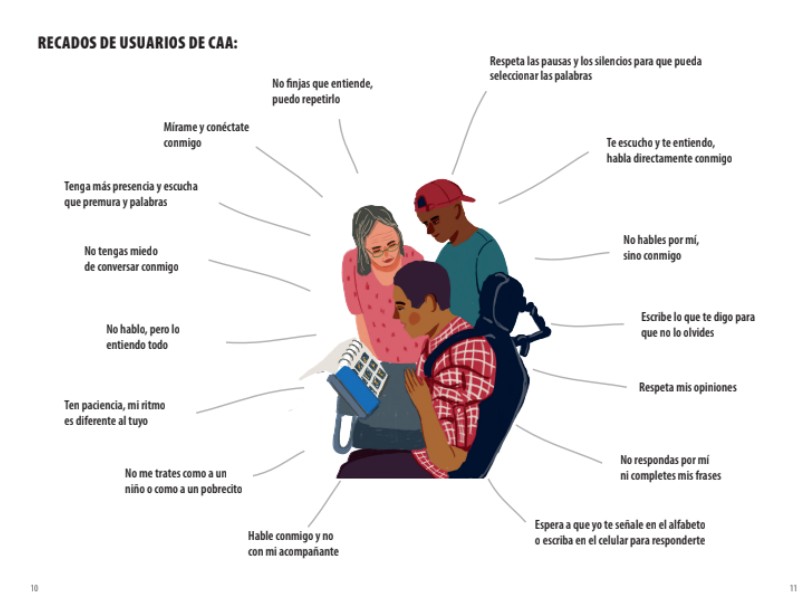
A critical differentiator for this publication is its reliance on the lived experiences of actual AAC users. By utilizing imagery that mirrors real-life scenarios, the guide serves not just as a manual, but as a validation of the diverse ways in which people interact with the world.
Statistics indicate that the demand for such resources is at an all-time high. According to recent demographic data from global health organizations, approximately 1% to 2% of the population requires AAC to communicate. Despite this, access to information and training is often siloed within academic institutions or private therapy centers. By providing this guide for free, ISAAC and Fiocruz are actively lowering the socioeconomic barriers that prevent families from accessing the necessary tools to support their loved ones.
Official Perspectives and Institutional Collaboration
The partnership between ISAAC Brazil and Fiocruz highlights a growing trend of inter-institutional cooperation in the disability rights sector. Fiocruz, known for its focus on public health, brings a level of institutional rigor to the project, while ISAAC provides the specific pedagogical expertise required to navigate the complexities of AAC.

Representatives from ISAAC Spanish have noted that the release is part of a broader commitment to "PrAACticamente Conectados," a movement aimed at fostering a digital ecosystem where information flows freely across borders. The reception on platforms like Instagram and Facebook suggests a high level of engagement from the professional community, with educators and therapists highlighting the guide’s utility as a baseline text for introductory workshops.
Broader Impact and Implications for Global Accessibility
The publication of the AAC Guide serves as a catalyst for deeper systemic change in how disability is addressed in the public sphere. By standardizing the vocabulary and concepts surrounding augmentative communication, the document serves three major functions:
- Policy Support: It provides a template that can be used by local governments and school boards to develop their own internal policies regarding accessibility and communication support.
- Professional Development: It acts as a bridge for speech-language pathologists (SLPs) and special education teachers who may be new to the field, providing a consolidated source of information that is often difficult to find in one place.
- Empowerment of Families: Perhaps most importantly, it shifts the power dynamic. By educating parents and caregivers on their rights and the efficacy of various systems, it allows them to become effective advocates for their children in medical and educational settings.
The translation of the guide into Spanish is not merely a linguistic convenience; it is a vital step toward equity. In many regions, the availability of specialized health resources is severely restricted by the language in which they are published. By opening this resource to millions of Spanish speakers, the authors are effectively expanding the reach of evidence-based AAC support.
Analysis: A Future-Forward Approach to Communication
The current landscape of AAC is characterized by rapid technological advancement, with software and hardware evolving at a pace that often outstrips the ability of the average user to adapt. The strength of this guide lies in its focus on "foundational principles" rather than specific software brands or proprietary hardware. By focusing on the how and why of communication rather than the what, the guide ensures a longer shelf-life for the material.
Furthermore, the integration of QR codes and digital download accessibility suggests an awareness of modern information-seeking behaviors. By meeting families where they are—on social media and mobile platforms—the organizers have successfully removed the "gatekeeper" model that often limits the dissemination of clinical information.
Conclusion and Access Information
As the global community continues to prioritize inclusivity, resources such as this guide become the bedrock upon which equitable societies are built. It is expected that the guide will be adopted as a staple in therapy practices throughout the coming year.
For those interested in reviewing the material, the document is accessible through the official social media channels of ISAAC Spanish. The digital nature of the publication allows for rapid dissemination, and organizations are encouraged to utilize the QR codes provided to share the document widely. By integrating these practices into schools, clinics, and homes, the architects of this project hope to ensure that every individual, regardless of their physical or cognitive capacity, has the tools required to engage in the most fundamental of human activities: the expression of thoughts, needs, and desires.
This initiative is a testament to the power of international collaboration. By combining the research prowess of a public health powerhouse like Fiocruz with the specialized community-building efforts of ISAAC, the resulting guide acts as a significant milestone in the ongoing fight for the right to communicate for all. Future updates to the guide are expected as the field of AAC continues to incorporate new advancements in user-centered design and assistive technology, ensuring that the resource remains at the cutting edge of clinical practice and human rights advocacy.