Understanding the Multifaceted Causes of Pediatric Hearing Loss
The spectrum of hearing loss in children is diverse, encompassing both temporary and permanent conditions with a variety of underlying etiologies. A prevalent contributor, particularly among younger children, is fluid accumulation in the middle ear. This often arises from common colds, recurrent ear infections, or improper feeding techniques such as bottle-feeding while lying down. This effusion can significantly muffle sounds, creating a fluctuating yet persistent impediment to auditory clarity. The transient nature of these episodes can sometimes mask the ongoing impact on a child’s development.
Genetic predisposition also plays a significant role, with some children inheriting hearing loss even in the absence of symptomatic family history. This inherited component underscores the importance of understanding family medical histories. Furthermore, prenatal and perinatal infections, including Cytomegalovirus (CMV), Rubella, Toxoplasmosis, Syphilis, the Zika virus, meningitis, measles, and mumps, can profoundly affect a child’s auditory system. Certain medications, such as specific aminoglycoside antibiotics, have also been identified as ototoxic, posing a risk to hearing development.
Specific risk factors identified in newborns can increase the likelihood of early-onset hearing loss. These include prematurity, low birth weight, prolonged stays in the Neonatal Intensive Care Unit (NICU) exceeding five days, significant neonatal jaundice, and low Apgar scores at birth (defined as 0-4 at one minute or 0-6 at five minutes). These indicators necessitate vigilant monitoring of hearing development.
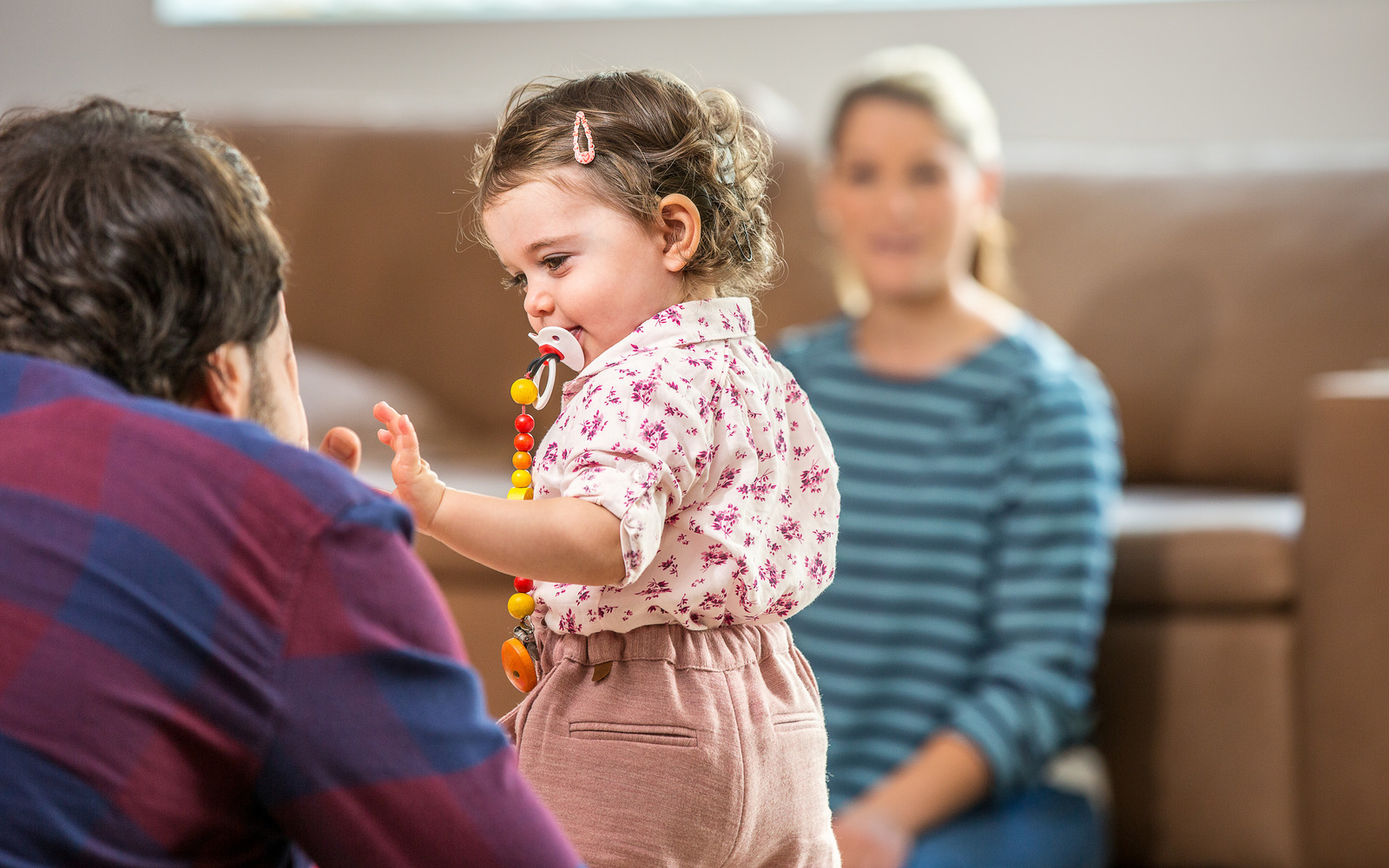
Environmental factors also contribute to acquired hearing loss. Exposure to loud music, fireworks, and other intensely amplified sounds can inflict cumulative damage to the delicate structures of the inner ear over time. It is crucial to recognize that hearing loss can manifest at any age, emphasizing the need for ongoing observation even in children who passed initial newborn hearing screenings.
Beyond these common causes, head trauma can result in auditory damage. Auditory Neuropathy Spectrum Disorder (ANSD) is another complex condition that can lead to hearing impairment. In a significant number of cases, the precise etiology of hearing loss remains elusive even after thorough diagnostic evaluations. This diagnostic uncertainty does not preclude effective management; early intervention strategies remain highly successful in mitigating the impact of unexplained hearing loss.
Identifying the Early Warning Signs of Hearing Impairment
The early detection of hearing loss in children hinges on recognizing a constellation of signs that can appear across all age groups, from infancy through adolescence. Consistent patterns of behavior or developmental delays can serve as critical indicators.
Universal signs that warrant further investigation include:
- Delayed speech or language development: A child consistently lagging behind their peers in acquiring vocabulary, forming sentences, or articulating words clearly.
- Unclear speech: Difficulty in being understood by family members or familiar caregivers.
- Difficulty following instructions: Requiring repeated prompts or becoming frustrated when unable to comprehend spoken directions.
- Appearing inattentive or distracted: Seeming to ignore spoken words or not responding when their name is called.
- Frequent misunderstandings: Misinterpreting questions or comments, leading to inappropriate responses.
- Preference for loud environments or high-volume media: Seeming to need sounds to be louder to perceive them clearly.
- Difficulty with auditory discrimination: Struggling to distinguish between similar-sounding words or identify the source of sounds.
- Academic struggles: Particularly in areas requiring listening comprehension and verbal participation.
If multiple of these signs are observed, it is strongly recommended to schedule a professional hearing test. Even mild hearing loss can significantly impede a child’s ability to acquire new vocabulary, follow directives, and develop the self-assurance necessary for effective communication.

Age-Specific Indicators of Hearing Loss
Infants (0-12 Months)
For infants, the world is experienced through a rich tapestry of sound, and their reactions—or lack thereof—to everyday noises are often the first clues to potential hearing issues.
For 0-6 Month-Olds:
- Lack of startling or blinking response to loud sounds: A sudden, unexpected loud noise should elicit a reflex in infants.
- Failure to turn head towards sounds: As early as three months, infants typically begin to orient their heads in the direction of a sound source.
- Absence of babbling or cooing: Vocalizations are crucial early steps in language development, and a significant lack of them can be indicative of hearing challenges.
- Not reacting to familiar voices: An infant should show recognition or a change in behavior when hearing a parent’s voice.
For 6-12 Month-Olds:
- Not responding to their name being called: While some children might be more easily distracted, a consistent lack of response is a concern.
- Limited or absent imitation of sounds: Toddlers typically begin to imitate sounds and speech patterns.
- Difficulty understanding simple requests: Even basic commands like "come here" may not be understood.
- Appearing to listen intently but not responding: This could suggest they are receiving some auditory input but not processing it effectively.
It is important to note that these signs, while concerning, can sometimes be attributed to temporary conditions like middle ear fluid. Nevertheless, any persistent indicators warrant a professional audiological assessment.
Toddlers (1-3 Years)
During the toddler years, language acquisition accelerates, and any impediment to hearing becomes more apparent as children strive to learn new words and communicate their needs and desires.

Signs in 1-Year-Olds:
- Not responding reliably to their name.
- Limited or no babbling that mimics speech patterns.
- Not turning towards sounds.
- Not responding to simple spoken requests.
The signs observed in infants can overlap with those in toddlers, reinforcing the need for ongoing vigilance.
Signs in 2-Year-Olds:
- Limited vocabulary for their age.
- Using gestures more than speech to communicate.
- Difficulty following simple two-step directions.
- Speech that is difficult for unfamiliar people to understand.
- Appearing to "tune out" frequently.
Signs in 3-Year-Olds:
By the age of three, children typically form short sentences and their speech becomes more intelligible. Signs of hearing loss at this stage include:
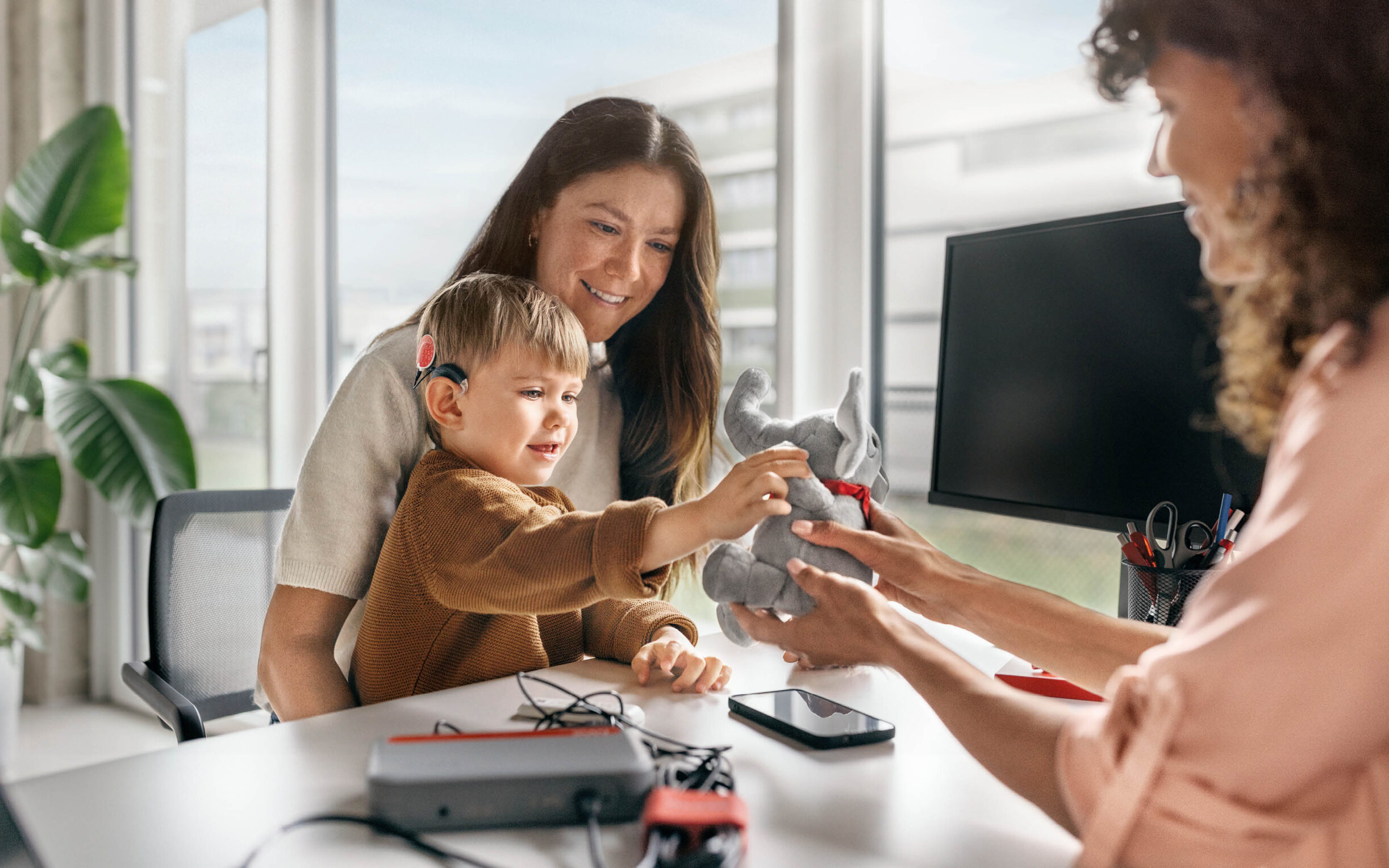
- Speech that remains difficult for others to understand.
- Limited sentence construction.
- Difficulty engaging in simple conversations.
- Frequently asking for repetition.
- Not responding when called from another room.
Preschoolers & School-Aged Children (4-7 Years)
As children enter preschool and school, their auditory needs increase dramatically, encompassing complex classroom listening, early literacy, and social interaction. Hearing difficulties can manifest in new ways, impacting academic performance and peer relationships.
Signs in 4 to 5-Year-Olds:
- Difficulty understanding speech in noisy environments (e.g., a classroom, playground).
- Mispronouncing words or having unclear speech.
- Struggling to follow classroom instructions or participate in group activities.
- Appearing shy or withdrawn in social situations.
- Complaining of ear discomfort or fullness.
- Frequent requests for repetition.
Signs in 6 to 7-Year-Olds:
Hearing loss in school-aged children can significantly affect their academic trajectory and social integration. Key indicators include:
- Lower academic performance than expected, particularly in subjects relying heavily on auditory learning.
- Difficulty with reading and phonics.
- Social isolation or behavioral issues stemming from communication difficulties.
- Appearing to daydream or lose focus in class.
- Inconsistent responses to spoken questions.
- Reliance on visual cues to understand conversations.
Diagnosing Hearing Loss in Children: A Multi-Modal Approach
The diagnosis of hearing loss in children employs a range of safe and non-invasive tests designed to meticulously assess the functionality of the ears and the integrity of the auditory pathways. The specific testing protocol is tailored to the child’s age and developmental stage. For newborns, standardized screening tests such as Otoacoustic Emissions (OAE) or Auditory Brainstem Response (ABR) are commonly utilized. As children mature, age-appropriate listening tests are administered, allowing audiologists to accurately determine their auditory thresholds and the nature of any hearing impairment.

The proactive identification of potential hearing loss is critical. If signs such as delayed speech development, unintelligible articulation, or persistent difficulty in following directions are observed, seeking an audiological evaluation without delay is paramount. Timely diagnosis is the cornerstone for providing children with the optimal opportunity to develop robust communication and learning skills, thereby mitigating the long-term effects of untreated hearing loss.
Innovative Hearing Solutions for Children: From Amplification to Implants
Every child’s journey with hearing loss is unique, necessitating personalized care and technological solutions. Following a diagnosis, the initial focus of the medical team is to identify and address any treatable underlying causes, such as middle ear infections or fluid accumulation. When hearing loss is not medically resolvable, audiology specialists will guide parents through the selection of the most appropriate hearing technology.
Hearing Aids for Children
Hearing aids are typically recommended for individuals with mild to moderate sensorineural hearing loss, and in certain instances, for conductive or mixed hearing loss. Their primary function is to amplify sounds, rendering speech and environmental cues more accessible to the child. For optimal benefit, consistent wear during all waking hours is crucial, and regular adjustments to the device settings are essential as the child grows and their auditory needs evolve.
Hearing Implants for Children
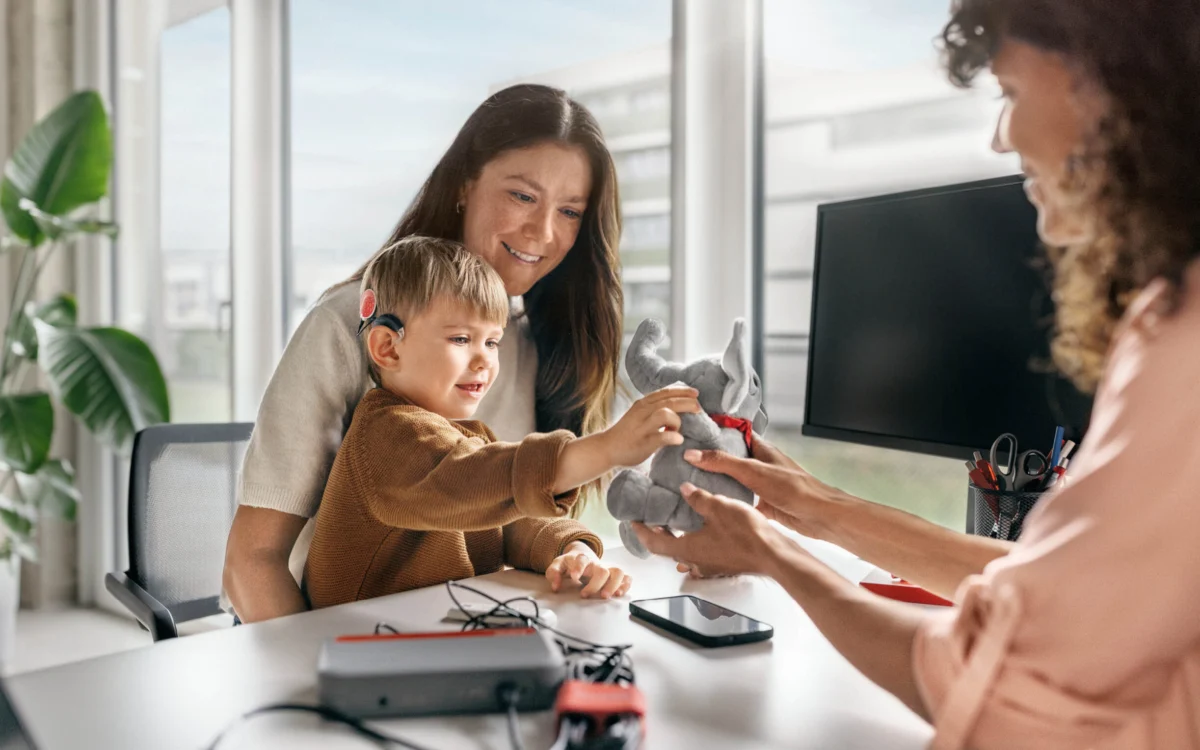
In cases where hearing aids do not provide sufficient auditory access to meet a child’s developmental requirements—such as in instances of severe hearing loss, atresia (a malformation of the ear canal), or significant structural abnormalities of the ear—hearing implant solutions become a vital consideration. These advanced devices function by bypassing the damaged portions of the auditory system and directly stimulating the next functional auditory structure, thereby enabling the transmission of sound to the brain.
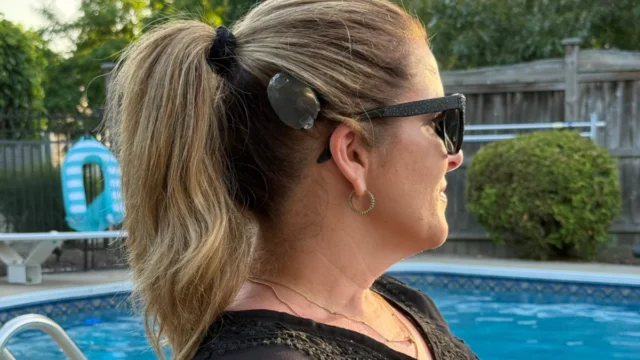
Among the most advanced hearing implant technologies are cochlear implants. These sophisticated devices are surgically implanted and are designed to restore a sense of sound to individuals with profound hearing loss. Unlike hearing aids, which amplify sound, cochlear implants bypass damaged hair cells in the inner ear and directly stimulate the auditory nerve. This direct stimulation allows for the transmission of electrical signals to the brain, where they are interpreted as sound.
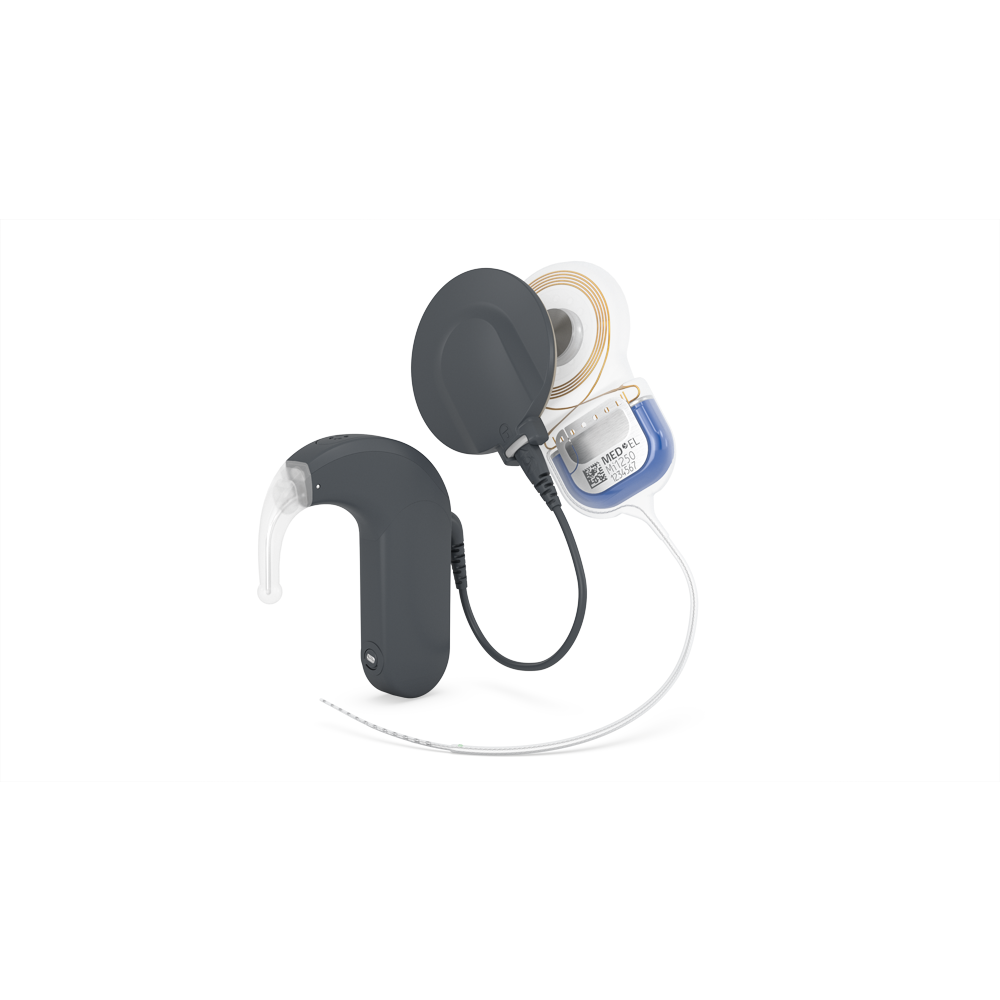
The decision to pursue a cochlear implant is a significant one, undertaken after thorough evaluation and consultation with a multidisciplinary team of medical professionals, including otolaryngologists, audiologists, speech-language pathologists, and educational specialists. The process involves careful assessment of the child’s hearing loss, overall health, and the potential benefits of implantation.
The Lifelong Journey with a Hearing Implant: Parental Perspectives and Support
The decision to opt for a hearing implant marks a profound step in a child’s auditory rehabilitation. It is natural for parents to have questions and concerns about the future and what life will entail with this advanced technology. At MED-EL, the commitment extends beyond the initial implantation to encompass the entirety of a person’s lifelong hearing journey. The organization strives to empower children to develop into confident communicators through a synergistic approach that combines cutting-edge technology, specialized therapy, and ongoing, individualized support.
This comprehensive approach acknowledges that the benefits of hearing implants are maximized through a combination of technological efficacy and dedicated rehabilitation. Speech-language pathologists play a pivotal role in helping children learn to interpret and utilize the auditory information provided by the implant, fostering the development of spoken language and communication skills. Parent education and involvement are also integral components, equipping families with the knowledge and tools to support their child’s progress at home and in their community.
Conclusion: A Future of Clear Communication and Unfettered Potential
The profound impact of early intervention in addressing hearing loss in children cannot be overstated. By diligently observing for the subtle yet critical signs detailed in this guide, parents and caregivers can initiate the crucial step of a professional hearing test. In the present era, the advancements in hearing technology offer children experiencing hearing loss the remarkable opportunity to learn, grow, and communicate with confidence and clarity. The earlier a child receives appropriate support and intervention, the more favorable their long-term hearing outcomes are likely to be, unlocking a future filled with boundless possibilities.
Connect with MED-EL for Comprehensive Hearing Assessments and Solutions

For parents and guardians seeking further information on hearing assessments, and the diverse range of hearing solutions available for children, including state-of-the-art cochlear implants, connecting with MED-EL is a vital next step. Their team of specialists is readily available to address all questions and provide the guidance necessary to make informed decisions with confidence.
Disclaimer: The content provided in this article is intended for general informational purposes only and should not be construed as medical advice. It is essential to consult with a qualified physician or hearing specialist to determine the most suitable hearing solution for your child’s specific needs. Not all products, features, or indications are approved in all countries.