Information architecture, traditionally defined as the practice of deciding how to arrange the parts of something to be understandable, serves as the invisible skeleton of digital products. In the context of the UK public sector, where digital services must adhere to the Public Sector Bodies (Websites and Mobile Applications) (No. 2) Accessibility Regulations 2018, the role of the information architect is critical. These professionals are responsible for ensuring that the way information is categorized, labeled, and navigated does not create barriers for the estimated 16.1 million people in the United Kingdom living with a disability.
The Strategic Foundation of Accessible Architecture
For organizations beginning to prioritize accessibility, the GDS experts emphasize that the transition must be cultural as well as technical. Becky Ashley, Lead Information Architect at GDS, argues that accessibility cannot be a post-production "check-box" exercise. Instead, it must be embedded across every level of the organization and integrated into every skillset. This involves creating a collective mindset where inclusive design is viewed as a fundamental requirement rather than an optional enhancement.
Building advocacy among stakeholders is identified as a primary hurdle. Sally Creasey, Senior Information Architect, suggests that transparency in the design process is key to overcoming this. By involving stakeholders and end-users in the creation of sitemaps and ontologies, teams can ensure that the knowledge organization systems they build are not just theoretically sound but practically useful. Creasey warns that failing to take colleagues and users along on this journey risks missing the mark entirely, leading to services that reflect organizational silos rather than user mental models.
Rik Williams, also a Senior Information Architect, provides a technical framework for this prioritization, breaking information architecture down into three essential pillars:
- Ontology: Defining what the information is. Accessible ontologies use clear and consistent concepts, which are vital for users with cognitive disabilities or those navigating unfamiliar domain knowledge.
- Taxonomy: Determining how information is organized. Inclusive taxonomies provide predictable and logical structures, facilitating easier navigation for screen reader users and those with mobility impairments.
- Choreography: Mapping how users interact with information over time and across different channels. Proper choreography ensures a logical tabbing order for keyboard-only users and consistent navigation patterns that reduce cognitive load.
Educational Frameworks and the POUR Principles
Educating cross-functional teams—including developers, content designers, and product managers—is a core responsibility of the IA. To bridge the gap between different technical disciplines, Becky Ashley advocates for the use of the POUR principles, which form the bedrock of the Web Content Accessibility Guidelines (WCAG).
The POUR framework—Perceivable, Operable, Understandable, and Robust—provides a shared language for collaboration. When applied to information architecture:
- Perceivable ensures that information and interface components are presented in ways users can sense (e.g., providing text alternatives for non-text content).
- Operable focuses on ensuring that navigation and user interface components do not require interactions that a user cannot perform.
- Understandable requires that both the information and the operation of the user interface are clear and predictable.
- Robust demands that content remains accessible as technologies (such as browsers and assistive devices) evolve.
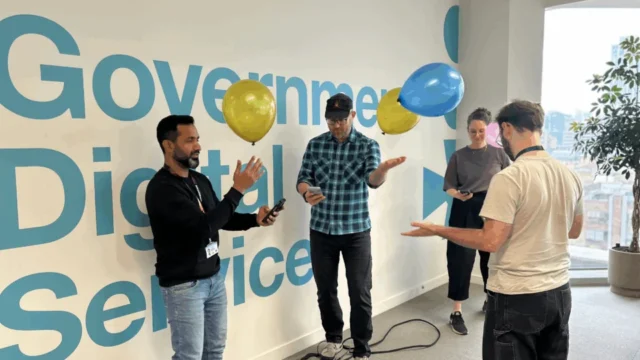
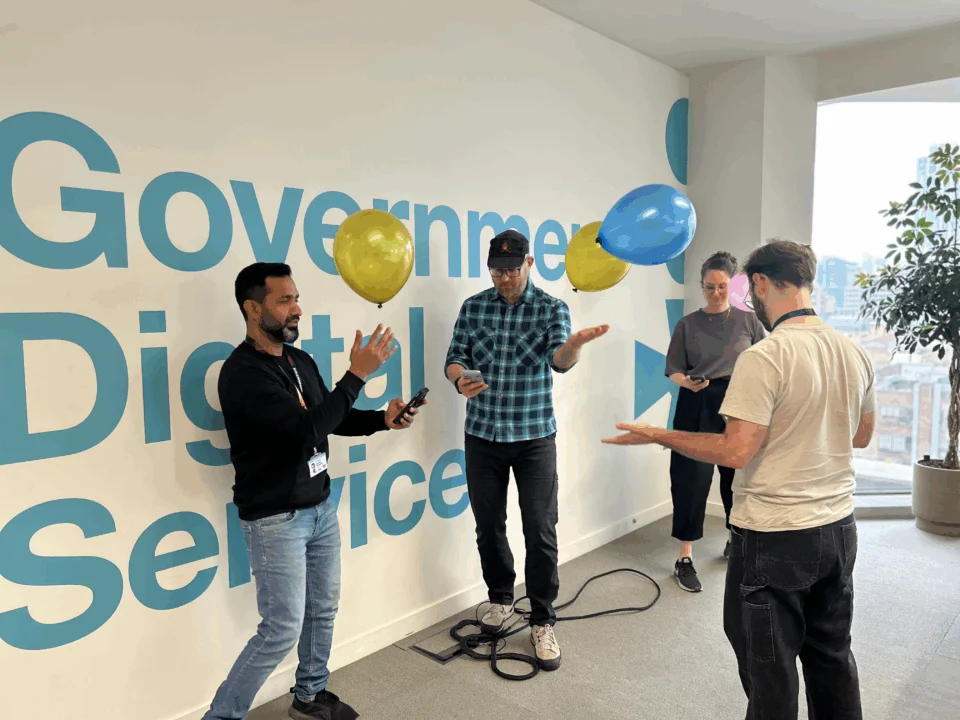
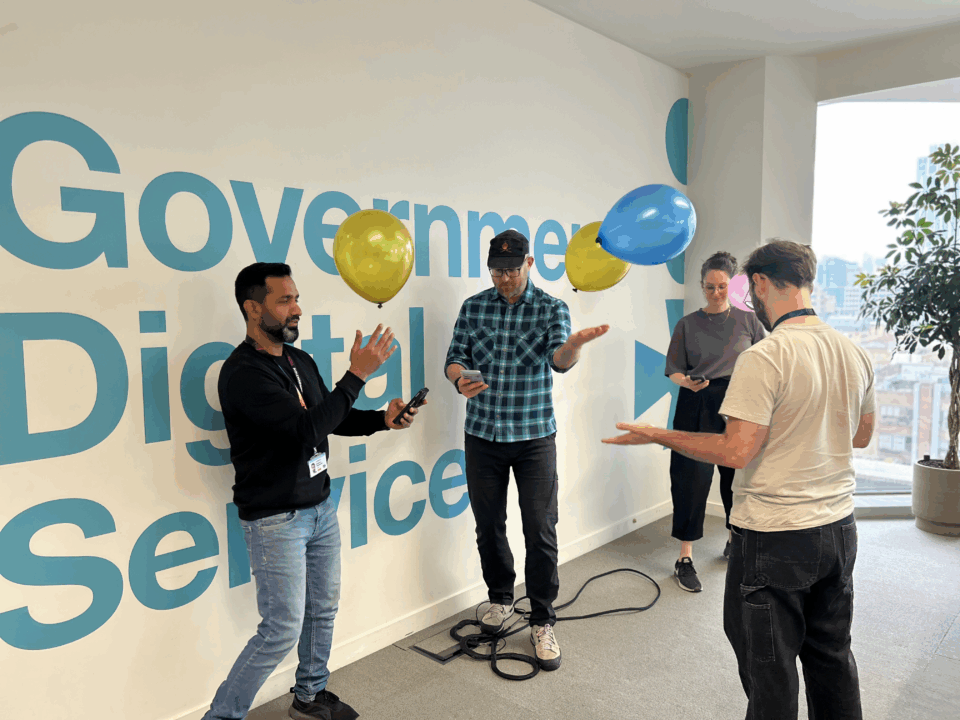
Beyond theoretical frameworks, GDS utilizes experiential learning to build empathy. Rik Williams notes that while direct contact with users with diverse abilities is the "gold standard," simulations can serve as a valuable bridge. Techniques such as using motor-control limiting gloves or playing "empathy balloons"—a game designed to simulate the challenges of dexterity and cognitive processing—help designers understand the friction points in their own architectures. However, Williams cautions that these simulations are tools for awareness, not replacements for genuine user testing with people with lived experience of disability.
Identifying and Mitigating Common Pitfalls
One of the most frequent errors in information architecture is "designing for the organization" rather than the user. Sally Creasey points out that when delivery pressures mount, user research is often the first phase to be truncated. This leads to information structures that mirror internal government hierarchies rather than the tasks a citizen is trying to complete.
The "paradox of choice" is another significant pitfall. When IAs create sections with overlapping purposes or use jargon-heavy labels, they increase the mental load on the user. For individuals with neurodivergent conditions such as ADHD or dyslexia, or for those experiencing situational disabilities like high stress, this complexity can make a service unusable. To combat this, Creasey recommends the creation of controlled vocabularies to ensure language remains consistent across all touchpoints.
Becky Ashley adds that "thinking you’ve finished" is a dangerous mindset. Information systems must be viewed as living entities that require constant iteration. She suggests that labels and metadata should be treated as dynamic components that can flex to meet emerging user needs, supported by a continuous feedback loop between user data and architectural design.
Tools of the Trade: From Card Sorting to Object-Oriented Design
The GDS team employs a variety of specialized tools to validate their architectural choices. Sally Creasey highlights "noun and verb foraging," "card sorting," and "tree testing" as essential methods for understanding how users categorize information and the language they use to describe it.
- Card Sorting: A technique where users are asked to group information into categories that make sense to them, helping IAs build taxonomies that match user mental models.
- Tree Testing: A way of validating a sitemap by asking users to find specific information within a text-only version of the site hierarchy, ensuring the labels are intuitive before the visual design begins.
- Progressive Disclosure: A design pattern where information is revealed only as it is needed, preventing users from becoming overwhelmed by excessive data.
Rik Williams also points to the value of Object-Oriented Design (OOD) in creating accessible environments. By building digital services around tangible "objects" (e.g., a "passport application" or a "benefit payment") and standardizing their attributes, IAs can create a sense of consistency that benefits all users. OOD helps in structuring text for screen readers and allows for easier personalization, which is increasingly important as government services explore the integration of AI and machine learning to serve content through preferred user channels.
Broader Implications for Digital Governance
The insights shared by the GDS information architects reflect a broader shift in the digital landscape. As the UK government continues its "Digital Second to None" strategy, the focus has moved beyond mere compliance toward "universal design." This philosophy suggests that by designing for the margins—those with the most significant access needs—the resulting product is inherently better for everyone.
The economic and social implications are substantial. According to data from the "Purple Pound" research, the spending power of disabled people and their families in the UK is estimated at £274 billion per year. When government services are inaccessible, they not only fail in their civic duty but also create inefficiencies that cost the taxpayer more in the form of increased calls to help centers and manual processing of paper forms.
Furthermore, the work of IAs at GDS aligns with the global standards set by the World Wide Web Consortium (W3C). By referencing the work of web founder Tim Berners-Lee and the Web Accessibility Initiative, the GDS team reinforces the idea that the power of the web lies in its universality.
As digital services become more complex, involving multi-channel experiences that span websites, mobile apps, and voice assistants, the role of the information architect will only grow in importance. The "Unlocking Accessibility" series serves as a reminder that accessibility is not a niche technical requirement but a fundamental discipline of modern design. The GDS team’s approach—rooted in empathy, standardized frameworks, and rigorous user testing—provides a blueprint for both public and private sector organizations aiming to build a more inclusive digital future.