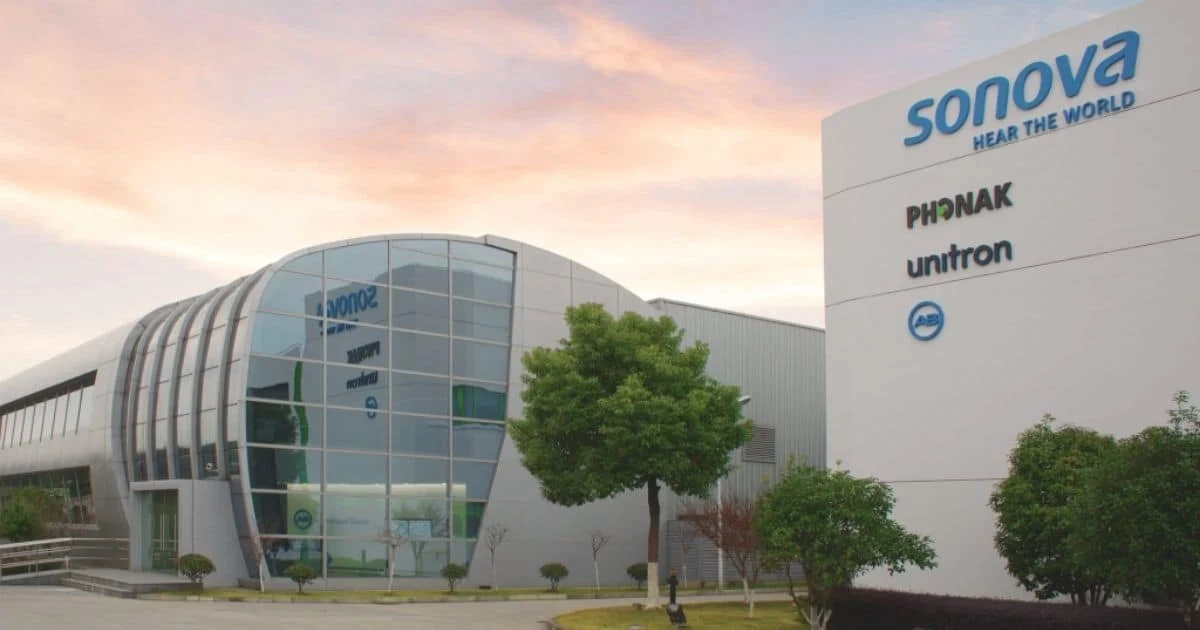
This strategic update, unveiled on March 23, builds upon Sonova’s already formidable market presence and leverages several macro-level tailwinds. The company highlighted robust long-term demand trends driven by global demographic shifts, persistent low penetration rates of hearing solutions worldwide, and continuous advancements in hearing technology. These factors, Sonova believes, create a fertile ground for sustained expansion within the global hearing care market. The demographic imperative of an aging global population, coupled with increasing awareness of the link between hearing health and overall well-being, is expected to fuel a steady rise in demand for innovative and accessible hearing solutions. Despite the clear benefits, hearing aid adoption rates remain notably low, registering at approximately 38% in mature markets like North America and Western Europe, and a striking 4% in other nascent but rapidly developing markets. This significant gap underscores a substantial untapped potential for growth that Sonova aims to capture through its refined approach.
A Strategic Realignment: The Divestment of Consumer Hearing
Central to Sonova’s renewed strategy is the decision to divest its Consumer Hearing business, which operates under the premium Sennheiser brand. This move marks a significant recalibration of Sonova’s portfolio, just a few years after acquiring the business. The original acquisition of Sennheiser Consumer Hearing from Sennheiser Electronic GmbH & Co. KG, finalized in March 2022 for an enterprise value of approximately EUR 200 million, was initially aimed at leveraging synergies between medical hearing devices and premium consumer audio. The vision was to tap into the growing market for enhanced audio experiences and potentially bridge the gap between consumer electronics and medical hearing solutions.
However, Sonova’s assessment has revealed that the Consumer Hearing business operates within distinct market dynamics, characterized by different sales channels, product development cycles, and competitive landscapes compared to its core medical hearing care segments. The fast-paced, trend-driven consumer electronics market requires a different strategic agility and capital allocation than the highly regulated, clinically driven medical device sector. By divesting, Sonova intends to eliminate these inherent divergences, allowing for a more unified strategic direction and optimized resource allocation towards its primary mission: pioneering hearing health.
The divestment is expected to streamline Sonova’s operations, enabling a more concentrated investment in research and development, manufacturing, and market penetration strategies specific to hearing aids and cochlear implants. While the financial specifics of the divestment, such as potential buyers or expected proceeds, were not detailed in the initial announcement, the strategic rationale points towards enhancing the company’s overall margin profile and accelerating profitable growth by focusing on its highest-value activities. This move is likely to be viewed positively by investors seeking clarity and efficiency in Sonova’s business model.
Pillars of Growth: Three Strategic Priorities Unpacked
Sonova’s updated strategy is meticulously structured around three interconnected priorities, each designed to drive sustainable growth and solidify its market leadership: driving adoption through innovation, succeeding locally with a multi-brand and multi-channel approach, and improving service and operations.
1. Driving Adoption Through Innovation:
Innovation remains the bedrock of Sonova’s competitive advantage. The company plans to transcend traditional receiver-in-canal (RIC) products, pushing the boundaries of what hearing solutions can offer. This includes a heightened emphasis on lifestyle-aligned and healthy-aging solutions, recognizing that modern consumers seek devices that integrate seamlessly into their daily lives, offering more than just hearing correction. This could involve exploring new form factors, such as "hearables" or smart earbuds that blend high-fidelity audio with advanced hearing assistance, appealing to a broader demographic.
Connected platforms are another critical area of focus. The future of hearing care lies in interconnected ecosystems that facilitate remote adjustments, telehealth services, and integration with other smart devices, enhancing user convenience and access to care. The broader application of artificial intelligence (AI) and digital tools across the entire consumer journey is also paramount. From personalized sound processing and predictive maintenance to AI-driven diagnostic support and virtual consultations, these technologies promise to revolutionize the user experience and clinical efficacy.
A significant opportunity lies in leveraging research and development synergies between hearing aids and cochlear implants. Both product categories share fundamental technologies in areas such as advanced signal processing, miniaturization, battery technology, and connectivity. Innovations in one area, for instance, in developing more efficient power sources or sophisticated sound algorithms for cochlear implants, can directly benefit the design and performance of next-generation hearing aids, and vice-versa, creating a virtuous cycle of technological advancement.
Sonova has already demonstrated strong product momentum, highlighting the success of recent launches such as Infinio Sphere, Virto R, Infinio Ultra, and EasyGuard. The Virto R, in particular, has achieved remarkable success, reaching over CHF 130 million (approximately $145 million USD) in annualized sales and capturing more than 12 percentage points of in-the-ear (ITE) market share in the fourth quarter of fiscal year 2025 compared to the average of fiscal year 2024/25. This success underscores Sonova’s capability to innovate and execute effectively in the market, even with specialized form factors.
2. Succeeding Locally with a Multi-Brand and Multi-Channel Approach:
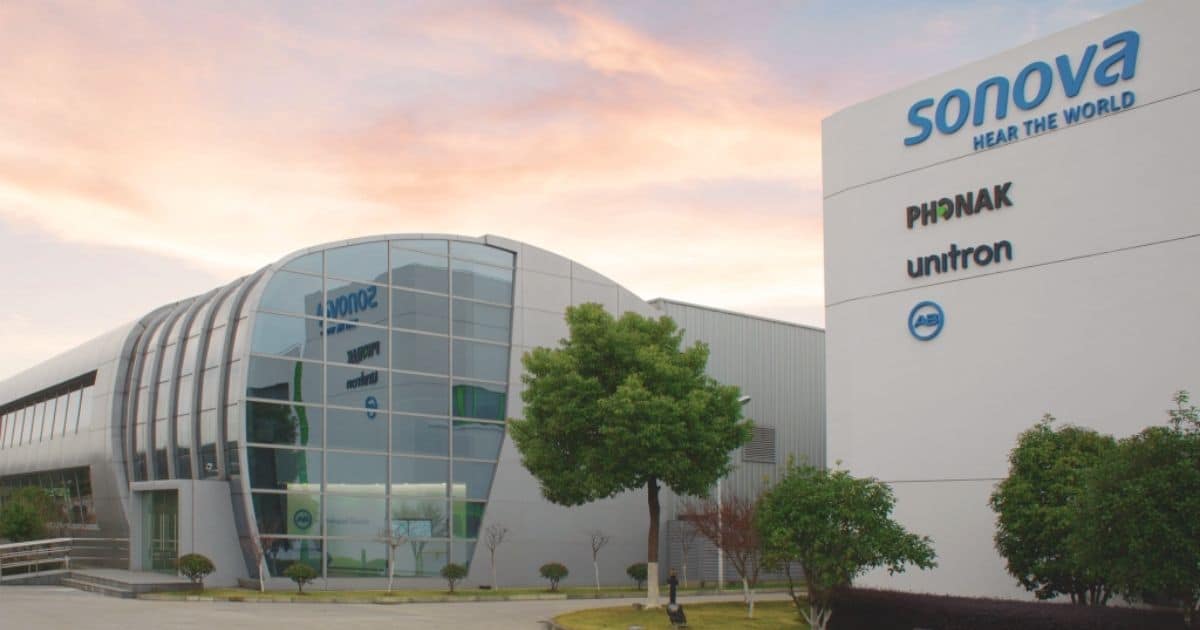
Sonova recognizes that the global hearing care market is not monolithic. Its strategy emphasizes a market-by-market approach to brand and channel management, acknowledging diverse cultural, economic, and regulatory landscapes. The company operates a robust portfolio of leading brands, including Phonak, Unitron, Hansaton, and the cochlear implant brand Advanced Bionics, alongside its extensive retail network, AudioNova. By differentiating the roles of these brands, Sonova can cater to a wider spectrum of consumer needs and preferences, from premium technology to value-driven solutions.
Expanding its retail footprint through targeted acquisitions will be a key driver of local success. This strategy allows Sonova to control the customer experience more directly, gather invaluable real-time market insights, and offer integrated solutions. Furthermore, the company aims to deepen synergies between its wholesale and retail businesses. Store-level insights gathered from its retail operations will directly inform research and development efforts, ensuring that new products are designed to meet genuine consumer and clinician needs. Coordinating product launches across both wholesale and retail channels will maximize market impact, while extending lead-generation capabilities to support wholesale partners in markets where Sonova does not directly operate retail locations will foster a collaborative ecosystem. This integrated approach ensures a cohesive market presence and maximizes reach.
3. Improving Service and Operations for Competitive Edge:
In an increasingly competitive landscape, Sonova aims to strengthen customer service as a significant competitive differentiator. This involves a rigorous focus on timeliness, quality, and cost efficiency across all customer touchpoints, from initial consultation to after-sales support. Superior service not only enhances customer satisfaction and loyalty but also drives positive word-of-mouth referrals, a crucial factor in the adoption of hearing solutions.
Operationally, Sonova plans to enhance productivity through several initiatives: footprint optimization, automation, streamlined processes, and value engineering. Footprint optimization could involve consolidating manufacturing sites, strategically locating distribution centers, or modernizing existing facilities to improve efficiency. Automation, particularly in manufacturing and logistics, can reduce costs and improve consistency. Streamlined processes, applying lean methodologies across the value chain, will eliminate waste and accelerate time-to-market. Value engineering, by optimizing product designs for cost-effectiveness without compromising quality or performance, will further contribute to margin improvement. These operational enhancements are critical for supporting Sonova’s ambitious growth targets while maintaining profitability.
Geographic Expansion: The Asia Opportunity
Asia has been identified as a major frontier for future growth. The region presents a vast, largely underserved market with rapidly growing economies and an expanding middle class. Sonova has outlined a multi-stage approach to penetrate this diverse continent. The initial phase will focus on scaling its existing portfolio for affluent segments in key markets such as China, Japan, and parts of Southeast Asia, where disposable incomes are higher and awareness of advanced hearing solutions is growing.
Subsequent stages will involve expanding into more tailored solutions designed specifically for regional needs. This includes developing lower-cost care models to address the significant affordability challenges prevalent in many Asian markets. These models might involve simpler, more accessible devices, alternative distribution channels, or innovative financing solutions. Challenges in Asia include varying regulatory landscapes, diverse cultural perceptions of hearing loss, and the need for extensive public education campaigns. Sonova’s localized, multi-stage approach aims to navigate these complexities effectively, capitalizing on the immense long-term potential of the region.

Financial Outlook and Investor Confidence
Sonova’s renewed strategy projects a significant increase in revenue, targeting CHF 6 billion by fiscal year 2030/31. Considering the company’s reported net sales of CHF 3.63 billion for fiscal year 2022/23, this target implies a compound annual growth rate (CAGR) of approximately 6.5-7% over the next seven years. This is an ambitious yet achievable target, given the underlying market growth and Sonova’s strategic initiatives.
Over the medium term, Sonova is targeting a sales CAGR of 5% to 10% and a core EBIT CAGR of 7% to 12% in local currencies. Margin improvement is expected to be driven by structural savings derived from operational efficiencies and enhanced operating leverage as the company scales. However, the company also confirmed its previously communicated fiscal 2025/26 outlook, indicating that sales growth and normalized EBITA growth are expected to come in at the lower end of prior guidance ranges. This adjustment, while a short-term concern, likely reflects ongoing macroeconomic headwinds, potential integration costs related to past acquisitions, and the inherent complexities of a major strategic pivot. The market will be keenly watching how Sonova manages these near-term challenges while laying the groundwork for its long-term vision.
Industry analysts are likely to interpret the divestment of the Consumer Hearing business as a positive move, signaling a disciplined approach to capital allocation and a clear focus on the high-margin, high-growth core medical hearing care market. The ambitious revenue target, backed by a detailed strategic roadmap, could instill renewed confidence in Sonova’s ability to deliver sustainable value creation.
Leadership’s Vision for the Future
Eric Bernard, CEO of Sonova, articulated the strategic vision with conviction: “Our renewed strategy translates Sonova’s technology leadership and audiological expertise into broader adoption and stronger local execution.” He further elaborated on the tactical components: “By expanding design towards lifestyle-aligned solutions and healthy aging, transforming and growing our retail network, applying country-by-country discipline, and driving excellence in customer service and operations, we are confident in our ability to deliver above-market profitable growth and sustainable value creation. Execution will be supported by our culture of entrepreneurship and innovation.”
Bernard’s statement underscores a holistic approach that intertwines technological prowess with commercial acumen and operational excellence. The emphasis on "lifestyle-aligned solutions" acknowledges the evolving consumer demands beyond mere functional correction, positioning Sonova at the forefront of integrated hearing health and wellness. The "country-by-country discipline" highlights the nuanced market approach necessary for global success, particularly in diverse regions like Asia.
Broader Industry Impact and Implications
Sonova’s strategic pivot is likely to send ripples throughout the hearing care industry. As one of the largest players, its focused commitment to core hearing instruments and cochlear implants, coupled with aggressive innovation in AI and digital tools, could spur competitors like Demant, GN Hearing, WS Audiology, and Starkey to intensify their own R&D efforts and strategic realignments. The emphasis on lower-cost care models, particularly for emerging markets, might also encourage a broader industry shift towards more accessible solutions, potentially expanding the overall market size more rapidly.
The divestment of the Consumer Hearing business also highlights a broader trend in specialized medical technology companies to divest non-core assets to focus on their primary strengths. This could lead to a more defined separation between the consumer audio and medical hearing sectors, even as technology convergence continues to blur lines in product design. Ultimately, Sonova’s ambitious strategy signals a period of dynamic growth and transformation, aiming to not only lead but redefine the future of hearing care globally. The successful execution of this strategy will be crucial in cementing Sonova’s position as an undisputed leader in an essential and expanding healthcare sector.