Information architecture is the practice of deciding how to arrange the parts of something to be understandable. In the context of government digital services, this involves the meticulous planning of sitemaps, ontologies, and navigation systems that help citizens find information—ranging from tax requirements to healthcare benefits—with minimal friction. The GDS experts argue that accessibility in IA is not an "add-on" feature but a fundamental requirement of user-centered design, particularly as the UK government continues its "digital by default" strategy.
Strategic Frameworks: Ontology, Taxonomy, and Choreography
The GDS approach to accessible information architecture is built upon three distinct but interconnected pillars: ontology, taxonomy, and choreography. Rik Williams, Senior Information Architect at GDS, emphasizes that focusing on these elements individually and cohesively creates systems that are "deeply usable," which he posits is the cornerstone of accessibility.
Ontology refers to the underlying concepts and the relationships between them—essentially defining "what the information is." For users with cognitive disabilities, learning differences, or limited domain knowledge, an accessible ontology uses clear, consistent concepts that reduce the mental load required to understand a service. Taxonomy, the organization and classification of that information, must be predictable and logical. This is critical for users who rely on screen readers or those with mobility impairments, as a logical structure ensures that the information is discoverable through assistive technologies.
The third pillar, choreography, dictates how users interact with information across time, channels, and contexts. According to Williams, effective choreography ensures a logical tabbing order for keyboard users, clear focus indicators, and consistent navigation patterns. By aligning these three pillars, information architects can ensure that a user’s journey through a complex government service remains coherent, regardless of the device or assistive tool being used.
Educational Integration and the POUR Principles
A recurring theme among the GDS experts is the necessity of embedding accessibility into the organizational culture rather than treating it as a final checklist item. Becky Ashley, Lead Information Architect, advocates for a "collective mindset" that spans every skill set, from developers to content creators. To achieve this, she recommends the use of the POUR principles—Perceivable, Operable, Understandable, and Robust—as a shared language across disciplines.
The POUR principles, developed by the World Wide Web Consortium (W3C), serve as the foundation of the Web Content Accessibility Guidelines (WCAG). By applying these principles to the IA process, teams can ensure that information is not only findable but also digestible. Sally Creasey, Senior Information Architect, reinforces this by highlighting the need for "advocacy amongst stakeholders." She suggests that involving colleagues in the IA process—sharing sitemaps and ontologies early—builds the confidence necessary for teams to champion accessibility in their respective roles.
Furthermore, the experts highlight that accessibility must extend to "backend" users. This includes civil servants who use Content Management Systems (CMS) to publish information. A service is not truly accessible if the tools used to build it are exclusionary to employees with disabilities. Ensuring that taxonomies and tagging systems are intuitive for editors is as vital as the frontend experience for the public.
Methodologies for Inclusive Design
To ensure that architectural designs meet the needs of a diverse population, GDS employs a variety of research and testing tools. Sally Creasey points to traditional IA techniques such as card sorting and tree testing, which allow designers to understand how users categorize information in their own minds. By "foraging" for the nouns and verbs users naturally employ, architects can create labels and navigation paths that map to real-world mental models rather than bureaucratic structures.
One of the more innovative approaches discussed is Object-Oriented Design (OOD). Rik Williams explains that OOD helps create information environments built around "tangible things," which can standardize attributes across a service. This creates a level of consistency that is particularly beneficial for users who require personalized or simplified interfaces. By treating components of a service as distinct objects with clear properties, architects can ensure that text structures remain accessible across various emerging technologies, including AI-driven interfaces.
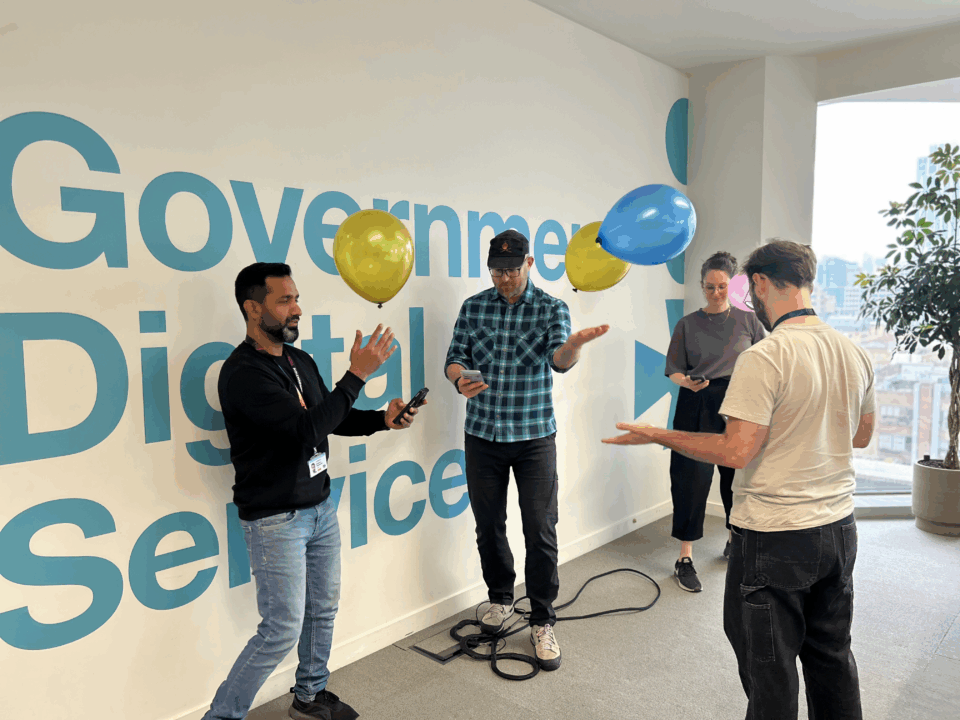
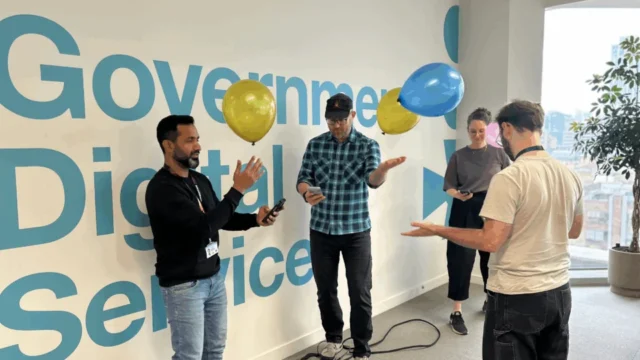
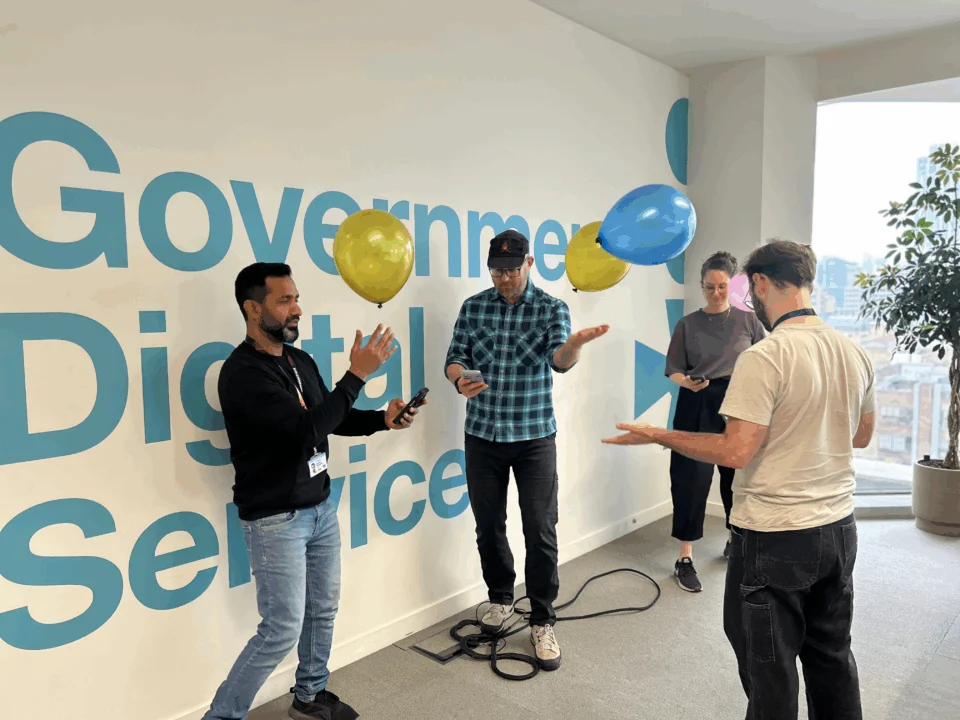
The team also utilizes "simulations" to build empathy within design teams. These activities, such as wearing motor-control limiting gloves or playing "empathy balloons"—a game designed to simulate the frustrations of cognitive or dexterity issues—help designers bridge the gap between their own experiences and those of users with diverse needs. However, the experts caution that while simulations are valuable for building awareness, they are no substitute for direct research with people who have lived experience of disabilities.
Avoiding Systemic Pitfalls in Information Design
The GDS experts identify several common pitfalls that can undermine accessibility if not actively managed. One of the primary risks is "organisational-centric design," where information is structured according to a department’s internal hierarchy rather than the user’s journey. This often leads to the use of jargon and the creation of sections with overlapping purposes, a phenomenon known as the "paradox of choice," which significantly increases the mental load for users with cognitive impairments.
Becky Ashley warns against the "finished project" fallacy. She notes that information systems must be iterative and capable of adapting to emerging user needs. A static sitemap may quickly become obsolete as the way people consume information changes. To combat this, she suggests using labels as "accessible metadata," creating a continuous feedback loop between user data and content structure.
Another systemic challenge is the pressure of delivery timelines, which can lead to the "squeezing" of user research. Sally Creasey emphasizes that failing to test with a diverse range of users—including those with various disabilities—almost guarantees that the final architecture will miss the mark. Without a "controlled vocabulary" to ensure language consistency, users are often left to decipher different names for the same service or function, further complicating their access to government support.
Background and Legal Context of Digital Accessibility
The insights shared by the GDS team come at a time of heightened focus on digital inclusion in the United Kingdom. Under the Public Sector Bodies (Websites and Mobile Applications) (No. 2) Accessibility Regulations 2018, all public sector websites and apps are legally required to meet accessibility standards. Failure to comply can lead to investigations by the Equality and Human Rights Commission (EHRC).
According to the Office for National Statistics (ONS), approximately 24% of the UK population reported having a disability in 2023. Furthermore, the "digital divide" remains a significant concern; research indicates that disabled adults are more likely to be "narrow" internet users or digitally excluded altogether. For the UK government, which manages thousands of digital touchpoints, the role of the information architect is pivotal in ensuring that these 16 million citizens can exercise their rights and access services independently.
The "Unlocking Accessibility" series reflects a broader shift within the Cabinet Office to move beyond "compliance" and toward "usability." While WCAG 2.2 provides the technical benchmarks, the IA approach discussed by Ashley, Creasey, and Williams focuses on the "human layer"—the logic and clarity that make a digital service feel welcoming and navigable.
Broader Implications and the Future of IA
The integration of accessibility into information architecture has implications that extend far beyond the public sector. As private corporations face increasing pressure to improve their Environmental, Social, and Governance (ESG) scores, the GDS model of inclusive IA provides a blueprint for the wider tech industry. The experts suggest that the future of the field lies in the intersection of IA and emergent technology.
Sally Creasey notes that advances in AI and metadata investment could allow for "highly relevant content" to be served to users via their preferred channels, tailored specifically to their access needs. For instance, an AI could use a robust taxonomy to simplify complex legal text into "Easy Read" formats for users with learning disabilities in real-time.
The GDS team’s emphasis on "universality"—a concept championed by Web founder Tim Berners-Lee—underscores the belief that an accessible web is a better web for everyone. By designing for the "edges" of human ability, information architects create systems that are more intuitive for the general population, including those experiencing temporary situational impairments, such as using a mobile device in bright sunlight or navigating a service while stressed.
As the "Unlocking Accessibility" series continues, GDS intends to explore how other professions, such as data scientists and interaction designers, contribute to this ecosystem. The overarching message from the information architecture cohort is clear: accessibility is not a niche specialty but a core discipline of modern design. By focusing on the structural clarity of information, government services can move closer to the goal of a truly inclusive digital state.