The Silent Erosion: Understanding the Gradual Nature of Hearing Loss
The World Health Organization (WHO) estimates that over 5% of the world’s population, or 430 million people, have disabling hearing loss. By 2050, this figure is projected to rise to over 700 million. This widespread prevalence highlights that hearing loss is not an isolated issue but a significant global health concern. The gradual progression of hearing loss often leads individuals to adapt their behavior without consciously realizing the underlying cause. They might lean closer to speakers, ask for repetitions, or avoid noisy environments. These subtle adjustments, while seemingly minor, can cumulatively impact social interactions, professional performance, and emotional well-being. Recognizing these early, often overlooked, symptoms is the first step toward reclaiming clear communication and maintaining confidence in daily life.
Early Indicators: The Subtle Signals Often Dismissed
The initial stages of hearing loss can be easily mistaken for other issues, such as stress, fatigue, or lack of concentration. The brain’s remarkable ability to adapt means it works harder to process incomplete auditory information, creating a false sense of normalcy. However, a pattern of specific difficulties can signal an underlying auditory change. These early, often dismissed, symptoms include:
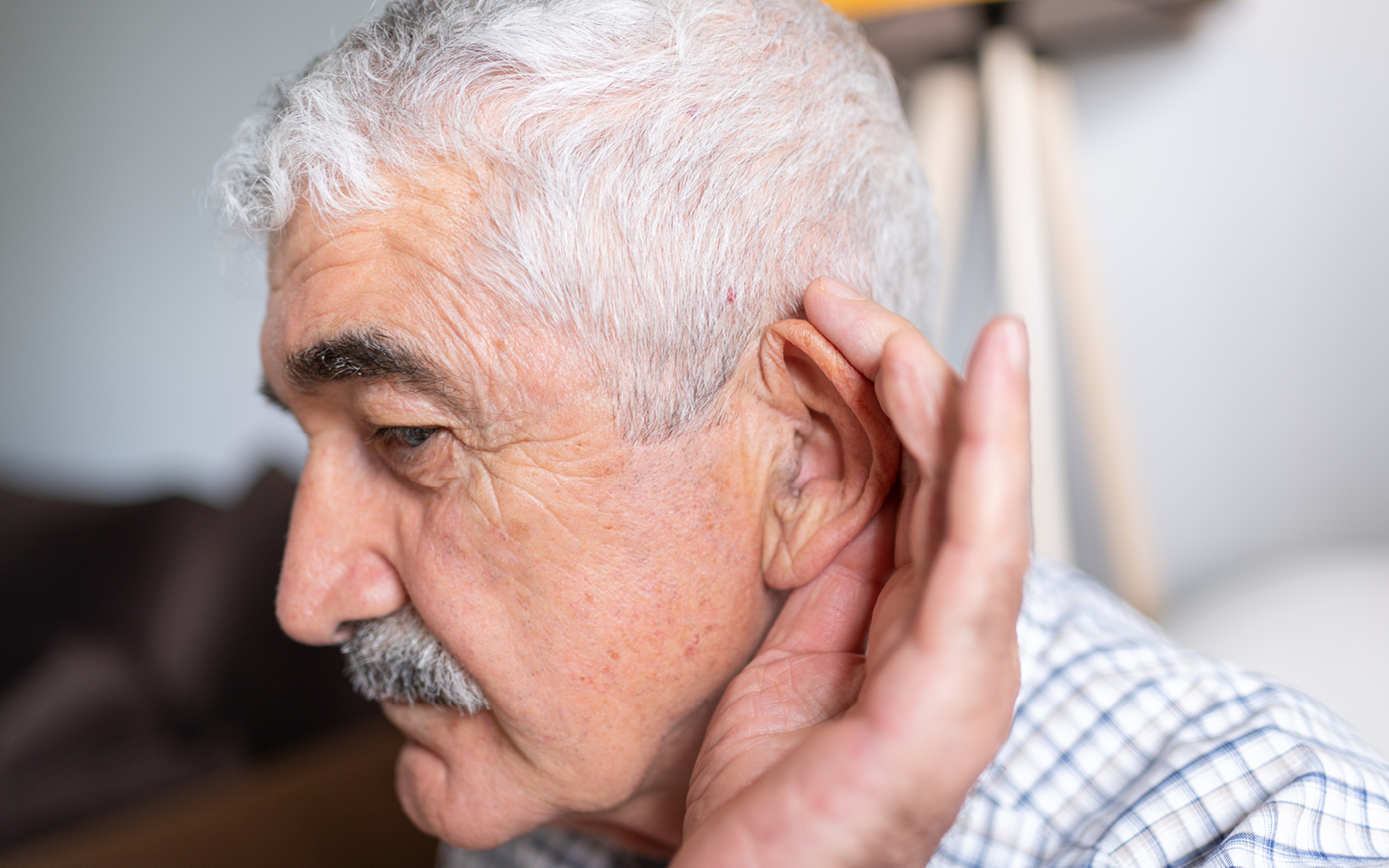
- Difficulty understanding speech in noisy environments: This is frequently the most common and earliest noticeable symptom. The ability to filter out background noise and focus on speech diminishes.
- Needing to ask people to repeat themselves: Frequent requests for repetition, especially in casual conversations, can indicate a struggle to process spoken words.
- Turning up the volume on televisions or radios: Consistently increasing the volume beyond what others find comfortable is a strong indicator that auditory perception is declining.
- Misinterpreting spoken words: Hearing sounds but not quite grasping the meaning, leading to misunderstandings or nonsensical responses.
- Experiencing tinnitus (ringing or buzzing in the ears): While tinnitus can have various causes, it is often associated with hearing loss.
- Feeling fatigued after conversations: The increased mental effort required to comprehend speech in challenging listening situations can lead to exhaustion.
- Avoiding social situations or conversations: As communication becomes more difficult, individuals may withdraw from social interactions to avoid frustration or embarrassment.
If several of these symptoms resonate, it is crucial to pay attention. Early detection can significantly alter the trajectory of hearing loss management and intervention, making a tangible difference in an individual’s life.
Hearing Loss Symptoms in Adults: Communication Challenges and Emotional Ripples
For adults, the most prevalent manifestation of hearing loss is through communication breakdowns. Over time, these challenges can extend beyond mere inconvenience, impacting mood, self-esteem, and the ability to maintain social connections. The statistics on untreated hearing loss in adults are stark: studies have linked untreated hearing loss to increased risks of depression, anxiety, cognitive decline, and social isolation.
Communication-Related Symptoms in Adults
The hallmarks of adult hearing loss often center on the clarity and ease of understanding spoken language. These include:
- Struggling to follow conversations, especially in groups or noisy settings: Distinguishing individual voices from background chatter becomes increasingly difficult.
- Finding it hard to hear high-pitched sounds: This often affects the clarity of consonants like "s," "f," and "th," making words sound muffled or indistinct.
- Difficulty understanding women’s and children’s voices: These voices are typically higher in pitch and can be harder to discern with age-related or sensorineural hearing loss.
- Perceiving speech as muffled or unclear: Sounds may be heard, but the ability to differentiate words and their meanings is compromised.
- Frequently misunderstanding what others are saying: This leads to errors in communication and can cause frustration for both the speaker and the listener.
Social & Emotional Effects of Adult Hearing Loss
The impact of hearing loss extends beyond the auditory realm, deeply affecting an individual’s emotional and social well-being. The constant effort to communicate, coupled with misunderstandings and social withdrawal, can lead to:

- Increased feelings of isolation and loneliness: Difficulty participating in conversations can lead to a sense of being disconnected from others.
- Reduced confidence in social situations: Fear of mishearing or appearing unintelligent can lead to avoidance of social gatherings.
- Heightened irritability or frustration: The effort required to understand and the misunderstandings that arise can lead to increased emotional reactivity.
- Symptoms of depression and anxiety: The cumulative effects of isolation, reduced confidence, and communication struggles can contribute to mental health challenges.
- Impaired relationships: Communication difficulties can strain relationships with family and friends, leading to misunderstandings and emotional distance.
If these emotional changes coincide with noticeable communication struggles, it is a strong signal that hearing loss may be a contributing factor and warrants professional attention.
Hearing Loss Symptoms in Children: Behavioral Clues and Developmental Impact
In children, hearing loss symptoms are often less overt and may manifest as behavioral changes or developmental delays, rather than direct complaints. This is particularly true for infants and young children who may not yet have the vocabulary to articulate their difficulties. Since hearing is intrinsically linked to speech acquisition, learning, and social development, early identification in children is paramount to ensuring optimal developmental outcomes.
Hearing Loss Symptoms in Infants (0-12 Months)
Detecting hearing loss in infants relies on observing their responses to sound. Key indicators include:
- Not startling to loud noises: A healthy infant typically reacts to sudden, loud sounds.
- Not turning their head towards sounds: By a few months of age, infants should begin to localize sounds by turning their heads.
- Lack of babbling or vocalization: Delayed or absent babbling can be a sign of difficulty hearing their own voice or the voices of others.
Signs in Early Childhood (1-5 Years)
As children grow, their communication abilities become more apparent, offering further clues:

- Delayed speech development: Not reaching language milestones at the expected age.
- Difficulty following directions: Especially if the directions are spoken.
- Speaking in a monotone or unclear voice: This can indicate a lack of auditory feedback.
- Frequent ear infections: Chronic ear infections can lead to temporary or, in some cases, permanent hearing loss.
- Appearing inattentive or distracted: Often a misinterpretation of a child’s difficulty hearing.
Signs in School-Aged Children (6+ Years)
School-aged children may begin to articulate some difficulties, or their struggles may become more apparent in an academic setting:
- Difficulty hearing the teacher in a classroom: Especially with background noise.
- Performing poorly in school despite appearing bright: Unidentified hearing loss can significantly impact academic success.
- Asking "what?" or "huh?" frequently: A direct indication of not understanding spoken language.
- Complaining of earaches or feeling of fullness in the ears.
- Poor pronunciation or grammar.
While a single sign may not definitively confirm hearing loss, a consistent pattern of these behaviors warrants a discussion with a pediatrician or an audiologist.
Symptoms of Hearing Loss in Older Adults: Age-Related Changes and Ongoing Support
Age-related hearing changes, known as presbycusis, are incredibly common. The Hearing Loss Association of America (HLAA) reports that one in three people between 65 and 74 years old has hearing loss, and nearly half of those 75 and older have it. Often, loved ones may notice these changes before the individual does. Open communication about hearing health is vital within families and communities.
Common Symptoms in Older Adults
The symptoms in older adults often mirror those experienced by younger adults but can be exacerbated by the natural aging process:
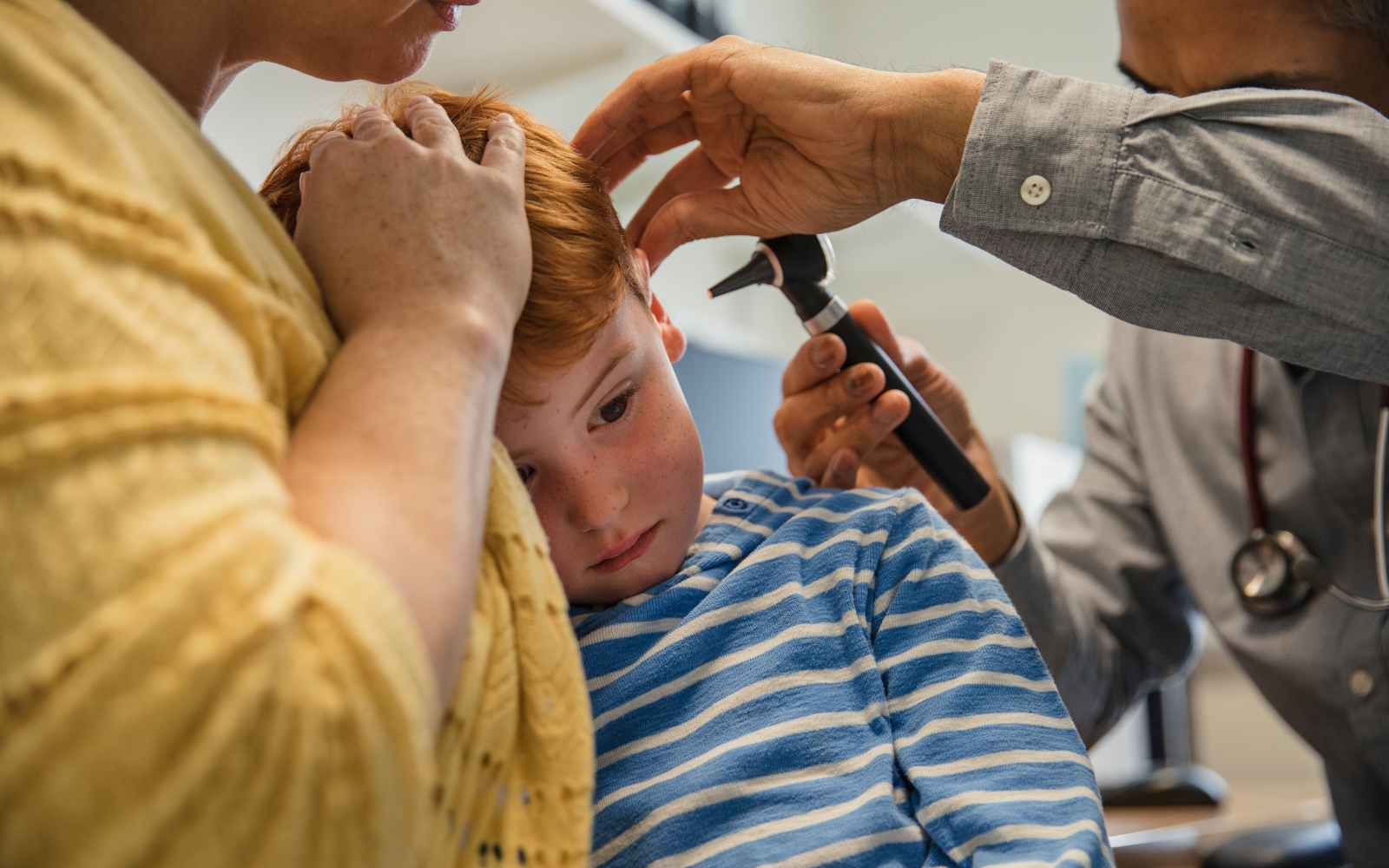
- Difficulty hearing in noisy environments: This remains a primary concern.
- Trouble distinguishing similar-sounding words: The fine-tuning of auditory perception diminishes.
- Perceiving sounds as distorted or unclear: The quality of sound can be affected.
- Needing others to speak louder or slower: A direct response to reduced auditory acuity.
- Experiencing ringing or buzzing in the ears (tinnitus).
- Feeling a sense of pressure or fullness in the ears.
These symptoms are not an inevitable part of aging that individuals must simply endure. With appropriate support, daily interactions can regain their ease and enjoyment, fostering continued engagement and connection.
Understanding Specific Types of Hearing Loss: Tailored Symptoms
Hearing loss is not a monolithic condition; its presentation and symptoms can vary significantly depending on the underlying cause and the affected part of the auditory system. Understanding these distinctions can help individuals identify their specific challenges.
Conductive Hearing Loss Symptoms
Conductive hearing loss occurs when sound transmission is impeded through the outer or middle ear. Common causes include earwax blockage, middle ear infections (otitis media), fluid accumulation, or structural abnormalities. This type of hearing loss primarily affects the loudness of sound. If the sound is amplified sufficiently, clarity can often be restored.
- Muffled hearing: Sounds seem quieter and less distinct.
- Difficulty hearing faint sounds: Even low-volume speech may be missed entirely.
- A feeling of fullness in the ear: Often associated with fluid or blockages.
- Intermittent hearing loss: Symptoms may fluctuate, particularly with ear infections.
Sensorineural Hearing Loss Symptoms
Sensorineural hearing loss arises from damage to the inner ear (cochlea) or the auditory nerve. This is the most common form of permanent hearing loss, encompassing age-related hearing loss (presbycusis) and noise-induced hearing loss. It affects not only loudness but also the clarity and processing of sound. Even at louder volumes, speech can remain indistinct.

- Difficulty understanding speech, especially in noisy environments.
- Inability to distinguish high-frequency sounds: Leading to muffled or unclear speech.
- Ringing or buzzing in the ears (tinnitus).
- Sounds may be perceived as distorted or hollow.
- Increased listening effort required to comprehend speech.
Noise-Induced Hearing Loss Symptoms
A subset of sensorineural hearing loss, noise-induced hearing loss (NIHL) is caused by prolonged or intense exposure to loud sounds. This can occur from recreational activities (concerts, firearms) or occupational noise (construction, manufacturing). The damage is cumulative and irreversible.
- Difficulty hearing high-frequency sounds: This often manifests as missing the crispness of speech.
- Muffled or distorted sounds: Especially consonants that contribute to word clarity.
- Tinnitus: A persistent ringing or buzzing.
- A temporary drop in hearing after loud noise exposure: This can become permanent over time.
Asymmetrical (One-Sided) Hearing Loss Symptoms
Asymmetrical hearing loss occurs when there is a significant difference in hearing ability between the two ears. Even mild one-sided hearing loss can create challenges.
- Difficulty locating the source of sounds: Essential for situational awareness.
- Trouble understanding conversations in noisy environments: The better ear may be overwhelmed.
- Reduced ability to hear sounds on the poorer side.
Bilateral Hearing Loss Symptoms
Bilateral hearing loss affects both ears. While it can present a consistent challenge across all listening situations, balanced hearing rehabilitation can be highly effective.
- Overall reduction in hearing sensitivity in both ears.
- Consistent difficulty in everyday listening situations.
- Increased listening effort and fatigue.
Permanent Hearing Loss Symptoms
Permanent hearing loss, often sensorineural, does not improve on its own and requires intervention to manage.

- Persistent difficulty hearing and understanding speech.
- Inability to hear certain frequencies.
- Tinnitus that does not resolve.
Neural Hearing Loss Symptoms
Neural hearing loss specifically involves damage to the auditory nerve or the brain’s pathways for processing sound. This can be a more complex condition to diagnose and manage.
- Significant difficulty understanding speech, even in quiet environments.
- Problems with auditory processing and perception.
- May be associated with other neurological conditions.
When Symptoms Signal a Medical Emergency: Sudden Hearing Loss
While most hearing loss develops gradually, certain symptoms warrant immediate medical attention. Sudden sensorineural hearing loss (SSNHL) is considered a medical emergency. Prompt treatment, ideally within 72 hours of symptom onset, can significantly improve the chances of hearing recovery.
- Sudden loss of hearing in one or both ears: This can range from mild muffling to complete deafness.
- Tinnitus that begins suddenly and is accompanied by hearing loss.
- Dizziness or vertigo: Often experienced alongside sudden hearing loss.
- A feeling of fullness or pressure in the ear.
If any of these symptoms occur, do not delay. Seek immediate evaluation from an otolaryngologist (ENT doctor) or visit an emergency room.
Diagnosing Hearing Loss: A Path to Clarity
If you suspect you or a loved one may have hearing loss, the diagnostic process is typically straightforward, painless, and provides clear answers.

Hearing Screening Tests
Hearing screenings are brief, preliminary assessments often conducted in schools, workplaces, or during routine medical check-ups. They serve as an initial indicator to identify individuals who may require a more in-depth audiological evaluation. These screenings typically involve presenting sounds at different frequencies and volumes to gauge basic hearing thresholds.
Full Audiological Evaluation
A comprehensive audiological evaluation performed by a certified audiologist is the gold standard for diagnosing hearing loss. This evaluation may include:
- Otoscopy: A visual examination of the ear canal and eardrum to check for blockages or abnormalities.
- Pure-tone audiometry: This test measures your ability to hear different frequencies at various loudness levels. You will signal when you hear a tone, allowing the audiologist to map your hearing thresholds.
- Speech audiometry: This assesses your ability to understand spoken words at different volumes and in the presence of background noise.
- Tympanometry: This test measures the function of the middle ear and the eardrum’s movement.
- Otoacoustic emissions (OAEs): Measures the response of the inner ear hair cells to sound.
- Auditory brainstem response (ABR): Assesses the auditory nerve’s electrical activity in response to sound.
Even mild hearing loss symptoms can significantly increase listening effort and cognitive load. Early diagnosis is crucial for preventing unnecessary strain, supporting long-term communication abilities, and enhancing overall well-being, ultimately leading to a higher quality of life.
When to Seek Professional Help: Empowering Your Hearing Health
The guiding principle for seeking professional help is straightforward: if hearing feels harder than it used to and is negatively impacting your quality of life, it’s time to get your hearing checked.
Key Indicators for Consultation
- Difficulty hearing conversations in everyday situations.
- Frequently asking for repetitions.
- Needing to turn up the volume on media.
- Experiencing tinnitus.
- Loved ones express concern about your hearing.
- Any sudden changes in hearing.
What to Expect at an Appointment
A typical appointment with a hearing specialist involves an open discussion about your symptoms, medical history, and specific listening challenges. This is followed by a hearing test. Most appointments are completed within an hour, and you will leave with a clear understanding of your hearing status and potential management options tailored to your needs.
Treatment Options: Restoring Auditory Function and Confidence
If a hearing test confirms hearing loss, numerous effective strategies exist to improve auditory perception and make communication effortless again. The most suitable treatment plan is determined by the type and degree of hearing loss, your lifestyle, and the recommendations of your hearing specialist.
1. Medical or Surgical Treatment
For hearing loss caused by treatable conditions such as earwax impaction, middle ear infections, or fluid buildup, an Ear, Nose, and Throat (ENT) physician can often restore hearing through simple medical interventions or surgical procedures.
2. Hearing Aids
For many individuals with mild to moderate hearing loss, hearing aids offer a significant improvement in speech understanding and sound perception. These devices amplify sounds, making them easier to hear. Modern hearing aids are discreet, technologically advanced, and can be customized to individual hearing profiles.
3. Implantable Hearing Solutions
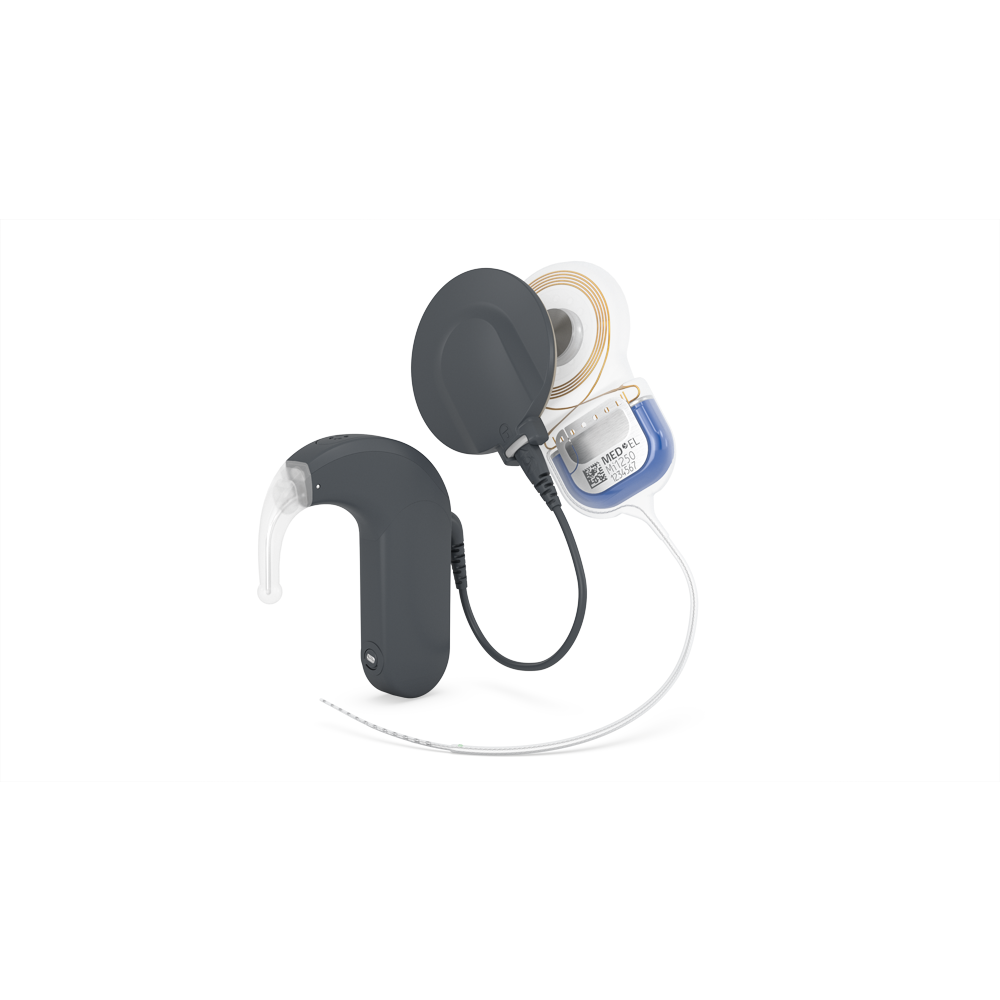
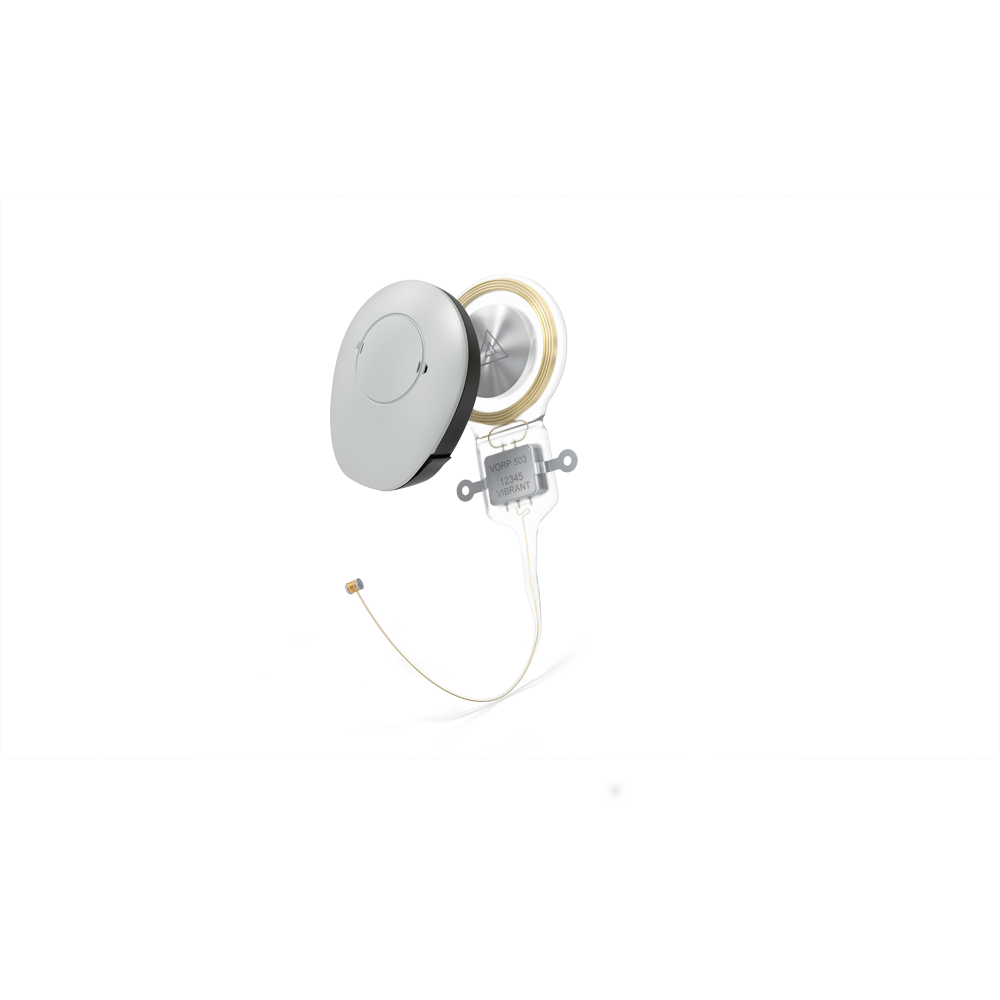
When hearing aids do not provide sufficient clarity or benefit, implantable hearing solutions offer advanced alternatives for more severe or complex types of hearing loss. MED-EL, a leading innovator in this field, provides a comprehensive range of hearing implant systems designed to address diverse auditory needs:
-
Cochlear Implants: These devices are designed for individuals with severe to profound sensorineural hearing loss. They bypass damaged hair cells in the inner ear and directly stimulate the auditory nerve, enabling the brain to interpret sound. Cochlear implants can significantly improve speech understanding and the ability to hear a wider range of sounds. For individuals with high-frequency hearing loss, specific cochlear implant programming can enhance the perception of speech clarity.
-
Bone Conduction Implants: Systems like the MED-EL BONEBRIDGE are particularly beneficial for individuals with conductive or mixed hearing loss. They function by transmitting sound vibrations through the bone directly to the inner ear, bypassing the problematic outer and middle ear structures. For certain cases, non-surgical bone conduction hearing aids, such as ADHEAR, may also provide a suitable solution.
-
Middle Ear Implants: Devices such as the MED-EL VIBRANT SOUNDBRIDGE are designed for individuals with mild to severe sensorineural, conductive, or mixed hearing loss. These implants utilize the ear’s natural structures to deliver sound, aiming for a natural and clear hearing experience. They can offer a significant advantage for those who do not benefit from conventional hearing aids.

Your hearing specialist will conduct a thorough assessment to determine which of these advanced solutions aligns best with your specific hearing profile and lifestyle. Regardless of the chosen path, the ultimate goal is to make listening feel natural and effortless, enhancing your engagement with the world around you.
Conclusion: Prioritizing Hearing Health for a Fuller Life
Hearing loss is a common, often gradual, and frequently underestimated condition. The subtle shifts in auditory perception—struggling in noisy environments, requiring repetition, increasing volume, or experiencing post-conversation fatigue—are significant indicators that should not be ignored. The right support can transform everyday conversations, making them effortless and enjoyable once again.
It is imperative to reiterate that any sudden changes in hearing, accompanied by dizziness or ear pain, constitute a medical emergency requiring immediate attention. Taking the proactive step of getting your hearing checked is a simple yet profoundly impactful action. It can provide clarity, peace of mind, and significantly improve your quality of life in the long term. By understanding the symptoms, recognizing the signs across different age groups, and seeking timely professional evaluation and treatment, individuals can effectively manage hearing loss and continue to connect meaningfully with the world.