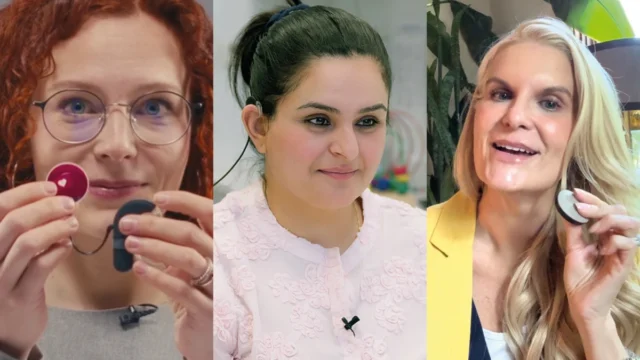

The landscape of cosmetic procedures is vast and ever-evolving, encompassing a wide array of techniques designed to enhance appearance and address various aesthetic concerns. For individuals with cochlear implants, the presence of a sophisticated electronic device necessitates a heightened level of awareness and proactive communication with healthcare providers and aesthetic professionals. The fundamental principle guiding these decisions is the preservation of the implant’s integrity and the surrounding biological tissues. This involves a thorough understanding of the energies and modalities employed in different procedures and their potential impact on the sensitive components of a CI.
Understanding the Core Safety Principles
At the heart of safely undergoing cosmetic procedures with a cochlear implant lies a set of fundamental safety rules. These are not merely suggestions but critical guidelines designed to mitigate risks and ensure the continued efficacy of the implant.

Crucial Pre-Procedure Protocols:
- Mandatory Disclosure: The single most important step is to inform every healthcare provider and aesthetician involved in your care about your cochlear implant. This disclosure should be made well in advance of any scheduled procedure. This allows practitioners to thoroughly assess the compatibility of their planned treatment with your specific CI model and its placement.
- Consultation with Audiologist/CI Specialist: Before committing to any cosmetic procedure, it is highly advisable to consult with your audiologist or cochlear implant specialist. They possess in-depth knowledge of your device’s specifications, including its sensitivity to electromagnetic fields, heat, and electrical currents. They can provide tailored advice and guidance based on your individual implant system.
- Research and Information Gathering: Educate yourself about the specific procedure you are considering. Understand the tools, energies, and techniques that will be employed. This knowledge empowers you to ask informed questions and to better assess potential risks.
- Documentation Review: Familiarize yourself with the safety guidelines and recommendations provided by the manufacturer of your cochlear implant. These documents often contain specific contraindications and precautions relevant to various medical and aesthetic treatments.
During the Procedure:
- Clear Communication: Maintain open and consistent communication with the performing professional throughout the procedure. If at any point you experience unusual sensations or discomfort, immediately alert the practitioner.
- Device Protection: Depending on the procedure, it may be necessary to temporarily remove the external audio processor. Your audiologist or CI specialist will advise on when and how to do this safely. Ensure the processor is stored securely to prevent damage or loss.
Post-Procedure Care:
- Follow-Up: Adhere to all post-procedure care instructions provided by your aesthetician or surgeon.
- Monitoring Implant Function: After the procedure, monitor your cochlear implant for any changes in sound quality or device performance. If you notice any anomalies, contact your audiologist or CI specialist promptly.
It is crucial to reiterate that the information presented here is for general informational purposes and does not substitute professional medical advice. Always consult with qualified healthcare professionals for personalized guidance.

Procedures Generally Considered Safe with Precautions
Many common cosmetic procedures can be safely undertaken by cochlear implant users, provided specific precautions are observed. These precautions typically involve avoiding direct application of certain energies or modalities near the implant site and ensuring clear communication with the practitioner.
Chemical Peels
Chemical peels are a popular method for skin rejuvenation, utilizing chemical solutions to exfoliate the outer layers of the skin. For CI users, these treatments are generally considered safe, particularly when focused on areas of the face distant from the cochlear implant.
- Distant Application: Procedures performed on areas significantly removed from the implant site, such as the lower face or décolletage, pose minimal risk.
- Caution with Deep Peels: Deep chemical peels, which penetrate further into the skin layers, may involve a higher degree of chemical exposure and potential for irritation. While not an absolute contraindication, it is prudent to discuss the depth of the peel with your aesthetician and ensure it is appropriate for your skin and proximity to the implant.
- Avoidance of Heat and Electrical Stimulation: Crucially, chemical peels that incorporate heat (e.g., thermolage) or electrical stimulation should be avoided in the vicinity of the cochlear implant. These modalities can directly interfere with the implant’s function or potentially damage surrounding tissues. Inform your aesthetician about your CI so they can tailor the treatment, perhaps by using milder formulations or focusing on areas away from the implant.
Dermapen/Microneedling
Microneedling, a technique that uses fine needles to create tiny punctures in the skin, has gained popularity for its ability to stimulate collagen production and improve skin texture.
- Mechanical Microneedling: Standard mechanical microneedling, which relies solely on the physical action of the needles, does not pose a direct risk to the cochlear implant. The depth of needle penetration and the controlled nature of the procedure make it generally compatible.
- Radiofrequency (RF) Microneedling Caution: A significant distinction must be made with RF microneedling. This advanced form of the treatment combines microneedling with radiofrequency energy, which is delivered through the needles to heat the deeper layers of the skin. RF microneedling must be strictly avoided near the implant site. The electromagnetic energy emitted by RF devices can interfere with the cochlear implant’s electronics, potentially causing malfunction or damage.
- Informed Choice: When opting for microneedling, explicitly request mechanical (non-RF) microneedling. Always ensure the treatment area is kept sufficiently distant from the implant, even with mechanical devices, as a general precautionary measure.
Botox and Fillers
Injectable treatments like Botox (botulinum toxin) and dermal fillers are widely used to reduce wrinkles and enhance facial contours.

- General Safety: Botox injections are typically considered safe for CI users. The procedure involves small amounts of a neurotoxin injected into specific muscle groups.
- Strategic Injection Placement: The key precaution is to ensure that injections are administered well away from the direct vicinity of the cochlear implant. This minimizes any potential for direct physical interference or localized tissue reaction.
- Avoidance of Energy-Based Devices: As with other procedures, it is imperative to avoid any accompanying energy-based devices, such as electrical stimulation or radiofrequency treatments, that might be used in conjunction with or as part of the injection session. These devices carry the risk of electromagnetic interference.
Laser Hair Removal and Electrolysis
These methods are designed for permanent or semi-permanent hair reduction.
- Laser Hair Removal Safety: Laser hair removal, which uses light energy to target hair follicles, is generally safe for CI users. The light energy is absorbed by the pigment in the hair and does not typically interact with the electronic components of a cochlear implant.
- Audio Processor Removal: It is essential to remove the external audio processor before undergoing laser hair removal. This prevents any potential heat damage to the processor itself and ensures the laser is directed solely at the targeted hair follicles.
- Avoidance of Direct Application: While the laser energy is generally safe, it is still advisable to avoid direct treatment over the implant site itself to prevent any localized heat buildup on the skin covering the implant.
- Electrolysis Risks: Electrolysis, conversely, presents a higher risk. This method utilizes a fine needle to deliver an electrical current directly into each hair follicle, destroying it. Due to the use of electrical current, electrolysis is strictly forbidden to be performed near the cochlear implant site. The electrical current can easily interfere with or damage the implant.
Tattoos and Tattoo Removal
The desire for body art and its subsequent removal brings its own set of considerations for CI users.
- Tattooing Safety: Getting a tattoo is generally safe, provided the tattooing is not performed in close proximity to the cochlear implant site. The needles used in tattooing create small punctures in the skin, and the ink itself does not pose a direct threat to the implant.
- Tattoo Removal Caution: Tattoo removal, particularly when employing laser technology, is a different matter. Laser tattoo removal involves using high-intensity light energy to break down ink pigments. This process is not recommended close to the implanted area. The intense heat and energy transfer associated with laser removal carry a risk of thermal damage to the skin overlying the implant and potential interference with the device’s function.
- Informed Consent: In all cases involving tattoos or tattoo removal, thorough communication with the technician is paramount. Inform them about your CI and discuss the precise location where the procedure will be performed.
Wart Removal
The safety of wart removal procedures for CI users is contingent upon the specific method employed.
- Method-Dependent Safety: Various techniques exist for wart removal, including cryotherapy (freezing), salicylic acid treatments, and surgical excision.
- Cryotherapy and Topical Treatments: Methods like cryotherapy and topical salicylic acid treatments are generally considered safe, as they do not involve electrical currents or significant heat generation.
- Laser or Electrocautery: However, if the wart removal involves laser ablation or electrocautery, the same precautions and contraindications as discussed for tattoo removal and other energy-based procedures apply. These methods should be avoided near the implant site.
Procedures Requiring Special Caution and Consultation
Certain procedures, while potentially manageable, demand a higher level of scrutiny and careful planning due to their inherent nature and proximity to the head and neck region.

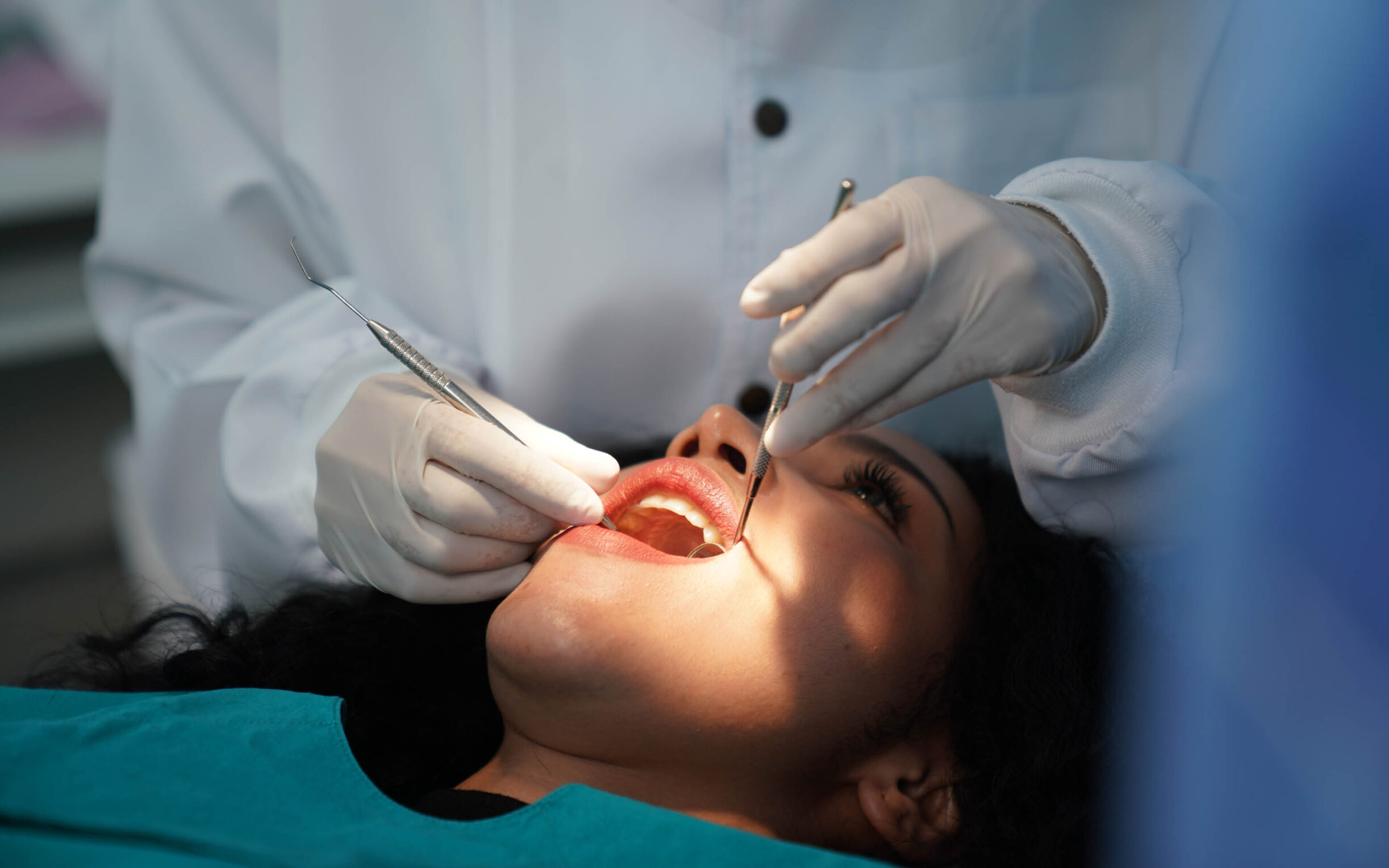
Dental Treatments
Dental care is a cornerstone of overall health, and for CI users, it requires a coordinated approach.
- General Safety of Routine Procedures: Most routine dental cleanings and fillings are safe for individuals with cochlear implants.
- Critical Communication: The absolute requirement is to inform your dentist, dental hygienist, and any oral surgeon about your CI. This disclosure is crucial because the safety of dental treatments is entirely dependent on the specific tools and techniques utilized.
- Specific Tools to Monitor:
- Ultrasonic Tooth Cleaners (Scalers): These devices use high-frequency vibrations to remove plaque and tartar. While effective, their use near the head and neck region should be carefully managed. Ideally, their use should be limited or avoided in close proximity to the CI to prevent potential vibration or electromagnetic interference.
- Electrosurgery: Electrosurgery, which employs electrical currents to cut or coagulate tissue, is used in various dental procedures, including some soft-tissue work. Similar to its use in other surgical contexts, electrosurgery has strict limitations for CI users. The electrical currents can interfere with the implant’s function. Practitioners should be aware of these restrictions and opt for alternative methods when necessary.
Laser Eye Surgery
Procedures like LASIK (laser-assisted in situ keratomileusis) aim to correct vision using lasers.
- General Safety with Precautions: Laser eye surgery is generally considered safe for CI users. The laser is directed at the eye, a significant distance from the cochlear implant.
- Audio Processor Removal: The most critical precaution is to remove the external audio processor before the procedure. This prevents the laser from potentially interacting with or damaging the sensitive electronic components of the device.
- Bleeding Control Tools: In rare instances during eye surgery, a bleeding-control tool might be employed. It is imperative that monopolar electrosurgery is not used on individuals with CIs. Fortunately, medical teams have access to alternative and safe methods for bleeding control, so ensuring the ophthalmologist is fully aware of your CI is paramount. They can then select appropriate, safe alternatives.
Facelift and Other Face or Neck Surgeries
Surgical interventions in the facial and neck regions require the highest level of caution due to their anatomical proximity to the cochlear implant.
- Increased Risk Profile: While a facelift and other cosmetic surgeries in the face or neck are possible for CI users, they carry a higher inherent risk compared to procedures performed on other parts of the body. This is due to the direct involvement of the surgical area with the implant’s location.
- Mandatory Surgeon Awareness: It is absolutely essential that your surgeon is fully aware of your cochlear implant’s exact location. This knowledge allows them to meticulously plan the surgery, taking into account the implant’s position and the potential impact of surgical instruments.
- Electrosurgery Considerations: If the surgeon intends to use electrosurgery for hemostasis (controlling bleeding) or tissue dissection, specific precautions are non-negotiable.
- Electrosurgery Restrictions (Non-Negotiable CI Safety): Monopolar electrosurgery is generally contraindicated in the head and neck region for CI users. If bipolar electrosurgery is used, it should be done with extreme care, ensuring that the current path is as far from the implant as possible. The surgeon must be knowledgeable about these specific restrictions and employ alternative techniques if necessary.
Rhinoplasty (Nose Surgery)
Nose surgeries, including rhinoplasty, necessitate particular vigilance for CI recipients.

- Electrocautery Use: A common technique in rhinoplasty for controlling bleeding is electrocautery. Monopolar electrocautery is strictly contraindicated for cochlear implant users and must not be performed in the head and neck region. The high electrical currents can cause significant damage to the implant and surrounding nerves.
- Early Surgeon Notification: If rhinoplasty is being considered, it is recommended to inform your surgeon as early as possible in the planning stages. Request that they review specific medical safety procedures related to cochlear implants in advance. This proactive approach allows the surgical team to identify and prepare safe alternative methods for bleeding control and tissue manipulation.
Hair Transplant
Hair transplantation procedures, while not directly invasive to the implant site, still warrant careful consideration.
- No Direct Risk: A hair transplant procedure itself does not typically pose a direct risk to the cochlear implant. The follicles are extracted from one area (often the back of the scalp) and transplanted to another.
- Surgeon Awareness: Nevertheless, it remains important to inform your surgeon that you have a cochlear implant. This allows them to be prepared in case any additional tools or techniques are employed that might require specific considerations.
- Procedural Timing: For individuals considering both a hair transplant and a cochlear implant, it is often simpler and logistically easier to undergo a hair transplant before cochlear implantation, if feasible. This avoids the need for extensive coordination between two distinct surgical procedures.
Liposuction
Liposuction, a procedure to remove excess fat, also has implications for CI users.
- No Direct Risk from Liposuction Itself: The liposuction procedure itself, which primarily involves suctioning out fat, does not pose a direct risk to the cochlear implant.
- Team Notification and Tool Restrictions: However, it is absolutely critical that your surgical team is fully informed about your CI. Furthermore, they must not use suction, laser, ultrasound, or any other energy-based tools on or near the implant area. These modalities can interfere with the implant’s functionality.
- Regional Avoidance: For optimal safety, procedures that involve the head and neck region should be avoided whenever possible. If liposuction is to be performed on other parts of the body, the general precautions regarding energy-based tools near the implant site remain paramount.
Navigating Unlisted Procedures and Future Considerations
The field of cosmetic procedures is dynamic, with new technologies and techniques emerging regularly. It is impossible to list every single procedure and its specific implications for CI users. However, the principles of safety remain consistent.
A Framework for Unlisted Treatments
If a particular cosmetic treatment is not explicitly mentioned in this guide, CI users can protect their implants by adhering to a consistent set of proactive steps:

- Comprehensive Disclosure: Always inform your practitioner about your cochlear implant. This is the foundational step for any procedure.
- Understand the Modalities: Inquire about the specific technologies, energies, and tools that will be used. Ask about the use of heat, electrical currents, radiofrequency, or strong magnetic fields.
- Seek Expert Consultation: If there is any doubt or concern about the safety of a procedure, consult with your audiologist or cochlear implant specialist. They can provide expert advice tailored to your device and its limitations.
- Prioritize Implant Safety: When in doubt, err on the side of caution. If a procedure carries a significant or uncertain risk to your cochlear implant, it may be prudent to postpone or forgo it.
The content on this website is intended for general informational purposes only and should not be construed as medical advice. The decision to undergo any cosmetic procedure should always be made in consultation with qualified healthcare professionals who can assess your individual circumstances and provide personalized guidance.
Broader Implications and Future Outlook
The increasing prevalence of cochlear implant technology means that more individuals with these devices are seeking to maintain and enhance their appearance through cosmetic procedures. This trend underscores the importance of robust communication channels between CI manufacturers, healthcare providers, and aesthetic professionals.
The ongoing development of CI technology also brings advancements in device resilience and safety protocols. Manufacturers are continually working to ensure their devices are compatible with a wider range of medical and aesthetic interventions. However, the fundamental responsibility for safe practice rests on informed consent, thorough communication, and adherence to established safety guidelines.
For the cochlear implant community, navigating cosmetic procedures is not about limitation but about informed empowerment. By understanding the potential risks and adopting a proactive, communicative approach, individuals can confidently pursue their aesthetic goals while safeguarding their invaluable hearing. The MED-EL team, and indeed all CI manufacturers, remain committed to providing resources and support to help users make safe and informed decisions about their health and well-being.
For those seeking further information or specific guidance regarding cochlear implants and their interaction with medical and cosmetic procedures, contacting your local MED-EL team is a valuable step. They can offer tailored advice and connect you with the resources you need to ensure both your hearing and your aesthetic aspirations are met safely and effectively.