The journey toward effective hearing loss management begins with a crucial first step: a professional diagnosis. Understanding the precise nature of the hearing impairment—whether it stems from conductive issues affecting sound transmission, sensorineural damage within the inner ear or auditory nerve, or a combination of both—is paramount. This diagnosis dictates the most suitable treatment pathway, ranging from temporary medical interventions to long-term technological solutions.
Understanding the Spectrum of Hearing Loss
Hearing loss is broadly categorized into three primary types, each requiring a tailored treatment strategy:

-
Conductive Hearing Loss: This occurs when sound waves are impeded from reaching the inner ear, typically due to issues in the outer or middle ear. Blockages from earwax, infections, fluid buildup, or structural abnormalities can cause this type of hearing loss. Often, conductive hearing loss is temporary and treatable, with the potential for hearing to be fully or partially restored once the underlying cause is addressed. Medical interventions, such as antibiotics for infections or surgical procedures to correct structural problems, are common. In cases where the blockage is significant, bone conduction hearing aids or implants may be considered to bypass the affected outer and middle ear structures.
-
Sensorineural Hearing Loss (SNHL): This is the most prevalent form of hearing loss and results from damage to the delicate hair cells within the cochlea or the auditory nerve. Unlike conductive hearing loss, SNHL is frequently permanent, as these damaged structures cannot regenerate. Treatment for SNHL focuses on improving the perception and understanding of sound rather than restoring the damaged biological components. This is where advanced hearing technology, such as hearing aids and implantable solutions, plays a pivotal role.
-
Mixed Hearing Loss: This type presents a combination of both conductive and sensorineural components. Treatment for mixed hearing loss is therefore multifaceted, often involving a blend of medical interventions to address the conductive element and hearing technology to manage the sensorineural aspect. Treatment plans for mixed hearing loss are dynamic, requiring ongoing specialist evaluation to adapt to evolving medical conditions and changing hearing needs over time.
A Multifaceted Approach to Modern Hearing Loss Treatment
Modern hearing loss treatment strategies are designed to be comprehensive, addressing not only the auditory impairment but also its impact on communication and overall well-being. These strategies generally fall into five main categories, aiming to restore, improve, or support hearing and communication:

- Medical and Surgical Interventions: Addressing the underlying causes of hearing loss when they are medically treatable.
- Hearing Aids: Amplifying and processing sound for individuals with mild to severe hearing loss.
- Implantable Hearing Solutions: Providing direct auditory nerve stimulation or bypassing damaged structures for individuals with severe to profound hearing loss where hearing aids are insufficient.
- Assistive Listening Devices (ALDs) and Communication Support: Enhancing sound perception in specific environments and facilitating daily communication.
- Therapy and Rehabilitation: Developing and strengthening communication skills and strategies for optimal auditory function.
The overarching goals of these treatments are twofold: to enhance the clarity and comprehensibility of speech and to minimize the disruptive effects of background noise. Treatment plans are inherently personalized, meticulously crafted based on the results of rigorous hearing tests and comprehensive specialist evaluations.
Medical and Surgical Pathways to Hearing Restoration
When hearing loss stems from identifiable medical conditions, interventions aim to rectify the root cause.
Medication and Non-Invasive Treatments
For conductive hearing loss, treatments often involve addressing infections or inflammation in the ear. This can include:
- Antibiotics: To combat bacterial infections.
- Anti-inflammatory Medications: To reduce swelling and fluid in the middle ear.
- Earwax Removal: Professional cleaning to clear blockages.
- Medications for Allergies: To manage conditions that contribute to Eustachian tube dysfunction.
These non-invasive methods can frequently lead to a significant improvement or even complete recovery of hearing when the underlying issue is resolved.
Surgical Treatment Options
In more complex cases of conductive or mixed hearing loss, surgical interventions may be necessary. These can include:
- Tympanoplasty: Repair of a perforated eardrum.
- Ossicular Chain Reconstruction: Surgical correction of damaged or dislocated small bones in the middle ear.
- Stapedectomy/Stapedotomy: Procedures to address otosclerosis, a condition causing abnormal bone growth in the middle ear.
- Surgery for Middle Ear Implants: To address specific anatomical issues or chronic ear infections that preclude the use of conventional hearing aids.
- Cochlear Implant Surgery: A complex procedure to implant a device that stimulates the auditory nerve directly.
- Bone Conduction Implant Surgery: To surgically place an implant that transmits sound vibrations through the skull bone.
These surgical procedures are typically performed by Ear, Nose, and Throat (ENT) specialists and are tailored to specific anatomical or pathological conditions.
The Role of Hearing Aids
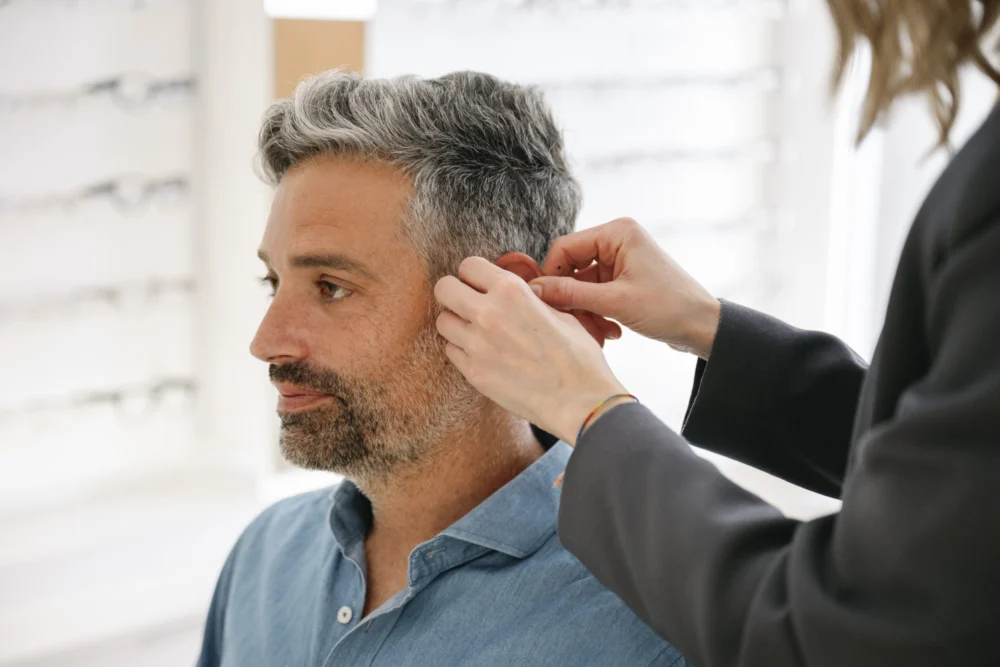
Hearing aids remain a cornerstone of hearing loss management, offering significant benefits for individuals with mild to severe hearing impairments. These sophisticated electronic devices function by amplifying and processing sound, thereby making speech more intelligible and reducing the strain of listening.
The efficacy of hearing aids is enhanced through:

- Amplification: Boosting the volume of sounds, particularly speech frequencies.
- Sound Processing: Employing advanced digital signal processing to reduce background noise, enhance clarity, and adapt to different listening environments.
- Customization: Digital hearing aids can be programmed and fine-tuned by audiologists to match an individual’s unique hearing profile and listening preferences.
Crucially, the success of hearing aid use hinges on professional fitting and ongoing adjustments. Audiologists play a vital role in selecting the most appropriate device, ensuring a comfortable fit, and calibrating the settings to optimize audibility and speech understanding for each user. Data from the World Health Organization (WHO) indicates that while a significant portion of the global population experiences hearing loss, the adoption rate of hearing aids remains suboptimal, highlighting the need for increased awareness and accessibility.
Implantable Hearing Solutions: A New Frontier for Severe Hearing Loss
For individuals with severe to profound hearing loss, or those for whom conventional hearing aids are not a viable option due to medical contraindications, anatomical limitations, or chronic ear conditions, implantable hearing solutions offer transformative possibilities. These advanced technologies work by bypassing damaged structures in the ear and directly stimulating the auditory nerve or cochlea.
Cochlear Implants: Restoring Sound to the Inner Ear
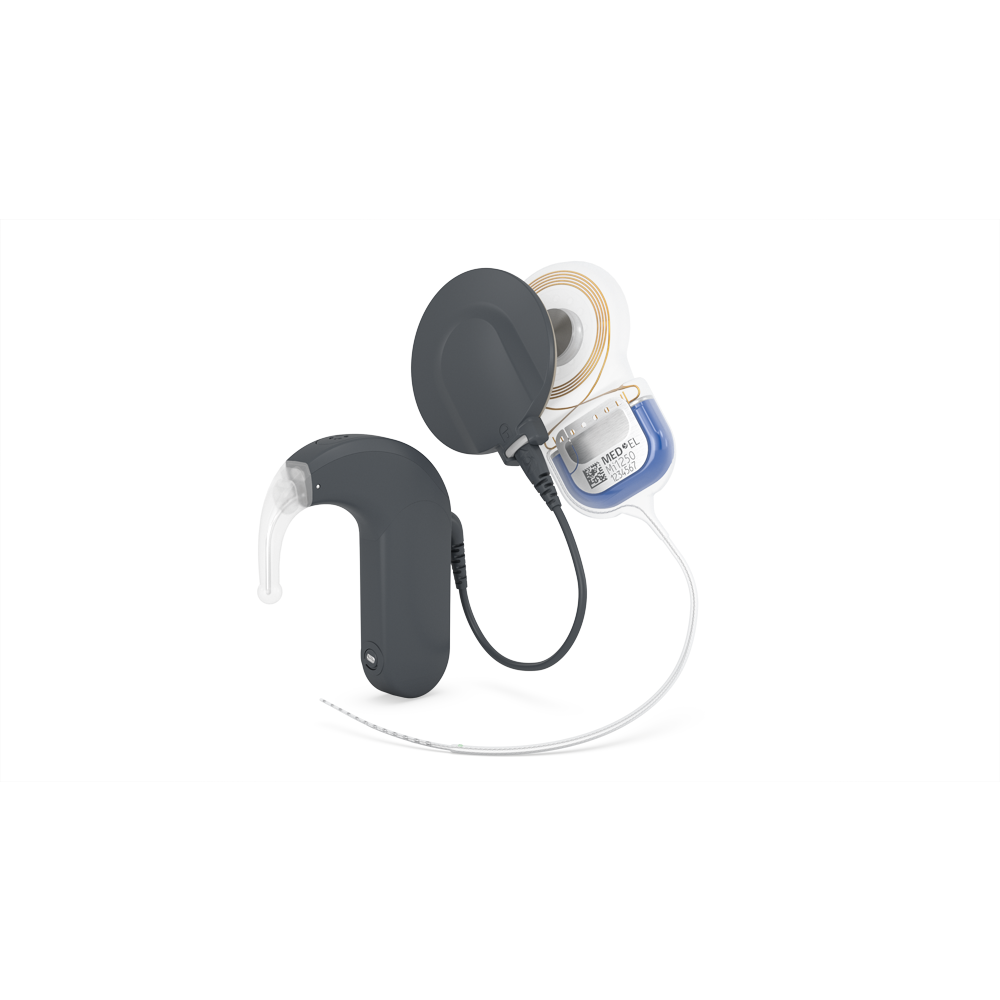
Cochlear implants are sophisticated neuroprosthetic devices that can restore a sense of sound to individuals with severe to profound sensorineural hearing loss. Unlike hearing aids that amplify sound, cochlear implants convert sound into electrical signals that directly stimulate the auditory nerve fibers within the cochlea. This process bypasses the damaged inner ear structures, providing a pathway for auditory information to reach the brain.
The benefits of cochlear implants are extensive and can include:
- Restoration of Hearing: Enabling individuals to perceive sounds, including speech, that were previously inaudible.
- Improved Speech Understanding: Significantly enhancing the ability to comprehend spoken language, even in noisy environments.
- Enhanced Quality of Life: Facilitating better communication, social engagement, and access to auditory information, leading to a greater sense of connection and independence.
- Reduced Tinnitus: For some individuals, cochlear implants can help alleviate the perception of ringing in the ears.
The implantation process involves surgery to place the internal device, followed by external components (a speech processor and transmitter) worn behind the ear. Post-implantation, extensive auditory rehabilitation and therapy are crucial for users to learn to interpret the new auditory signals and maximize the benefits of the implant. Research published in journals like JAMA Otolaryngology–Head & Neck Surgery consistently demonstrates the profound positive impact of cochlear implants on speech perception and overall communication abilities.
Bone Conduction Systems: Vibrating Through Bone
Bone conduction systems, including bone conduction implants and hearing aids, offer an alternative for specific types of hearing loss. These devices work by converting sound into vibrations that are transmitted through the bones of the skull directly to the cochlea. This mechanism effectively bypasses the outer and middle ear, making them ideal for individuals with:
- Conductive Hearing Loss: Where the outer or middle ear is unable to transmit sound effectively.
- Mixed Hearing Loss: When both conductive and sensorineural components are present.
- Single-Sided Deafness: Where hearing is significantly impaired in one ear, bone conduction can help "transfer" sound from the unaided side to the hearing ear.
Bone conduction systems are particularly beneficial for individuals who cannot tolerate or benefit from conventional ear canal devices due to chronic ear infections, malformations of the ear canal or middle ear, or skin conditions. The Vibrance study, a significant clinical trial, demonstrated substantial improvements in speech understanding for participants with single-sided deafness who received bone conduction solutions.
Assistive Listening Devices and Everyday Hearing Support
Beyond primary hearing devices, a range of Assistive Listening Devices (ALDs) and communication support tools are available to enhance daily communication and independence. These technologies are designed to make listening easier in challenging environments and to facilitate interaction with various audio sources.

Examples of ALDs include:
- Telecoils: Built into many hearing aids, telecoils allow users to pick up sound directly from compatible telephones, eliminating background noise and feedback.
- FM Systems: These consist of a microphone worn by the speaker and a receiver connected to the listener’s hearing aid or cochlear implant. They transmit the speaker’s voice directly to the listener, significantly improving speech clarity over distance or in noisy settings.
- Infrared Systems: Commonly found in theaters and public venues, these systems transmit audio via infrared light to specialized receivers.
- Bluetooth and Wireless Connectivity: Many modern hearing aids and cochlear implants can connect wirelessly to smartphones, televisions, and other Bluetooth-enabled devices, allowing for direct audio streaming and hands-free phone calls. Devices like MED-EL’s AudioLink XT exemplify this integration, acting as a versatile intermediary for seamless audio transmission.
- Alerting Devices: Visual or vibrating alerts for doorbells, smoke detectors, and telephones can provide crucial safety and convenience for individuals with hearing loss.
These supplementary solutions play a critical role in empowering individuals to navigate everyday life with greater confidence and ease, particularly in situations where ambient noise or distance can pose significant barriers to communication.
Therapy and Communication-Based Treatments
A holistic approach to hearing loss management often incorporates therapies designed to enhance communication skills and optimize the use of hearing technology. These rehabilitative strategies are vital for maximizing the benefits derived from hearing aids or implants and for fostering overall communicative competence.
Key therapeutic interventions include:

- Auditory Training: Exercises and strategies designed to help individuals improve their ability to detect, discriminate, and identify sounds and speech. This is particularly important for new users of hearing aids or cochlear implants as they learn to interpret processed sound.
- Speech Therapy: Working with a speech-language pathologist to improve speech clarity, articulation, and language development, especially for children with hearing loss or adults experiencing changes in their speech.
- Lip-Reading and Cued Speech: Techniques that supplement auditory information with visual cues from lip movements and hand gestures to enhance understanding.
- Sign Language Instruction: For individuals with profound hearing loss, learning sign language can provide a robust and effective means of communication.
- Counseling and Support Groups: Emotional and psychological support is crucial for individuals adjusting to hearing loss. These resources help manage the social and emotional impact of hearing impairment.
These therapies complement technological interventions by equipping individuals with the skills and strategies needed to communicate effectively, regardless of the severity of their hearing loss or the type of device they use. Research from organizations like the American Speech-Language-Hearing Association (ASHA) underscores the significant positive impact of comprehensive auditory and speech rehabilitation on long-term outcomes.
Age-Specific Considerations in Hearing Loss Treatment
The approach to hearing loss treatment is also significantly influenced by the patient’s age and developmental stage.
Hearing Loss Treatment in Children
For infants and young children, early detection and intervention are paramount. Congenital hearing loss can impact language development, cognitive growth, and social-emotional well-being. Treatment strategies often involve:
- Early Diagnosis: Universal newborn hearing screening aims to identify hearing loss within the first few days of life.
- Hearing Aids and Cochlear Implants: Prompt fitting of hearing aids or implantation for eligible infants and children is critical for optimal language acquisition.
- Auditory-Verbal Therapy: Intensive therapy focused on developing spoken language through listening.
- Educational Support: Specialized programs and resources to ensure academic success.
Hearing Loss Treatment in Adults and Older Adults
In adults and older adults, hearing loss can affect social interaction, cognitive function, and overall quality of life. Treatment goals often focus on:

- Maintaining Independence: Enabling continued participation in work, social activities, and daily life.
- Cognitive Health: Addressing the link between untreated hearing loss and an increased risk of cognitive decline and dementia. Studies, such as those published in The Lancet, have increasingly highlighted this association, underscoring the importance of addressing hearing loss as a public health issue.
- Reducing Social Isolation: Facilitating communication to prevent withdrawal and loneliness.
- Adaptation to Technology: Assisting individuals in adapting to and benefiting from hearing aids, implants, and ALDs.
Diagnosis: The Indispensable First Step
It cannot be overstated: a professional diagnosis is the foundational step in any hearing loss treatment journey. Self-diagnosis is unreliable and can lead to ineffective or even detrimental outcomes. Audiologists and ENT specialists conduct a battery of tests, including otoscopy and audiometric evaluations, to precisely determine the type, degree, and configuration of hearing loss. This accurate assessment ensures that the chosen treatment strategy is not only appropriate but also the most effective solution for an individual’s unique needs. Without a precise diagnosis, the path to regaining clear and effective communication remains uncertain.
Conclusion: Hope and Help at Every Stage
The landscape of hearing loss treatment is dynamic and continually evolving, offering a beacon of hope for millions worldwide. While there is no single, universally applicable solution, modern medicine and technology provide a comprehensive array of options—from essential medical care and conventional hearing aids to advanced implantable systems and supportive therapies. These interventions are not merely about restoring sound; they are about reclaiming connection, enhancing independence, and significantly improving the overall quality of life.
The journey begins with a commitment to seeking professional evaluation. By taking that crucial first step toward a diagnosis, individuals unlock the door to personalized treatment plans that can lead to tangible, life-changing benefits. With the right guidance and intervention, the challenges of hearing loss can be effectively managed, paving the way for a more engaged and fulfilling life.
About the Author:

Dr. Yi Ge is a certified otolaryngologist with extensive experience in the field of hearing healthcare. Since joining MED-EL in 2003, she has contributed significantly to various aspects of clinical research, regulatory affairs, and medical strategy. Currently serving as the Senior Manager of Medical Affairs at MED-EL Innsbruck, Dr. Ge’s expertise is instrumental in medical process assessment, product development support, and risk management. Her deep understanding of hearing implant systems and global regulatory frameworks drives her commitment to fostering patient-centered innovation in hearing restoration.
This article is for informational purposes only and does not constitute medical advice. Always consult with a qualified healthcare professional for any health concerns or before making any decisions related to your health or treatment.