The Genesis of a Movement: From Clinical Limitation to Community Connection
The inception of VOZ SOS CAAPAZ in October 2025 followed a period of critical self-reflection by practitioners in the field. For years, speech-language pathologists like Ordóñez operated under traditional therapeutic paradigms that often relied on weekly, individualistic sessions. These sessions frequently failed to provide adequate exposure to high-tech AAC devices in naturalistic settings. Furthermore, these traditional models often inadvertently reinforced an ableist framework, where the ultimate goal of therapy was framed as the achievement of verbal speech, rather than the development of functional, autonomous communication through any available modality.
The project was solidified by three major catalysts. First, Ordóñez’s participation in the "CAAmigos Angelman" program, an international virtual initiative, introduced her to the "Comprehensive Literacy" model. This approach moves beyond basic functional communication, advocating for the right of every individual—regardless of their level of support—to access literacy, reading, and writing. Second, the publication of Gran Blasko’s 2025 article in the ISAAC (International Society for Augmentative and Alternative Communication) journal provided a theoretical foundation. Blasko’s call for "nothing about AAC users without AAC users" underscored the necessity of involving non-speaking individuals in every stage of research, technology design, and professional development. Finally, a pivot toward "Relationship-Based Learning" emphasized that meaningful communication is not a skill to be drilled, but a byproduct of horizontal, authentic interactions between AAC users and their communication partners.
Chronology of Implementation: Rionegro and Beyond
The logistical rollout of VOZ SOS CAAPAZ has been methodical, focusing on public, accessible spaces to ensure high visibility and social normalization.
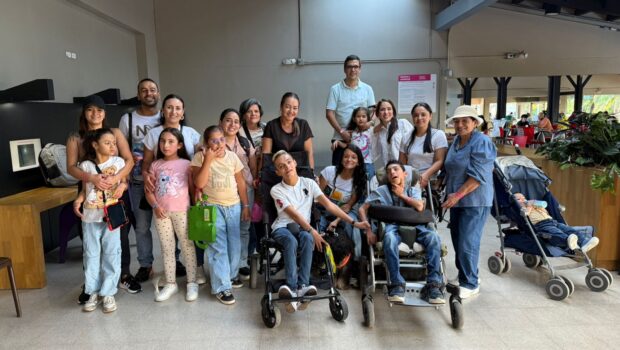
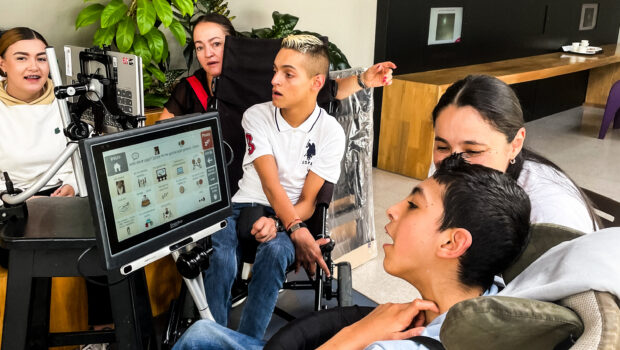
- October 2025: The inaugural gathering took place at Parque Comfama in Rionegro, Antioquia. This event, strategically scheduled during AAC Awareness Month, brought together six AAC users utilizing a variety of systems, including Td Snap, Communicator 5 with eye-tracking, Proloquo2go, and Grid 3. The event saw the participation of 10 family members and professional support staff, effectively turning a public recreational space into a site of intensive, real-world communication practice.
- February 2026: Following the success of the outdoor event, the initiative transitioned to a structured literacy format. Hosted in a public library in Rionegro, this session focused on shared reading. Three AAC users at the "emergent" literacy level participated alongside their families and the coordinating speech-language pathologist. This move signaled a shift toward long-term educational goals, proving that AAC devices can be utilized for deep cognitive and academic engagement.
Analysis of the Multimodal Communication Landscape
The technical diversity represented in these gatherings provides a snapshot of the current state of AAC technology in Latin America. Participants used a range of access methods, from touchscreen-based apps to high-precision eye-tracking systems for individuals with significant motor impairments.
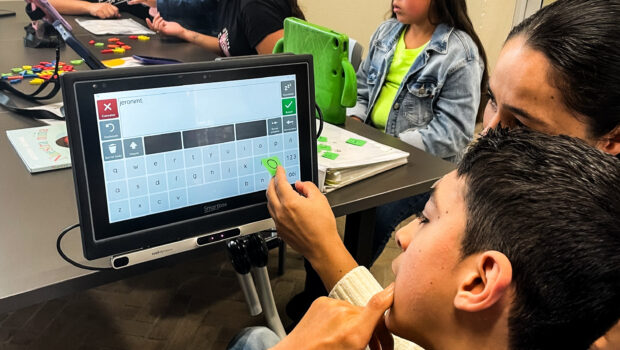
The data from these meetings suggests a critical trend: the success of these users is not determined by the hardware itself, but by the quality of the "communication environment." In traditional, clinical, or home-bound settings, users often face a "language ceiling," where the complexity of the vocabulary or the frequency of communication turns is artificially limited by the communication partner. VOZ SOS CAAPAZ challenges this by ensuring that partners—parents and therapists alike—undergo training to become competent "learners" of the AAC system. By normalizing the use of these devices in public libraries and parks, the project reduces the social stigma associated with non-verbal communication, transforming the public’s view of these individuals from passive observers to active, vocal participants in society.
Participant Perspectives and Social Impact
The efficacy of the VOZ SOS CAAPAZ model is perhaps best captured in the words of its participants. Pablo Andrés Calderón Gómez, a regular user of Tobii eye-tracking technology, noted following the October session that the experience provided him with a sense of community that he had previously lacked. His feedback—specifically highlighting the need for more individuals to be granted the "Right to Communication"—points to a broader social justice issue.
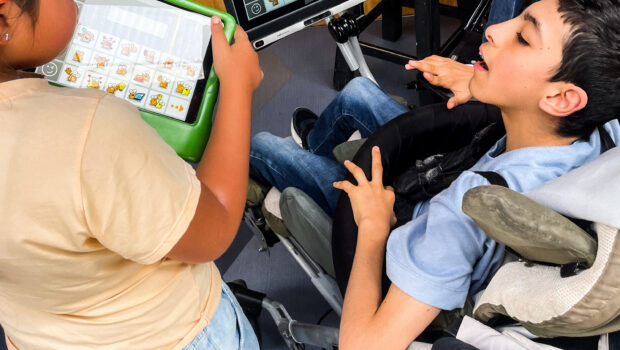
In many parts of Colombia and Latin America, the lack of trained professionals and the high cost of specialized equipment often result in the marginalization of non-speaking citizens. By creating a collaborative network, the initiative empowers families to bypass the limitations of traditional therapy. The "we" in Ordóñez’s methodology is significant; it reflects a deliberate shift in power dynamics where the family and the user are treated as equal architects of the communication journey, rather than mere recipients of clinical instruction.
Broader Implications for Speech-Language Pathology
The implications of the VOZ SOS CAAPAZ initiative for the broader speech-language pathology community are twofold. First, it serves as a pilot for "community-embedded" therapy. Rather than waiting for a clinical appointment, the project demonstrates that social and literacy outcomes are improved when communication occurs in environments where the individual lives, plays, and learns.
Second, the initiative underscores the necessity of a "neuroaffirmative" approach. This involves:
- Presuming Competence: Operating under the assumption that all individuals have the capacity to learn and communicate, regardless of the severity of their physical or cognitive challenges.
- Decentralizing Verbal Speech: Validating all forms of communication, whether gestural, symbolic, or digital, as equally legitimate.
- Prioritizing Autonomy: Ensuring that the user has full control over their communication, rather than the communication partner acting as a proxy voice.
As the program moves into its second year, the focus remains on scaling the monthly gatherings and expanding the network of public spaces in Antioquia that are "AAC-friendly." For families and service providers, VOZ SOS CAAPAZ offers a replicable blueprint for challenging institutional inertia. By prioritizing the human right to connect, the initiative has not only established a series of events but has sparked a cultural shift toward a more inclusive, communicative society in Colombia. The project demonstrates that when the barriers to communication are dismantled through collective effort, the voices that have been historically excluded can finally be heard, recognized, and empowered.