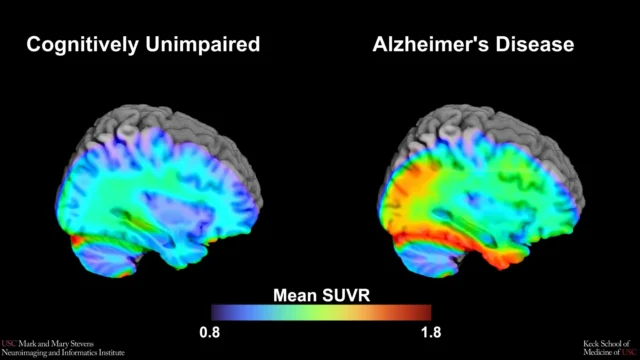
The research, led by the Lee Kong Chian School of Medicine (LKCMedicine) at NTU, highlights a shift in the understanding of Alzheimer’s progression. While the disease has traditionally been identified through the accumulation of amyloid plaques and tau tangles, this new evidence suggests that the failure of the brain’s "drainage" system is a primary contributor to the pathology. By identifying these "clogged pipes" during routine diagnostic procedures, clinicians may soon be able to flag high-risk patients without the need for invasive or prohibitively expensive specialized testing.
The Science of Brain Drainage: Understanding Perivascular Spaces
To understand the significance of the NTU findings, one must first look at the glymphatic system—the brain’s unique waste management network. Unlike the rest of the body, which relies on the lymphatic system to remove cellular debris, the brain utilizes perivascular spaces. These are microscopic, fluid-filled channels that surround the blood vessels penetrating the brain tissue. They serve as conduits for cerebrospinal fluid (CSF) to wash through the brain, carrying away toxic metabolic byproducts such as beta-amyloid and tau proteins.
Under healthy conditions, these channels are efficient and narrow. However, as the brain ages or undergoes pathological stress, these spaces can become enlarged (ePVS). The NTU study confirms that when these spaces appear dilated on a Magnetic Resonance Imaging (MRI) scan, it is often a physical manifestation of a "clogged" system. When waste cannot be cleared, it stagnates, potentially accelerating the formation of the toxic protein clumps that define Alzheimer’s disease.
"Since these brain anomalies can be visually identified on routine MRI scans performed to evaluate cognitive decline, identifying them could complement existing methods to detect Alzheimer’s earlier, without having to do and pay for additional tests," explained Associate Professor Nagaendran Kandiah, the study’s lead investigator and Director of the Dementia Research Centre (Singapore) at LKCMedicine.
Bridging the Data Gap: The Importance of Asian-Centric Research
A cornerstone of this study’s importance is its focus on Asian populations, a demographic that has historically been underrepresented in global Alzheimer’s research. For decades, the majority of clinical data regarding dementia has been derived from Caucasian cohorts in North America and Europe. However, emerging evidence suggests that the genetic and physiological drivers of Alzheimer’s vary significantly across different ethnic groups.
The NTU team analyzed a diverse group of nearly 1,000 Singaporean participants, reflecting the country’s multi-ethnic makeup of Chinese, Malay, and Indian backgrounds. This is particularly relevant because the prevalence of the APOE4 gene—the most well-known genetic risk factor for Alzheimer’s—differs vastly between populations.
"For example, among Caucasians with dementia, past studies show that the prevalence of a major risk gene, apolipoprotein E4, linked to Alzheimer’s is around 50 to 60 percent," noted Assoc Prof Kandiah. "But among Singapore dementia patients, it is less than 20 percent."
This discrepancy suggests that other factors, such as vascular health and the efficiency of the perivascular drainage system, may play a more dominant role in the development of Alzheimer’s in Asian populations. By focusing on these regional specificities, the NTU team is providing a more accurate roadmap for diagnosis in a part of the world that is seeing some of the fastest-growing rates of aging and dementia.
Methodology and Findings: A Multi-Layered Analysis
The study, which served as a first-author project for fifth-year medical student Justin Ong, categorized participants into two primary groups: those with normal cognitive function and those experiencing Mild Cognitive Impairment (MCI). MCI is often considered a "prodromal" or transitional stage between the expected cognitive decline of normal aging and the more serious decline of dementia.
The researchers employed a two-pronged analytical approach, combining advanced neuroimaging with blood-based biomarker analysis.
- MRI Analysis: The team scrutinized MRI scans for the presence of enlarged perivascular spaces and white matter hyperintensities (damage to the brain’s "wiring" or nerve fibers).
- Blood Biomarkers: Participants underwent blood tests to measure seven specific biochemicals associated with Alzheimer’s, including various forms of beta-amyloid and phosphorylated tau.
The results were striking. Participants with MCI were significantly more likely to exhibit enlarged perivascular spaces compared to their cognitively healthy counterparts. Furthermore, the presence of these enlarged spaces was strongly correlated with four out of the seven blood-based markers of Alzheimer’s. This correlation suggests that the structural "clogging" seen on the MRI is directly linked to the biochemical "poisoning" of the brain.
Perhaps the most surprising finding was that in patients with early cognitive decline, the link between enlarged perivascular spaces and Alzheimer’s biomarkers was even stronger than the link between white matter damage and those same markers. While white matter damage has long been the "gold standard" for identifying vascular-related cognitive issues, this study suggests that ePVS may be a more sensitive and earlier indicator of true Alzheimer’s pathology.
Clinical Reactions and the Synergy of Disease
The medical community has reacted with cautious optimism to the findings, noting that the study challenges the traditional separation of "vascular dementia" (caused by blood flow issues) and "Alzheimer’s disease" (caused by protein buildup).
Dr. Chong Yao Feng, a Consultant at the National University Hospital’s Division of Neurology, who was not involved in the study, pointed out the "synergistic" nature of these conditions. "The study’s findings are intriguing as they demonstrate that both diseases do interact in a synergistic manner," Dr. Chong stated. He noted that clinicians should no longer assume that vascular markers on an MRI only indicate blood vessel disease; they may, in fact, be the first visible signs of an unfolding Alzheimer’s case.
Dr. Rachel Cheong Chin Yee, Senior Consultant and Deputy Head at Khoo Teck Puat Hospital’s Department of Geriatric Medicine, emphasized the preventive potential of the discovery. "These findings are significant because they suggest that brain scans showing enlarged perivascular spaces could potentially help identify people at higher risk of Alzheimer’s disease, even before symptoms appear," she said.
Timeline of Progression and Future Implications
The progression of Alzheimer’s is often described as a 20-year "silent" period where the brain slowly deteriorates before memory loss becomes apparent. The NTU study places the enlargement of perivascular spaces early in this timeline.
- Year 0-10: Waste removal begins to slow; perivascular spaces enlarge. (Visible on MRI)
- Year 10-15: Amyloid and Tau proteins begin to accumulate at toxic levels. (Detected via blood markers)
- Year 15-20: Mild Cognitive Impairment begins; subtle memory and logic issues.
- Year 20+: Clinical Alzheimer’s diagnosis; significant functional impairment.
By moving the point of detection to the earliest stage of this timeline, doctors gain a massive advantage. Early intervention—ranging from aggressive management of blood pressure and cholesterol to newer anti-amyloid drug therapies—is far more effective when the brain’s structural integrity is still largely intact.
Justin Ong, the study’s first author, underscored this urgency: "Identifying Alzheimer’s sooner gives doctors more time to intervene and potentially slow the progression of symptoms such as memory loss, reduced thinking speed, and mood changes."
Conclusion: A New Diagnostic Standard
The NTU Singapore study represents a significant leap forward in the democratization of Alzheimer’s diagnosis. While PET scans and spinal taps remain the most definitive ways to confirm the disease, they are expensive, invasive, and not available in all clinical settings. In contrast, MRI scans are a staple of modern medicine.
By proving that a common feature on these scans—enlarged perivascular spaces—is a "red flag" for Alzheimer’s, the NTU team has provided a tool that is both highly sophisticated and practically accessible.
The research team plans to continue their work by tracking the study’s participants over the next several years. This longitudinal follow-up will determine exactly how many of those with "clogged" brain drains eventually progress to full-blown dementia. If the correlation remains high, the identification of ePVS could become a mandatory part of radiological reporting worldwide, fundamentally changing how we approach the "silent" years of Alzheimer’s disease. In an era where the global population is aging at an unprecedented rate, such a breakthrough is not just a scientific achievement; it is a clinical necessity.