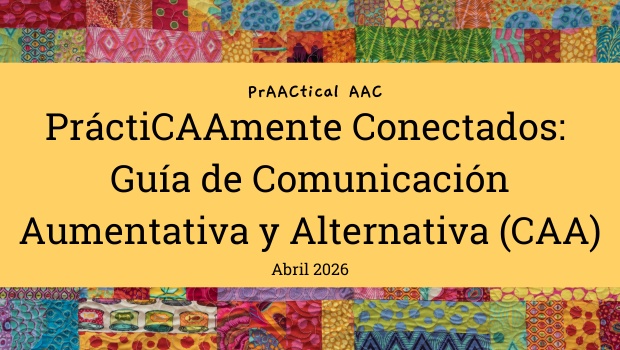
The Origins of the Collaborative Initiative
The genesis of this guide lies in the growing need for standardized, culturally relevant AAC resources in Latin America. Historically, much of the research and pedagogical literature surrounding AAC has been concentrated in English-speaking nations, leaving practitioners, families, and caregivers in the Global South with fewer native-language tools.
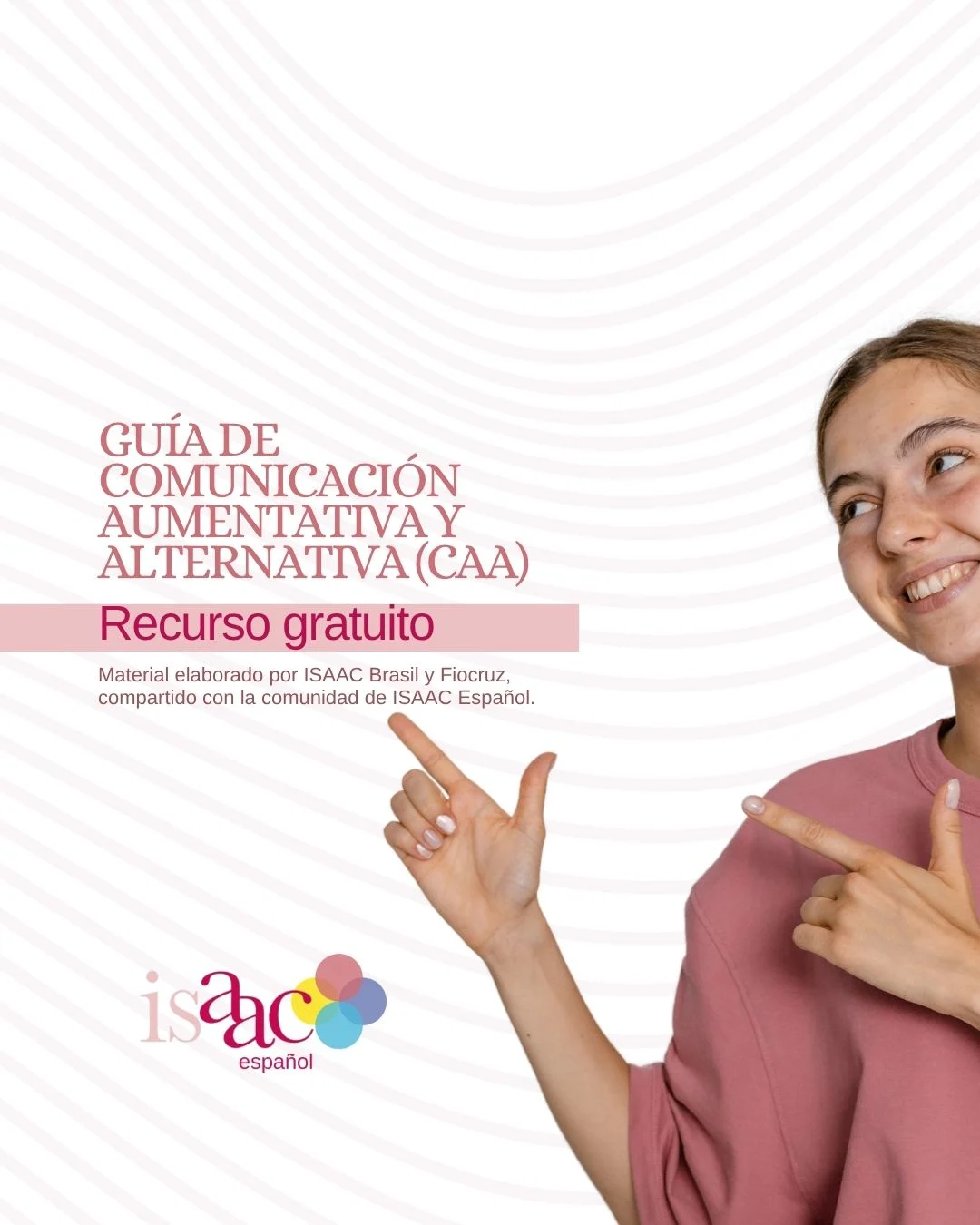
Fiocruz, as one of the most prominent public health research institutions in Latin America, joined forces with ISAAC Brazil to address this disparity. The project began as a domestic initiative in Brazil, where the necessity for public health materials regarding disability rights and communication accessibility became a priority for the foundation. Following the successful reception of the Portuguese version, the organizations recognized that the fundamental principles of AAC—such as the right to communicate, the importance of modeling, and the integration of assistive technology—are universal. Consequently, a team of linguists and AAC specialists undertook the translation and cultural adaptation of the material to ensure that the Spanish-speaking community could benefit from the same high-standard information.
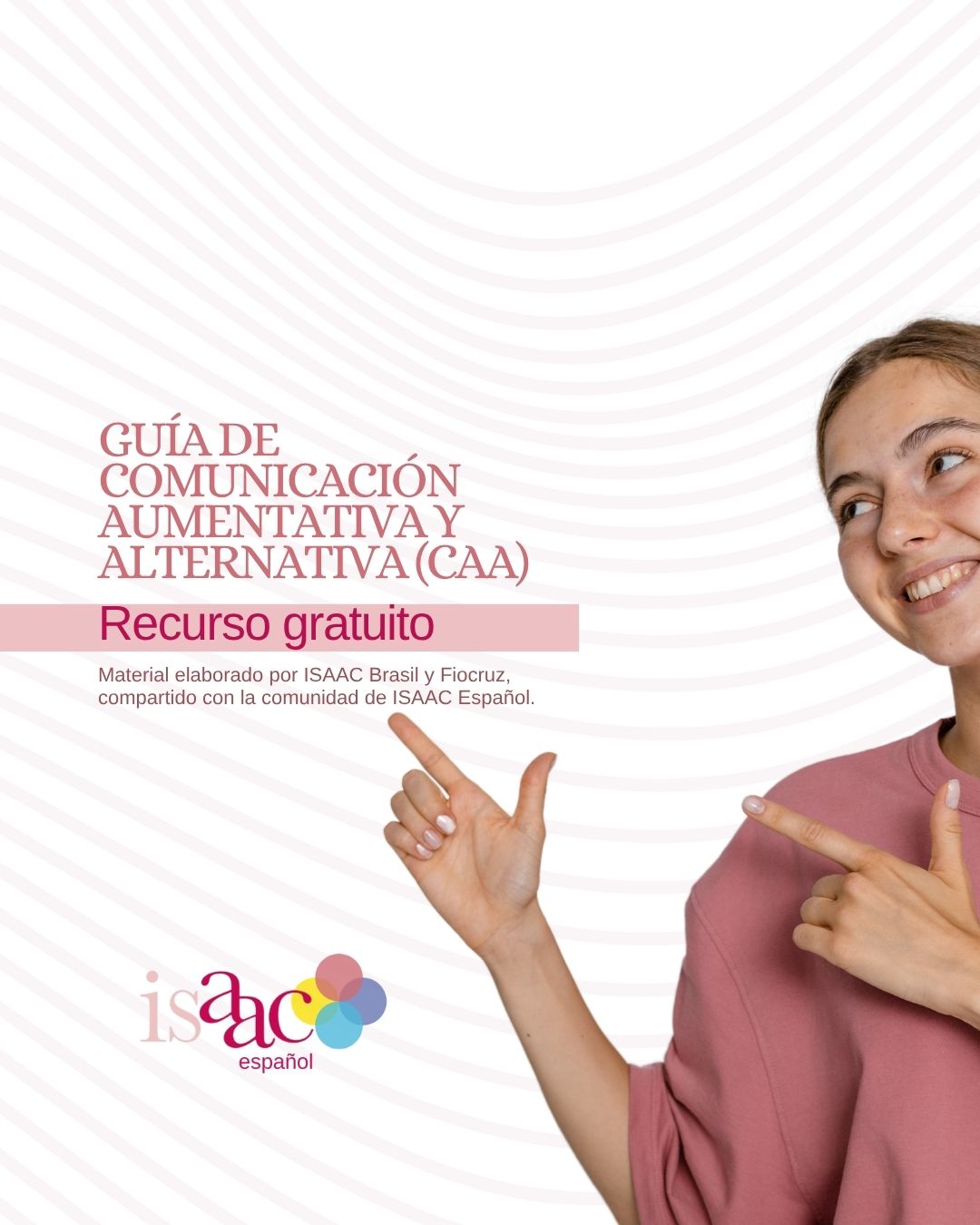
Chronology of Development and Distribution
The project unfolded in several distinct phases, reflecting a rigorous approach to pedagogical design:
- Phase One (Conceptualization): ISAAC Brazil and Fiocruz established a working group composed of speech-language pathologists, occupational therapists, and legal experts specializing in disability rights.
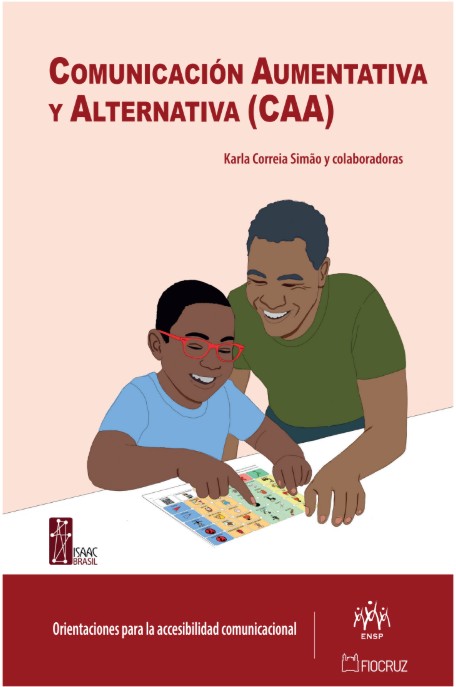
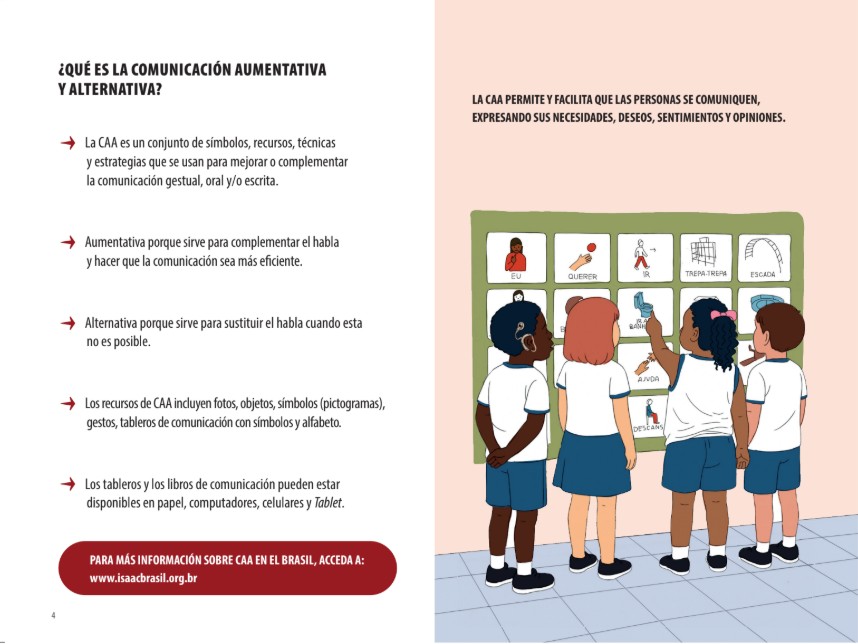
- Phase Two (Drafting and Validation): The content was drafted in Portuguese, ensuring the inclusion of illustrations depicting real-life AAC users to maintain authenticity and avoid the stigma often associated with clinical stock imagery.
- Phase Three (Translation and Localization): Recognizing the nuances of clinical terminology across Spanish-speaking countries, the text underwent a localization process to ensure the guide remained neutral yet precise.
- Phase Four (Public Launch): In April 2026, the digital files were released via open-access platforms, supported by a social media campaign led by ISAAC Spanish-language branches to maximize reach among educators and families.
Supporting Data and the Urgency of AAC Access
The necessity for such a guide is underscored by global data regarding communication disorders. According to the World Health Organization (WHO), over 1 billion people live with some form of disability, and a significant portion of this population experiences limitations in speech and language. In many regions, the delay between the diagnosis of a communication disability and the implementation of an AAC system can span years, leading to what experts call "language deprivation."
By providing a guide that covers the "why" and "how" of AAC implementation, the ISAAC-Fiocruz collaboration addresses several key indicators of success in communication intervention:
- Early Intervention: The guide emphasizes the importance of introducing communication support as early as possible, preventing the behavioral challenges that often arise when a child cannot express basic needs.
- Multi-Modal Communication: The materials explicitly move away from the misconception that AAC hinders natural speech development, providing data-backed evidence that shows AAC actually supports and complements vocal output.
- Family Training: Studies consistently indicate that the success of AAC devices is tethered to the competency of the user’s primary social circle. The guide focuses heavily on training parents and caregivers, acknowledging that clinical intervention is only effective if the home environment is supportive of communication tools.
Institutional Perspectives on the Project
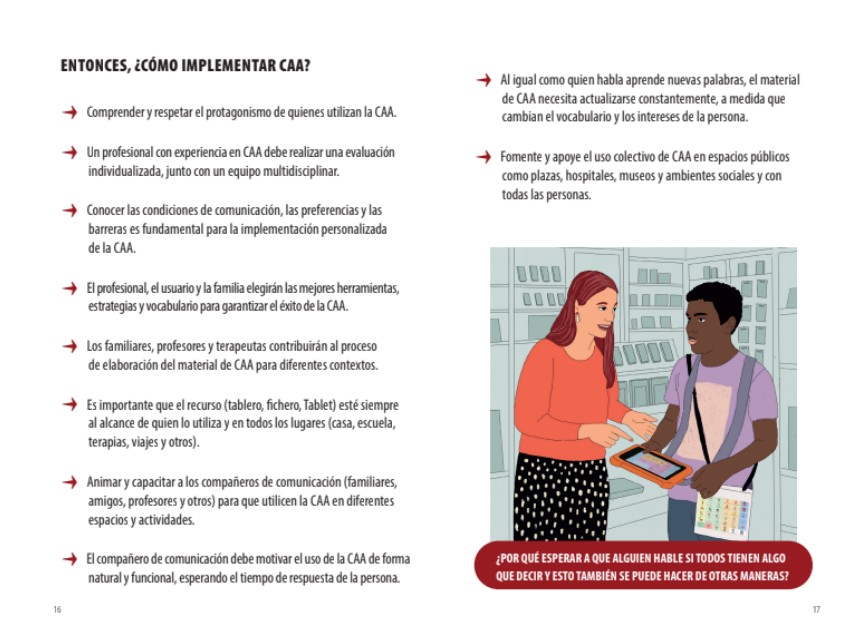
Representatives from ISAAC have noted that the inclusion of images featuring actual AAC users is not merely an aesthetic choice, but a core component of the guide’s mission to normalize the use of assistive technology. By showcasing diversity in age, background, and device type, the authors seek to demystify the technology for the general public.

"The goal was never just to produce a manual; it was to produce an advocate’s tool," a spokesperson for the project remarked during the release cycle. By aligning the technical aspects of AAC with the human rights framework established by the UN Convention on the Rights of Persons with Disabilities, the guide elevates the conversation. It frames communication not as a luxury for the privileged few, but as a fundamental human right that requires institutional and familial cooperation to fulfill.
Analysis: Implications for Global Communication Standards
The implications of this guide extend far beyond the immediate utility of its pages. For the field of speech-language pathology, the collaboration between a research foundation like Fiocruz and an advocacy organization like ISAAC suggests a new, highly effective model for distributing information. By utilizing digital distribution channels—such as the QR codes now circulating through social media platforms like Instagram and Facebook—the project successfully bypasses traditional paywalls and academic gatekeeping.
This approach has several long-term impacts:
- Democratization of Knowledge: As more organizations adopt this open-access model, the reliance on expensive proprietary training materials is expected to decrease, allowing more resources to be allocated to the actual purchase of hardware and software.
- Standardization of Best Practices: The guide serves as a baseline for "what good looks like," which can help professional bodies in various countries push for more robust policies regarding the coverage of AAC services by public health insurance providers.
- Cultural Adaptation: The success of this translation project acts as a blueprint for future endeavors. The methodology used to adapt the Portuguese material into Spanish can be replicated for other languages, effectively creating a global network of interoperable communication standards.
Challenges and Future Directions
While the guide is a significant step forward, the organizations involved acknowledge that the work is far from finished. One of the primary challenges remains the "digital divide." Even with a free PDF guide, individuals without access to high-speed internet or printing capabilities may still face barriers. To mitigate this, ISAAC chapters are currently working on physical distribution strategies, including partnerships with libraries and community centers.
Furthermore, the team behind the guide has expressed interest in iterative updates. As AAC technology evolves—particularly with the integration of artificial intelligence and more intuitive interface designs—the guide will need to be revised to include the latest developments. Plans are already in motion to gather feedback from the first cohort of users, which will inform a second edition of the document.
Conclusion
The release of the ISAAC-Fiocruz guide serves as a vital reminder that in the realm of accessibility, information is the most powerful tool. By providing clear, compassionate, and expert-vetted guidance, the collaborators have created a resource that empowers families and professionals alike to break the silence that has historically marginalized individuals with complex communication needs. As this resource continues to circulate, it is expected to serve as a cornerstone for training and advocacy in the Spanish-speaking world, proving that when institutions work together, the barriers to communication can be lowered, if not entirely removed. Readers interested in accessing the material are encouraged to follow the official social media channels of ISAAC Spanish-language branches, where the guide remains available for download at no cost, ensuring that the right to communicate remains a priority for all.