
Understanding the Urgency of Sudden Hearing Loss
The abrupt onset of diminished hearing capacity is not a symptom to be dismissed or monitored with the hope of spontaneous resolution. Medical professionals consistently emphasize that sudden hearing loss should be treated as an emergency until a qualified healthcare provider has assessed the situation. This stance is rooted in the possibility of SSNHL, a condition where the delicate structures of the inner ear or the auditory nerve are compromised. Delaying treatment for SSNHL can diminish its effectiveness, potentially leading to permanent hearing impairment.
While some instances of sudden hearing loss may be attributed to more benign causes such as impacted earwax, middle ear fluid, or infections, it is impossible for an individual to accurately self-diagnose the cause based solely on symptoms. Therefore, a prompt professional examination is paramount to determine the underlying issue and initiate appropriate treatment. The window for effective intervention is often narrow, underscoring the need for immediate medical attention.
What to Do When Hearing Suddenly Declines
Experiencing a sudden reduction in hearing, whether a muffling of sound or complete deafness in one ear, necessitates immediate action. The recommended course of action is to contact an Ear, Nose, and Throat (ENT) specialist without delay. If an ENT specialist is not immediately available, proceeding to an urgent care clinic or an emergency department is crucial. The common advice to "wait and see if it resolves on its own" is strongly discouraged in cases of sudden hearing loss.
Recognizing the Symptoms
Sudden hearing loss can manifest in various ways, and the experience can differ from person to person. It doesn’t always mean a complete cessation of sound. Common sensations include:
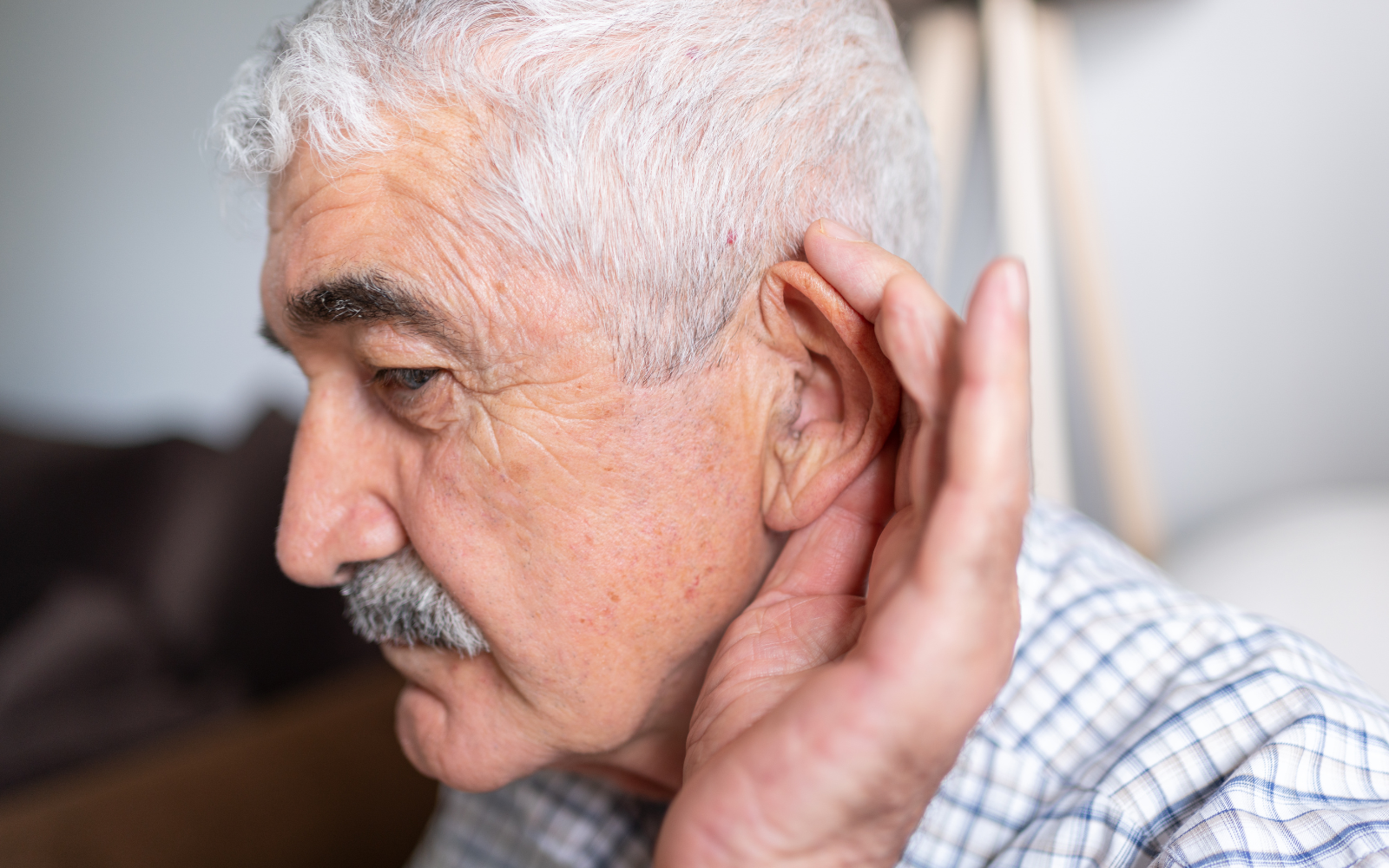
- Muffled hearing: Sounds may seem distant or unclear, as if heard through water.
- A feeling of fullness or blockage: The affected ear might feel plugged or congested.
- Tinnitus: A ringing, buzzing, or hissing sound in the ear, which can be constant or intermittent.
- Dizziness or vertigo: A sensation of spinning or imbalance.
- Ear pain: While not always present, some individuals may experience discomfort.
- Sudden, complete deafness: In more severe cases, all hearing in one ear may be lost instantaneously.
The sensation of a blocked ear can be misleading, leading individuals to assume a simple cause like earwax. However, these symptoms can also be indicative of more serious inner ear issues, reinforcing the necessity of a professional hearing assessment.
When to Seek Emergency Medical Care
While any sudden hearing loss warrants prompt medical attention, certain accompanying symptoms elevate the urgency and necessitate immediate emergency care. These red flags include:
- Neurological Symptoms: Sudden hearing loss accompanied by facial weakness, difficulty speaking, numbness or weakness in the face, arm, or leg, or a severe, sudden headache are critical indicators of a potential stroke or other serious neurological event.
- Severe Vertigo: Intense dizziness or a persistent spinning sensation alongside hearing loss can point to inner ear issues that require urgent evaluation.
- Head Injury: Hearing loss that occurs after a blow to the head or any form of trauma demands immediate medical assessment to rule out structural damage or internal bleeding.
- Fever or Severe Ear Pain: These symptoms may indicate a severe infection that could be affecting the ear and potentially spreading.
- Bilateral Hearing Loss: Experiencing sudden hearing loss in both ears simultaneously is a particularly alarming symptom that requires immediate emergency room attention.
Urgent assessment is also critical if the hearing loss is preceded by or accompanied by symptoms like sudden onset of nausea or vomiting, unsteadiness, or any signs of neurological compromise.
Understanding Sudden Sensorineural Hearing Loss (SSNHL)
Sudden Sensorineural Hearing Loss (SSNHL) is defined as a rapid loss of hearing, typically affecting one ear, that occurs over a period of 72 hours or less. It arises from a problem within the inner ear (cochlea) or the auditory nerve that transmits sound signals to the brain. The exact cause of SSNHL is often unknown, which is why a comprehensive diagnostic approach is essential.
Potential Causes of Sudden Hearing Loss
The spectrum of potential causes for sudden hearing loss is broad, encompassing both external factors affecting sound transmission and internal issues impacting the auditory system:
Conductive Causes (affecting the outer or middle ear):

- Earwax Impaction: A significant buildup of earwax can physically block the ear canal, preventing sound from reaching the eardrum.
- Middle Ear Fluid (Otitis Media): Fluid accumulation behind the eardrum, often due to infections or allergies, can dampen sound vibrations.
- Outer or Middle Ear Infections: Inflammation and swelling can impede sound conduction.
- Perforated Eardrum: A tear or hole in the eardrum can affect its ability to vibrate properly.
- Barotrauma: Sudden pressure changes, such as during airplane descent or diving, can affect the middle ear.
Sensorineural and Other Medical Causes (affecting the inner ear or auditory nerve):
- Sudden Sensorineural Hearing Loss (SSNHL): This is the primary concern when other causes are ruled out. Its etiology remains largely idiopathic (unknown), but theories include viral infections, vascular issues (reduced blood flow to the inner ear), autoimmune responses, or genetic predispositions.
- Viral Infections: Certain viruses, such as those causing herpes simplex or mumps, can affect the auditory nerve or inner ear.
- Vascular Compromise: A sudden decrease in blood flow to the cochlea, similar to a mini-stroke in the ear, can cause rapid hearing loss.
- Autoimmune Diseases: Conditions where the body’s immune system attacks its own tissues can sometimes target the inner ear.
- Ototoxic Medications: Certain drugs, including some antibiotics, chemotherapy agents, and aspirin in high doses, can be toxic to the inner ear.
- Ménière’s Disease: While typically characterized by fluctuating hearing loss, tinnitus, vertigo, and aural fullness, it can sometimes present with a sudden, significant drop in hearing.
- Neurological Conditions: Less commonly, conditions like multiple sclerosis or acoustic neuromas (benign tumors on the auditory nerve) can manifest with sudden hearing loss, particularly if they compress the nerve. An acoustic neuroma, for instance, can cause progressive or sudden unilateral (one-sided) hearing loss and may necessitate an MRI for diagnosis.
- Head Trauma: Injuries to the head can directly damage the delicate structures of the inner ear or the auditory nerve.
Diagnosis: Unraveling the Cause
The diagnostic process for sudden hearing loss is multi-faceted and aims to pinpoint the underlying cause to guide treatment.
Initial Examination and Hearing Tests
The initial step typically involves a thorough examination of the ears by a healthcare professional. This visual inspection can identify obvious external or middle ear issues such as:
- Ear Canal Obstructions: Checking for impacted earwax or foreign objects.
- Signs of Infection: Observing for redness, swelling, or discharge in the ear canal or on the eardrum.
- Eardrum Integrity: Assessing for perforations or abnormalities of the eardrum.
- Middle Ear Status: Looking for signs of fluid behind the eardrum.
Following the physical examination, a hearing test is crucial. This typically involves pure-tone audiometry, a standardized test where the patient indicates when they can hear soft sounds at different frequencies (pitches). The results are plotted on an audiogram, which provides a visual representation of the degree and type of hearing loss. This test is vital for distinguishing between conductive hearing loss (which can often be treated with medical or surgical intervention) and sensorineural hearing loss (which involves damage to the inner ear or nerve and may require different management strategies).
Advanced Diagnostic Tools
Depending on the initial findings, the patient’s symptoms, and their medical history, an ENT specialist may recommend further investigations:
- Tympanometry: This test assesses the function of the middle ear and eardrum, helping to identify fluid or other issues.
- Acoustic Reflex Testing: This measures the response of small muscles in the middle ear to loud sounds, providing additional information about the auditory pathway.
- Imaging Studies: An MRI (Magnetic Resonance Imaging) scan is often recommended, particularly for single-sided sensorineural hearing loss, to rule out retrocochlear pathologies such as acoustic neuromas or other nerve-related issues.
- Balance Tests: If dizziness or vertigo is a significant symptom, tests to assess vestibular function may be performed.
- Blood Tests: These may be conducted to investigate potential autoimmune disorders or infections.
The overarching goal of these diagnostic procedures is to classify the hearing loss as conductive, sensorineural, or related to another underlying medical condition, thereby enabling the selection of the most effective treatment plan.

Treatment Options for Sudden Hearing Loss
The treatment approach for sudden hearing loss is highly dependent on the identified cause.
Addressing Conductive Hearing Loss
If the hearing loss is determined to be conductive, treatment often focuses on resolving the underlying issue:
- Earwax Removal: Professional removal of impacted earwax can quickly restore hearing.
- Treating Infections: Antibiotics or other medications are prescribed for ear infections.
- Managing Fluid: Decongestants, antihistamines, or sometimes a small surgical procedure to insert a ventilation tube may be used to drain middle ear fluid.
- Repairing Eardrum Perforations: Depending on the size and cause of the perforation, it may heal on its own, or surgical repair might be necessary.
Managing Sudden Sensorineural Hearing Loss (SSNHL)
For SSNHL, where the inner ear or auditory nerve is affected, the primary treatment involves corticosteroids. These powerful anti-inflammatory medications are believed to reduce swelling and damage in the inner ear. Corticosteroids can be administered in two main ways:
- Oral Steroids: Taken by mouth, these are a common first-line treatment.
- Intratympanic Steroid Injections: In cases where oral steroids are ineffective or not tolerated, or as a salvage therapy, steroids can be injected directly through the eardrum into the middle ear space, allowing for higher local concentrations with fewer systemic side effects.
Timing is of the essence in SSNHL treatment. International guidelines often recommend that clinicians offer corticosteroids within the first two weeks of symptom onset to maximize the chances of hearing recovery. For individuals whose hearing does not fully return after initial treatment, intratympanic steroid therapy may be considered as a salvage option between two to six weeks after the initial onset. It is critical to understand that as more time passes, the likelihood of reversing or significantly improving permanent hearing loss diminishes. This underscores why waiting to seek medical help for sudden hearing loss is strongly discouraged.
Recovery Expectations
The extent of hearing recovery following treatment for sudden hearing loss varies considerably. Some individuals experience a complete return to their baseline hearing, while others may have partial improvement or no change at all. No treatment can guarantee a full recovery. Factors influencing recovery include the severity of the initial hearing loss, the underlying cause, the promptness of treatment, and individual physiological responses.
When Hearing Does Not Fully Return: Long-Term Solutions
For those individuals whose hearing does not recover to satisfactory levels after medical treatment, a range of options are available to manage long-term hearing loss and improve their quality of life.

Follow-Up and Assessment
Regular follow-up hearing tests are essential to monitor any ongoing changes in hearing and to inform further management decisions. A hearing care team, which may include audiologists and ENTs, will assess the impact of the hearing loss on daily life. This assessment considers not only the perceived loudness of sound but also the ability to understand speech, especially in noisy environments, and the localization of sounds. Long-term hearing loss, particularly in one ear, can lead to increased listening effort, fatigue, and difficulties with social interaction.
Assistive Listening Devices
Depending on the type and severity of the hearing loss, various assistive listening devices may be recommended:
- Hearing Aids: For individuals with mild to moderate hearing loss in one or both ears, hearing aids can amplify sounds and improve speech clarity.
- CROS/BiCROS Systems: For single-sided deafness (severe-to-profound hearing loss in one ear), a Contralateral Routing of Signals (CROS) or Bilateral CROS (BiCROS) system can be beneficial. These systems transmit sound from the deaf ear to a hearing aid on the better-hearing ear, helping to overcome the head-shadow effect and improve sound awareness.
Cochlear Implants for Single-Sided Deafness
A significant advancement in addressing single-sided deafness is the cochlear implant. Unlike conventional hearing aids or CROS systems that reroute sound, a cochlear implant bypasses the damaged parts of the inner ear and directly stimulates the auditory nerve, providing a pathway for sound to reach the brain. This technology is particularly relevant for individuals with severe-to-profound sensorineural hearing loss in one ear, where traditional hearing aids offer limited benefit.
Cochlear implantation for single-sided deafness is a specialized treatment. It is typically considered after an appropriate observation period (often 3 to 6 months) to allow for any potential natural hearing recovery. The decision to proceed with a cochlear implant is made on an individual basis after a thorough assessment by a cochlear implant team, considering the specific type and degree of hearing loss, overall health, and the individual’s communication goals. This technology can significantly improve speech understanding in noise and sound localization for eligible candidates.
Key Takeaways
The message regarding sudden hearing loss is unequivocal: immediate medical evaluation is imperative. The potential causes are diverse, ranging from easily treatable conditions like earwax buildup to more complex issues affecting the inner ear or auditory nerve. Because self-diagnosis is unreliable and time is of the essence, prompt consultation with an ENT specialist or presentation at an urgent care facility is the recommended course of action.
The diagnostic process, involving ear examinations and hearing tests, is crucial for identifying the cause and guiding treatment. For SSNHL, timely intervention with corticosteroids offers the best chance of hearing recovery. If hearing does not fully return, a range of advanced solutions, including hearing aids, CROS/BiCROS systems, and cochlear implants, can significantly improve communication abilities and overall quality of life.

Frequently Asked Questions About Sudden Hearing Loss
Why did I suddenly lose hearing in one ear?
Sudden hearing loss in one ear can stem from various causes, including earwax impaction, fluid in the middle ear, ear infections, pressure changes, head trauma, certain medications, and less commonly, conditions affecting the inner ear or hearing nerve. Because the specific cause cannot be reliably determined from symptoms alone, prompt assessment by a healthcare professional is crucial.
Is sudden hearing loss in one ear always permanent?
No, sudden hearing loss is not always permanent. In many cases, hearing may recover fully or partially. However, the outcome is influenced by the underlying cause, the severity of the loss, and the timeliness of treatment. Early evaluation and intervention, especially for suspected sudden sensorineural hearing loss, are vital for maximizing recovery potential.
Should I go to the ER for sudden hearing loss in one ear?
Sudden hearing loss should be addressed promptly. If you cannot access an ENT specialist quickly, an urgent care center or emergency department is appropriate. Seek immediate emergency care if the hearing loss is accompanied by neurological symptoms like facial weakness, difficulty speaking, numbness or weakness in the limbs, or a severe sudden headache. Other urgent indicators include severe dizziness, head injury, fever, severe ear pain, or sudden hearing loss in both ears.
Can earwax cause sudden hearing loss in one ear?
Yes, a significant blockage of earwax in the ear canal can lead to sudden hearing loss. However, it is important not to assume this is the sole cause. Sudden sensorineural hearing loss can present with similar symptoms of blockage or muffling. Therefore, a professional examination and hearing test are essential for accurate diagnosis.
Can a cochlear implant help if one ear remains deaf?
For individuals experiencing single-sided deafness (severe-to-profound hearing loss in one ear), a cochlear implant may be a viable option. Cochlear implantation is typically considered after a period of observation, usually 3 to 6 months, to allow for any natural hearing recovery. A specialist will assess individual suitability based on the type and degree of hearing loss and overall health. This technology can significantly improve speech understanding in noisy environments and sound localization.