
A Medical Crisis and a Pioneering Treatment
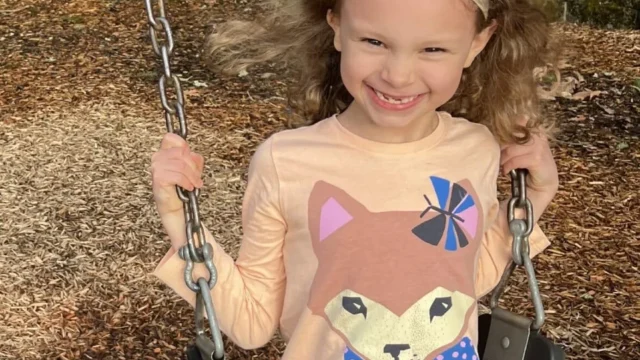
In 1994, at just 22 months old, Jordan Buckingham’s life—and the lives of her family—changed irrevocably when she contracted pneumococcal meningitis. This severe bacterial infection, which targets the membranes surrounding the brain and spinal cord, often carries significant risks of permanent neurological and sensory damage. For Buckingham, the illness resulted in profound bilateral sensorineural hearing loss.
At the time, the medical landscape for pediatric hearing loss was shifting rapidly. While traditional methods often relied on sign language as the primary mode of communication, a new paradigm was emerging: the use of cochlear implants paired with intensive auditory-verbal therapy. In 1995, Buckingham became the first child at Seattle Children’s Hospital to undergo a cochlear implant procedure. This landmark surgery placed her at the vanguard of a medical revolution. Following the success of the initial implant, she later received a second device, providing her with bilateral input—a critical factor in sound localization and speech discrimination.
Chronology of Development and Education
The support structure surrounding Buckingham’s childhood was instrumental in her linguistic development. In 1996, her parents enrolled her at Listen and Talk, where she joined one of the inaugural pre-K cohorts. Under the guidance of program founder Star Leonard-Fleckman and a team of specialized educators, Buckingham engaged in a rigorous curriculum designed to maximize the integration of her cochlear implants with natural spoken language.
Her educational journey continued through mainstream institutions, including the prestigious Charles Wright Academy. This transition from a specialized early-intervention setting to a traditional academic environment demonstrated the success of the "mainstreaming" philosophy championed by Listen and Talk. Buckingham eventually matriculated at Stetson University, graduating in 2014 with a Bachelor of Business Administration, with a concentration in Family Business and a minor in Management. This academic success serves as a critical indicator that, with appropriate intervention, students with profound hearing loss can achieve the same educational milestones as their hearing peers.

The Science of Listening and Spoken Language (LSL)
The model utilized by Listen and Talk is rooted in Listening and Spoken Language (LSL) therapy. Unlike traditional approaches, LSL focuses on teaching children with hearing loss to interpret the sound signals provided by their technology as meaningful language. Data from the Alexander Graham Bell Association for the Deaf and Hard of Hearing indicates that children who receive early intervention and consistent LSL therapy are significantly more likely to graduate from high school and pursue higher education.
Buckingham’s ability to navigate both the professional world of equestrian training and the academic demands of university life is a testament to the neuroplasticity of the human brain when stimulated early. By the time children reach the age of three, the brain’s capacity for language acquisition is at its peak. Buckingham’s enrollment in Listen and Talk at age two allowed her to capitalize on this critical window, ensuring that her cognitive development regarding language remained on par with her neurotypical peers.
Institutional Perspectives on Early Intervention
The success of individuals like Jordan Buckingham is not merely a personal victory but a validation of the broader clinical objective: to close the "opportunity gap" for the deaf and hard of hearing. Experts at the University of Washington Medical Center, who have provided ongoing support for Buckingham’s audiological needs, emphasize that the technology (the cochlear implant) is only one component of the process. The "hidden" work—the daily speech therapy, the parental involvement, and the consistent monitoring of the device’s mapping—is what converts electrical signals into a lifetime of communication.
Maura Berndsen, Executive Director of Listen and Talk, notes that Buckingham’s story is frequently shared with new families to alleviate the anxieties that follow an initial diagnosis. "Jordan’s journey is a roadmap," Berndsen suggests. "It shows that the early years are not just about survival; they are about setting the foundation for a life of complete autonomy."
Implications for Future Generations
The current landscape of pediatric audiology has evolved, yet the core challenges remain: timely diagnosis, access to high-quality speech therapy, and robust community support. According to the Centers for Disease Control and Prevention (CDC), early hearing detection and intervention (EHDI) programs have dramatically increased the number of infants identified with hearing loss before three months of age. However, the quality of post-diagnosis support remains variable across different geographic regions.
Buckingham’s transition into her current profession as an assistant horse trainer in Idaho highlights the diverse career paths available to individuals who are supported by early intervention. In the equestrian world, where communication—both verbal and non-verbal—is paramount, Buckingham’s ability to thrive serves as a powerful counter-narrative to the outdated notion that hearing loss limits professional viability. She actively uses her position to mentor others, advocating for the same "patient, hardworking" approach that defined her own upbringing.
The Role of Alumni and Philanthropy
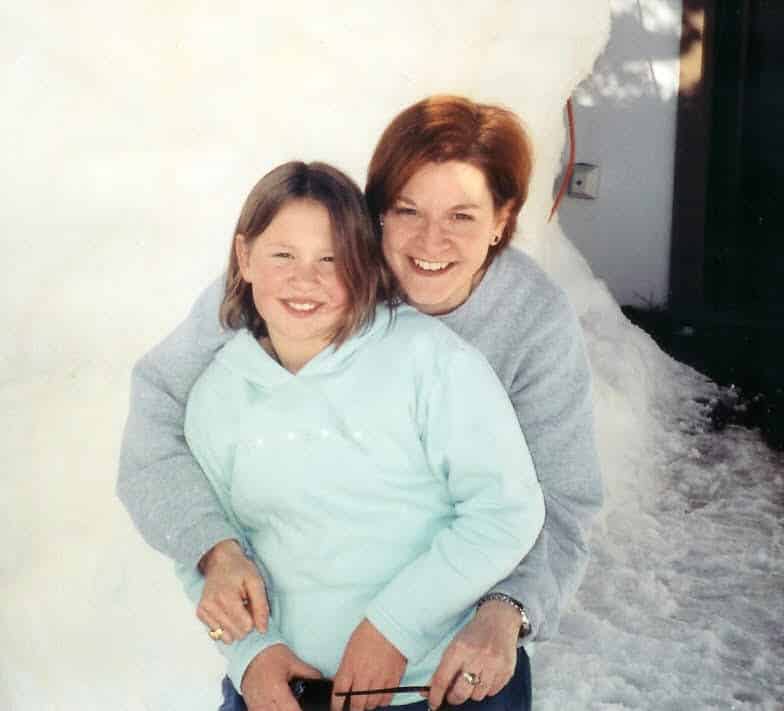
The sustainability of programs like Listen and Talk is heavily dependent on the "alumni effect"—the cycle of former students and their families returning to support the organization. The 2025 Alumni Family Giving Campaign is designed to leverage this history, encouraging former participants to fund the next generation of children.
From a sociological perspective, this alumni engagement serves as a form of social capital. When successful alumni like Buckingham return to support the institution, they provide more than financial resources; they provide a tangible success story. Their participation validates the organization’s long-term effectiveness and encourages a culture of philanthropy among those who have directly benefited from its services. The funds generated through such campaigns are earmarked for essential services, including diagnostic audiology, parent-infant coaching, and financial aid for families who might otherwise be unable to afford the intensive, one-on-one therapy required for success.
Conclusion: A Vision Without Limits
Jordan Buckingham’s narrative is a compelling synthesis of medical progress, familial tenacity, and educational excellence. By proving that a child diagnosed with profound hearing loss can not only enter the workforce but excel in specialized fields, she has become an embodiment of the Listen and Talk vision: a world where hearing loss is a manageable medical condition rather than a permanent barrier to success.
As the organization looks toward the future, the lessons learned from the "first generation" of cochlear implant recipients will continue to inform pedagogical strategies. The integration of modern digital health tools, remote audiological monitoring, and expanded teletherapy options promise to make the success seen in Buckingham’s life the standard, rather than the exception, for all children facing similar challenges. For families currently navigating the early days of a hearing loss diagnosis, Buckingham’s message remains a cornerstone of the program: prioritize the child, engage with the community, and recognize that with the right foundation, the horizon of possibility is limitless.