The Transformative Power of Auracast Technology
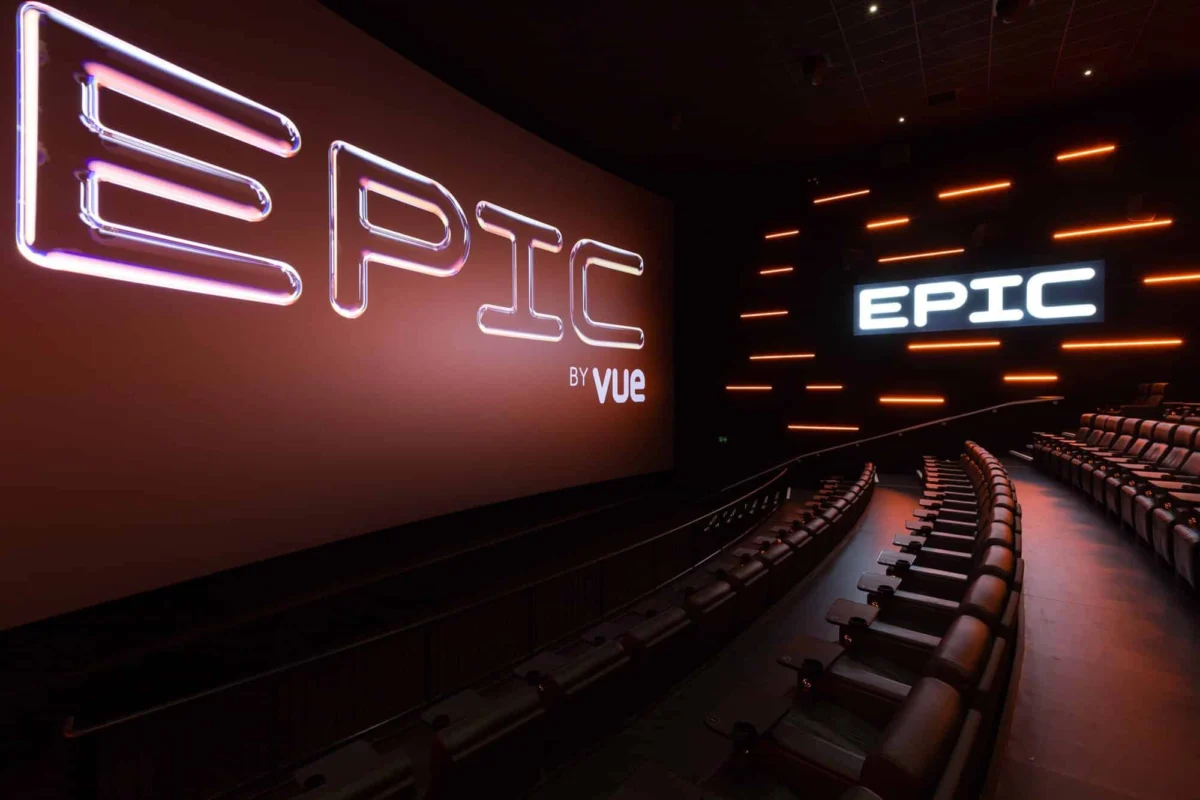
At the heart of Vue’s initiative is Auracast, a revolutionary feature of Bluetooth LE Audio. This technology allows a single audio source, such as a cinema screen’s soundtrack, to broadcast directly to an unlimited number of compatible receiving devices. For cinema-goers, this means that their personal hearing aids, cochlear implants, or Auracast-enabled headphones can directly receive the film’s audio feed with exceptional clarity, bypassing the acoustic challenges often presented by auditorium loudspeakers. This capability marks a significant leap forward from traditional assistive listening systems, such as induction loops or FM systems, which often require dedicated receivers, offer variable sound quality, or are not universally compatible with personal hearing technology. Auracast promises a seamless, high-fidelity audio experience, directly tailored to an individual’s specific hearing needs and programmed device settings.
The global prevalence of hearing loss underscores the profound impact of such advancements. According to the World Health Organization (WHO), over 1.5 billion people worldwide experience some degree of hearing loss, with approximately 430 million having moderate or higher hearing loss. In the UK, Action on Hearing Loss (now RNID) estimates that one in five adults, or around 12 million people, are affected by hearing loss, a number projected to rise to 14.5 million by 2035. For this substantial demographic, the ability to access crystal-clear audio in public spaces like cinemas has historically been a significant barrier to full participation and enjoyment. Auracast, therefore, is not merely an upgrade but a paradigm shift towards genuine inclusion, offering an unprecedented level of personalized audio control and clarity.
Vue’s Ambitious Rollout: A Detailed Timeline
Vue’s commitment to Auracast began with an earlier announcement, and this latest update provides crucial details on the acceleration and scope of its deployment. Currently, 20 Vue cinemas, encompassing approximately 200 screens, are already operational with the Auri system, supplied through Ampetronic, a leader in assistive listening technologies. This initial phase has laid the groundwork for a rapid expansion.
The immediate next phase is robust: an additional 23 cinemas are slated to receive the Auracast technology by the end of December. This will bring the total number of equipped Vue locations to 43, demonstrating a swift and decisive implementation strategy. Looking further ahead, Vue projects that these installations will extend Auracast coverage to more than 53% of its entire UK and Ireland estate by the close of 2026. The ultimate goal, as outlined by the company, is to complete the full rollout across all remaining cinemas by the end of 2027. This structured, phased approach highlights a strategic and well-resourced commitment to transforming accessibility across its vast network.
Narinder Shergill, Vue’s UK and Ireland General Manager, articulated the underlying philosophy behind this significant investment. "Accessibility isn’t a box-ticking exercise for us," Shergill stated. "It’s about making sure everyone can have the experience they came for; that nobody is sitting in a Vue cinema feeling like they’re on the outside of the story." This statement underscores Vue’s understanding that true accessibility extends beyond mere compliance, focusing instead on fostering an inclusive environment where every customer can fully immerse themselves in the cinematic narrative.
First-Hand User Experience: A Glimpse into the Future of Listening
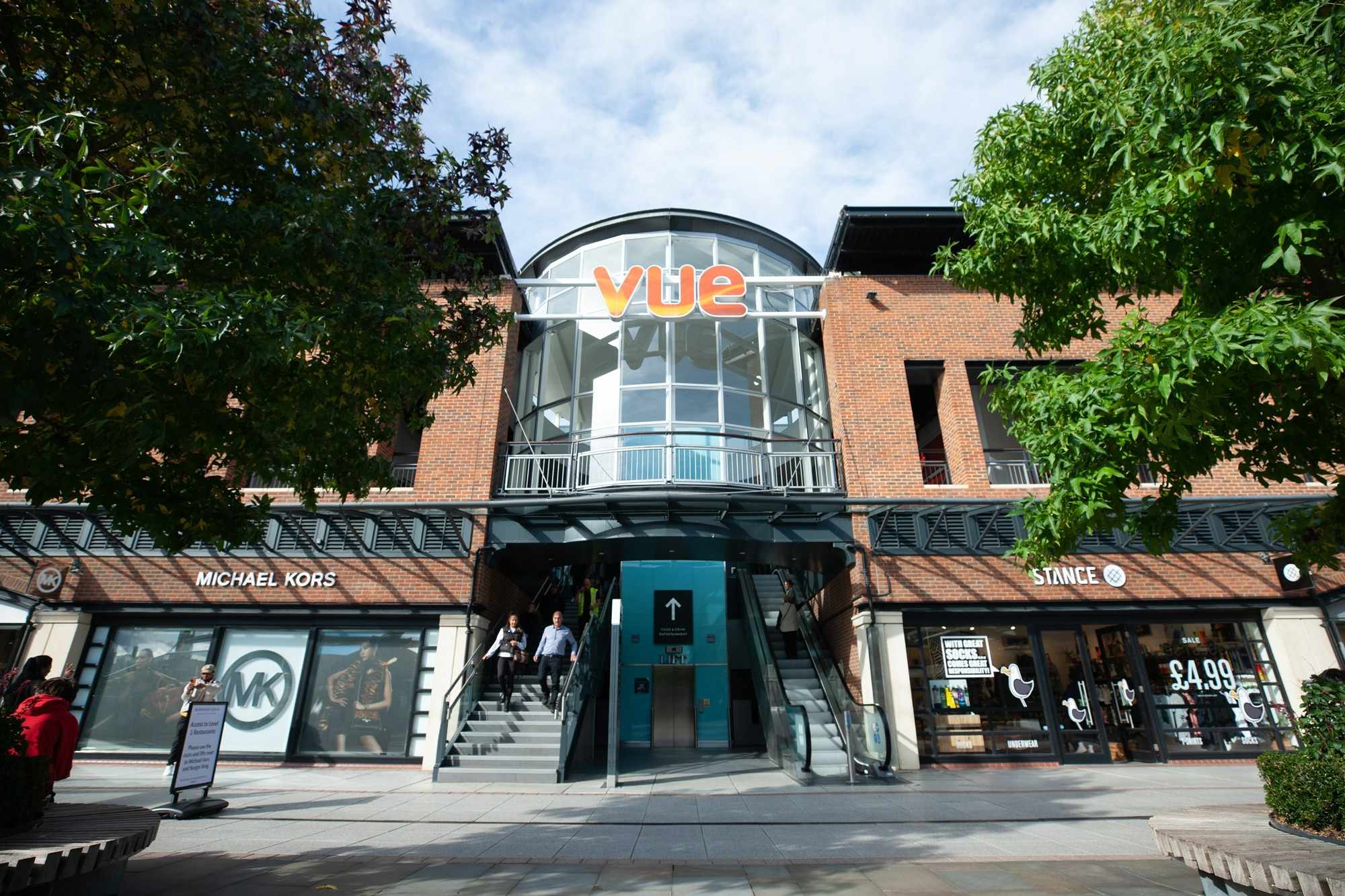
The efficacy of any new technology is best measured by the user experience. Vue’s rollout has already garnered valuable early feedback, notably from Phil Creighton, a journalist, hearing instrument user, and founder of AuraHear.com, who conducted a comprehensive test of the Auri system at Vue’s Cheshire Oaks cinema. His detailed account provides a compelling illustration of Auracast’s potential.
Creighton recounted a dramatically improved listening experience, particularly in scenes with complex soundscapes where dialogue often competes with background noise. He emphasized his ability to discern subtle nuances in actors’ accents, vocal inflections, and the intended emotional meaning of their words—details frequently lost even with well-calibrated traditional cinema sound systems for individuals with hearing loss. "I could hear the dialogue. I could hear the inflexion. I could hear the accents. I could hear the meaning. It was amazing," he shared, capturing the profound impact of direct, personalized audio.
However, Creighton’s experience also offered a balanced perspective, acknowledging that while Auracast is a monumental step forward, it is not a "magic bullet" for every listening challenge. He noted, "It’s not a perfect magic bullet for me; the effort of concentrating on dialogue means every so often my concentration slips, and that’s when I need the subtitles." This crucial insight highlights the continuing importance of a multi-faceted approach to accessibility. While Auracast significantly enhances the auditory experience, complementary options such as open-captioned screenings remain vital for individuals who may still benefit from visual reinforcement, or those with more profound hearing loss where even enhanced audio may not fully bridge the gap. Vue’s broader accessibility initiatives, which include open-captioned and autism-friendly screenings, demonstrate a holistic understanding of diverse customer needs.
Collaboration with Experts: A Model for Successful Implementation
A key factor in the successful deployment of any advanced technology, particularly in a public setting, is robust collaboration with experts and stakeholders. Vue has proactively engaged with audiologists, hearing technology manufacturers, and accessibility advocates throughout the planning and implementation phases. This collaborative model has been instrumental in evaluating the Auri system’s performance and refining the customer experience.
The process began with an initial consultation with Stuart D. Whyte, an audiologist from the University of Southampton, to assess the theoretical benefits and practical applications of Auracast in a cinema environment. This foundational engagement was followed by a presentation of Vue’s plans to approximately 150 members of an accessibility group, which sparked further discussions and led to the involvement of James Mander, an audiologist from the University of Manchester.
A pivotal demonstration then took place at the Cheshire Oaks cinema, bringing together Mander, representatives from Starkey (a prominent hearing aid manufacturer), and Phil Creighton. This hands-on session allowed experts and users to collectively test the system with compatible hearing devices, providing real-time feedback on sound quality, the connection process, and overall usability. According to Vue, the participants responded overwhelmingly positively, validating the system’s potential. Ampetronic, the supplier of the Auri system, has also maintained close engagement with Vue, gathering feedback and providing ongoing support throughout the installation process.
This collaborative approach underscores a critical lesson for any public venue considering assistive listening technology: successful deployment extends far beyond simply installing transmitters. It necessitates careful consideration of how customers will discover the technology, understand device compatibility, and seamlessly connect to the audio broadcast. Engaging the hearing care community ensures that the technology is not only technically sound but also practically accessible and genuinely beneficial for its intended users. Paul Surridge, chairman of the British Irish Hearing Instrument Manufacturers Association (BIHIMA), lauded Vue’s initiative as an exemplary model for how venue operators and hearing care organizations can synergistically work towards improving accessibility. "Auracast has the potential to transform the cinema experience for millions of people with hearing loss, but only if operators invest in it at scale," Surridge emphasized, highlighting the critical role of commitment from industry leaders.

Broader Implications and the Future of Accessibility
Vue’s ambitious Auracast rollout carries significant implications, not only for the cinema industry but also for the broader landscape of public accessibility and hearing care.
For the Cinema Industry: Vue’s leadership sets a new benchmark for accessibility within the entertainment sector. As consumers become more aware of Auracast’s capabilities, there will likely be increased pressure on other cinema chains and public venues to adopt similar technologies. This could lead to a ‘race to the top’ in terms of inclusive offerings, ultimately benefiting a wider audience. It also offers Vue a distinct competitive advantage, positioning it as a forward-thinking, socially responsible brand committed to serving diverse customer needs.
For the Hearing-Impaired Community: The expansion of Auracast offers unprecedented opportunities for greater social inclusion and independence. The ability to attend a cinema and seamlessly connect to high-quality audio removes a significant barrier, fostering a sense of belonging and reducing the stigma often associated with hearing loss. This direct audio access can extend beyond cinemas, paving the way for similar implementations in theatres, sports stadiums, conference centers, and transportation hubs, creating a more universally accessible public environment.
For the Technology Sector: Vue’s large-scale deployment serves as a powerful validation of Auracast and Bluetooth LE Audio technology. This real-world application at scale will likely accelerate the development and market penetration of compatible hearing aids, cochlear implants, and consumer electronic devices. Manufacturers will be incentivized to integrate Auracast capabilities more widely, knowing that public infrastructure is increasingly supporting it. This will drive innovation and make advanced hearing solutions more accessible and user-friendly.
For Hearing Care Professionals: The rollout creates new avenues for discussion between audiologists and their patients. Professionals can now actively advise patients on Auracast compatibility, optimal device settings for public venue connectivity, and the potential benefits of this technology in enhancing their everyday experiences. This expands the scope of patient education beyond just hearing aid fitting, moving towards comprehensive support for navigating an increasingly Auracast-enabled world.
The project, while still in progress, offers invaluable insights into the practical considerations of implementing Auracast at scale. The reported early listening experiences, coupled with the methodical collaboration with hearing care professionals and user feedback, provide a robust framework for other organizations to emulate. Vue Entertainment is not just installing new technology; it is actively shaping the future of inclusive entertainment, demonstrating that with strategic investment and genuine commitment, a truly accessible public experience is within reach. This pioneering effort positions Vue as a frontrunner in a movement that promises to redefine accessibility standards and enrich the lives of millions.
Source: BIHIMA, World Health Organization, RNID (formerly Action on Hearing Loss)